





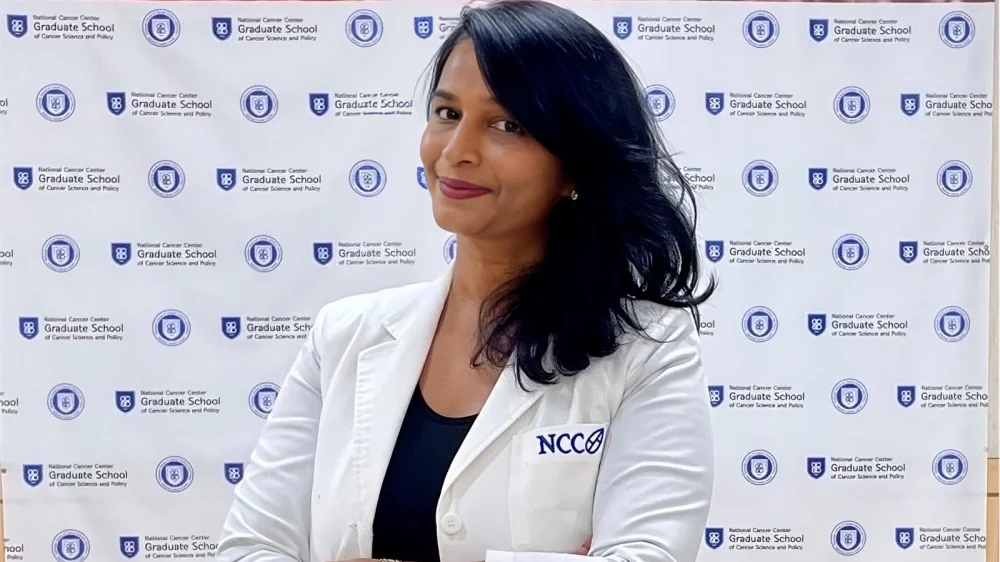
Nirmala Bhoo Pathy, Professor at the University of Malaya and Adjunct Professor at Kasturba Medical College, Manipal, shared a post on LinkedIn:
“Why does good research so often stay on the shelf?
A conversation with Robert Greene at the European Cancer Organisation meeting sparked a reflection that has stayed with me. Robert asked me a question that cuts straight to the core of our work:
‘We already know the problems. We have the data. Why is action taking so long?’
It was a sobering moment. As researchers and clinicians, we are trained to produce evidence, and we often assume that high-quality evidence naturally leads to high-impact change. But Robert’s question highlights the ‘knowing-doing’ gap that we cannot ignore.
In medicine, the truth is that we are not always trained to make scientific evidence accessible. When our findings stay locked in technical journals or scientific conferences, we inadvertently gatekeep the very information that could empower patients and influence policy.
Science Communication isn’t a ‘soft skill’, but a professional responsibility. If we want to see change, we must train our students, registrars, and advocates to:
- Speak the language of the community, not just the laboratory.
- Bridge the gap between ‘high-level’ data and ‘real-world’ impact.
- Turn evidence into narratives that stakeholders can actually act upon.
I’ve been using my column, Cancer Matters Malaysia, as a personal exercise in this, trying to translate complex issues like financial toxicity, the politics of cancer risk, and the ‘invisible infrastructure’ of care into a lay format. While I have to admit that it is not always easy to strip away the jargon, it is necessary.
To my colleagues and the next generation of oncology professionals:
How are we training ourselves to ensure our science actually reaches the heart of the public?”
More posts featuring Nirmala Bhoo Pathy.