





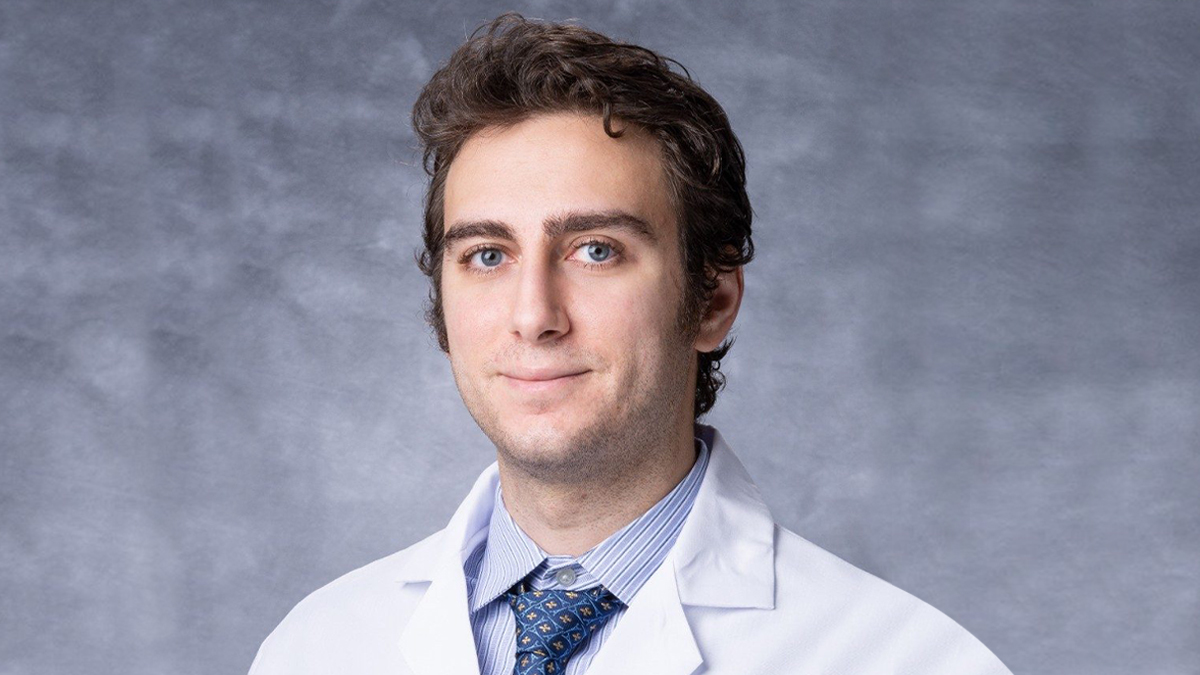
Nicholas Hornstein, Assistant Professor at Northwell Health, shared a post on LinkedIn:
“Colorectal cancer screening works.
The new SCREESCO randomized trial shows what happens when organized screening actually occurs: more early-stage cancers detected and fewer advanced cancers later.
That’s the point. That’s stage shift. And stage still matters.
We recently saw headlines about a phase 3 multi-cancer early detection (MCED) study not meeting expectations. That doesn’t mean early detection doesn’t work. It means broad blood-based screening is hard, and still evolving.
Colonoscopy and FIT are mature tools. They reduce advanced disease when people actually use them. Implementation matters more than biology here.
MCED tests are exciting. More are coming. They may eventually complement organ-specific screening.
But for now, the message is simple:
Screening works.
Use the tools we have.
And keep building better ones.”
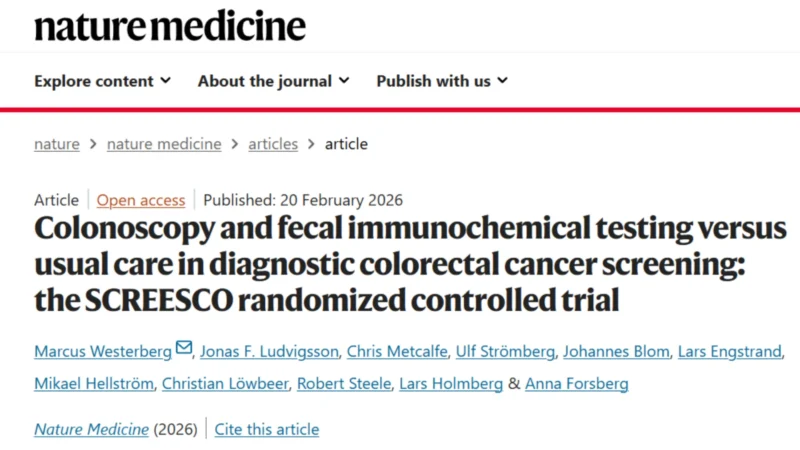
Title: Colonoscopy and fecal immunochemical testing versus usual care in diagnostic colorectal cancer screening: the SCREESCO randomized controlled trial
Authors: Marcus Westerberg, Jonas F. Ludvigsson, Chris Metcalfe, Ulf Strömberg, Johannes Blom, Lars Engstrand, Mikael Hellström, Christian Löwbeer, Robert Steele, Lars Holmberg, Anna Forsberg
Read the Full Article.
Other OncoDaily articles featuring Nicholas Hornstein.