





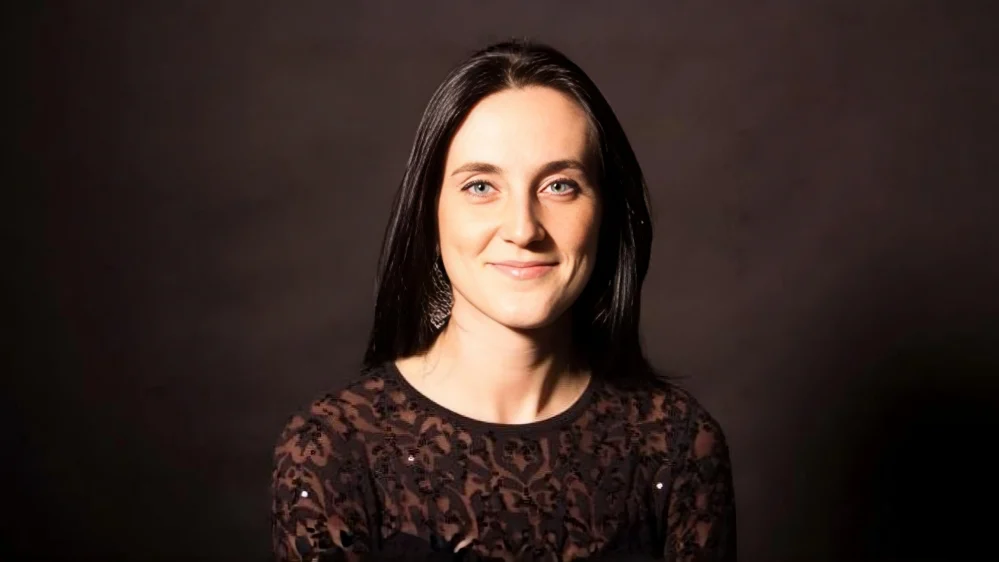
Nataliya Kovalchuk, Clinical Professor at Stanford Radiation Oncology, shared a post on LinkedIn:
“Our editorial is now available online in the IJROBP The Red Journal:
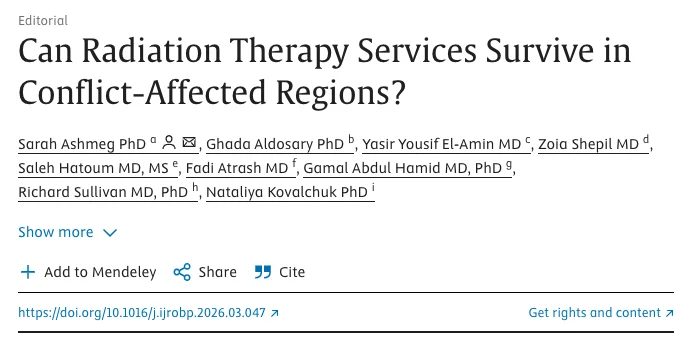
‘Can Radiation Therapy Services Survive in Conflict-Affected Regions?‘
This powerful and timely piece brings together frontline perspectives from radiation oncology professionals working in Sudan, Yemen, Syria, Palestine, and Ukraine, highlighting both the fragility of radiotherapy services in conflict settings and the resilience required to sustain cancer care under extreme conditions.
A special congratulations to Dr. Sarah Ashmeg for spearheading this imprortant work. Sarah continues to be a remarkable voice in global oncology, thoughtful, impactful, and deeply committed to advancing equity in fragile cancer care systems. This manuscript is based on the American Society for Radiation Oncology (ASTRO) 2025 session we co-organized to bring the attention to the issue. We wrote this piece as a call to action for our community to invest in education, workforce development, and sustainable support systems where they are needed most.
‘Cancer care in conflict-affected regions must be recognized as a shared global responsibility. Short-term missions and ad hoc equipment donations alone cannot rebuild sustainable RT systems. Long-term, bidirectional partnerships are needed, alongside sustained investment in education, workforce resilience, research equity, and advocacy.’ “
Title: Can Radiation Therapy Services Survive in Conflict-Affected Regions?
Authors: Sarah Ashmeg, Ghada Aldosary, Yasir Yousif El-Amin, Zoia Shepil, Saleh Hatoum, Fadi Atrash, Gamal Abdul Hamid, Richard Sullivan, Nataliya Kovalchuk
Other articles featuring Nataliya Kovalchuk on OncoDaily.