


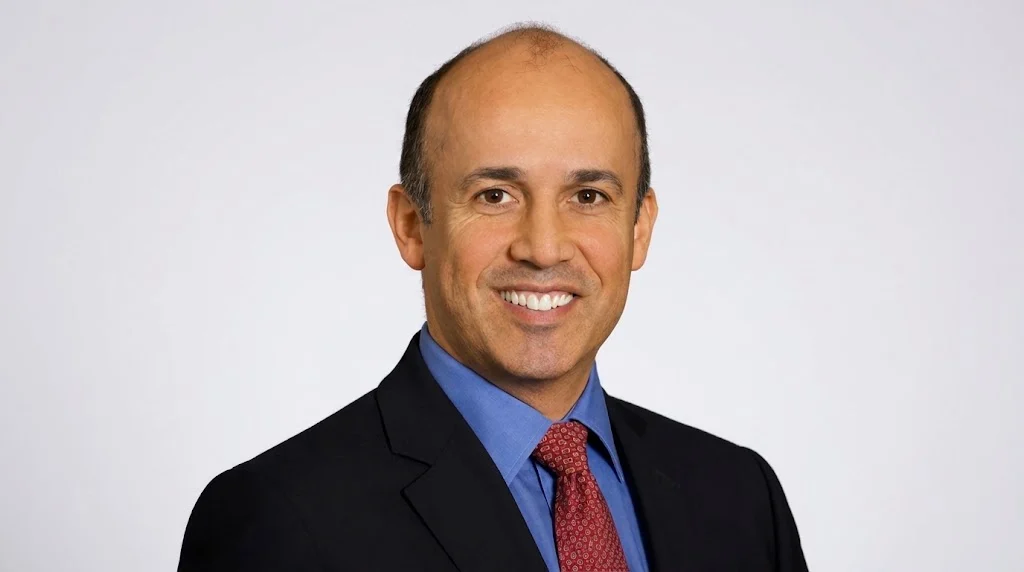
Nabil Chehab, Lung Cancer Medical Franchise Head/Executive Medical Director-US Medical Affairs at AstraZeneca, shared on LinkedIn:
“What struck me most in this conversation is how far cell therapy has come.
Since the first CAR-T approval in 2017, it has improved outcomes for people with certain blood cancers and is now showing early potential in autoimmune diseases.
At AstraZeneca, our ambition is to help realise the full curative potential of cell therapy across oncology, autoimmune and rare diseases.
Watch our colleague Attilio Bondanza speak with Dr Michel Sadelain from Columbia’s medical centre about what comes next.”
Proceed to the video attached to the post:
More information on first CAR T-cell therapy FDA approval
The first CAR T-cell therapy received FDA approval on August 30, 2017, marking a milestone in cancer treatment.
The approved therapy, tisagenlecleucel (Kymriah), developed by Novartis, was authorized for patients up to 25 years old with relapsed or refractory B-cell precursor acute lymphoblastic leukemia (ALL).
It is a personalized immunotherapy in which a patient’s T cells are collected, genetically modified to express chimeric antigen receptors (CARs) targeting CD19, and reinfused to recognize and destroy cancer cells.
In the pivotal trial, 83% of treated patients achieved remission, establishing a new treatment approach for patients with limited options.
You may also be interested in:
Arber Shehu Takes on New Role as Director of Global Partnerships in Lung Cancer at AstraZeneca