Muna Al-Khaifi, GP Oncologist at Mount Sinai Hospital (Toronto), Sinai Health presents this article introducing OncoMenopause as an emerging field that places menopause at the center of cancer survivorship care. Drawing on current evidence, international guidelines, and recent literature, the article explores how cancer therapies – including chemotherapy, endocrine therapy, ovarian suppression, pelvic radiotherapy, and risk-reducing surgery – can precipitate premature or treatment-induced menopause with profound implications for long-term health and quality of life. It highlights the broad spectrum of menopausal symptoms experienced by cancer survivors, including vasomotor symptoms, sleep disturbance, sexual dysfunction, mood changes, and genitourinary syndrome of menopause, while emphasizing evidence-based approaches to symptom management using both non-hormonal and carefully individualized hormonal therapies where appropriate.
The article further underscores the importance of early recognition, proactive counseling before treatment, personalized survivorship planning, and coordinated multidisciplinary care to optimize cardiovascular, skeletal, cognitive, sexual, and psychosocial outcomes, while addressing persistent disparities in access to menopause care among cancer survivors worldwide.
OncoMenopause: Bringing Menopause Into the Survivorship Conversation
Understanding OncoMenopause
OncoMenopause is an emerging field of medicine focused on the intersection of cancer survivorship, menopause, and midlife women’s health. It recognizes that cancer survivors often face uniquely complex menopausal and long-term health challenges that cannot be fully addressed within traditional specialty silos.
For many women, cancer treatment accelerates or intensifies menopause through chemotherapy, endocrine therapy, ovarian suppression, surgery, or premature ovarian insufficiency. At the same time, menopause itself is a major physiological transition associated with changes in cardiovascular health, bone health, cognition, sexual health, metabolic health, sleep, and overall quality of life.
Earlier and More Abrupt Menopause After Cancer
Menopause is more likely to occur prematurely (before age 40 years) or early (between ages 41-44 years) following cancer treatment. Growing evidence suggests that younger age at menopause may increase the risk of chronic diseases later in life.
A meta-analysis of 45 studies involving female cancer survivors found a median age at menopause of 44 years, substantially earlier than that observed in the general population.
Common Cancer Treatments That Can Induce Menopause
- Bilateral oophorectomy (surgical removal of the ovaries).
- Gonadotoxic chemotherapy.
- Pelvic radiotherapy.
- Ovarian suppression therapies.
- Endocrine treatments.
Diagnosing menopause after cancer can be challenging. Traditional criteria such as 12 months of amenorrhea and elevated follicle-stimulating hormone (FSH) levels are not always reliable because ovarian function may recover months or even years after treatment.
The Symptom Burden Is Substantial
The menopausal impact of cancer treatment extends far beyond hot flashes.
In a community-based survey of 385 breast cancer survivors, conducted approximately 6 years after diagnosis:
- 346 women (90%) experienced vasomotor symptoms and/or sleep disturbance.
- 289 women (75%) reported vaginal dryness.
- 240 women (62%) experienced mood swings.
- 229 women (59%) reported sexual difficulties.
Notably, the severity of hot flashes and sleep disturbances predicted difficulty resuming everyday activities. Despite the high burden of symptoms:
- Less than one-third of women were offered treatment
- Less than half of those treated found the interventions effective
These findings highlight a persistent gap between survivorship needs and available care.
Genetic Risk and Surgical Menopause
Approximately 1 in 400 women carry pathogenic variants in genes such as BRCA1 or BRCA2, placing them at significantly increased risk of ovarian cancer.
International guidelines recommend risk-reducing bilateral salpingo-oophorectomy between ages 35 and 40 years for many of these women. While this surgery substantially reduces cancer risk, it also induces surgical menopause.
Concerns regarding the management of menopausal symptoms after surgery remain one of the leading barriers to undergoing this potentially life-saving procedure. Many clinicians also report uncertainty regarding optimal management strategies in this population.
Common Menopausal Symptoms
- Hot Flashes
Hot flashes are among the most common and distressing symptoms experienced after cancer treatment. They may occur suddenly, causing intense feelings of warmth, flushing, sweating, and discomfort that can significantly affect daily functioning and quality of life.
- Night Sweats
Night sweats are episodes of excessive sweating during sleep that often lead to repeated awakenings, disrupted sleep, and daytime fatigue. They frequently occur alongside hot flashes and may have a substantial impact on overall wellbeing.
- Sleep Changes
Many cancer survivors report difficulty falling asleep, frequent awakenings, poor sleep quality, or early morning waking during menopause. Sleep disturbances may result directly from hormonal changes or indirectly through symptoms such as hot flashes, anxiety, pain, or night sweats.
- Mood Changes
Fluctuating hormone levels, cancer-related stress, and sleep disruption can contribute to mood changes during menopause. Women may experience irritability, mood swings, anxiety, low mood, reduced resilience, or difficulty concentrating.
- Vaginal Dryness and Genitourinary Symptoms
Vaginal dryness is one of the most common symptoms of menopause and can cause vaginal soreness, itching, burning, urinary symptoms, and pain during intercourse. These symptoms can significantly affect sexual health, intimacy, and quality of life
Evidence-Based Management of Vasomotor Symptoms
Non-Pharmacological Approaches
- Cognitive behavioral therapy (CBT) has the strongest evidence base and has been shown to reduce the impact of vasomotor symptoms, improve sleep, and reduce depressive symptoms, with benefits sustained for at least 26 weeks in breast cancer survivors.
- Hypnosis improved vasomotor symptoms, mood, and sleep in two small randomized controlled trials.
- Stellate ganglion block reduced moderate-to-severe vasomotor symptoms in a small sham-controlled trial (n=40), although its invasive nature, cost, and potential risks limit widespread use.
- Acupuncture has uncertain benefits for vasomotor symptoms but may help alleviate fatigue and joint pain after breast cancer treatment.
- Yoga, mindfulness-based stress reduction, and relaxation training have demonstrated benefits for vasomotor symptoms, sleep, mood, and stress reduction in small randomized studies.
- Simple lifestyle measures, such as dressing in layers and maintaining a cool sleeping environment, may provide additional symptom relief. A cool-pad pillow topper has been shown to reduce vasomotor symptoms after breast cancer.
- Current evidence suggests that physical exercise, dietary supplements, and homeopathy are not effective specifically for vasomotor symptom management, although exercise remains important for overall health.
Non-Hormonal Medical Therapies
- When menopausal hormone therapy is contraindicated, several non-hormonal options can reduce vasomotor symptoms, although they do not improve genitourinary symptoms or protect against bone loss.
- Antidepressants, including escitalopram (10–20 mg daily) and venlafaxine (37.5–75 mg daily), can reduce vasomotor symptoms by approximately 40–60%.
- Gabapentin (300–900 mg daily) and pregabalin have similar efficacy and may be particularly useful for women experiencing night sweats and sleep disturbances.
- Oxybutynin (2.5–5 mg twice daily) has demonstrated benefit in a small randomized controlled trial involving breast cancer survivors.
- Clonidine may provide symptom relief but appears less effective than venlafaxine.
- Treatment selection should be individualized through shared decision-making, considering symptom burden, comorbidities, medication interactions, side-effect profiles, and patient preferences.
- A systematic review found that 81% of patients experienced adverse effects, although 67% were mild. Higher doses of gabapentin and venlafaxine were associated with greater rates of side effects.
Evidence-Based Management of Vaginal Dryness
Non-hormonal therapies are recommended as first-line treatment for vaginal dryness after cancer. Estrogen-free vaginal moisturizers help restore moisture to vaginal tissues and should be used regularly, typically 3–5 times per week, rather than only during sexual activity. Vaginal lubricants provide temporary lubrication during intercourse but do not treat underlying dryness. Because they do not contain estrogen, moisturizers and lubricants are generally considered safe for women with a history of breast cancer and are available over the counter.
For women with persistent symptoms, low-dose vaginal estrogen therapies may be considered after discussion with their oncology and menopause care teams. Common options include estradiol vaginal tablets (10 μg twice weekly after an initial daily loading period), estradiol-releasing vaginal rings (7.5 μg/day, replaced every 90 days), and low-dose vaginal estrogen creams (typically 0.5 g applied 1–3 times weekly after an initial daily loading period). Vaginal rings and suppositories appear to cause only small, short-term increases in blood estrogen levels, whereas creams may result in greater systemic absorption. For women with estrogen receptor-positive breast cancer, vaginal rings or suppositories are generally preferred over creams when hormonal treatment is required.
Sleep and Mood Changes
Sleep disturbances and mood changes are common during menopause after cancer and often occur together. Women may experience difficulty falling asleep, frequent awakenings, fatigue, irritability, anxiety, low mood, or difficulty concentrating. Cognitive behavioural therapy (CBT) has the strongest evidence for improving both sleep and psychological wellbeing, while mindfulness-based interventions, relaxation techniques, yoga, and regular physical activity may provide additional benefits. Addressing contributing factors such as hot flashes, night sweats, pain, or anxiety can also improve symptoms. For women with more significant mood symptoms, selected antidepressants may be considered and may offer the additional benefit of reducing vasomotor symptoms.
Here Are My Reflections: OncoMenopause Demands Earlier Attention
- Menopause is a survivorship issue, not just a symptom issue.
Cancer-related menopause can have long-term effects on cardiovascular health, bone health, cognition, sexual wellbeing, mental health, and overall quality of life, making it an important component of survivorship care. - Earlier recognition and proactive care are essential.
Despite the high prevalence of menopausal symptoms after cancer, many survivors remain undiagnosed, untreated, or undertreated. Discussions about fertility preservation, menopause risk, symptom management, and long-term health consequences should begin before treatment, continue during therapy, and remain integrated into follow-up care. - Treatment should be personalized and patient-centered.
Management decisions should consider the patient’s age, cancer type, time since diagnosis, severity of menopausal symptoms, quality of life, comorbidities (including venous thromboembolism [VTE], polypharmacy, and potential drug interactions), risk factors for chronic diseases such as osteoporosis and ischemic heart disease, and individual preferences and values. - Multidisciplinary care is critical.
The complexity of post-cancer menopause highlights the importance of collaboration among oncologists, gynecologists, menopause specialists, primary care providers, mental health professionals, and supportive care teams to ensure comprehensive, coordinated care. - Addressing global disparities must be a priority.
Menopause-related symptoms are frequently underrecognized, particularly in low- and middle-income countries (LMICs), where barriers such as limited access to care, financial hardship, lower health literacy, and inadequate supportive services contribute to poorer quality of life and greater psychological distress among cancer survivors. - LGBTQ+ survivors remain an underserved population.
There is limited evidence regarding the impact of cancer treatment and menopause-related care among LGBTQ+ individuals. Reports of stigma, discrimination, and discomfort disclosing sexual orientation or gender identity highlight the need for more inclusive research, education, and survivorship resources.
References (Selected):
da Silva AL, Praça MSL, Lamaita RM, Cândido EB, Paiva LHSDC, Soares JM, Marques RM, Wender MCO. Menopause in gynecologic cancer survivors: evidence for decision-making. Rev Bras Ginecol Obstet. 2025 Feb 6;47:e-FPS1. doi: 10.61622/rbgo/2025FPS1. PMID: 39926120; PMCID: PMC11805534.
Hickey M, Basu P, Sassarini J, Stegmann ME, Weiderpass E, Nakawala Chilowa K, Yip CH, Partridge AH, Brennan DJ. Managing menopause after cancer. Lancet. 2024 Mar 9;403(10430):984-996. doi: 10.1016/S0140-6736(23)02802-7. Epub 2024 Mar 5. PMID: 38458217.
Serwaa, D., Chang, S., Gauci, L. et al. Managing menopause after cancer: a qualitative analysis of healthcare professionals’ perspectives. J Cancer Surviv (2026). https://doi.org/10.1007/s11764-026-02042-0
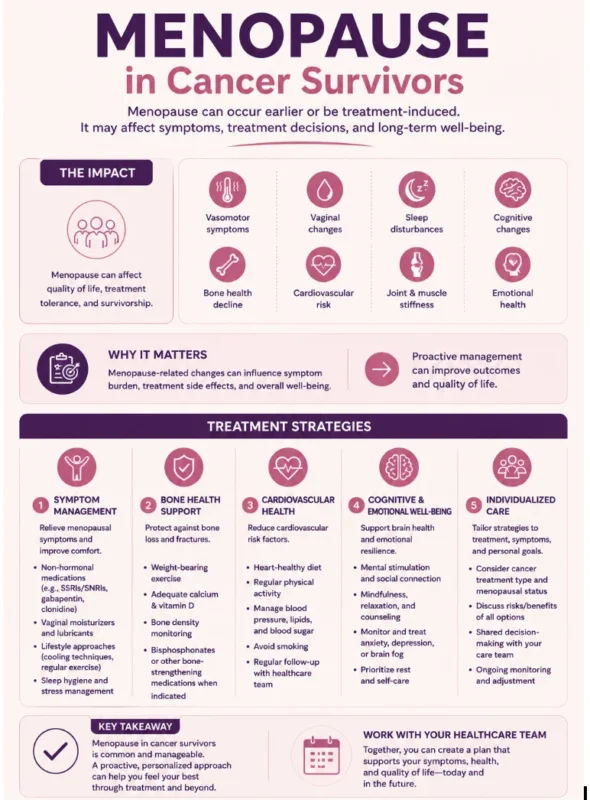
Figure 1. OncoMenopause recognizes menopause after cancer as a critical survivorship issue, highlighting the need for early recognition, personalized treatment, and integrated multidisciplinary care.
You can also read: Muna Al-Khaifi on Early Prevention and Risk Reduction in Cancer-Related Lymphedema