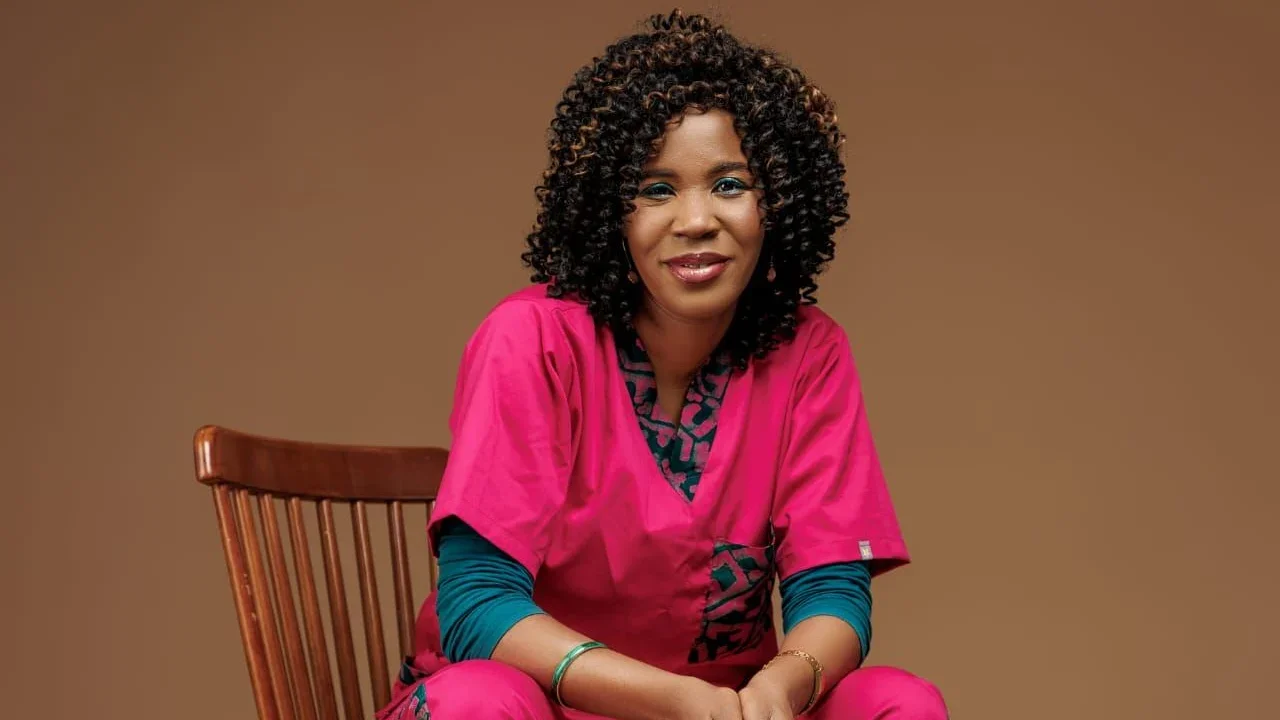
Miriam Mutebi, Breast Surgical Oncologist and Assistant Professor in the Department of Surgery at the Aga Khan University Hospital, shared a post on LinkedIn:
“How do we create a culture of safety and patient-centered care for breast cancer?
The answer? One stakeholder at a time. One conversation at a time. One system at a time.
Over the last few days, we at Aga Khan University Hospital, Nairobi, stepped back and reflected not just on treatment outcomes, but on the patient journey through our systems.
Patients do not experience care in silos but in one system. And if we are serious about improving outcomes, we must also improve how people move through care, i.e., how they are received, guided, supported, informed, reassured, and followed up.
And for us, that work starts at home.
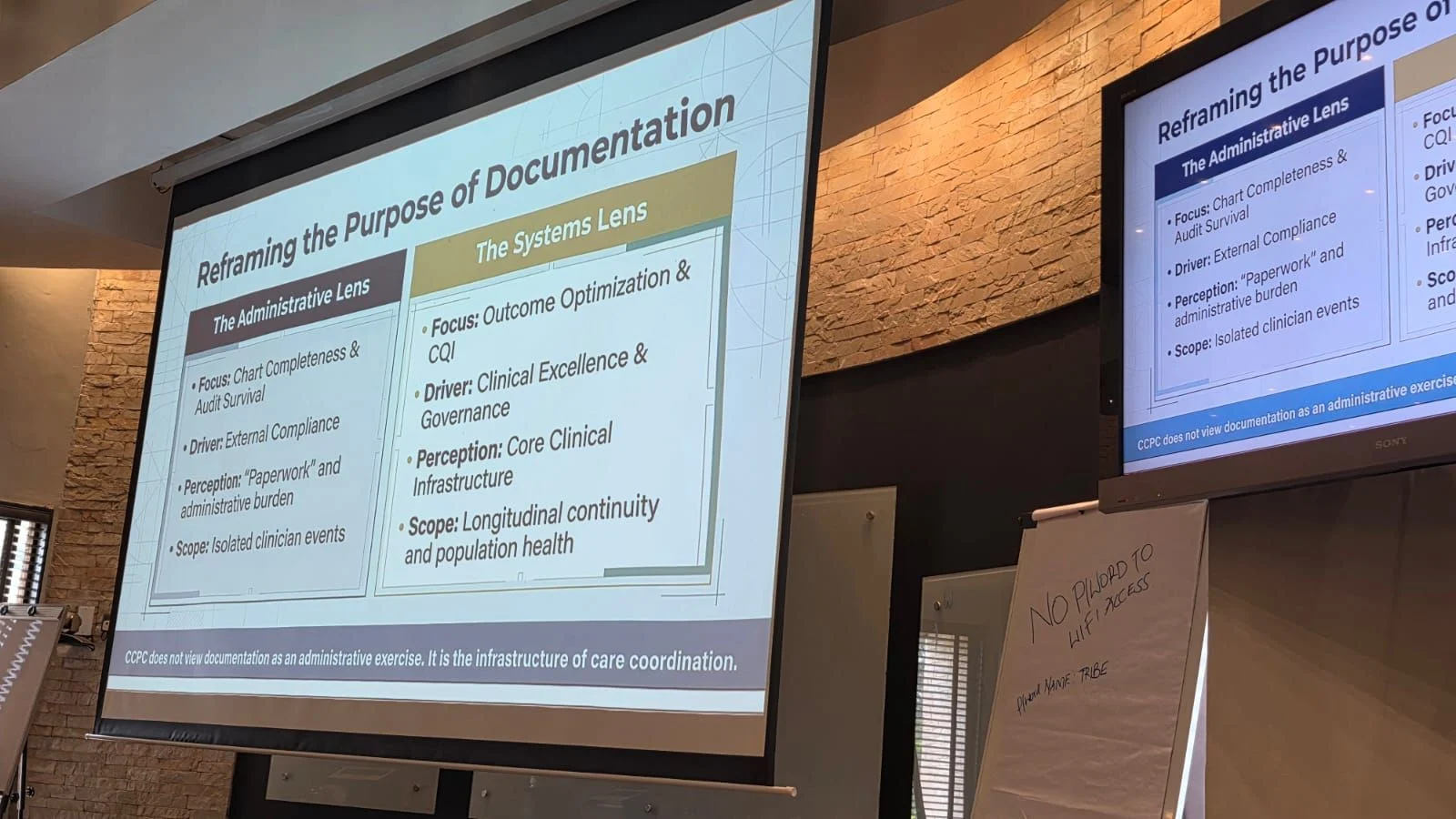
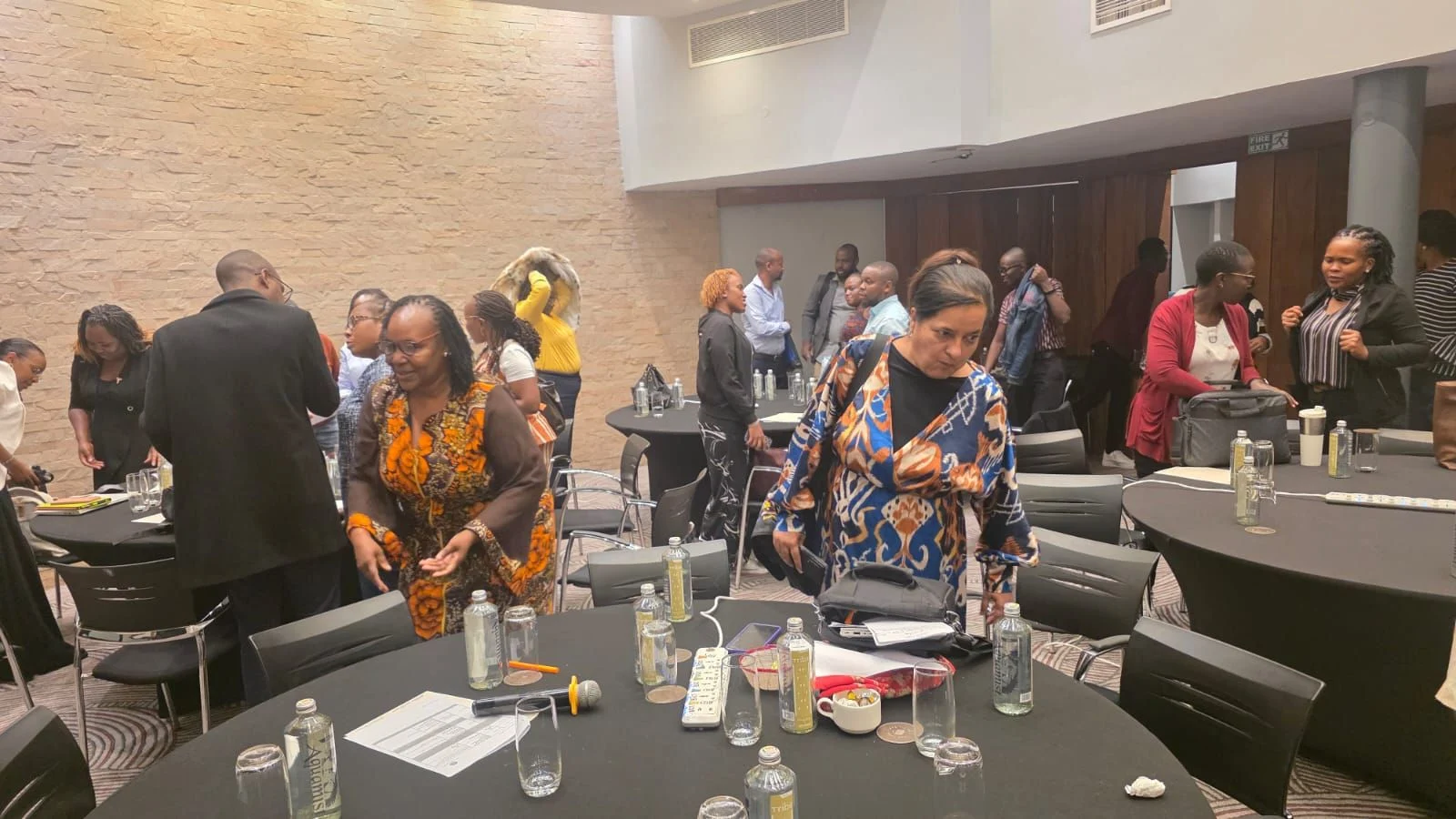
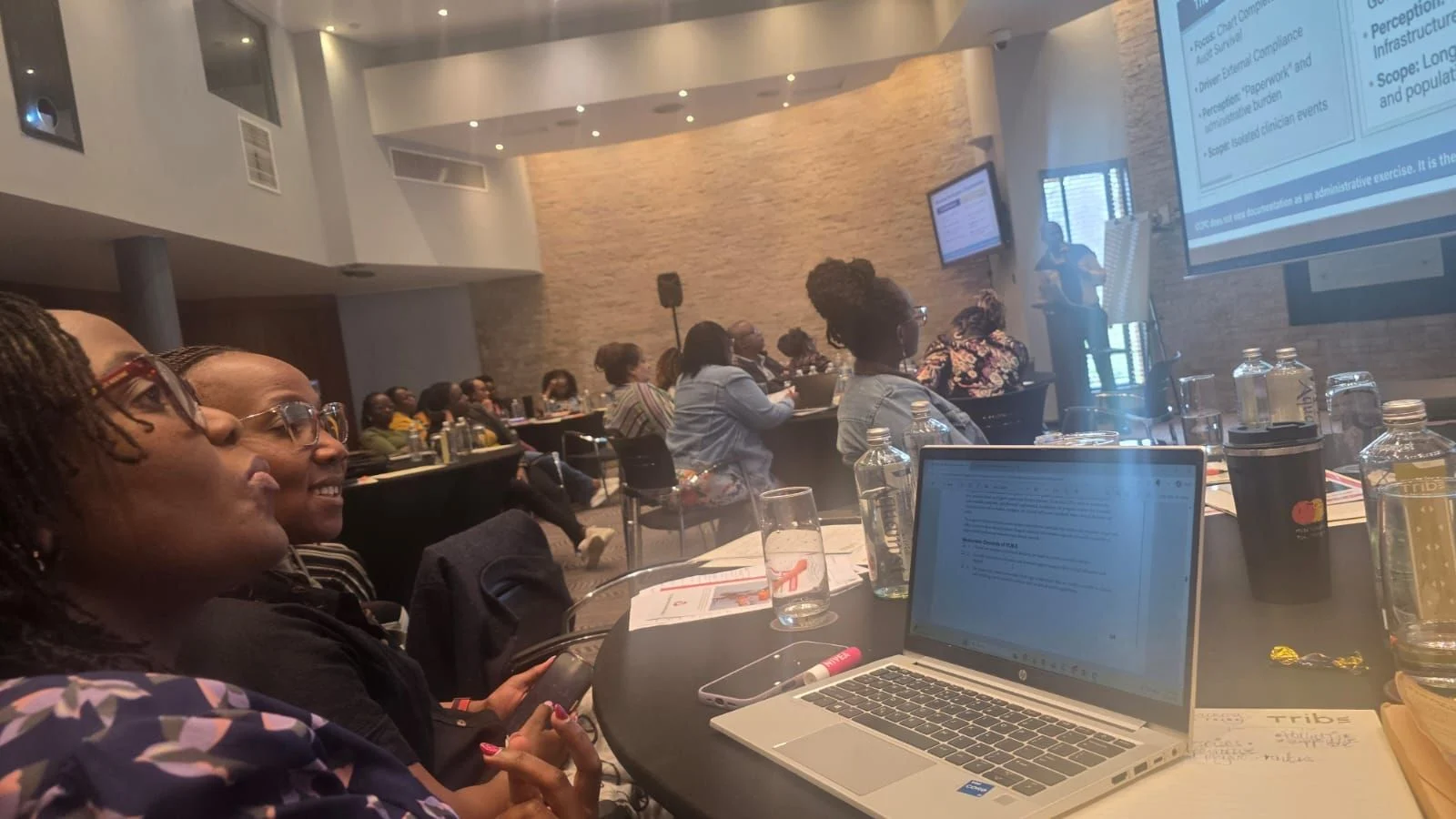
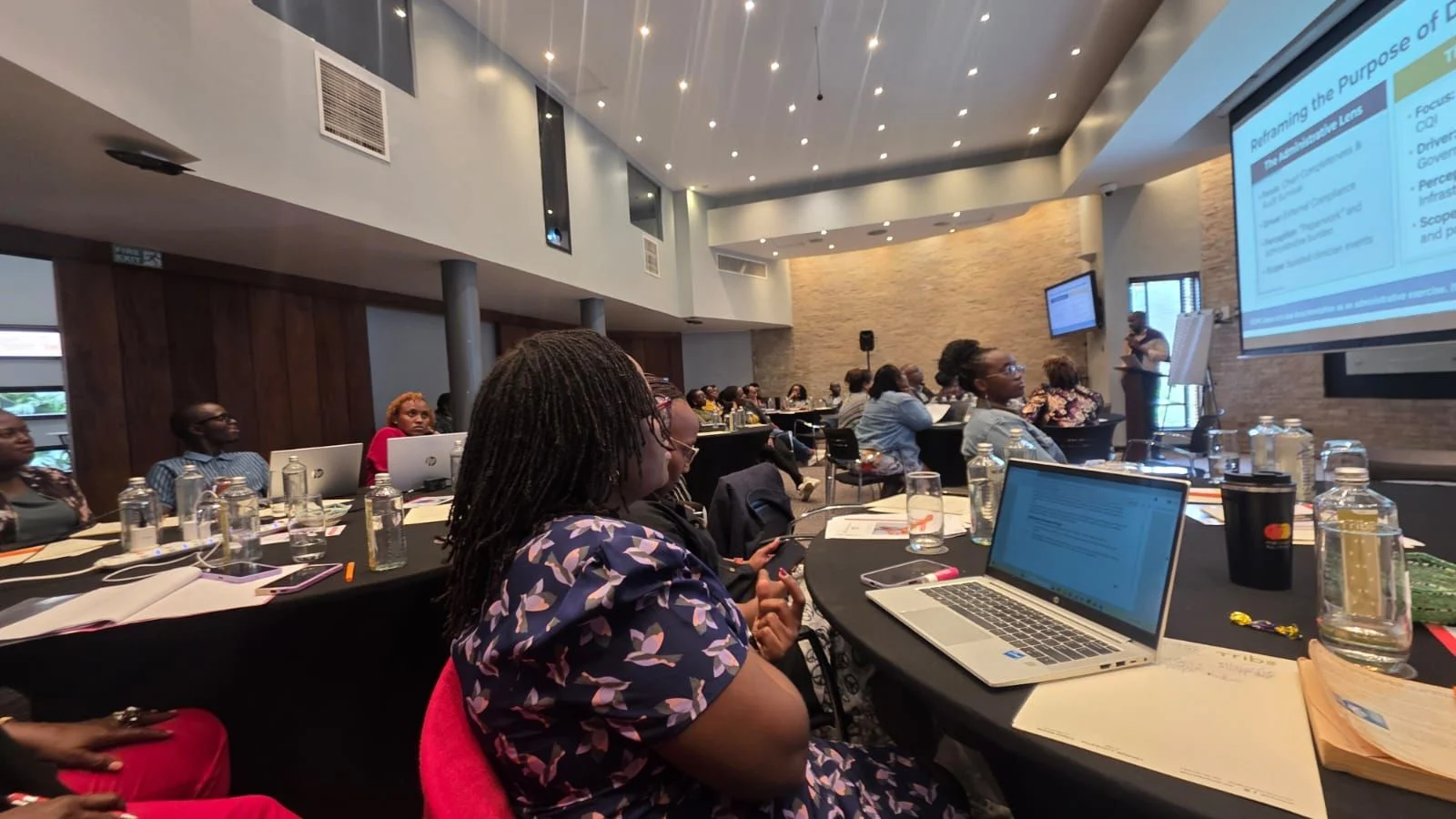
On the weekend, colleagues across surgery, medical oncology, radiation oncology, nursing, physiotherapy, pharmacy, nutrition and dietetics, psychology, electronic health records, patient navigation, quality, and outreach, to think intentionally about how to make our pathways safer, kinder, more coordinated, and more human.
Part of this work focused on developing a clinical pathway for non-metastatic breast cancer patients, the goal being to ensure that no patient feels lost within the complexity of care.
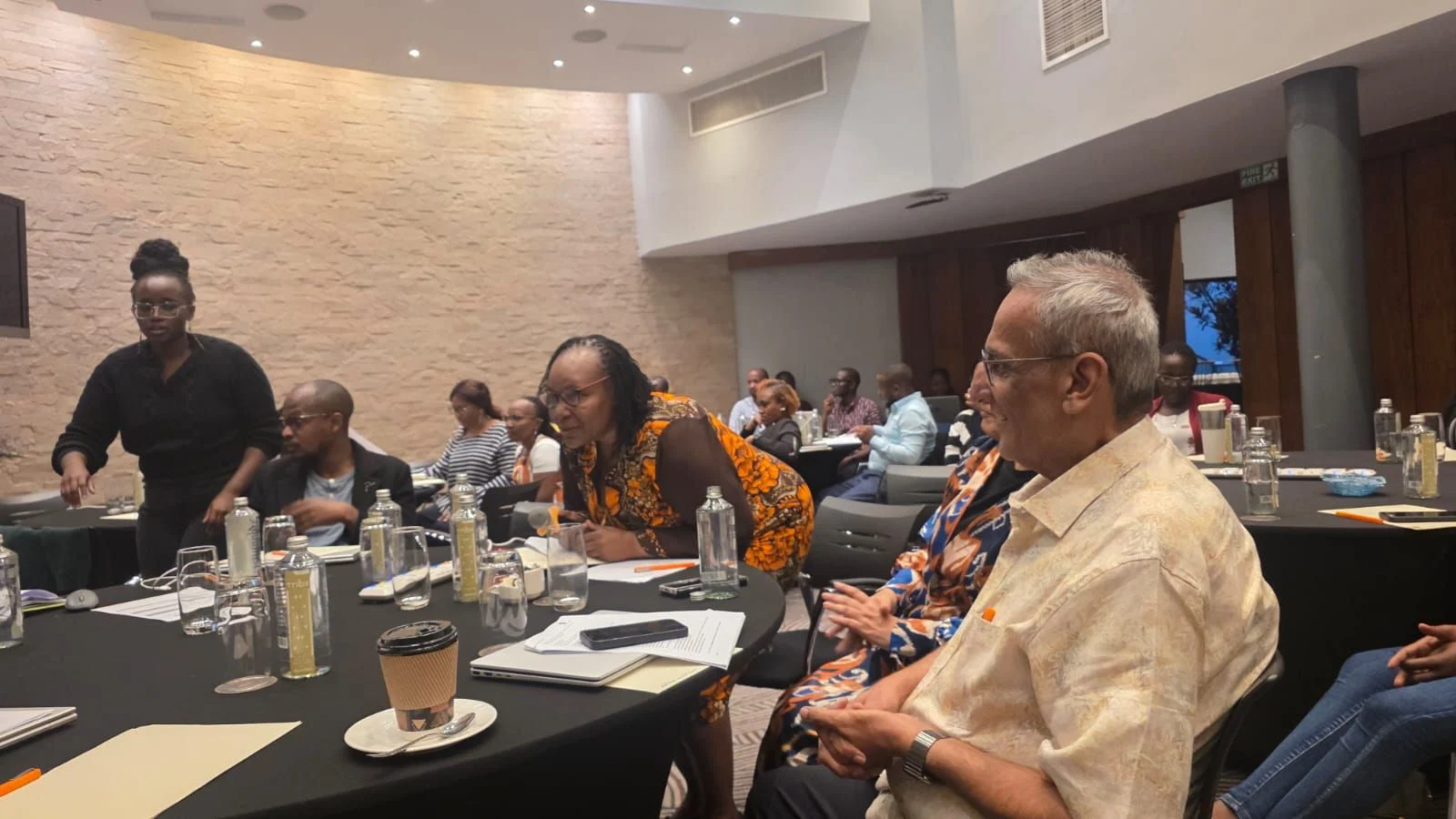
What stood out most was the shared energy in the room; a willingness to ask: HOW can we do this better for patients?
The aha moments were everywhere.
- Biomedical engineering finally understanding the urgency of shortened machine downtimes, and how delays translated directly into delays in patient care.
- EHR teams and clinicians coming together to build better tools to support patients and document care.
- Basically, teams that rarely sit in the same room, finding common ground around a shared goal.
Real culture change rarely comes from one grand intervention. It comes from many people consistently choosing to build systems that center dignity, communication, continuity, and compassion.
Certainly, patient centered care is not a slogan. It is operational work. Relational work. Systems work.
Grateful to everyone who brought their ideas, insights, and honesty to these discussions. The camaraderie and lateral thinking reminded me of something important:
PS: Yesterday was International Nurses Day. In every conversation we had on the weekend, nurses were central. They are the heartbeat of good care. To every nurse showing up in our wards, our clinics, and our communities, THANK YOU.”
Other articles about Breast Cancer on OncoDaily.