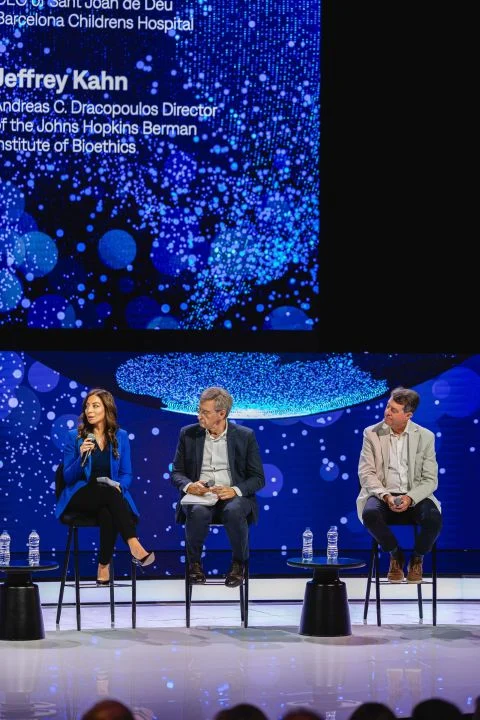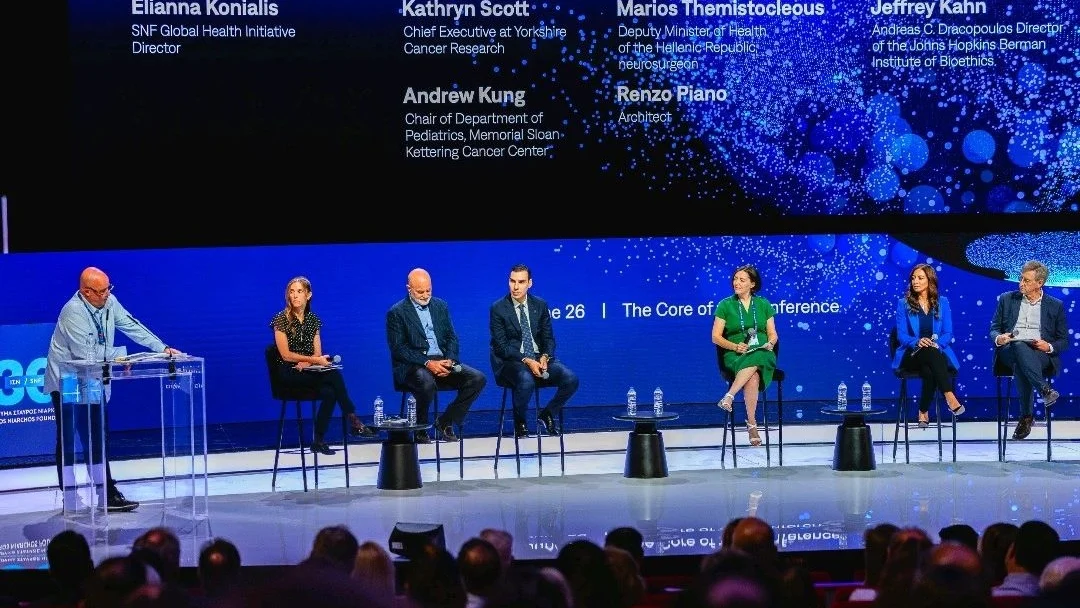
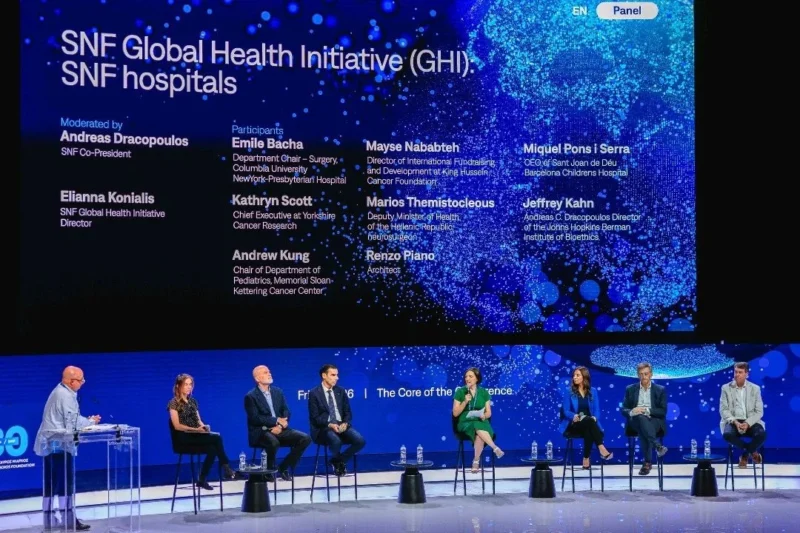
Mayse Nababteh, Director of International Fundraising and Development Department at King Hussein Cancer Foundation and Center, shared a post on LinkedIn:
“Every milestone in our story came from someone deciding that ‘this is not good enough‘.
Today, hospitals across our region have been destroyed, treatments have been interrupted, and children with cancer who should be focused on school and play are instead fighting for their lives without access to basic care.
The international community that stands on stages claiming the importance of equity has turned a blind eye to the most vulnerable in our region.
And yet, here we are, with limited resources, surrounded by conflict, and carrying one of the largest refugee populations in the world, choosing not to look inward, to conserve our resources, and say, ‘Our responsibility ends at our borders‘.
The reality is, every day, families arrive at our doors carrying children because they know they have nowhere else to go.
We could have stood back. We could have said the challenge was too great.
But that was not the decision we made.
We chose to welcome. We chose to heal. We chose dignity over indifference.
To me, that is what makes the King Hussein Cancer Foundation and Center such a reflection of Jordan.
Time and again, we, collectively, as a Foundation and a country make the same choice.
To put the human first. The child first. The refugee first. The displaced first.
To reinforce that health is a fundamental human right. That dignity, justice, and care must extend to every person, regardless of nationality, status, or circumstance.
To ensure the most vulnerable are seen, heard, and never forgotten.
Decisions quietly determine the kind of people we become, don’t they? and also the kind of institutions, countries, and societies we build.
We often speak about decisions as though they affect only the person making them. We convince ourselves that morally we are not obligated to consider others in our individual choices. They do.
Every decision restores hope, builds trust or it takes them away.
To me, health equity is, at its core, a decision. It is the decision to recognize every person’s equal worth.
Our story is proof that one decision – made with courage, conviction, and humanity- can change countless lives.
Perhaps that is the question every decision we make should begin with:
Will our choices in life lift and honor others, or selfishly leave them behind?
Deep down we already know the answer. It’s a matter of what morally we’re willing to live with.”
Other articles about King Hussein Cancer Foundation and Center and Mayse Nababteh on OncoDaily.