





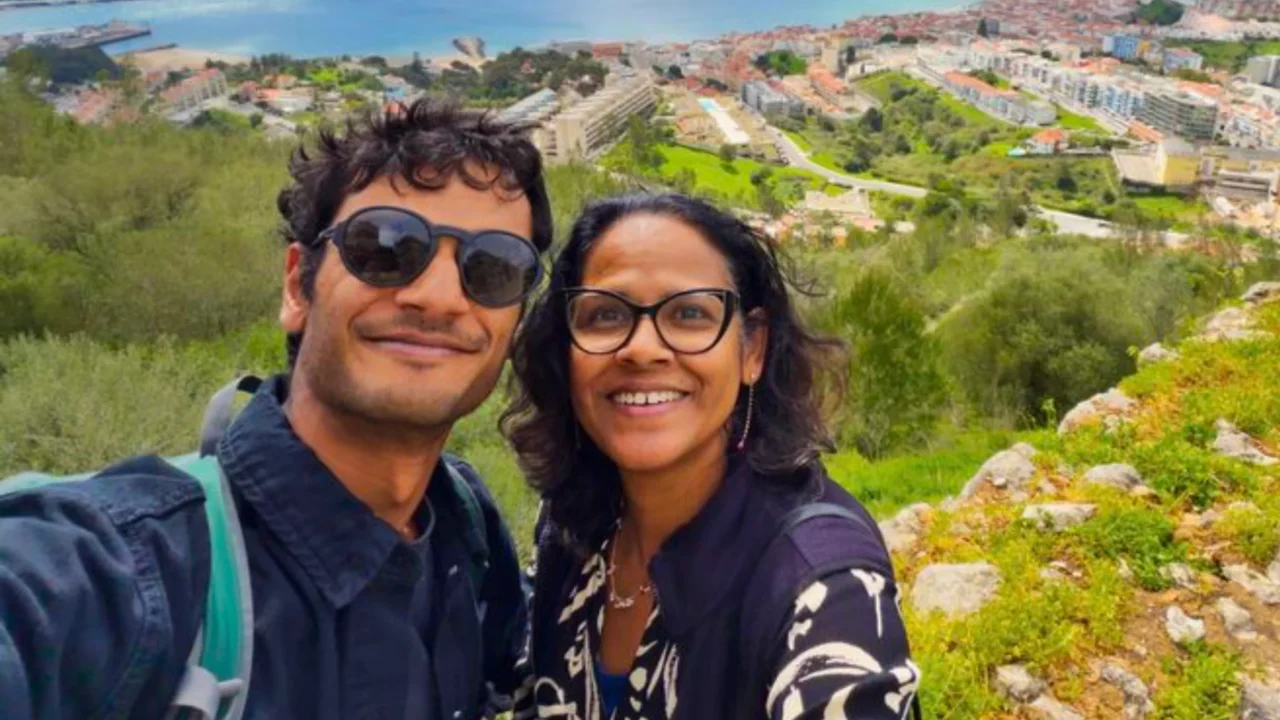
Manju George, Scientific Director at PALTOWN Development Foundation, shared a post on LinkedIn:
“March is my cancerversary month.
I want to share something powerful from a recent medical review on early-onset colorectal cancer, that I’m an author on: diagnosis often hinges on what happens in the first few months after symptoms begin.
It starts simply:
A patient notices symptoms. Such as
- Abdominal pain.
- Blood in stool.
- Persistent diarrhea.
And there is a diagnosis (or history) of Iron-deficiency anemia.
Then comes the critical moment: what happens next?
The actionable steps for patients are clear:
- Awareness – Know the signs
- Act – Do not assume “I’m too young”
- Appointment – See your primary care provider if symptoms don’t resolve within 1–2 months
On the clinician side, early diagnosis depends on:
- Recognizing symptoms
- Assessing family history
- Checking labs (CBC, iron panel)
- Considering colorectal cancer despite age
My PCP did exactly this. She did not dismiss my symptoms. She referred me promptly.
That decision likely prevented a Stage 4 diagnosis.
Get screened! Prevent colorectal cancer.”
Other articles featuring Manju George on OncoDaily.