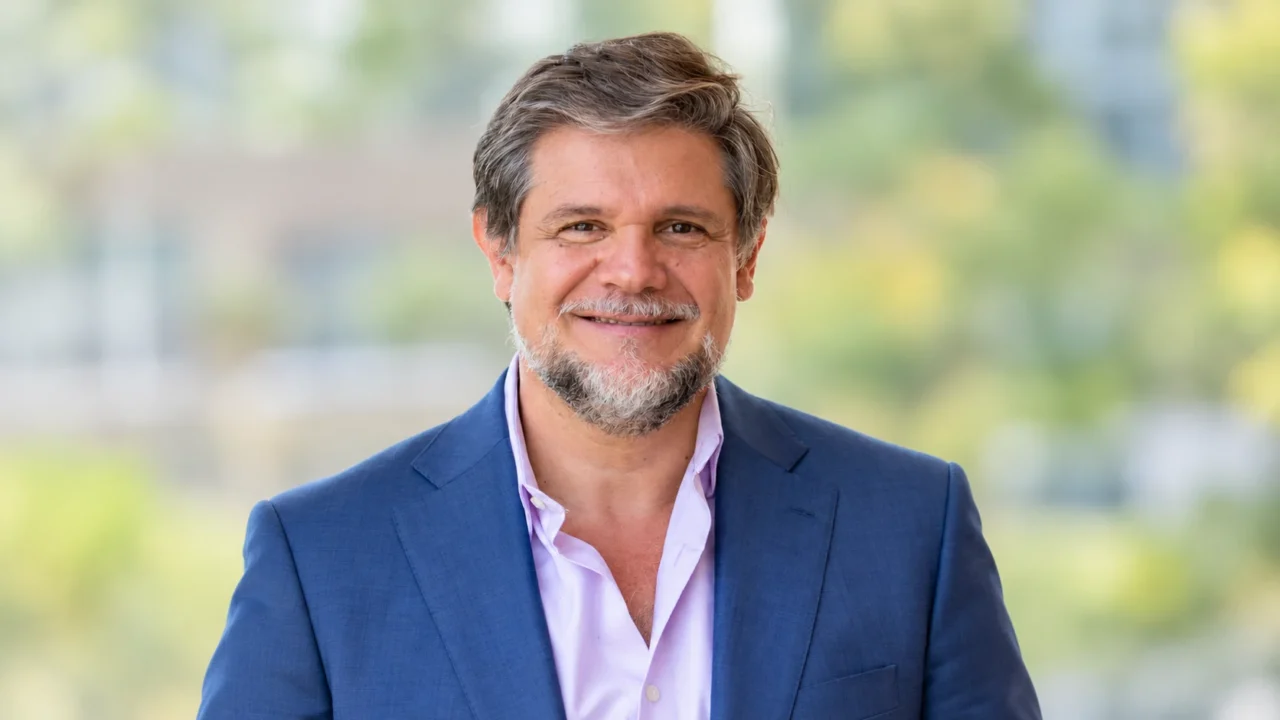
Julio Aguirre-Ghiso, Associate Director for Basic Science of MECCC at Albert Einstein College of Medicine, shared on LinkedIn:
“I’m proud to share that our P01 Program Project Grant entitled ‘Mechanisms of Early Breast Cancer Local and Distant Relapse‘ has been competitively funded through a $10 million grant from the National Cancer Institute (NCI)!
Our team’s mission is:
Understand how breast cancer cells spread early, remain dormant, and awaken years or decades later, and use that knowledge to prevent recurrence.
A central focus is ductal carcinoma in situ (DCIS), the earliest stage of breast cancer. By studying the biology of early dissemination and dormancy in this setting, we aim to uncover opportunities to intercept disease before local progression to overt disease or metastatic recurrence.
This means pursuing a critical unmet need:
Targeting the hidden cells that can survive after treatment locally or at distant sites, not just the tumor we can see.
We aim to uncover biomarkers that better inform recurrence risk and therapeutic targets to intercept dormant disease before it becomes life-threatening. Our focus is breast cancer, but the discoveries may also inform approaches to other cancers in which early dissemination and dormancy contribute to metastasis.
This is why the P01’s team-science approach matters. It brings together expertise in dormancy, gene regulation, immunology, imaging, engineering, computational biology, and patient-linked research to tackle questions no single laboratory could answer alone.
An extraordinary multi-institutional team.
I’m grateful to lead this effort with:
- Jianlong Wang and Christina Curtis focusing on early disseminated cancer genomics, epigenetic an transcriptional gene regulation, and embryo-like cell-state biology.
- David Entenberg and Miriam Merad, metastasis imaging and myeloid and immune regulation of dissemination, dormancy and awakening.
- Nathaniel Cady and David Entenberg applying nanoengineering and imaging technologies to dissect the above-mentioned mechanisms.
- Deyou Zheng, Xiaonan Xue, and Christina Curtis leveraging bioinformatics, biostatistics, and human-data integration to validate the modeling findings.
- Maja Oktay, Thomas Rohan, and Amy Trentham-Dietz leveraging pathology, epidemiology, and patient-outcome research to further validate and expand our modeling findings.
Thank you also to our external advisors – Kaylee Schwertfeger, Christoph Klein, Adrian Lee, Paolo Provenzano, Andrew Ewald, and Ragu Kalluri – and internal advisors Edward Chu, Ulrich Steidl, Wenjun Guo, Susan Fineberg, Soledad Sosa and John Condeelis.
To our trainees, research staff, collaborators, and the patients who make this research possible: thank you. And thank you to the NCI for supporting our shared goal – not only treating cancer, but preventing its return.”
You can also read: Trastuzumab Deruxtecan Secures EU Approval for Residual HER2-Positive Early Breast Cancer Following DESTINY-Breast05 Survival-Free Disease Benefit