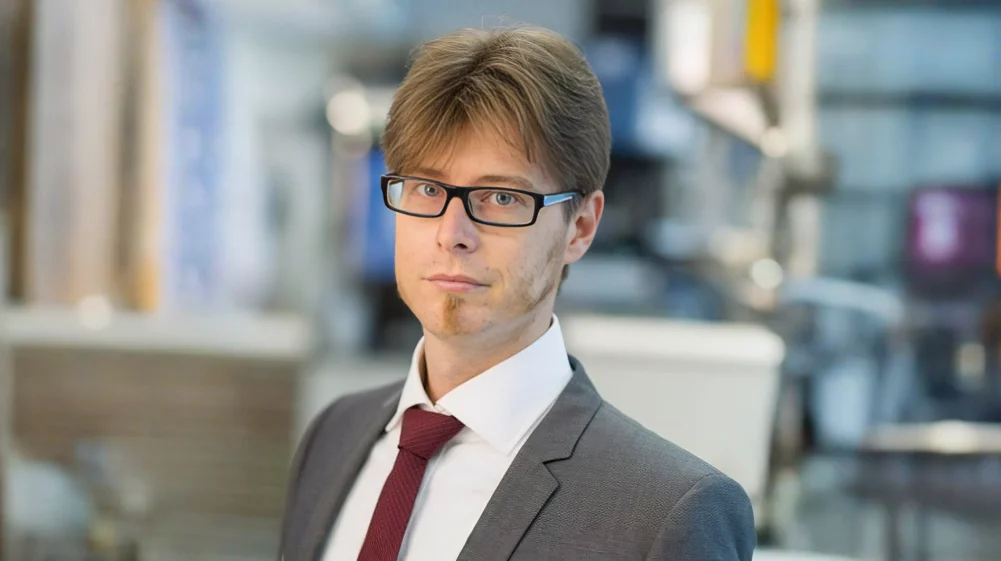
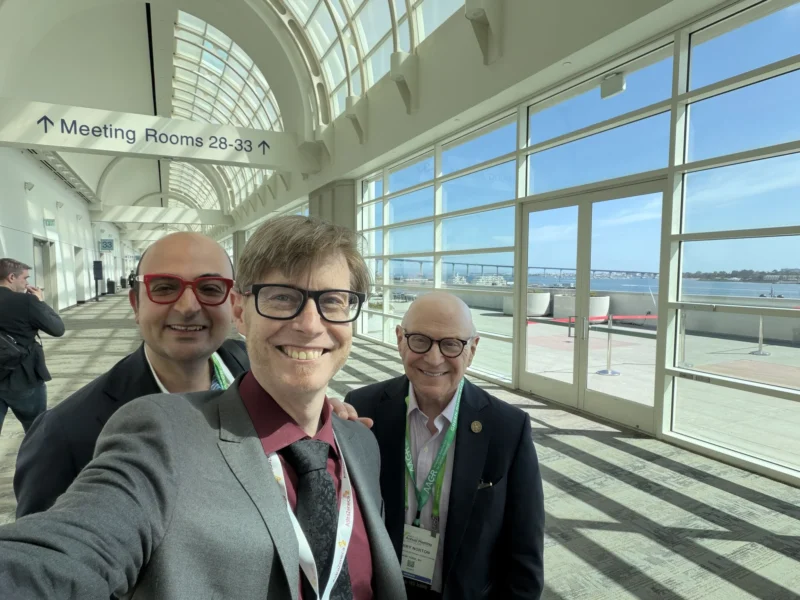
Jorge Reis-Filho, Chief of AI for Science Innovation, Enterprise AI Unit at AstraZeneca, shared a post on LinkedIn:
“AACR 2026 is a wrap. This was not the year when AI arrived, it was the year when it has become unavoidable. The inflection point is clearly behind us.
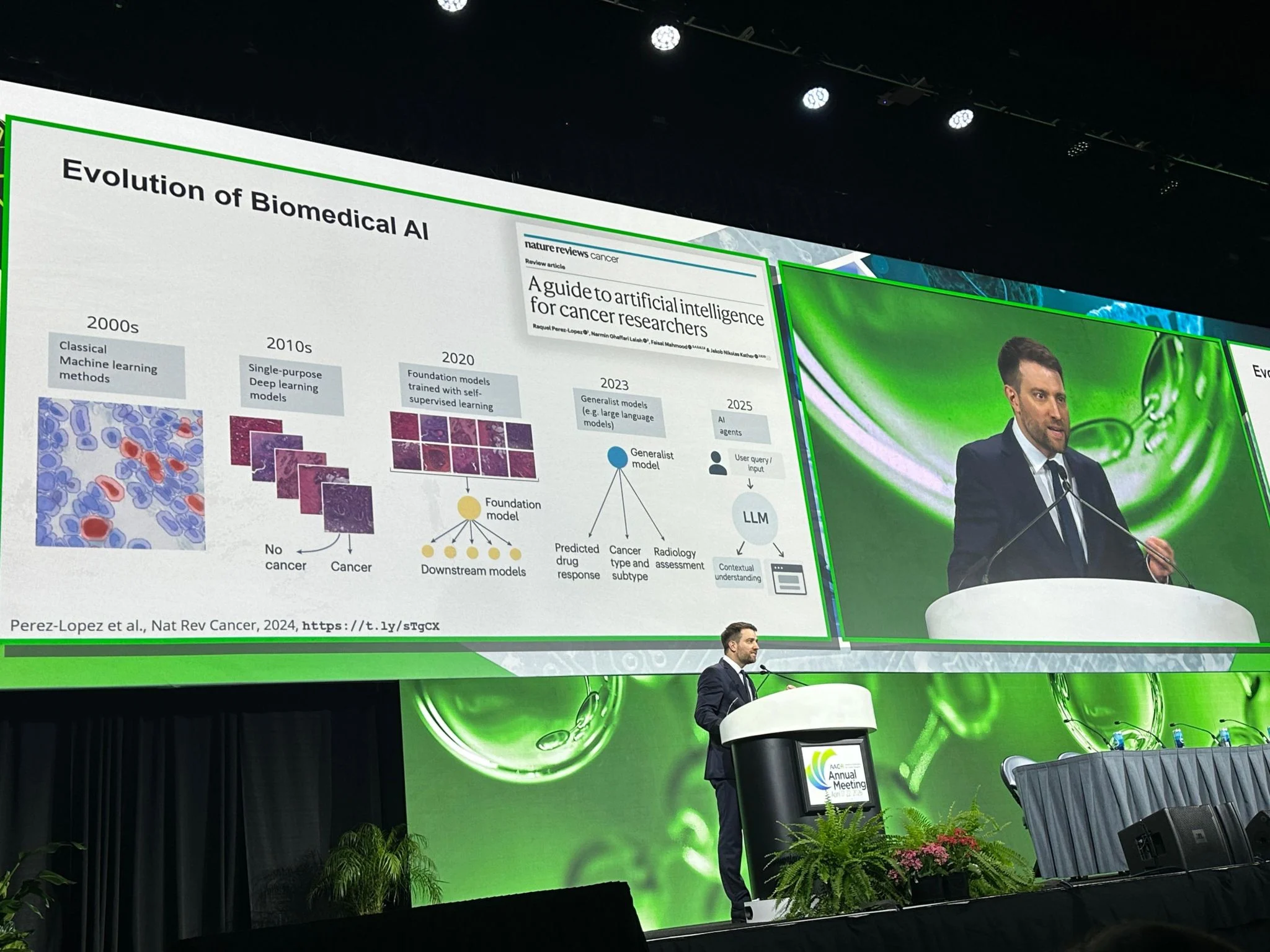
Foundation models, multimodal architectures, virtual patient representations, and agentic systems are now mainstream across oncology. We are tackling spatial biology with self-supervised learning and pulling fresh insights from data sources we thought we had already maximized.
The conversation has shifted. It is no longer “Can AI do this?” It is now “How do we use AI to extract maximum insight across oncology, rigorously, at scale, and in ways that truly transform how we understand disease and deliver better outcomes for the people who matter most: our patients?”
A few predictions coming out of the congress:
- Computational pathology has moved beyond feasibility studies. Clinical utility, rigorous validation, and seamless integration into real decision-making are now the focus.
- Building models that deliver superintelligence is no longer theoretical. The real work ahead is defining what we do with them, creating the right evaluations and benchmarks, and validating them so clinicians, patients, and regulators can trust them completely.
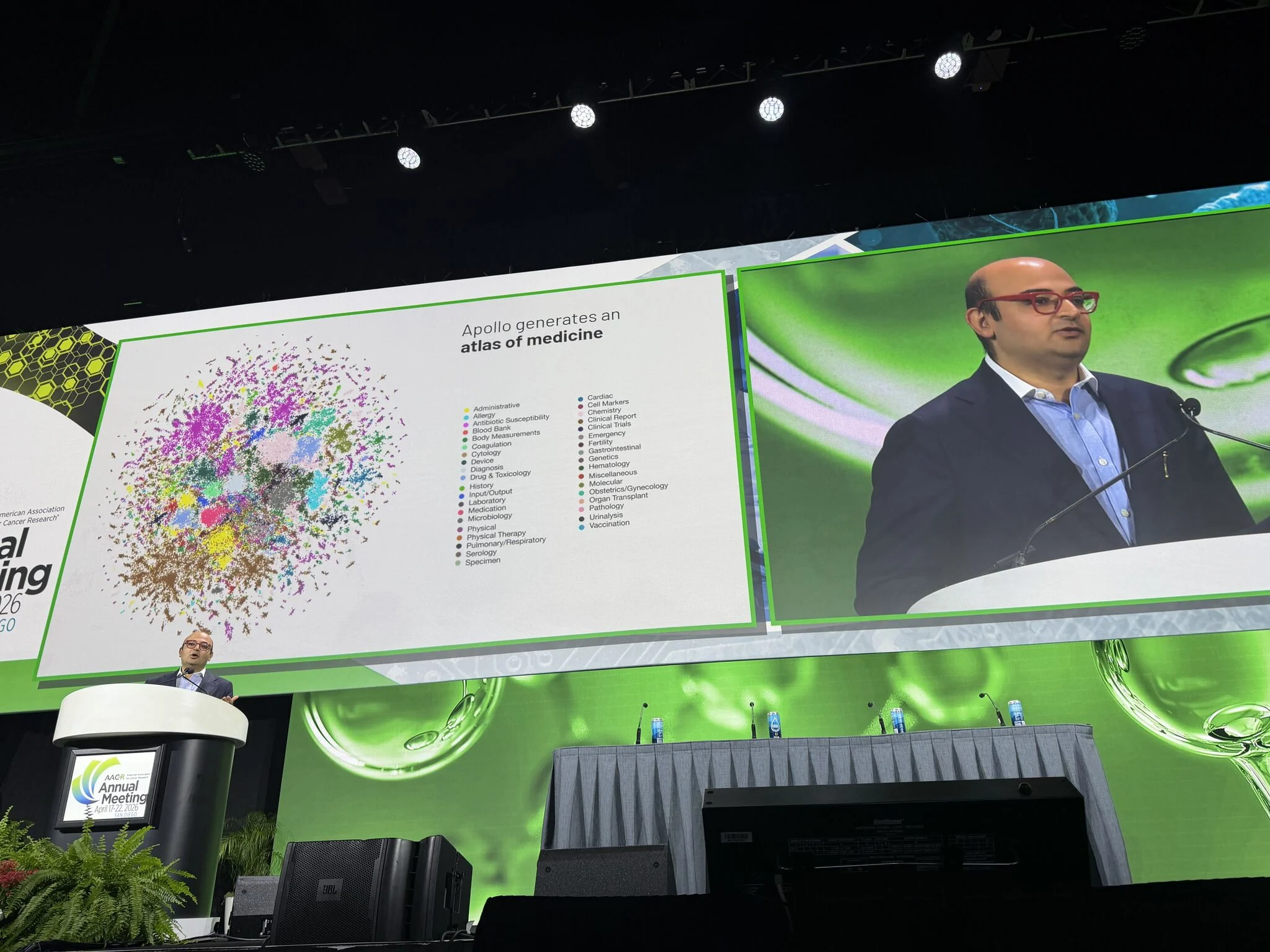
- Multimodal is rapidly becoming reality, but it is not fully there yet. APOLLO, the healthcare system-scale multimodal temporal foundation model from the Mass General Brigham team, is a major leap forward. Foundation models in medicine must ultimately integrate the complete patient: a slide, a report, a genomic profile, and the full trajectory unfolding over time. Medicine is temporal and our models are now beginning to incorporate time as a first dimension in multimodal embeddings.
I am incredibly grateful for the deep and immensely thoughtful conversations throughout the week with Faisal Mahmood, Jakob Nikolas Kather, Christina Curtis , Bo Wang , Eric Durand, Larry Norton, Sizun Jiang, Danielle Bitterman, Jacob Stern, Kanyi Maqubela, Celestine “Cee Cee” Schnugg, Michelle Lee, Steve Jang and so many others. These exchanges on where the field is headed, what the real bottlenecks are, and where the next inflection points will come from are what keep pushing this entire community forward.
We are closer than ever to a truly computable understanding of human health and disease through single patient representations. The pace is extraordinary.
It is now on all of us to move with high conviction, leveraging these unprecedented AI advances to deliver impactful, safe and responsible solutions for patients.
Together, we will realize our bold ambition in oncology: to eliminate cancer as a cause of death.
What was your biggest takeaway from AACR 2026?”
Other articles featuring Jorge Reis-Filho on OncoDaily.