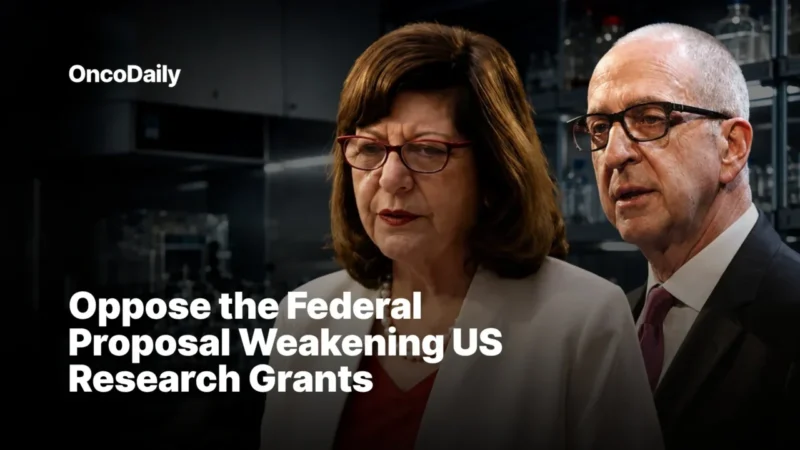
Heather Pierce, Senior Director for Science Policy; Regulatory Counsel at AAMC, shared a post by AAMC, adding:
“It is rare that a single federal action energizes the research community as much as the OMB proposed rule on federal financial assistance has.
I’m very proud of the comments from AAMC that we submitted today. We heard from so many of you about what concerned you and what you wanted the OMB to hear from us. We heard you and worked hard to represent you in our response.
Was I hoping we could be comment 100,000? A little bit. But knowing we were joining 98,972 others was just as exciting. Join in: 45 days is flying by but there’s still time to comment by 11:59 pm on Monday.”
Quoting Association of American Medical Colleges (AAMC) shared on LinkedIn:
“Today the AAMC submitted a comment letter to the Office of Management and Budget (OMB) regarding a proposed rule that seeks to overhaul the Uniform Guidance, a framework that governs federal financial assistance awards including all federal research grants.
In its letter, the AAMC emphasizes its deep concern about the impact of these proposed regulations on science, patients, and the academic medicine community. The association strongly urges the OMB to rescind the proposal in its entirety.
‘American science survives changes in politics because of the guardrails Congress and the executive branch have historically left in place,’ wrote David J. Skorton, MD, AAMC President and CEO, in a recent STAT First Opinion article. ‘I have never seen a threat to those guardrails like the one now sitting on the table at the Office of Management and Budget.’
As a whole, the proposed rule fails to demonstrate how the revisions would meaningfully improve the current system for the awarding, oversight, and management of federal financial assistance, and in fact, would introduce ambiguity and instability into processes on which recipients and the American public currently rely. The OMB proposal could:
- Hinder agencies’ ability to fund the most promising scientific research.
- Disincentivize researchers from proposing groundbreaking science for fear the research could be terminated at any time.
- Disrupt existing and future research-accelerating collaborations.
- Threaten enrollment in clinical trials or leave patients without options if the research is terminated.

You can also read: