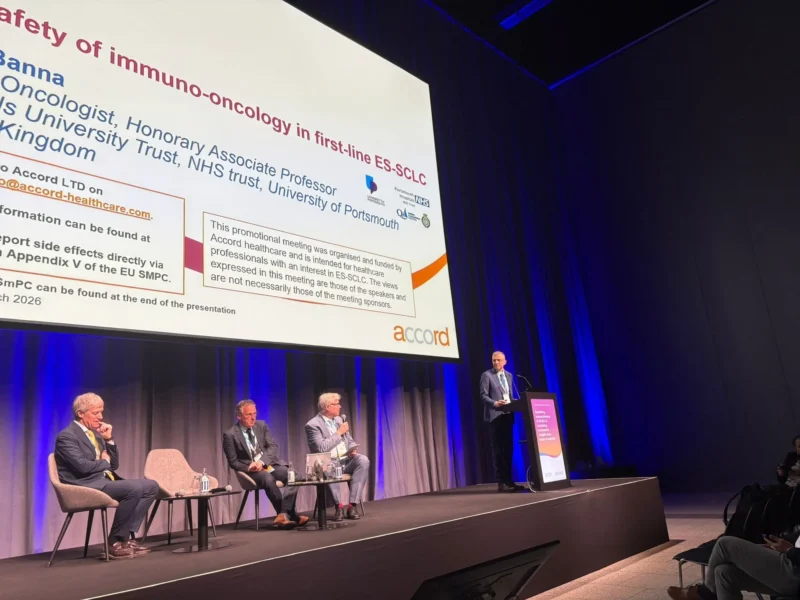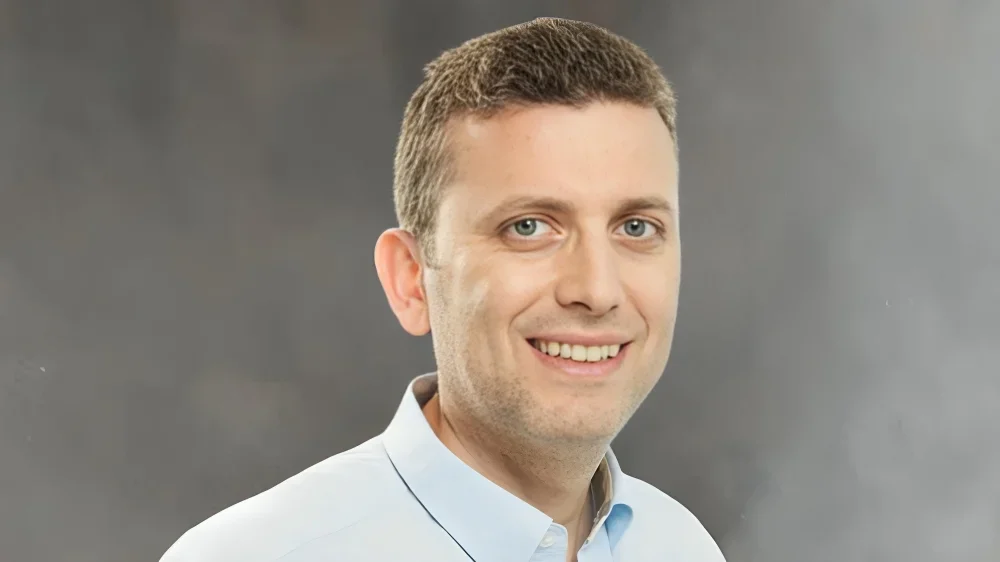
Giuseppe Banna, Consultant Medical Oncologist at Portsmouth Hospitals University NHS Trust, shared a post on LinkedIn:
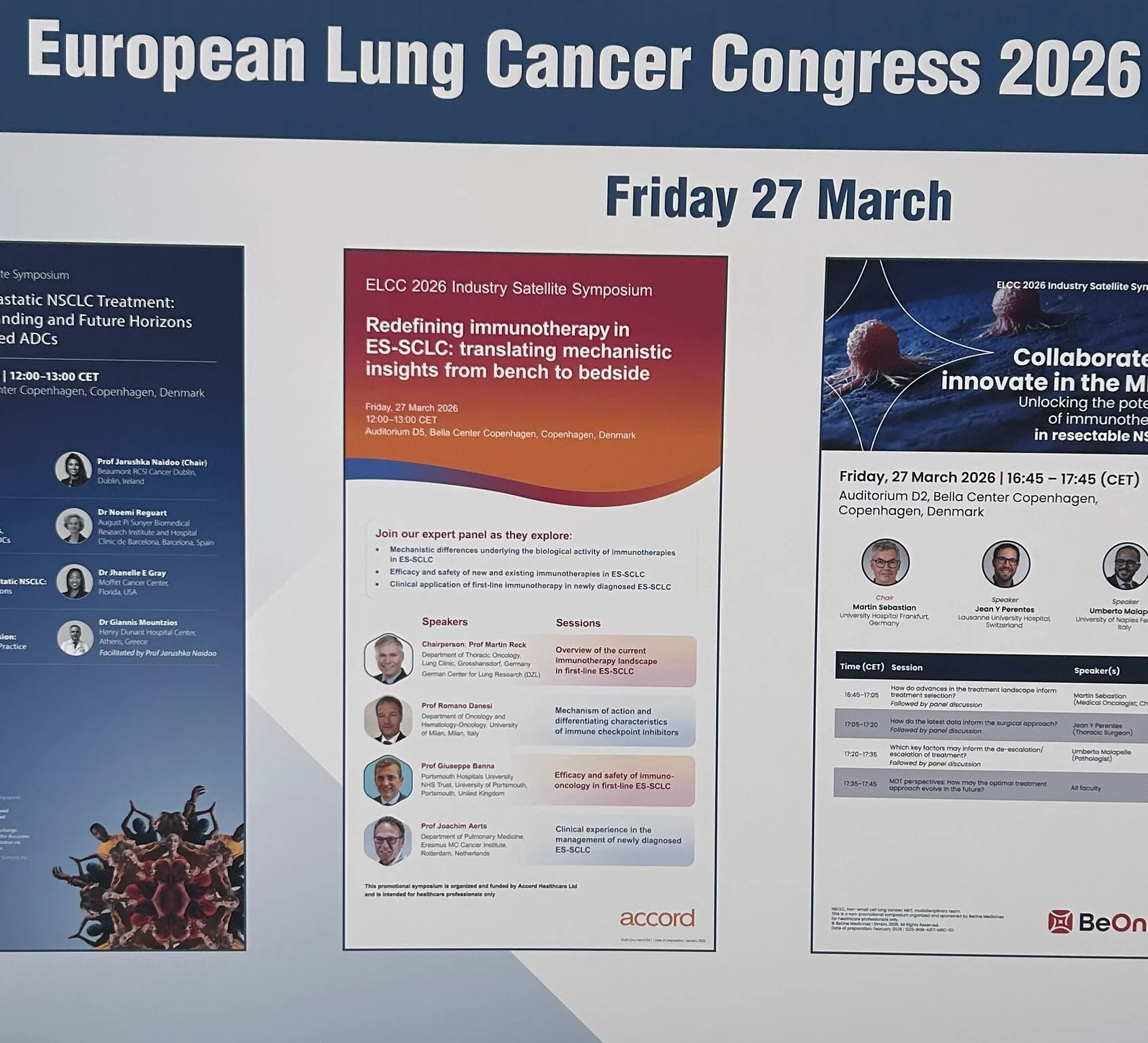
“It was a true privilege to participate in the recent symposium organized by Accord at ELCC2026 joined by esteemed colleagues Martin Reck, Romano Danesi, and Joachim Aerts. We delved into a crucial yet under-explored topic: the distinct therapeutic profiles of anti-PD-1 vs. anti-PD-L1 agents in lung cancer.
Focusing on Extensive-Stage Small Cell Lung Cancer (ES-SCLC), the updated 4-year data from the ASTRUM-005 trial with serplulimab plus chemotherapy (carboplatin/etoposide) are practice-changing. The results showed a median overall survival benefit of nearly 5 months-a significant step up from the ~2 months typically observed with other anti-PD-L1 or PD-1 agents.
Key takeaways from our discussion:
- The ‘One Shot’ Window: Most SCLC patients do not reach second-line therapy. Offering the most efficacious first-line treatment is a clinical imperative.
- Long-term Survival: Serplulimab demonstrated a 22% 4-year survival rate compared to 7% with chemotherapy alone, shifting the prognosis of this aggressive disease.
- Biological Heterogeneity: Not all ICIs are created equal. Inter-class and intra-class differences-driven by unique pharmacokinetic and pharmacodynamic properties-impact both efficacy and toxicity. This includes the emerging role of PD-L2 blockade in the PD-1/PD-L1 axis.
As we look toward future combinations with novel ADCs and anti-DLL3 agents, understanding that ‘not all checkpoints are equal’ will be fundamental to optimizing patient outcomes.”