


Gilberto Lopes, Chief of the Division of Medical Oncology at the Sylvester Comprehensive Cancer Center, shared on LinkedIn:
“A serious illness should not mean financial ruin.
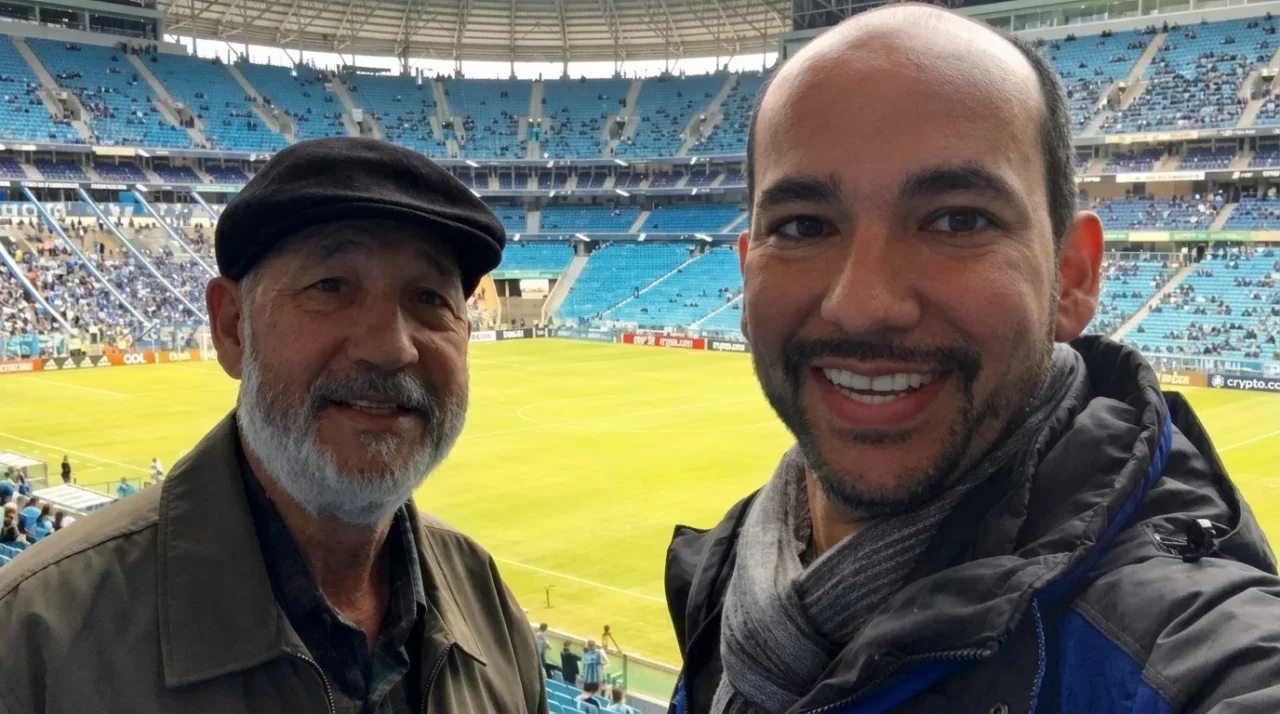
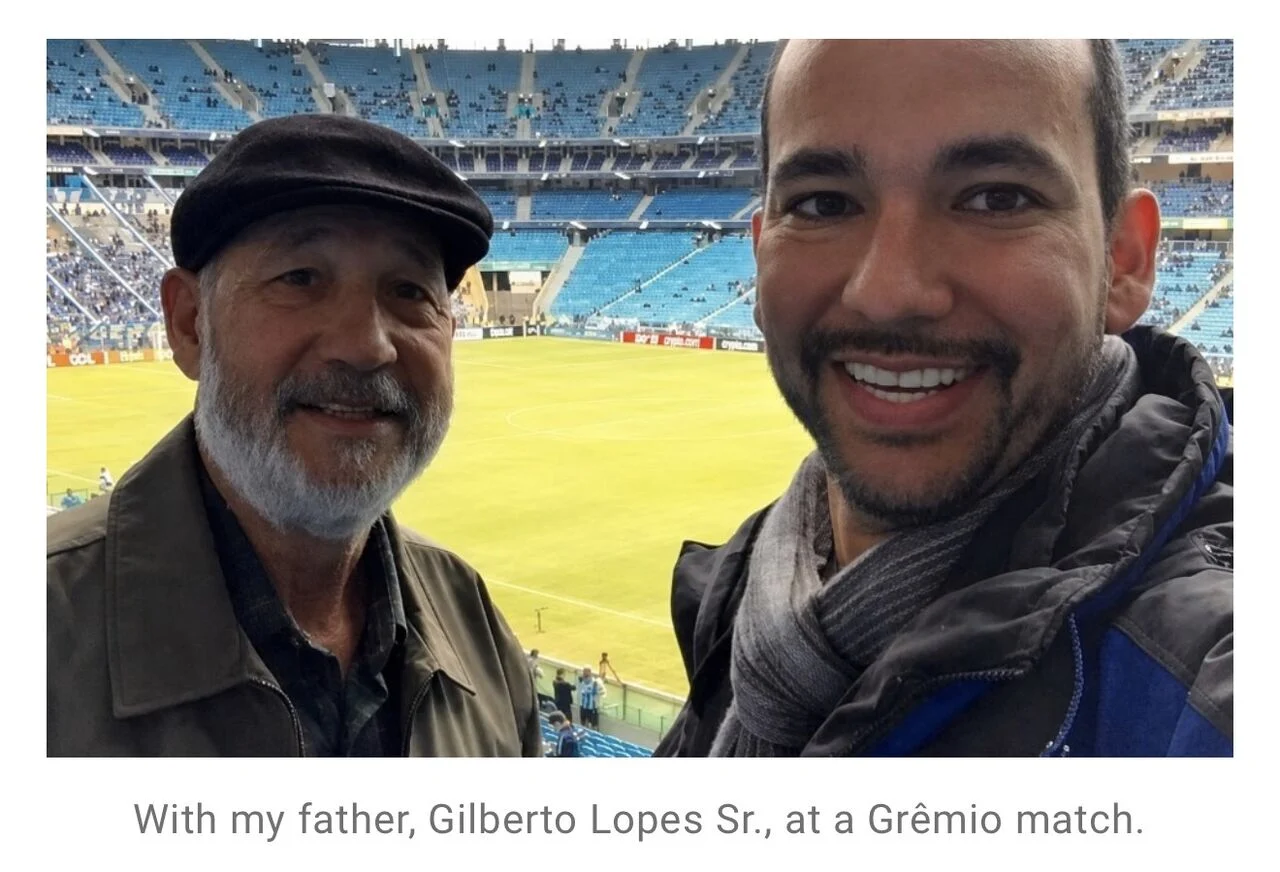
This is a picture of my father and me at a Grêmio soccer match in Porto Alegre, Brazil. It brings back many memories.
For most of my teenage years, my family worked together selling newspapers and magazines at our small newsstand. By coincidence, it was just a block away from the teaching hospital where I would later work as a resident physician.
My father worked hard throughout his life. He was eventually diagnosed with colon cancer and, later, gastric cancer, which took his life.
He received his cancer care through Brazil’s public healthcare system, the SUS (Sistema Único de Saúde). Our family had many worries during those years, but paying enormous medical bills was not one of them.
I have thought about that experience often during my career as an oncologist, particularly since moving back to the United States ten years ago.
Brazil’s system is far from perfect. Access can be difficult, waiting times can be long, and many of the newer cancer treatments that I have helped develop or study, including targeted agents and immunotherapies, are not readily available to patients who depend on the SUS.
‘Universal coverage does not automatically mean access to the best available care.’
But the principle behind the system is important: serious illness should not expose a family to financial ruin.
Here in the United States, we have extraordinary medical innovation and some of the best cancer centers in the world. Yet patients can still face substantial deductibles, copayments, coinsurance, and medical debt, even when they have insurance.
A study published this year in Health Affairs documented growing patient cost-sharing burdens for hospital care. And a recent Commonwealth Fund survey found that 30% of working-age adults who had insurance throughout the year were underinsured.
As a physician, I see the consequences of these financial pressures. As someone who has also experienced cancer in my own family, I understand how much patients and their loved ones already have to carry.
We can and should debate how best to finance healthcare, how much individuals and governments should contribute, and how to control costs without compromising innovation.
But I believe we should be able to agree on one principle: a diagnosis of cancer or another catastrophic illness should not threaten a family’s financial survival.
‘We need insurance that actually insures people against catastrophic financial risk.’
That means reconsidering high cost sharing for serious illnesses, strengthening out-of-pocket protections, and ensuring that access to treatment is not determined by a family’s ability to absorb enormous medical bills.
My father did not survive his cancer. But his illness did not drain his hard won savings.
That protection should not be a privilege.
It should be one of the fundamental purposes of health insurance.”
You can also read: Gilberto Lopes: Health Care Reform – Less Ideology, More Evidence