


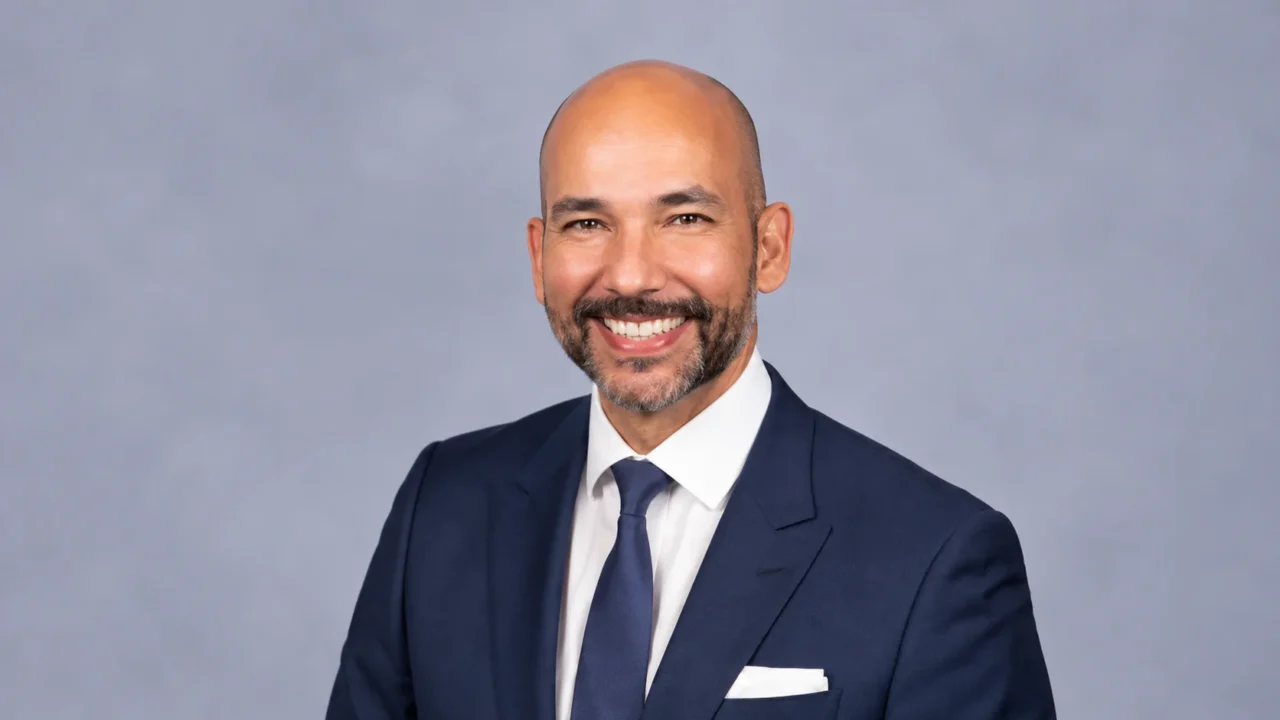
Gilberto Lopes, Chief of the Division of Medical Oncology at the Sylvester Comprehensive Cancer Center, shared on LinkedIn:
“Health Care Reform: Less Ideology, More Evidence
Health care affordability is the issue I hear about most – both in person and online.
As an oncologist, I see what this means for patients and families. High premiums, deductibles, expensive medicines, medical debt, and delayed treatment can turn a cancer diagnosis into a financial crisis.
The United States spends more on health care per person than any other wealthy country. Yet many Americans struggle to afford care.
How should we reform the system? Three perspectives offer solutions.
1. The pro-market approach – Cato Institute
Cato argues that government intervention, tax distortions, and regulatory barriers contribute to high prices.
Its proposals:
- • Reduce licensing barriers to increase competition.
• Expand insurance choices and individual control over spending.
• Reform tax incentives favoring employer-sponsored insurance.
Competition could lower prices and improve access. But deregulated insurance could mean inadequate benefits, adverse selection, and greater financial exposure for seriously ill patients.
2. The government-centered approach – People’s Policy Project
This framework proposes Medicare for All, replacing fragmented insurance with universal publicly financed coverage.
Its proposals:
• Universal coverage.
• Minimal patient cost-sharing.
• Public price negotiation.
Potential benefits: continuous coverage, financial protection, and purchasing power. Challenges: financing, transition, and decisions about covering costly innovations.
3. The incremental approach – Urban Institute
Rather than replacing existing insurance, Urban researchers propose building on the ACA to achieve universal coverage.
Its proposals:
• Expand insurance subsidies.
• Automatically enroll eligible people.
• Address excessive hospital and provider payments.
This could expand coverage while preserving insurance arrangements. But public spending, provider resistance, and administrative complexity remain concerns.
What does this mean for people living with cancer?
Consider someone needing a $200,000 treatment who loses employment during therapy or finds an essential medicine isn’t covered.
Lower premiums alone won’t solve that problem. Nor will universal insurance if necessary treatments remain inaccessible.
We should judge every proposal against the same criteria:
- Access and quality: timely, evidence-based care.
- Affordability and financial protection: treatment without catastrophic family costs.
- Sustainability and innovation: medical advances without unsustainable expenditure.
Who benefits? Who pays? Who is left behind?
Markets, public financing, and regulation are tools – not ends in themselves.
We need a serious national debate grounded in evidence, not ideology. Patients deserve solutions, not political victories.
Which reforms offer promise – and what evidence should guide decisions?”
Other articles featuring Gilberto Lopes on OncoDaily.