





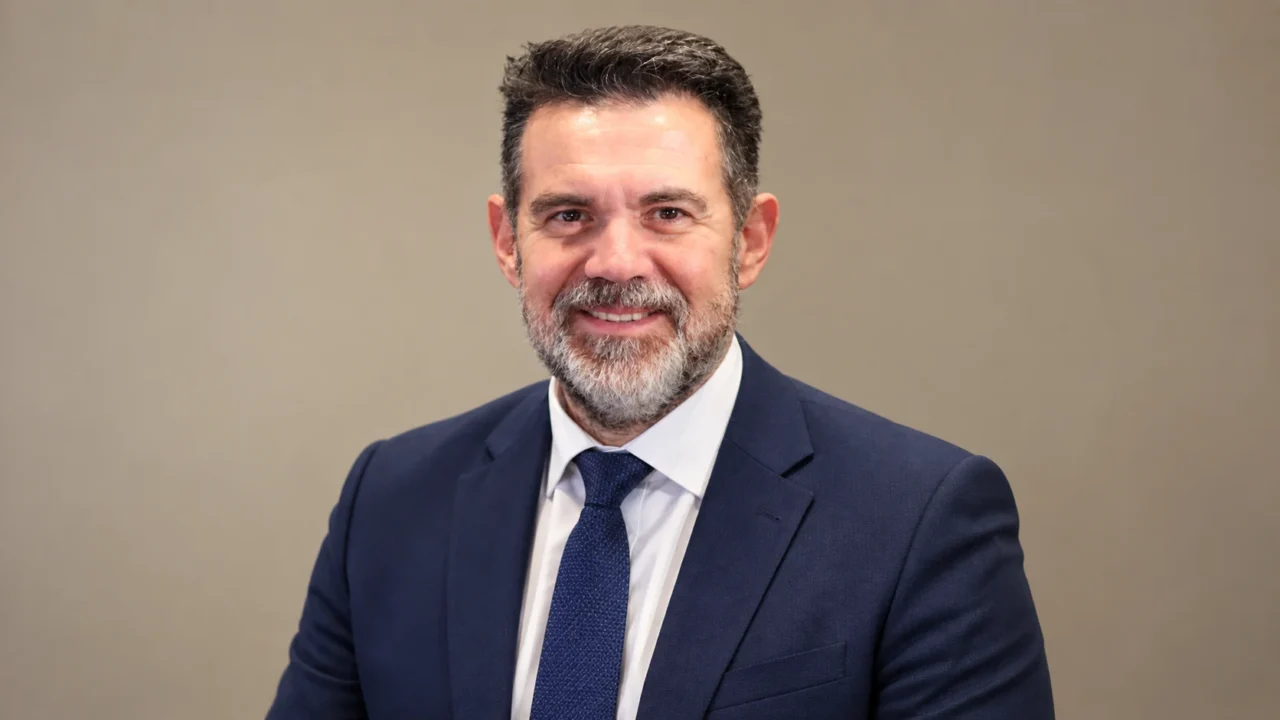
George Kapetanakis, President of the Hellenic Cancer Federation – ELLOK, shared on LinkedIn:
“Europe cannot afford to lose the momentum it has built in cancer care.
As negotiations on the next EU Multiannual Financial Framework (2028–2034) progress, the European cancer community shares responsibility for ensuring that health and cancer remain strategic European priorities.
In my contribution to Rapporteur, I highlight two closely interconnected needs: dedicated and predictable funding for health and cancer, and a governance framework capable of recognising health priorities and translating investment into meaningful outcomes for citizens. Without these safeguards, we risk undermining years of investment, collaboration and progress achieved through Europe’s Beating Cancer Plan.
For Greece, particularly at a time when we are developing our National Cancer Control Plan, this is a matter of strategic importance. Greece has both a strong interest and an opportunity to play an active role in shaping the future of European health policy. Investing in health is not simply a social obligation. It is an investment in Europe’s competitiveness, resilience, economic prosperity and social cohesion.
Our collective ambition should now be to turn European achievements into sustainable national policies that reduce inequalities and improve outcomes for patients.
The decisions taken today will shape cancer care in Europe for years to come.
Read the full article in Rapporteur.”
About George Kapetanakis
George Kapetanakis is President of the Hellenic Cancer Federation (ELLOK), which brings together cancer patient organizations across Greece. Drawing on his own experience with cancer, he has become actively involved in patient advocacy and healthcare policy.
- He has been working with ELLOK since 2015 to strengthen the role of cancer patients and their organizations.
- He is also a Board Member of All.Can International, contributing to wider efforts to improve cancer care across Europe.
- George Kapetanakis’s work focuses on improving access to treatment, addressing inequalities in cancer care and ensuring patients have a say in healthcare decisions.
You may also be interested in: