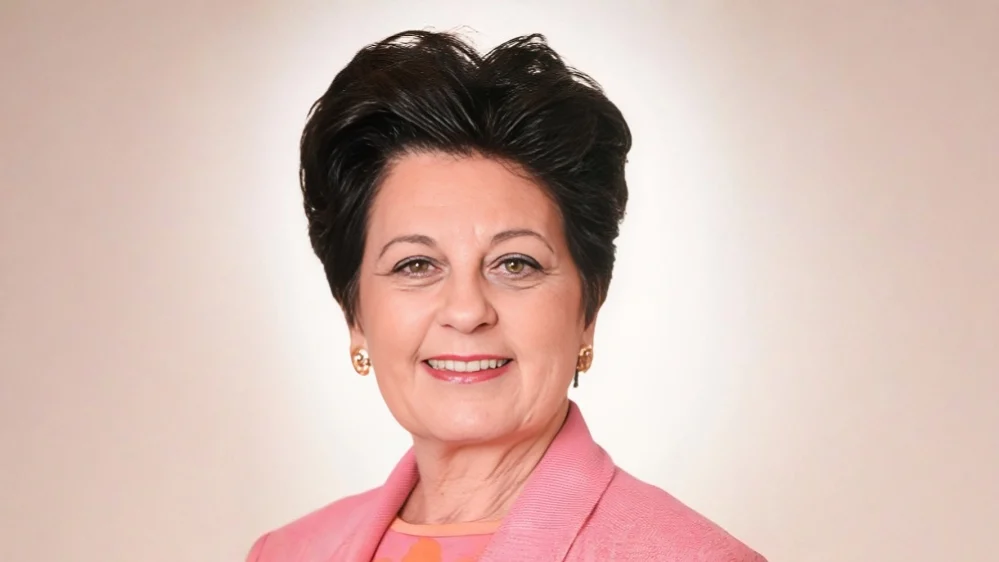
Françoise Meunier, Founder of the European Initiative on Ending Discrimination Against Cancer Survivors, shared a post by Renew Europe, adding:
“New milestone for the Right to Be Forgotten
On 12 November, the European Parliament adopted its report on the implementation of Europe’s Beating Cancer Plan by a large majority (447 in favour, 66 against, 91 abstentions).
I warmly welcome paragraph 79. In it, the Parliament calls for:
- full implementation of the Right to Be Forgotten provisions in the Consumer Credit Directive
- the Right to Be Forgotten to be written into other EU legislation, in particular the Mortgage Credit Directive
This is an important signal. A mortgage is often the first step back into a normal life after cancer. Cancer survivors should not be penalised financially for years after they have been declared cured.
My sincere thanks to the rapporteur, MEP Vlad Vasile-Voiculescu, and to all MEPs who supported this text.
The next step is to turn these words into binding law, harmonised across Europe.
Say no to discrimination. Say yes to dignity and equality for every cancer survivor.
Quoting Renew Europe:
“Cancer prevention cannot wait. And political compromise must not come at the expense of people’s lives.
Europe’s Beating Cancer Plan has set an important direction. But progress is not enough if we lack the courage to see it through. Preventable risk factors, above all tobacco, demand decisive action. The evidence is clear. The measures are known. What is needed now is political determination.
This is a moment to stand firm, not step back.
Renew MEP Vlad Voiculescu calls on his colleagues in the European Parliament to support his report and defend the final text in its entirety. No concessions that undermine its ambition. No weakening. No watering down.
The stakes are too high for political backtracking. Public health must come before industry pressure and short-term political calculations.
Europe has the knowledge. Now it must show the leadership and political will to act.”
You can also read: The Right to Be Forgotten as a Human Right: A Conversation with Dr. Françoise Meunier