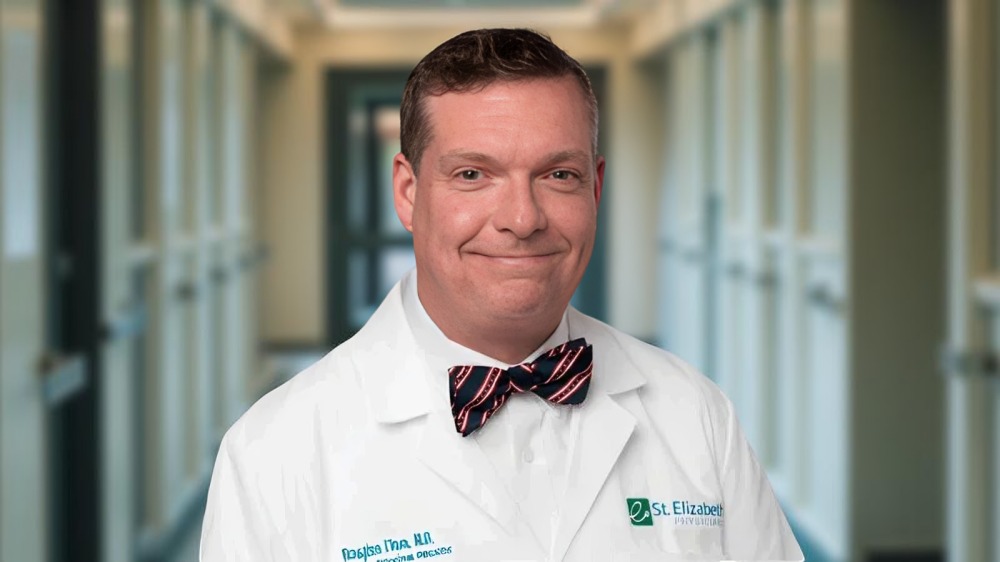
Douglas Flora, President-Elect of the Association of Cancer Care Centers and Executive Medical Director of Yung Family Cancer Center, St. Elizabeth Healthcare, shared on LinkedIn:
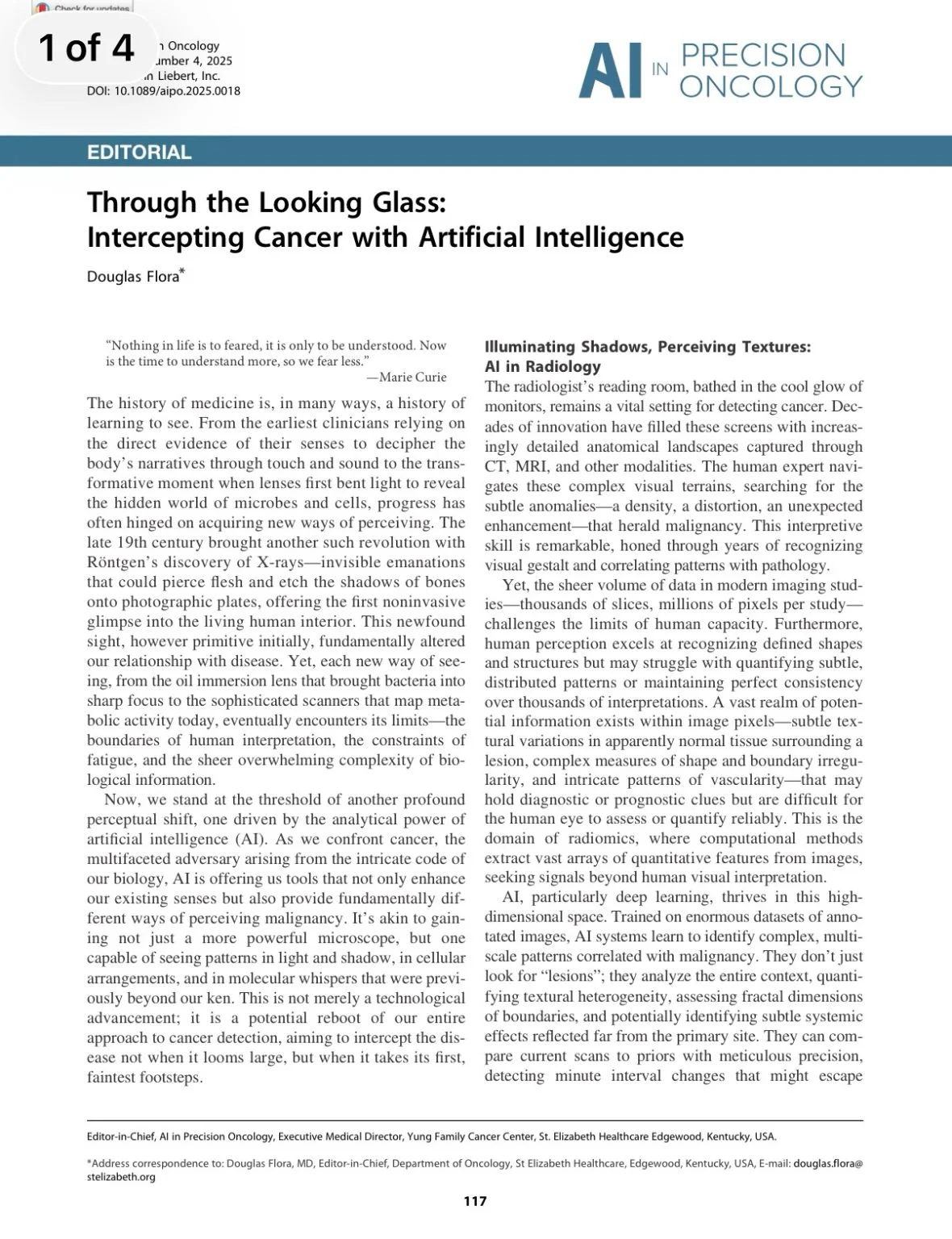
“How does artificial intelligence fundamentally alter our ability to detect and treat cancer?
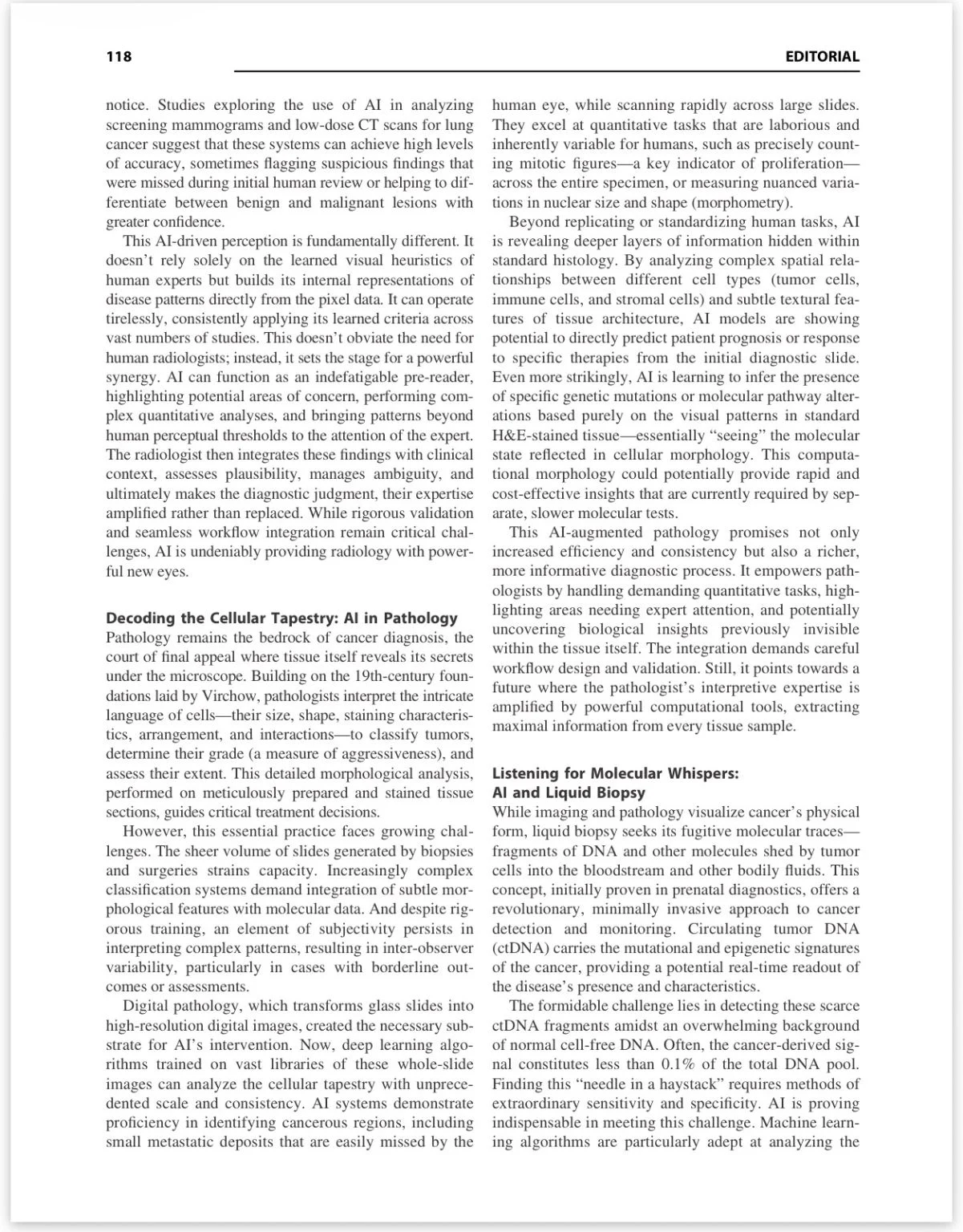
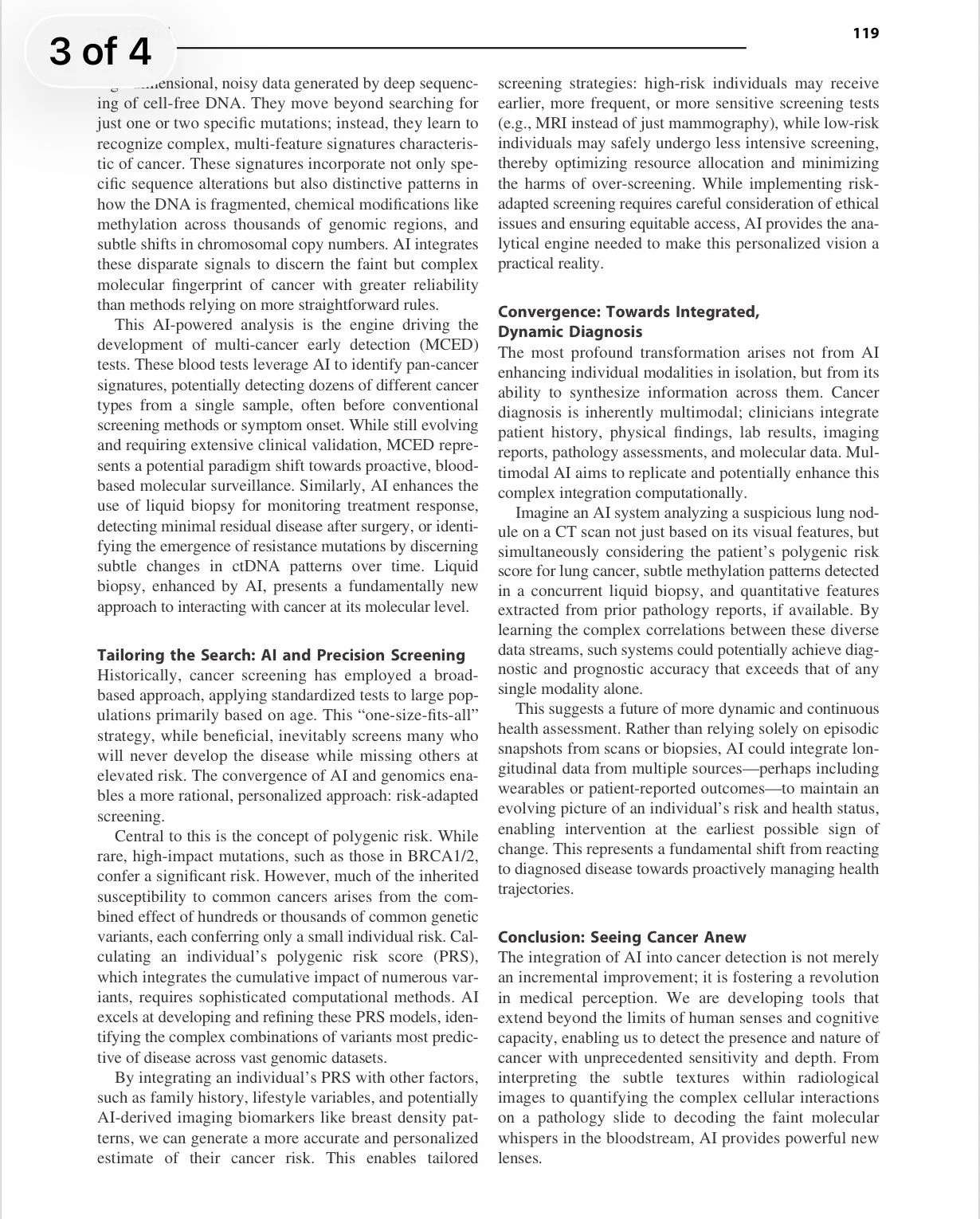
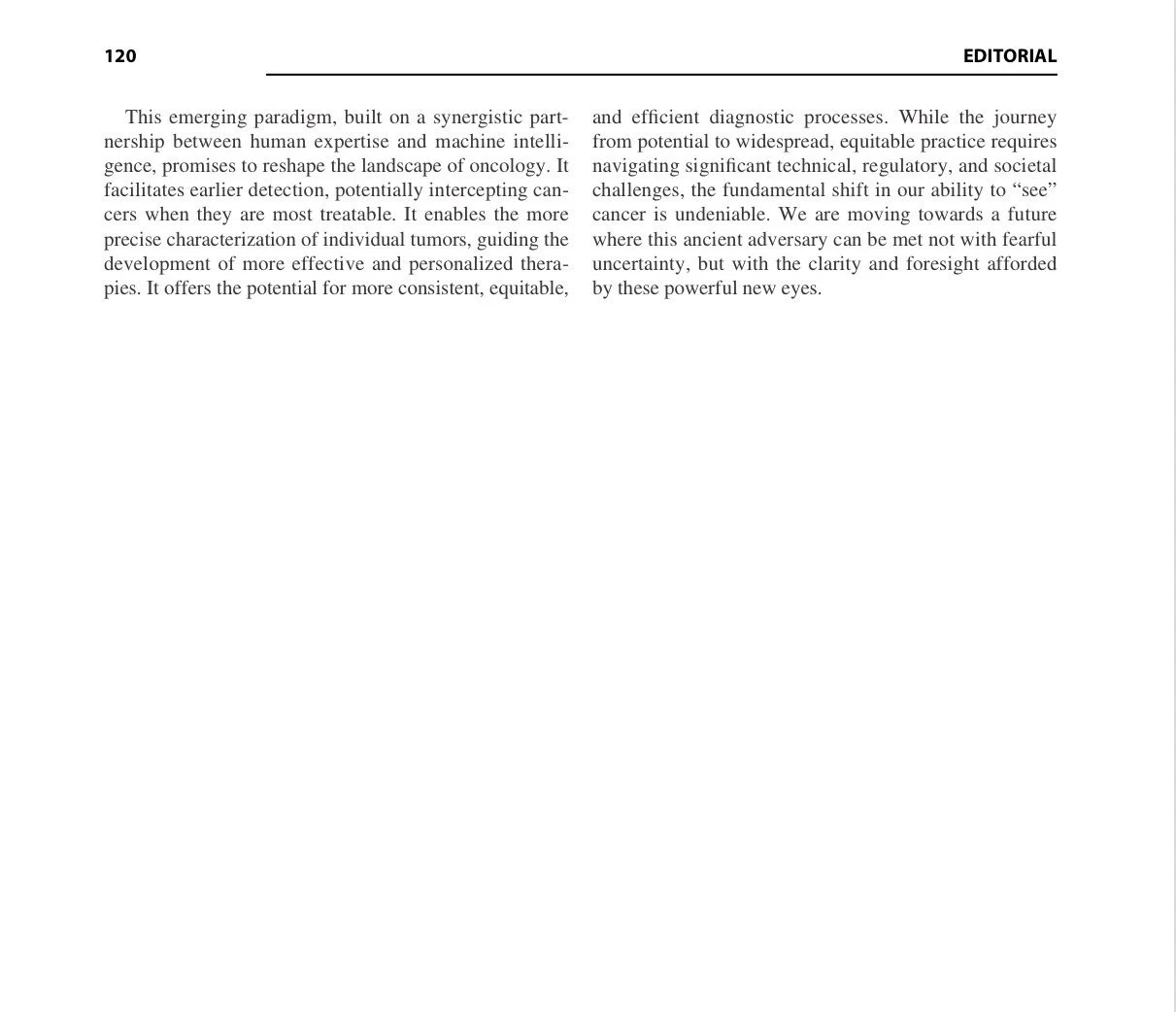
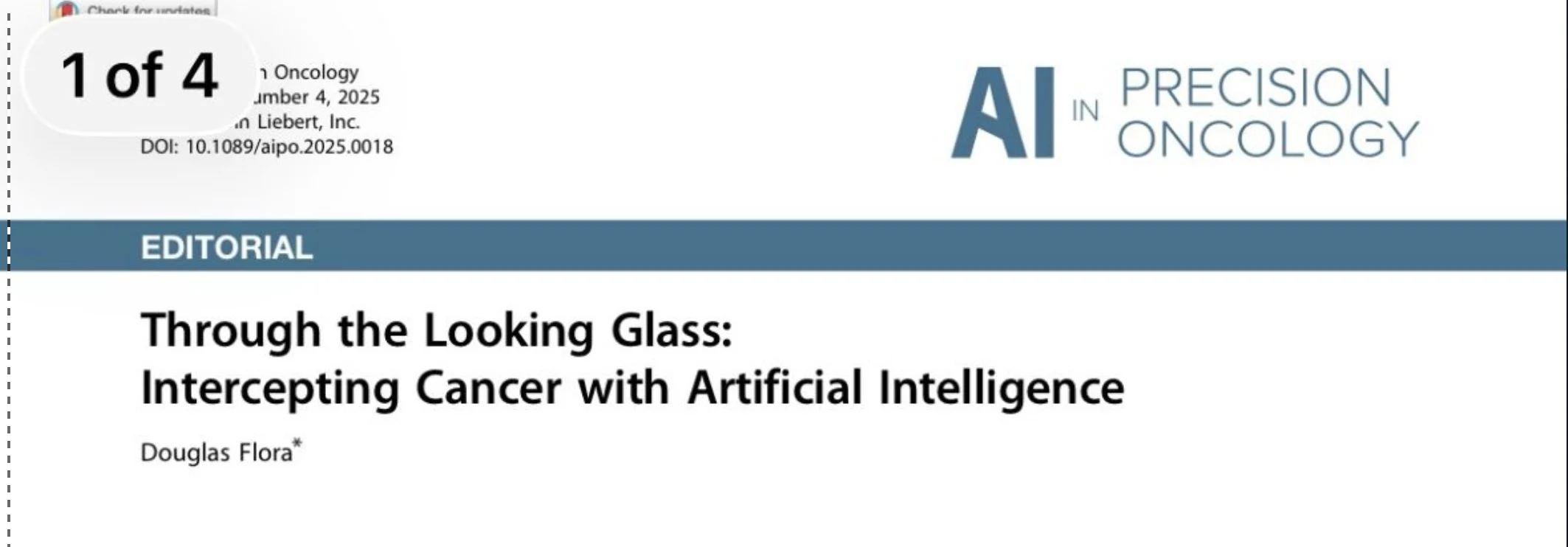
In my editorial published in AI in Precision Oncology, titled ‘Through the Looking Glass: Intercepting Cancer with Artificial Intelligence,’ I examine how advanced computational tools are reshaping diagnostic precision across four major fronts:
- Radiology: AI functions as an indefatigable pre-reader, analyzing high-dimensional pixel data and minute interval changes to spot subtle malignancies earlier.
- Pathology: Deep learning models standardize quantitative tasks like counting mitotic figures and uncover hidden spatial relationships between tumor and immune cells.
- Liquid Biopsy and MCED: Machine learning algorithms detect trace ctDNA signals amidst overwhelming background cell-free DNA, paving the way for proactive multi-cancer early detection.
- Multimodal Integration: The ultimate promise lies in synthesizing imaging, genomic, and clinical data into a single, comprehensive patient profile.
The goal of AI in oncology isn’t to replace human expertise – it’s to augment clinical intuition so we can catch cancer when it takes its very first, faintest footsteps.
I’d love to hear your thoughts: How is your institution currently navigating the integration of multimodal AI into clinical workflows?”
Other articles featuring Douglas Flora on OncoDaily.