Carmen Uscatu, Founding Member and President of Give Life, shared a post on LinkedIn:
” ‘A leader is one who knows the way, goes the way, and shows the way.’*
Is Leadership a Must-Have in Medicine?
On February 16th, 2023, I received an email that would set everything in motion. It concluded with:
‘I look forward to seeing you again in Memphis and discussing how we can cooperate on CNS tumors and retinoblastoma.’
My first thought was that it must be a mistake. But there was no error. Dr. Qaddoumi from St Jude knew exactly who I was and, from that moment on, became a supporter of Marie Curie. This was the beginning of our adventure to develop a neuro-oncology department – a journey that would highlight the critical need for leadership.
In Romania, a physician’s formal education doesn’t include leadership training.
But, a physician treating a child with a complex, rare disease like pediatric cancer is far more than a purveyor of care. He is an influencer of behavior, as a figure who guides an effort to achieve a desired outcome: a patient’s survival.
How is this outcome achieved?
Through a culture of teamwork. Doctors are not solo operators. They must perform like an orchestra, each expert playing their part in harmony. And the conductor for the symphony that is treating a child with cancer? That is the oncologist.
Therefore, leadership is not a nice-to-have skill; it is mandatory to achieve good results for your patient.
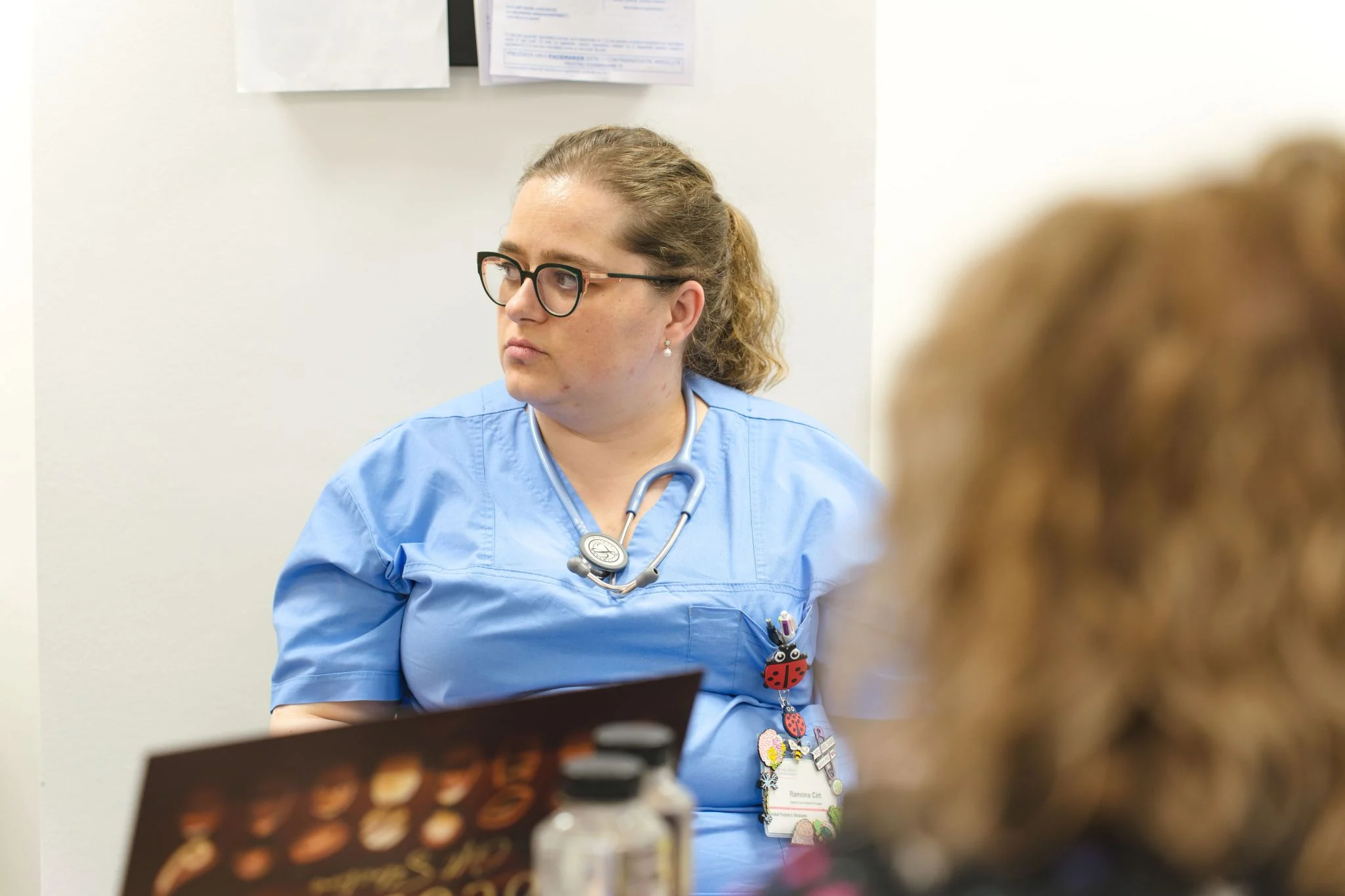
I have been reflecting on this since I began watching Dr. Ramona CIRT’s efforts to build a neuro-oncology team. While pursuing a fellowship at St. Jude, she created a dedicated “bee team” from the hospital’s existing doctors. She struggled immensely—her youth and passion were met with the inertia of a system where team culture is still considered a luxury. This, of course, is not unique to medicine; it is a societal trait.
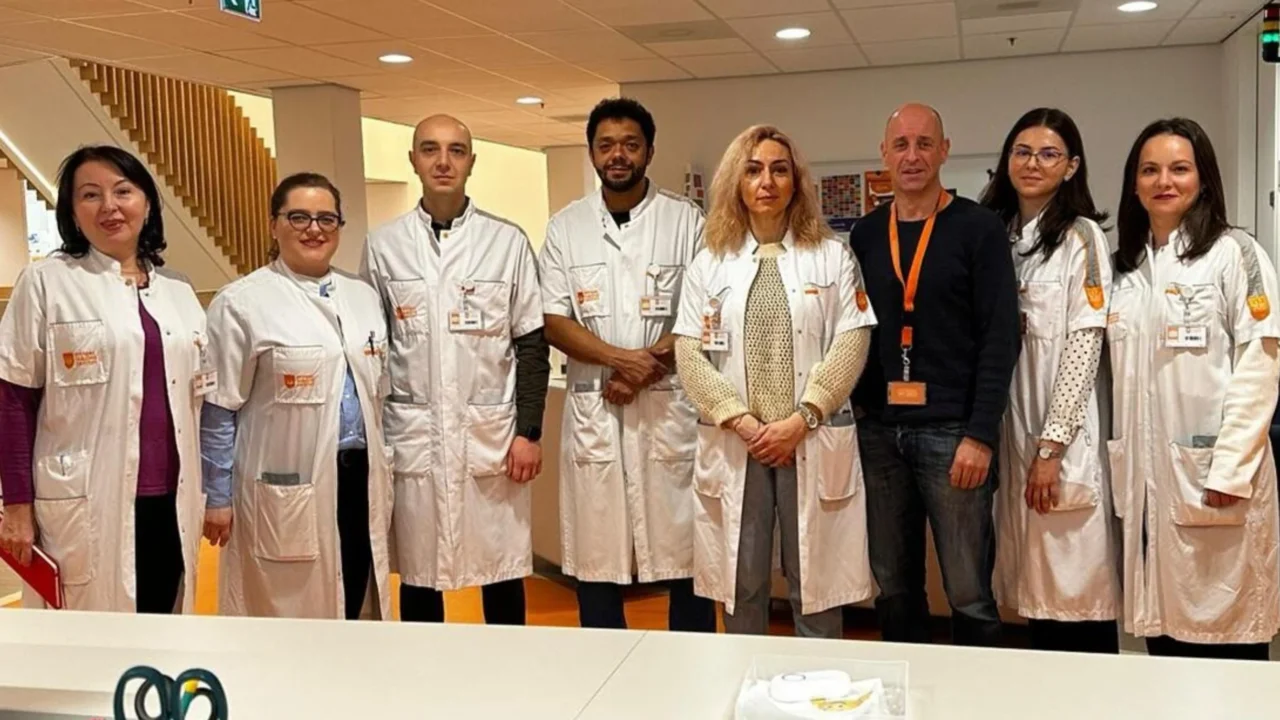
Yet, she persisted. She pushed every service to rally around her patients. These children require a multidisciplinary approach: oncologist, radiation oncologist, pathologist, endocrinologist, neurologist, and neurosurgeon. Ramona succeeded in bringing them all together. The team grew to include a pain therapist.
They started from zero patients in 2023. With support from St. Jude Children’s Research Hospital for every case, an observership for the entire team and molecular testing sent at Prinses Máxima Centrum voor kinderoncologie, they succeeded in treating 30 patients in each of 2024 and 2025.
As an outsider looking in, I have witnessed their journey closely. It has not been easy. I have seen Ramona’s struggles and the team’s growing pains. Now, with support from an experienced anesthesiology service, they can treat children requiring sedation
Is it an orchestra?
Is it about leadership?
Is it perfect? No, and it shouldn’t be. Medicine is not static. It must evolve and adapt.
Like life is. And this is the life of a doctor who treats a child with cancer – a symphony you hear day and night. It is the leader who ensures every instrument is heard at the right moment.
*John Maxwell”
Other articles featuring Carmen Uscatu on OncoDaily.