Calculators
 OncoCalendar





Andreas Charalambous, Chair of the Department of Nursing at Cyprus University of Technology, shared a post on LinkedIn:
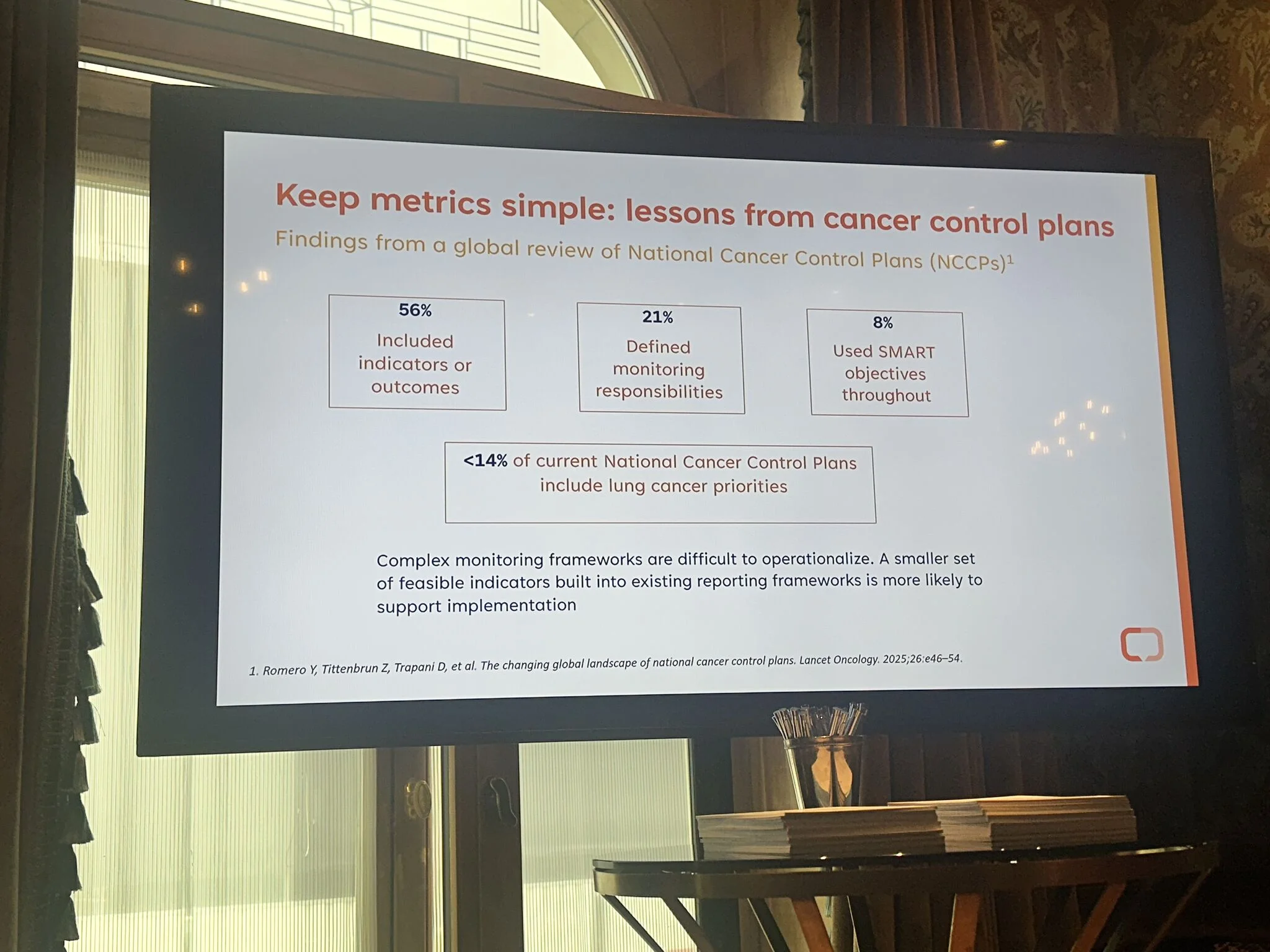
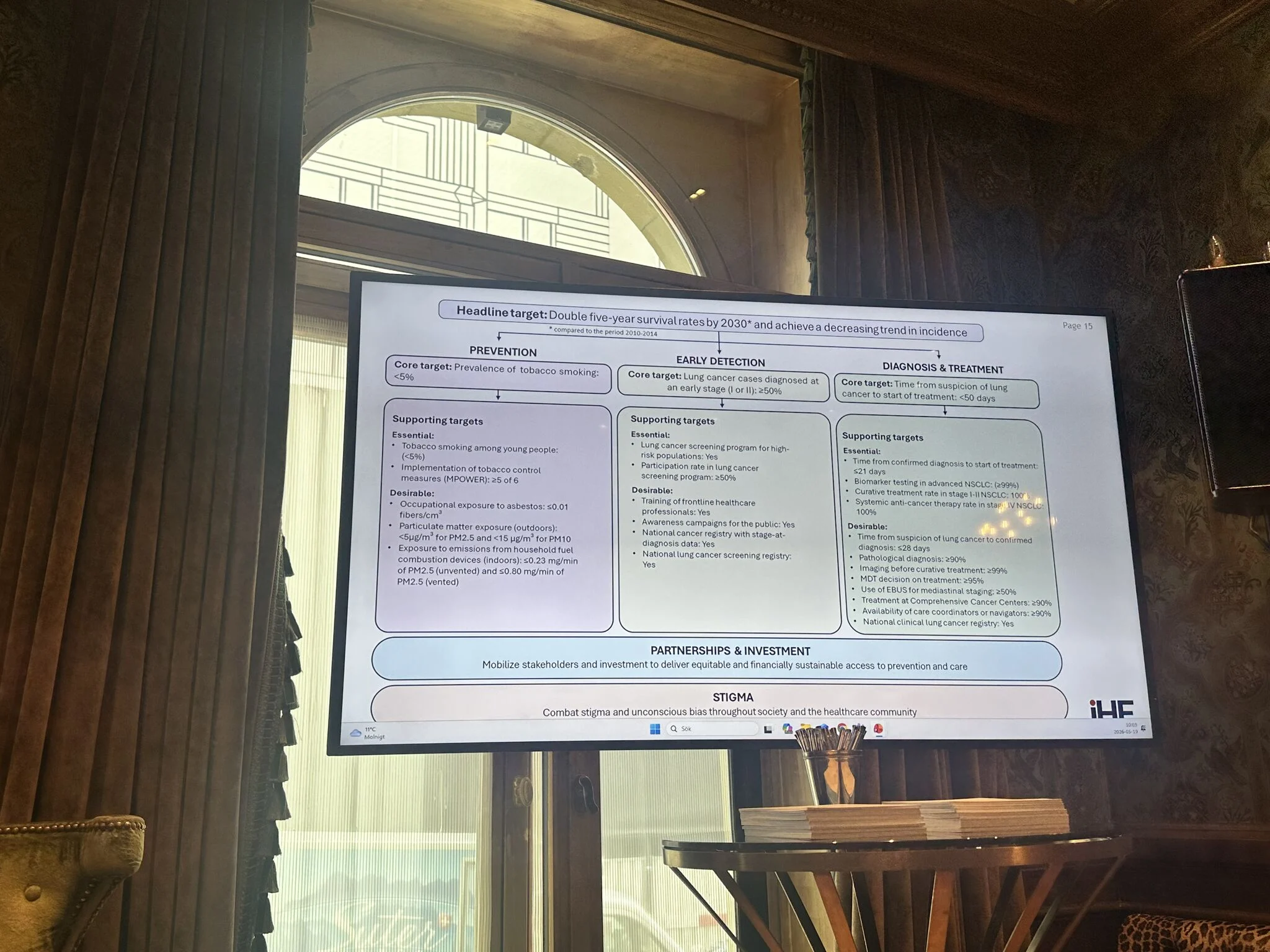
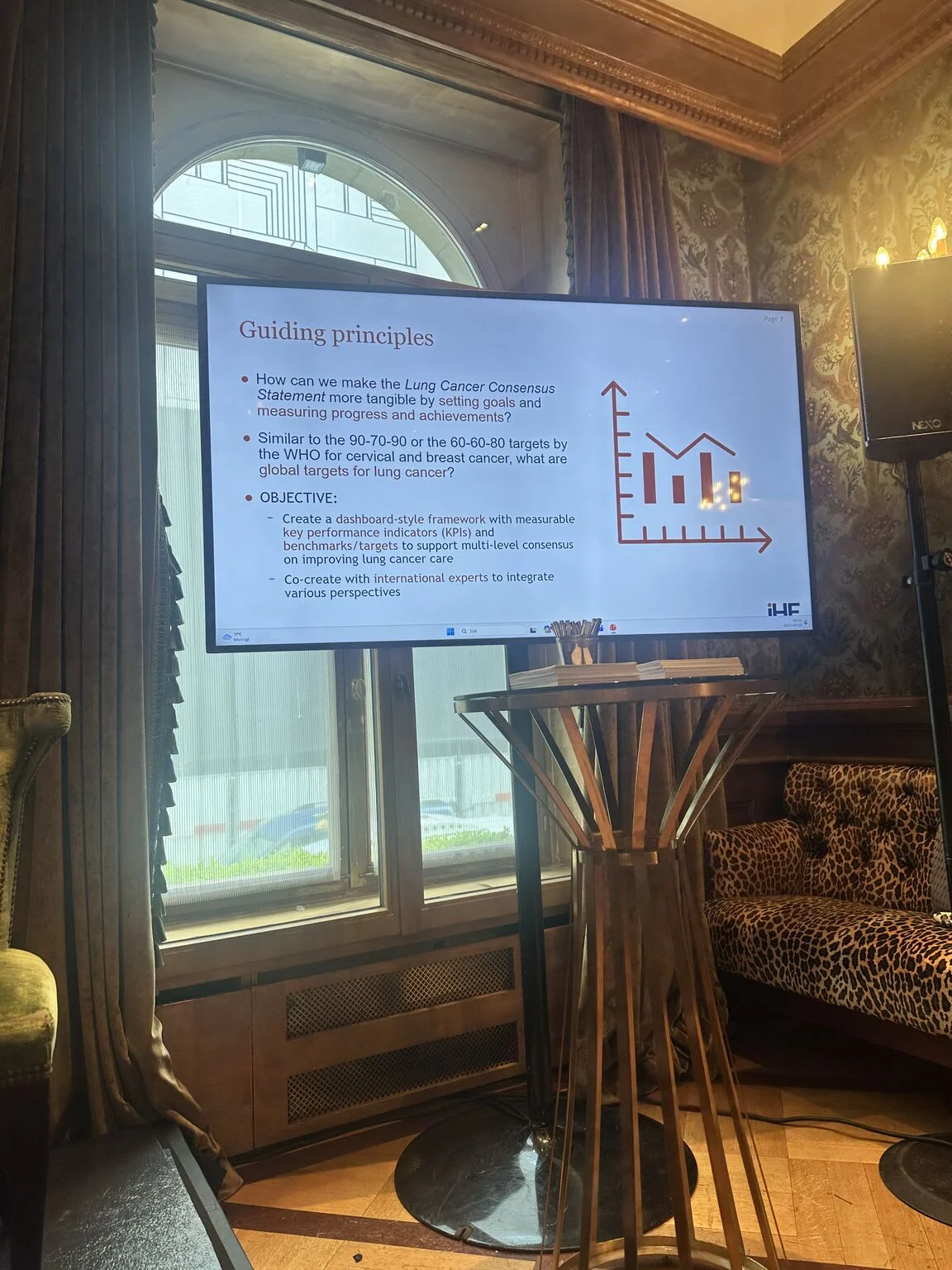
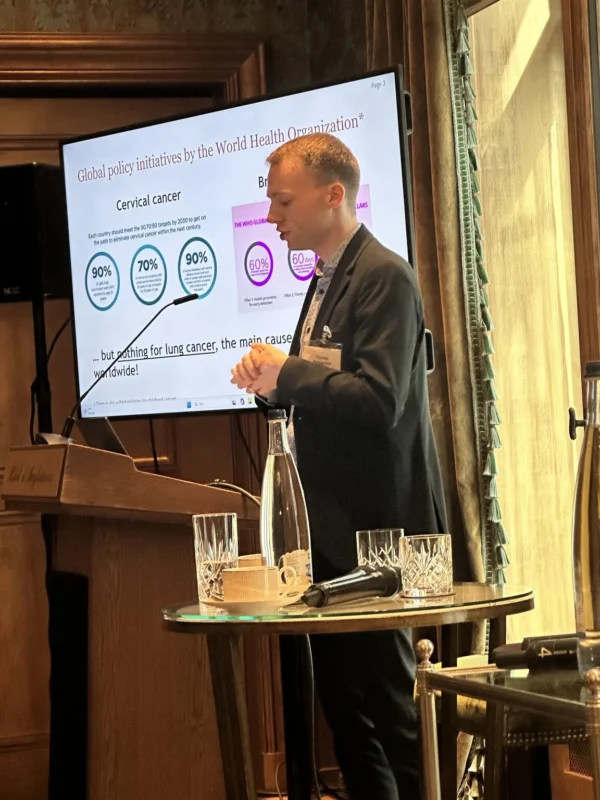
“Today in Geneva, I had the privilege of participating in a workshop hosted by IHE – Swedish Institute for IHE – The Swedish Institute for Health Economics, the Lung Cancer Policy Network, and MSD titled ‘Operationalizing the Lung Cancer Agenda: A Pathway to Measurable Progress.’
The workshop brought together experts and stakeholders from different countries to exchange lessons learned, discuss challenges and opportunities related to the implementation of lung cancer KPIs, and explore pathways to strengthening national impact.
A comprehensive lung cancer measurement framework is essential to achieving meaningful progress across the entire continuum of prevention, early detection, diagnosis, treatment, and long-term outcomes. Robust and measurable indicators are critical not only for accountability, but also for guiding policy, improving equity of access, and ensuring that healthcare systems remain patient-centered and outcome-driven.
Reflecting on the presentations and discussions throughout the day, several key considerations stood out to me:
1. The framework should extend beyond diagnosis and treatment to include care and survivorship. A truly comprehensive approach must incorporate the full disease continuum, including supportive care, rehabilitation, survivorship, and long-term follow-up. This would allow the framework to better capture patient experiences and outcomes beyond clinical treatment alone.
2. While comprehensive cancer centers represent an important aspiration, achieving and sustaining them remains difficult even within the EU. This challenge is particularly pronounced in smaller countries such as Cyprus and Malta, where population size, workforce limitations, and resource constraints may limit the feasibility of certain models. The framework should therefore allow for flexibility and adaptation according to national contexts and healthcare capacities.
3. Measuring the existence of multidisciplinary teams (MDTs) alone is not sufficient. Workforce capacity, distribution, training, and sustainability are fundamental determinants of implementation success and should be explicitly incorporated into the measurement framework.
4. Beyond traditional clinical metrics, the framework should include outcomes that more accurately reflect the lived experience of patients. These could include quality-of-life improvements, effectiveness of symptom control, hospital readmission rates, ICU admission rates during treatment, and other indicators that capture the quality and value of care delivered.
5. As several pilot countries appear to be struggling to fully meet certain KPI targets, introducing phased or interim milestones could provide a more realistic and motivating approach. This would help recognize incremental progress while maintaining momentum toward long-term.”
Other articles about Lung Cancer on OncoDaily.