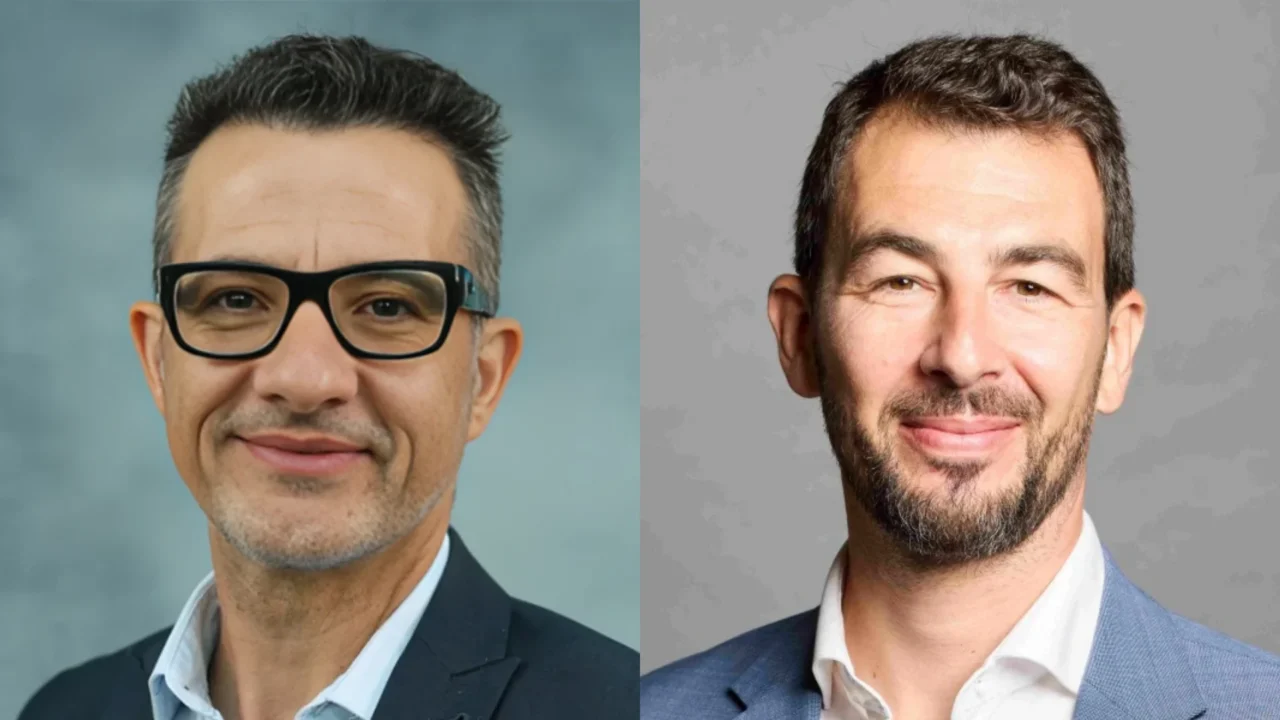
Andreas Charalambous, Chair of the Department of Nursing at Cyprus University of Technology and MASCC Executive Board Member, shared a post on LinkedIn:
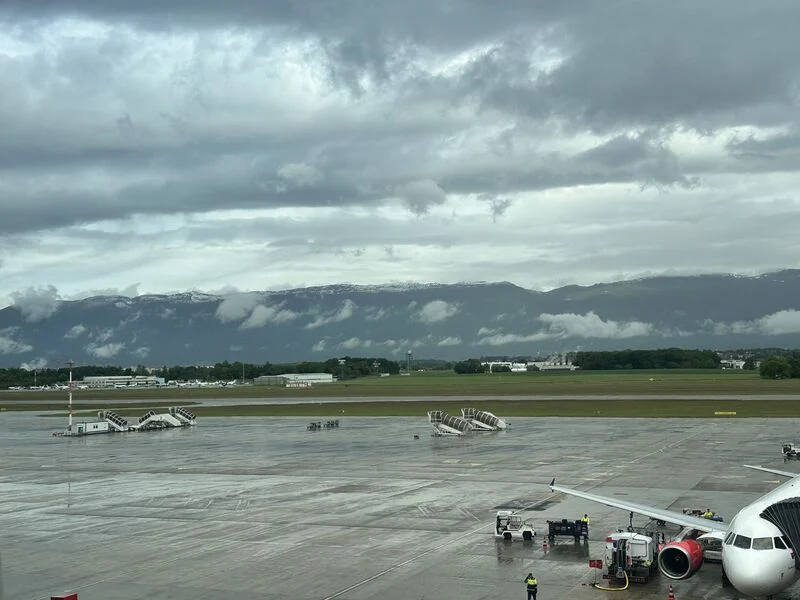
“Policy Meetings in Geneva
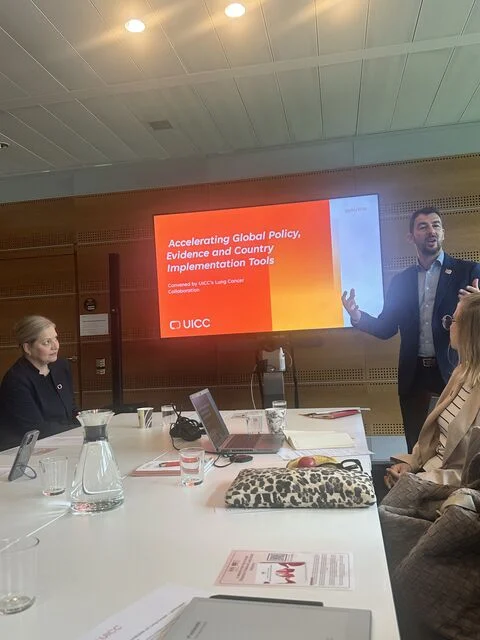
It was a privilege to be in Geneva today representing the International Association for the Study of Lung Cancer (IASLC), IASLC Foundation at the roundtable on ‘Accelerating Global Policy, Evidence and Country Implementation Tools’ hosted by Union for International Cancer Control (UICC) and moderated by Yannick R.
This highly interactive discussion brought together global stakeholders to exchange experiences and perspectives on the implementation of the Integrated Lung Health Resolution, as well as the lung cancer programmes currently being developed and delivered across different regions of the world.
I had the opportunity to highlight several important themes emerging from our Global Policy Report and accompanying country case studies. Among the most pressing concerns is the growing recognition that public awareness campaigns are still failing to reach many of the populations they are intended to serve. Levels of health literacy surrounding cancer-related issues remain low in many settings, negatively affecting participation in national screening programs and contributing to poor adherence to follow-up care.
Another major challenge discussed was the escalating global workforce crisis. Across healthcare systems, shortages in trained professionals are increasingly threatening both the implementation and long-term sustainability of lung cancer screening programmes.
Despite the best intentions and significant policy progress, inequalities in access to lung cancer screening persist even within high-income countries. Addressing these disparities will require not only stronger policy frameworks, but also sustained investment in education, workforce development, equitable access, and community engagement.
Today’s discussions reinforced the importance of global collaboration, evidence-based policymaking, and continued advocacy to ensure that early detection and quality lung cancer care become accessible to all populations, regardless of geography or socioeconomic status.
Dialogues will continue over the next days – stay tuned.”
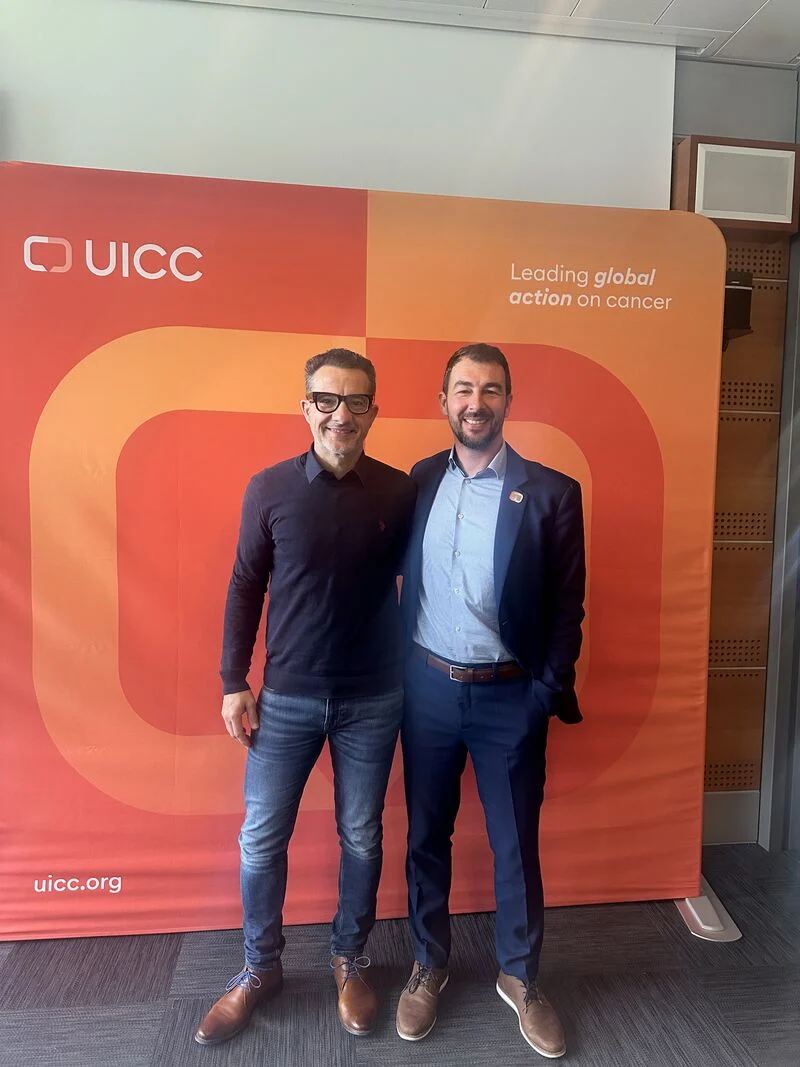
Other articles featuring Andreas Charalambous and Yannick Romero on OncoDaily.