





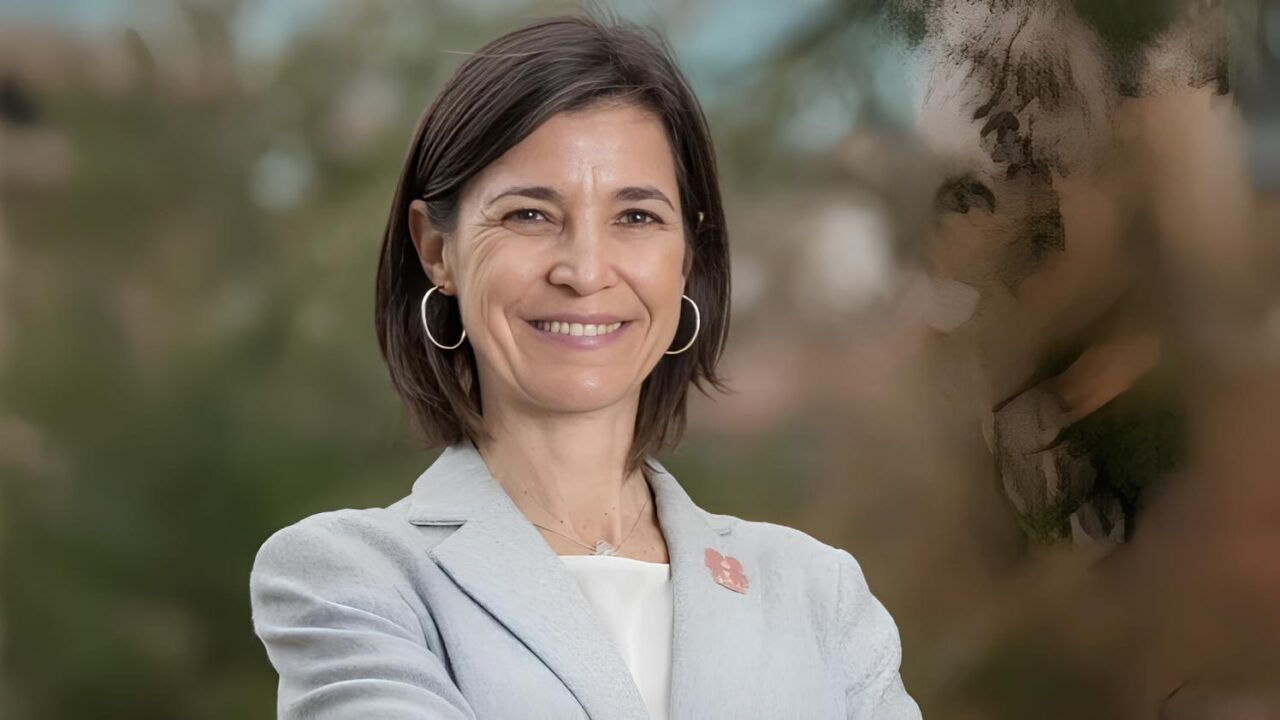
Alejandra Mendez, Vice President of Childhood Cancer International, Recognized Among 100 Influential Women in Oncology in 2025 by OncoDaily, shared a post by OncoDaily on LinkedIn, adding:
“Thank you, OncoDaily, for this beautiful interview and for helping to bring visibility to the voices of people with lived experience in childhood cancer.
I am deeply grateful for the opportunity to help amplify this important message: that children, survivors, families, and caregivers must be meaningfully included in the decisions that shape cancer care.
A very special thank you to Gvantsa Khizanishvili, MD, MPH for your empathy, warmth, and evident sensitivity to this topic. Thank you for such an inspiring and meaningful conversation!
Lived experience is expertise – and it must be part of building more humane, equitable, and effective health systems for children with cancer and their families.”
Quoting OncoDaily’s post:
“Ringing the Bell Is Not the End of the Story, but the Beginning of a New One: Alejandra Méndez
In this episode of Global Health Unpacked on OncoDaily, Dr. Gvantsa Khizanishvili, MD, MPH sits down with Alejandra Mendez, Vice President of Childhood Cancer International, to explore the critical role of lived experience in shaping childhood cancer care worldwide.
This video highlights:
The meaningful involvement of people with lived experience in childhood cancer care, and the critical role of patient and family organizations in improving access and reducing treatment
abandonment.
The importance of public policies that support long-term quality of life, particularly in areas such as survivorship and fertility preservation.
Alejandra Méndez shares how lived experience offers a unique and essential form of expertise – one that reveals real-world barriers, emotional challenges, and the support systems families need to navigate cancer treatment. Patient and family voices must go beyond consultation and become true partners in designing health systems, policies, and care models.
The discussion also highlights the vital role of patient and family organizations, particularly in low- and middle-income settings, where they help bridge gaps in care. From providing accommodation, transportation, and psychosocial support to improving treatment adherence and reducing abandonment, these organizations are often the difference between continuing care and losing it.
The episode addresses the importance of survivorship and long-term quality of life. Topics such as fertility preservation, financial protection, mental health, and public policy reforms are explored, emphasizing that success in childhood cancer is not just survival, but the ability to live a full, healthy, and dignified life.
Other articles about Childhood Cancer on OncoDaily.