Abdu Adem Yesufe, Clinical Oncologist and Sub-Saharan African Regional Council member at ASCO, shared on LinkedIn:
“Celebrating a major Radiation Oncology milestone!
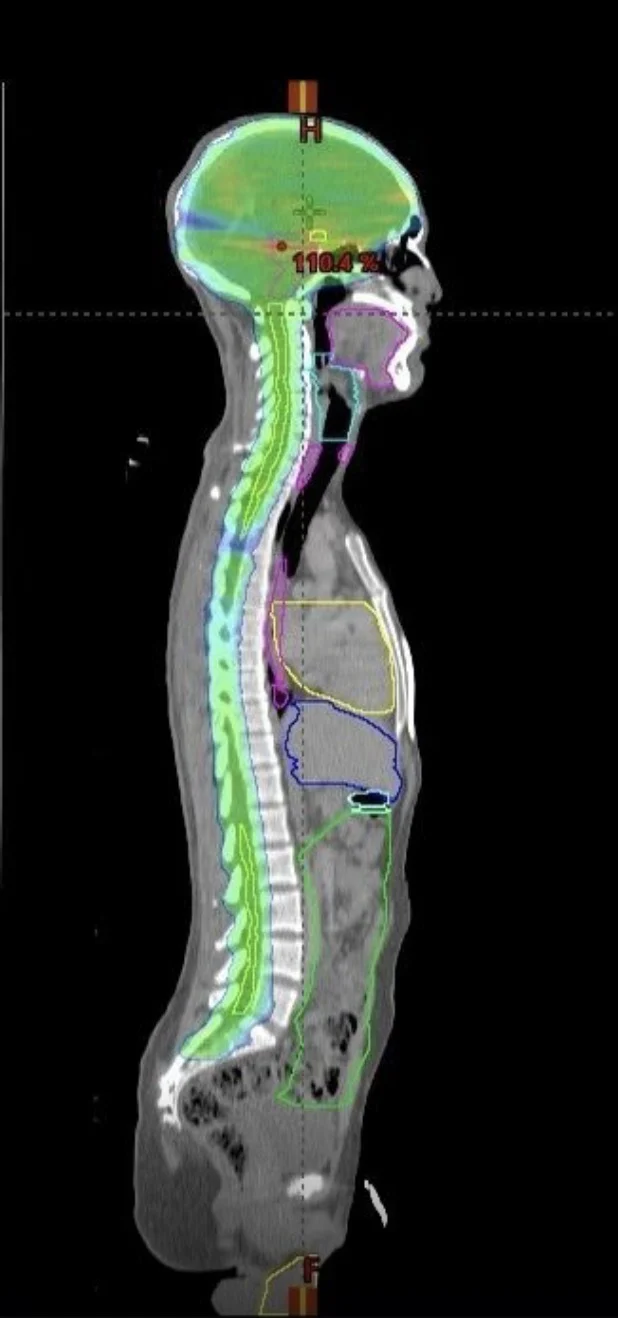
We successfully treated our first-ever Craniospinal Irradiation (CSI) radiotherapy – a complex procedure for a 22-year-old patient diagnosed with medulloblastoma.
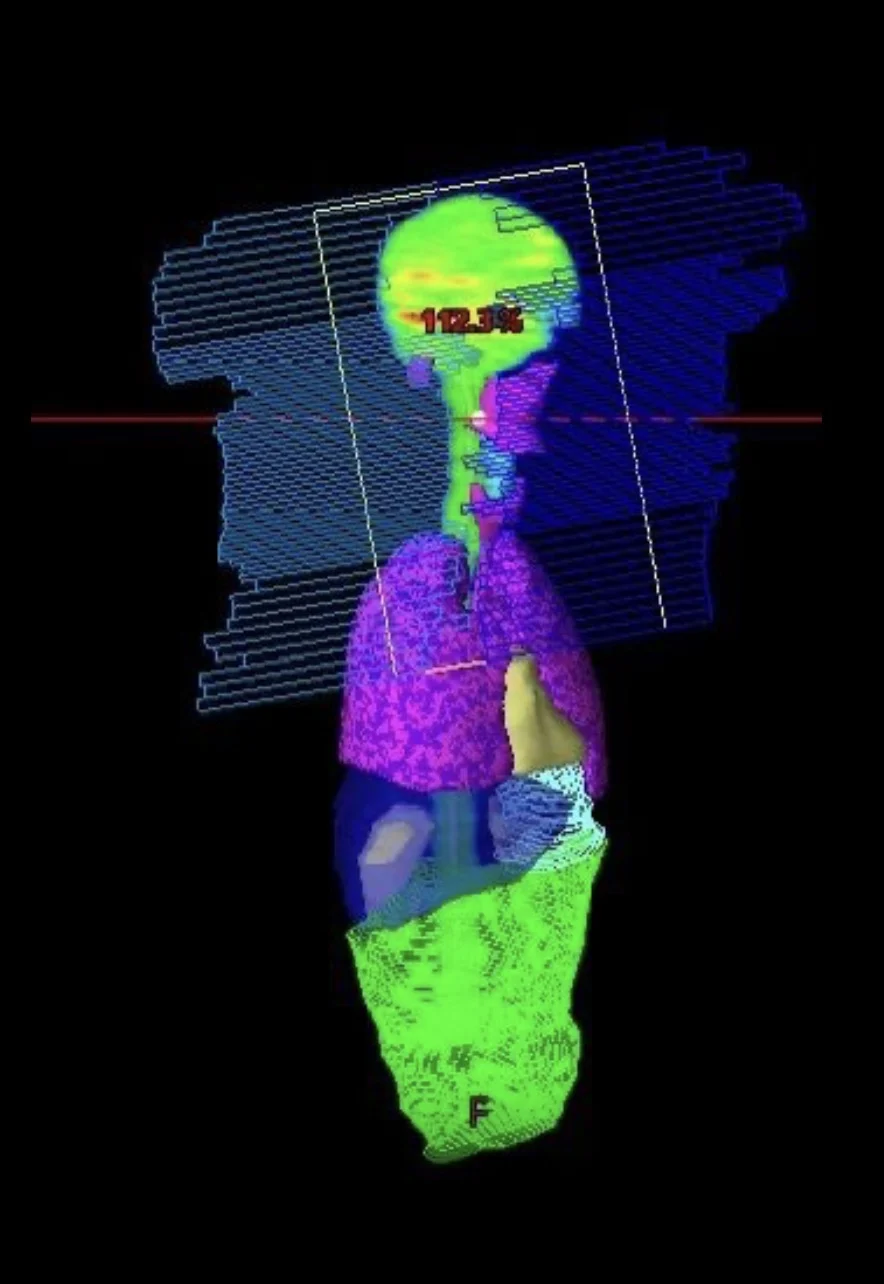
CSI is widely recognized as one of the most technically demanding procedures in radiation oncology. It requires targeting the entire brain and spinal cord simultaneously to prevent central nervous system tumor spread while carefully sparing surrounding organs at risk.
Why CSI Radiotherapy Demands Extreme Precision and Matters:
- Sub-Millimeter Immobilization: Custom head-and-neck masks combined with full-body VacLoc positioning guarantee patient stability across extended treatment fields.
- Meticulous Contouring: Detailed mapping along the entire craniospinal axis while protecting critical organs at risk (almost all organs) – including optic nerves, optic chiasm, eyes, brainstem, pituitary gland, parotid glands, cochleas, larynx, thyroid gland, heart, lungs, spinal cord, stomach, small bowel, testis etc.
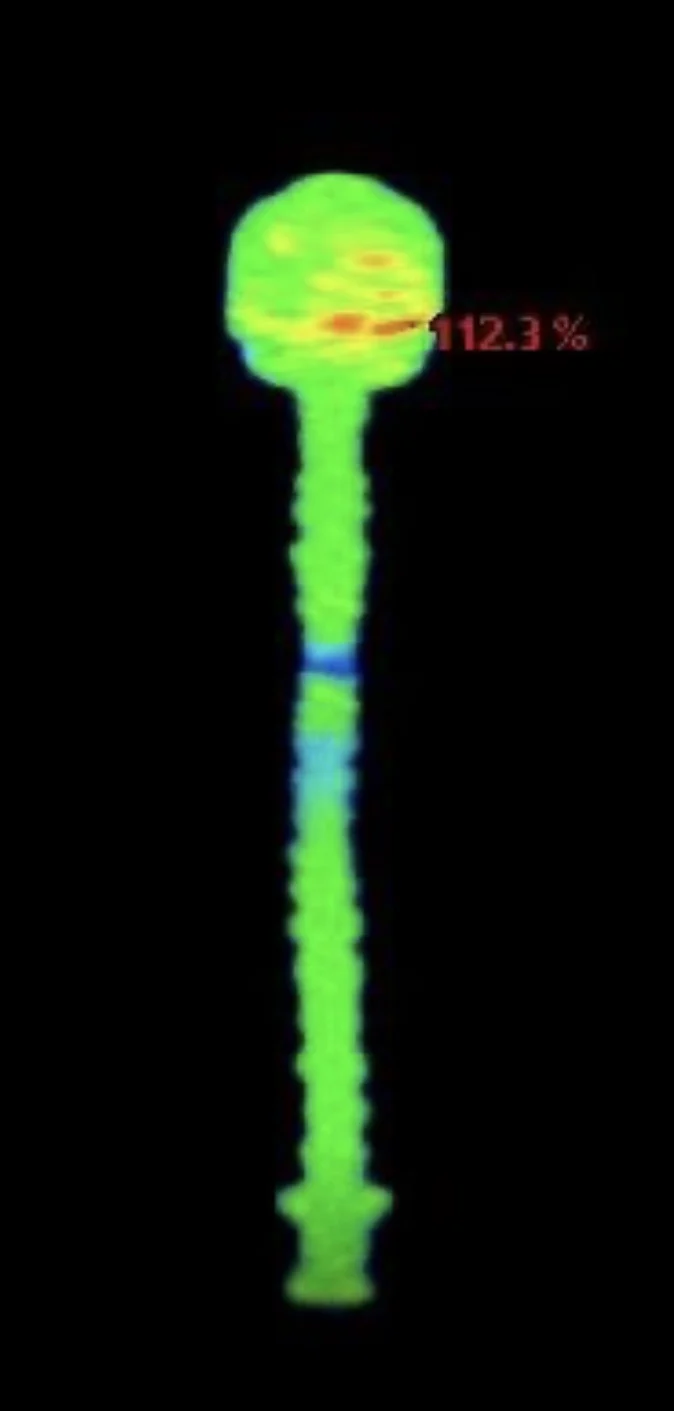
- Advanced Treatment Planning: Managing target volumes that exceed standard linear accelerator field sizes using VMAT/IMRT junction alignment to eliminate dose cold spots or toxic hot spots.
- Daily Image-Guided Verification: Sub-millimeter IGRT setup adjustments before every single fraction to ensure real-time delivery matches our treatment plan.
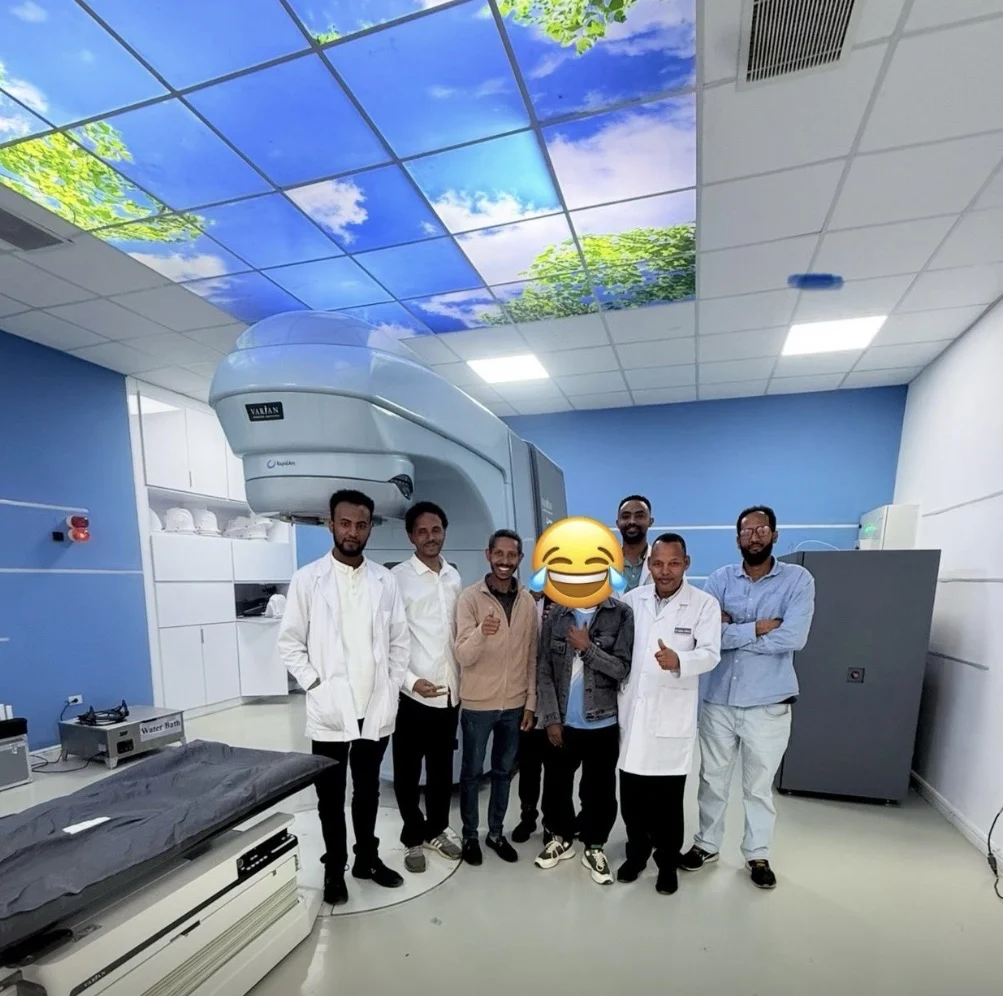
The countless hours, meticulous planning sessions, and late nights invested in this case reflect our team’s unwavering commitment to patient care. Having launched our radiotherapy service only recently, mastering such an intricate technique so rapidly – and executing it with the caliber, precision, and confidence of a long-established center – is a truly remarkable achievement.
Sincere appreciation to our team (oncologists, medical physicists, radiation therapists and nurses) for their extraordinary collaboration and commitment to patient care!”
You may also be interested in: Proton Therapy vs Photon Therapy: Differences, Benefits, and Side Effects