





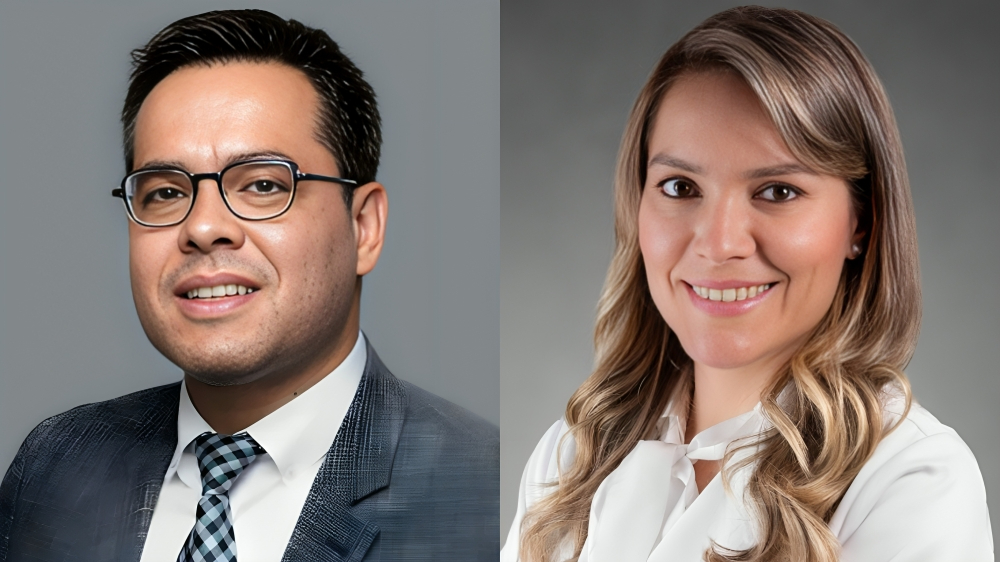
Fabio Ynoe de Moraes, Radiation Oncologist and Associate Professor at Queen’s University, shared a post on LinkedIn:
“Pathology and oncology training are at a critical crossroads. As precision medicine, genomics, and AI reshape clinical practice, our medical curricula are lagging behind.
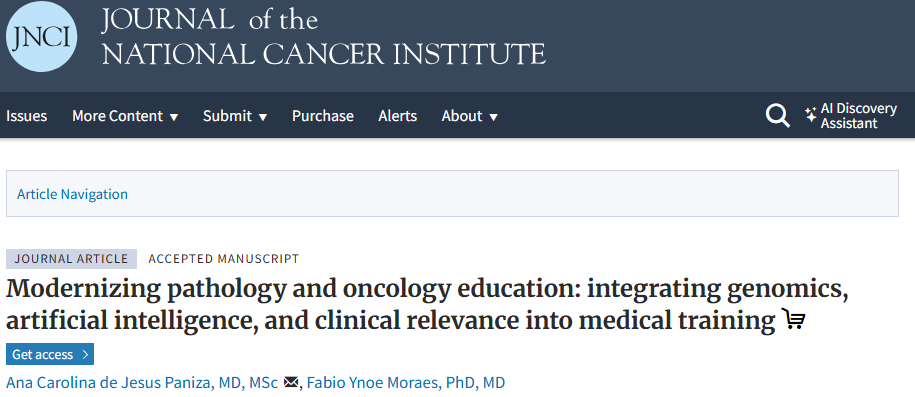
A new commentary in JNCI by Ana Carolina Paniza and Fabio Ynoe de Moraes makes a compelling case:
Today’s learners expect relevance, interactivity, and clinical application—not passive lectures on abstract concepts. They must be equipped to interpret next-generation sequencing, engage in molecular tumor boards, and manage precision therapies.
With AI transforming histopathology—from IHC quantification to methylation-based classifiers—future physicians need digital literacy and the ability to critically appraise algorithmic outputs. Even large language models (LLMs) can enhance learning—but only with faculty guidance, ethical guardrails, and training in critical appraisal.
Yet, accreditation frameworks like LCME and ACGME still don’t mandate genomics or AI literacy. Without deliberate reform, we risk graduating clinicians unprepared for the realities of 21st-century oncology.
The solution?
- Integrated, competency-based curricula
- Faculty development in AI and data science
- Strategic partnerships with bioinformaticians, computer scientists, and ethicists
- Phased, equitable adoption of digital pathology and AI tools
The time to modernize is now. Our patients—and future physicians—deserve nothing less.”
Title: Modernizing pathology and oncology education: integrating genomics, artificial intelligence, and clinical relevance into medical training
Authors: Ana Carolina Paniza, Fabio Ynoe de Moraes
Read the Full Article in JNCI.
More posts featuring Fabio Ynoe de Moraes.