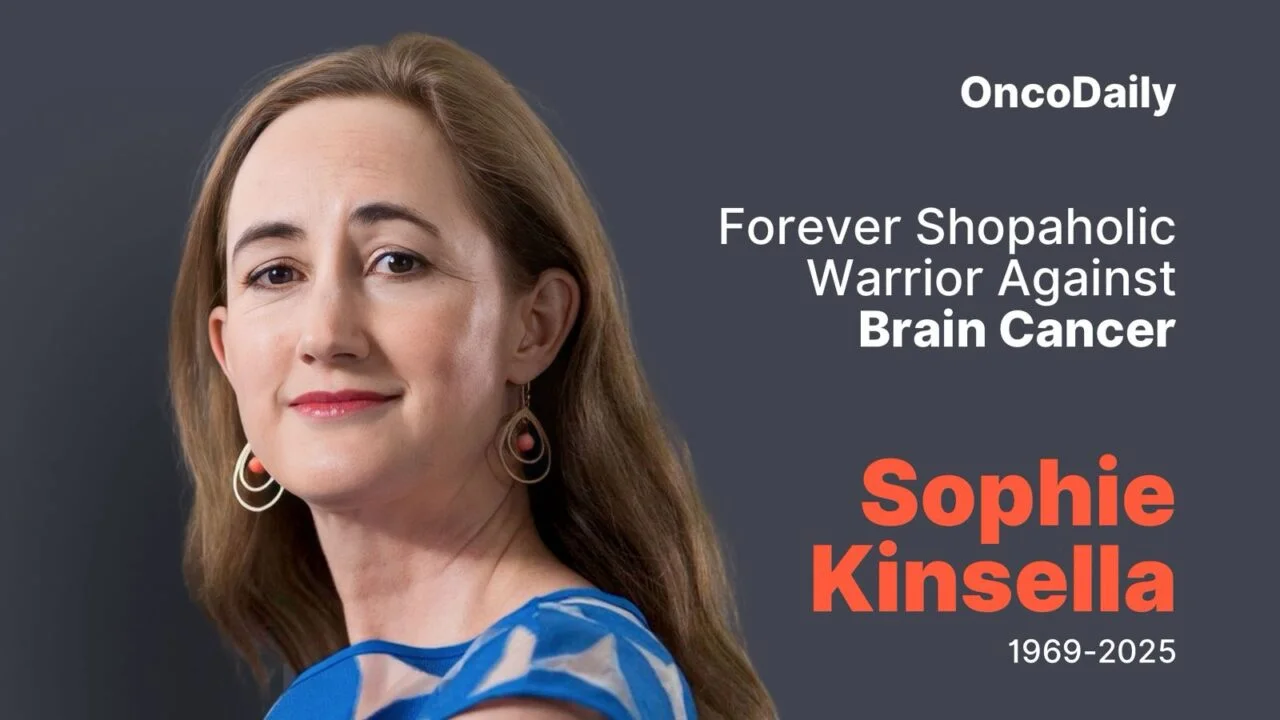
Sophie Kinsella, the beloved author of the Shopaholic series, died peacefully on December 10, 2025, at age 55 after a three-year battle with glioblastoma.
Madeleine Wickham, writing as Sophie Kinsella, created the blockbuster Shopaholic novels that sold over 50 million copies worldwide. Her family announced the news on Instagram: “She died peacefully… filled with family, music, warmth, Christmas, and joy”.
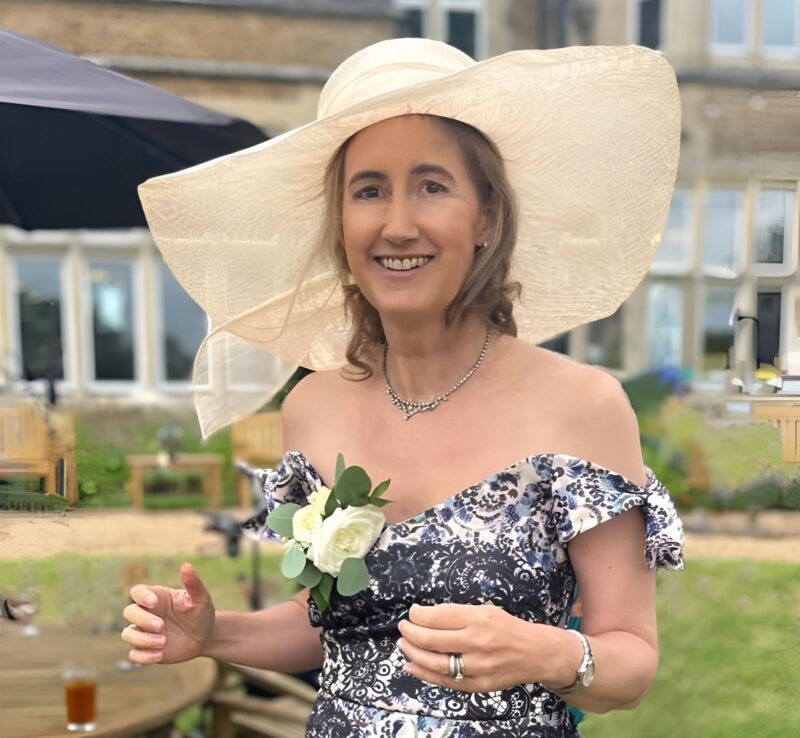
@sophiekinsellawriter
From Oxford to Journalism
She studied Philosophy, Politics, and Economics (PPE) at New College, Oxford, graduating in 1990, before entering financial journalism at The Daily Telegraph and Financial Times. This background infused her novels with witty insights on money woes, bridging her path to fiction.
Sophie Kinsella’s Novelist Breakthrough
Debuting as Madeleine Wickham with The Tennis Party (1995), she penned six more under that name before launching The Secret Dreamworld of a Shopaholic (2000) as Sophie Kinsella. The series exploded, selling 50M+ copies, spawning a 2009 film starring Isla Fisher, and cementing her chick-lit icon status. She diversified into children’s books like the Mummy Fairy series and YA with Finding Audrey (2015). Her poignant 2024 novella What Does It Feel Like? drew directly from her glioblastoma experience, blending humor with raw vulnerability.
Sophie Kinsella’s Cancer Journey Timeline
Sophie Kinsella faced her first major cancer challenge in late 2022, when a scan revealed glioblastoma (grade 4), prompting an immediate 8-hour surgery to remove the visible tumor.
From 2023-2024, she endured ongoing radiotherapy and chemotherapy, adapting to a private “new normal” with her family of five while shielding them from the full extent. In April 2024, she publicly disclosed her battle via Instagram, explaining the need for privacy earlier. October 2024 saw the release of her inspired novella What Does It Feel Like?. She passed away peacefully at home in Dorset on December 10, 2025, just days before her 56th birthday.
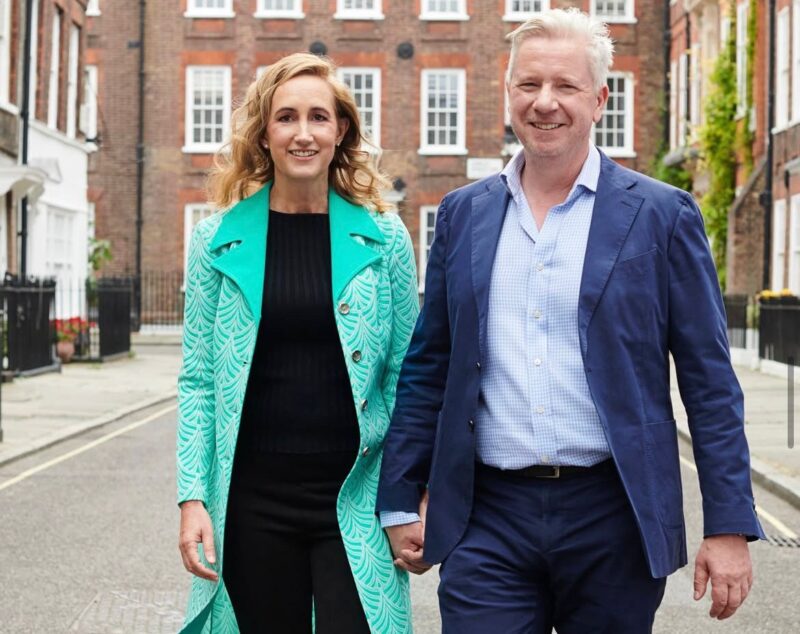
From Instagram account @sophiekinsellawriter
A Family’s Goodbye to Sophie Kinsella
Sophie Kinsella’s family shared an emotional tribute on Instagram following her passing on December 10, 2025, honoring the courage she showed throughout her glioblastoma journey. They described deep gratitude for her joyful spirit, her fulfilling career, and the love that shaped their family life. Her final hours at home in Dorset were peaceful, surrounded by her husband Henry Wickham, their five children, music, warmth, and Christmas decorations—an atmosphere reflecting the vibrancy she brought to her writing and to millions of readers. “We are heartbroken but grateful for every moment we had with her,” the message read.
Her Strength Through an Aggressive Illness
Glioblastoma remains one of the most challenging brain cancers, with a median survival of 12–15 months and only a small percentage of patients reaching five years. Kinsella’s three-year journey from diagnosis in late 2022 through surgery, radiotherapy, chemotherapy at UCLH, and her continued writing speaks to remarkable resilience and dedicated care. Her openness also helps raise awareness of a disease that is often difficult to detect early, as symptoms such as headaches or cognitive changes can resemble everyday stress or fatigue.
Why Her Story Matters for Cancer Awareness
Kinsella’s journey echoes a message recently highlighted by King Charles during the Stand Up To Cancer broadcast: early diagnosis saves lives. While his timely detection enabled treatment adjustments, Kinsella’s experience underscores the unique challenge of diagnosing brain cancers and the critical need for more research. Her story brings attention not only to glioblastoma but to the broader importance of listening to symptoms, seeking medical evaluation, and supporting advances in cancer care.
The Legacy of the Shopaholic Series
Sophie Kinsella’s Shopaholic series stands as one of the most iconic contributions to modern commercial fiction. Debuting in 2000 with The Secret Dreamworld of a Shopaholic, the series introduced readers to Becky Bloomwood—a charming, flawed, endlessly optimistic heroine whose comic misadventures with money, love, and self-discovery resonated with millions.
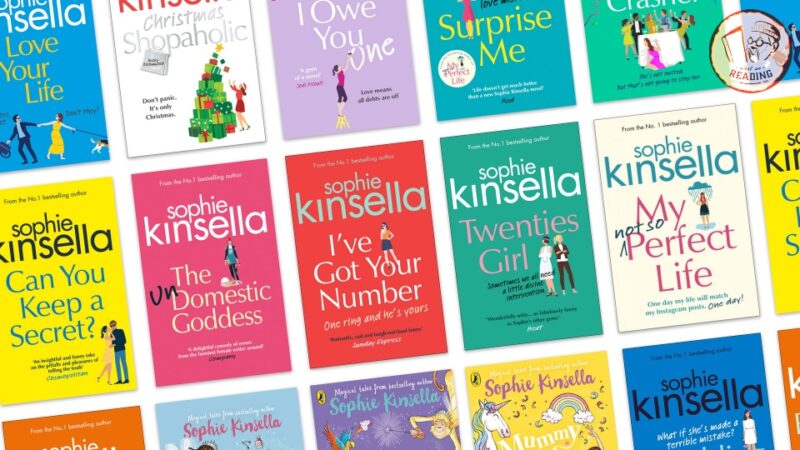
Across more than a dozen books, Kinsella created a world that blended sharp social commentary with humor and heart, capturing the anxieties and aspirations of contemporary women with remarkable ease. The Shopaholic universe became a global phenomenon, selling over 50 million copies, translating into dozens of languages, and reaching readers across generations.
The success of the series extended beyond the page. In 2009, the story was adapted into a major Hollywood film starring Isla Fisher, further cementing Becky Bloomwood as a cultural icon. For many, Shopaholic was more than entertainment—it was comfort, escapism, and a reminder of the joy in everyday chaos.
Through Becky’s journey, Sophie Kinsella helped shape the landscape of modern women’s fiction, inspiring countless authors and redefining the “chick-lit” genre. Her voice, both witty and empathetic, created characters who felt real, flawed, and deeply loved. The enduring popularity of the series remains one of her greatest literary legacies.
What Causes Glioblastoma?
Glioblastoma, classified by the World Health Organization as a WHO Grade 4 diffuse glioma, is one of the most aggressive primary brain tumors in adults. Despite decades of research, major cancer authorities including NCCN, the National Cancer Institute (NCI), WHO, and the European Association of Neuro-Oncology (EANO) agree that the exact cause of glioblastoma remains unknown. Most cases arise sporadically, meaning they develop without a clear external trigger or hereditary pattern.
Current scientific understanding suggests that glioblastoma results from a complex interplay of genetic mutations, molecular signaling abnormalities, and age-related changes in neural tissue. These factors evolve slowly over time and lead to the transformation of normal glial or precursor cells into malignant ones.
Age remains the strongest recognized risk factor. NCCN and NCI data consistently show that glioblastoma occurs most frequently in adults over 55, and incidence increases with age. This association is believed to reflect the gradual accumulation of genetic alterations in brain cells, as well as age-related changes in the brain’s ability to repair DNA damage.
On the molecular level, glioblastoma is characterized by a number of hallmark genetic events. According to WHO CNS5 and NCI resources, typical alterations include TERT promoter mutations, EGFR amplification, gain of chromosome 7, loss of chromosome 10, PTEN loss, and CDKN2A/B deletions. These mutations disrupt cell-cycle control, promote unchecked cell division, and support the tumor’s highly invasive behavior. Importantly, these genetic alterations are generally acquired during life rather than inherited, meaning they develop within brain cells and are not present in the patient’s germline DNA.
Inherited predisposition plays a minimal role in glioblastoma. NCCN and NCI note that only a very small proportion of cases—far less than one percent—occur in the context of hereditary cancer syndromes. These include Li-Fraumeni syndrome (TP53 mutation), Neurofibromatosis type 1, Turcot syndrome, Lynch syndrome, and a few other rare conditions. Even in these syndromes, glioblastoma arises only in a minority of affected individuals, underscoring its largely sporadic nature.
One of the few environmental factors with strong scientific support is previous exposure to high-dose ionizing radiation to the head, typically delivered years or even decades earlier as part of medical treatment for another condition. This association is well established in NCCN and NCI guidelines. It is important to note, however, that therapeutic radiation is both rare and medically justified, and the overall risk of glioblastoma following such treatment remains small.
Equally significant is what does not cause glioblastoma. Comprehensive epidemiological studies reviewed by WHO, NCCN, and NCI have found no convincing evidence that cell phones, Wi-Fi, microwaves, artificial sweeteners, diet, stress, trauma, chemical exposures in everyday life, alcohol, or tobacco increase the risk of glioblastoma. These factors often appear in public speculation, but they are not recognized contributors to this tumor type in any major medical guideline.
You Can Also Read Read About Glioblastoma Cure Rate by OncoDaily
Can Glioblastoma Be Prevented?
According to major authorities such as the NCI, NCCN, WHO, and EANO, there is no known way to prevent glioblastoma. Most cases develop sporadically, without any identifiable or modifiable risk factor. Lifestyle, diet, cell phone use, stress, or everyday environmental exposures have not been shown to influence the risk of developing this tumor.
The only clearly established external risk factor is prior high-dose radiation to the head, usually given for medical treatment, but this accounts for only a small fraction of cases and cannot be avoided when clinically necessary.
Inherited cancer syndromes can slightly increase glioma risk, but even in these rare situations, there is no proven preventive intervention.
Written by Aharon Tsaturyan, MD, Editor at OncoDaily Intelligence Unit
FAQ
What type of cancer did Sophie Kinsella have?
People immediately search for the specific diagnosis.
What are the symptoms of glioblastoma?
One of the highest-volume search terms whenever a public figure dies from brain cancer.
How long can someone live with glioblastoma?
Survival statistics, timelines, and prognostic queries are widely searched.
What causes glioblastoma?
Extremely common question—especially after a high-profile case.
Can glioblastoma be prevented?
Searches increase when the disease appears in younger or otherwise healthy individuals.
How is glioblastoma treated?
Users want a basic understanding of surgery, radiotherapy, and chemotherapy.
Did Sophie Kinsella talk about her cancer publicly?
Relates to her April 2024 announcement and her novella What Does It Feel Like?
What was Sophie Kinsella’s cancer journey and timeline?
Fans often search for how long she lived after diagnosis and key milestones.
Are glioblastoma symptoms easy to miss?
People wonder whether early signs resemble stress, migraines, or fatigue.