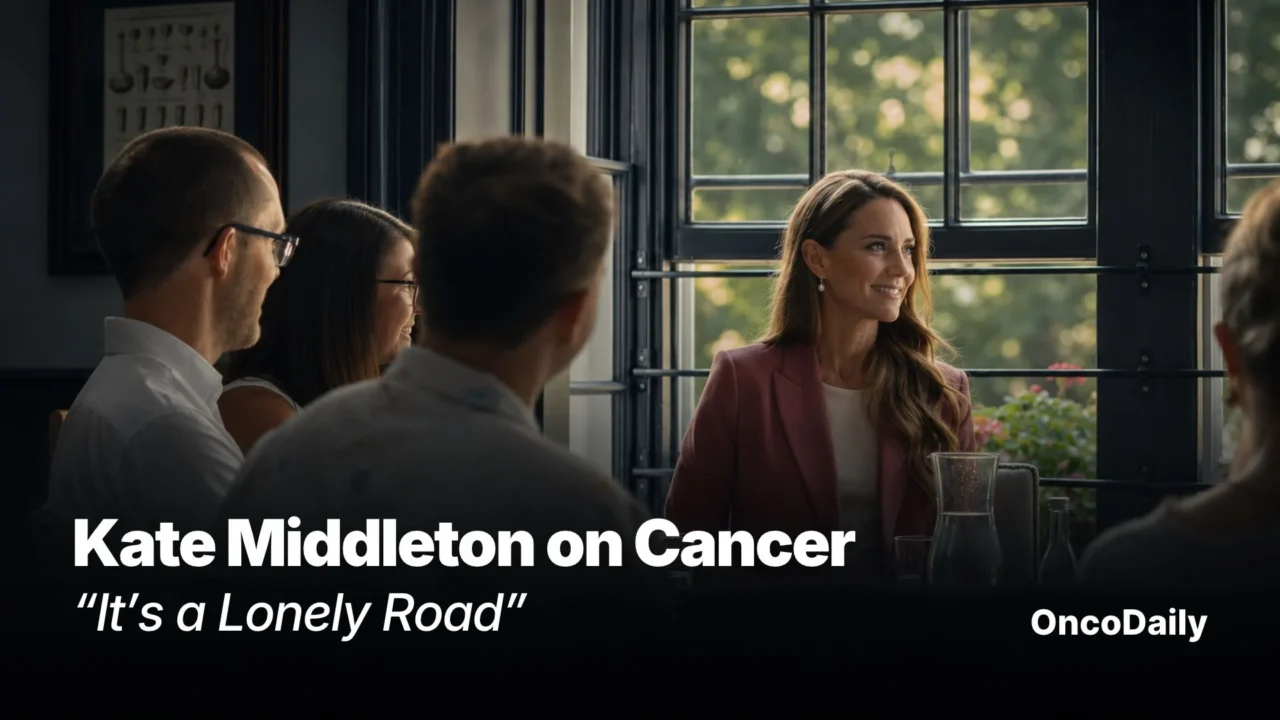
“Navigating cancer or any long-term illness is a lonely road.”
These words from Catherine, Princess of Wales, are at the heart of Heal, a new BBC documentary offering a deeply personal look at her cancer journey, recovery and the emotional challenges of life after treatment.
In new footage released by the BBC on November 27, the Princess of Wales is seen meeting patients and cancer survivors, sharing experiences she says she had previously kept largely within her family.
The 30-minute documentary, scheduled to premiere on November 29, 2026, explores a question that many cancer survivors face: What happens after treatment ends, when the physical and emotional effects of cancer remain?
Rather than focusing exclusively on her diagnosis, the film explores recovery, human connection, family support and the often-overlooked psychological consequences of cancer.
Kate Middleton Opens Up About the Loneliness of Cancer
One of the most personal moments in Heal takes place during a meeting with members of Shine Cancer Support, a UK charity supporting adults affected by cancer.
In footage filmed at a pub in Richmond, southwest London, Catherine sits with patients and survivors and speaks about the challenges of navigating her illness.
“I haven’t really explored this outside my family walls,” she admits.
The conversation marks a rare public discussion of the more private aspects of her cancer experience.
The Princess also reflects on how connecting with others who have experienced cancer has changed her understanding of her own journey.
What began as an intensely personal experience, she explains, gradually became something shared with a wider community of patients and survivors.
The meeting highlights one of the documentary’s central themes: even with family support, professional medical care and access to treatment, cancer can be an isolating experience.
For many patients, speaking with others who understand the uncertainty of diagnosis, the demands of treatment and the emotional challenges of recovery can provide a different kind of support.
From Cancer Diagnosis to Remission
Catherine’s cancer journey became public in March 2024, when she announced that tests following major abdominal surgery had revealed cancer.
She subsequently underwent chemotherapy and stepped back from most public duties while receiving treatment.
In September 2024, she announced that she had completed chemotherapy. Four months later, in January 2025, she revealed that she was in remission.
The Princess of Wales has never publicly disclosed her specific cancer diagnosis.
Her treatment took place at The Royal Marsden Hospital in London, one of the UK’s leading specialist cancer centres.
Although she gradually returned to public engagements, Catherine has repeatedly emphasized that finishing cancer treatment does not necessarily mean an immediate return to normal life.
That distinction is a central message of Heal.
In another preview released ahead of the documentary, Catherine reflects on the lasting changes caused by serious illness.
“Once you experience something like that, it’s very hard to go back to the person you were before.”
Her comments address an aspect of survivorship that is familiar to many patients: recovery is not simply the absence of active treatment, but a process of adapting to physical, psychological and emotional changes.
Three Mountains, One Personal Journey
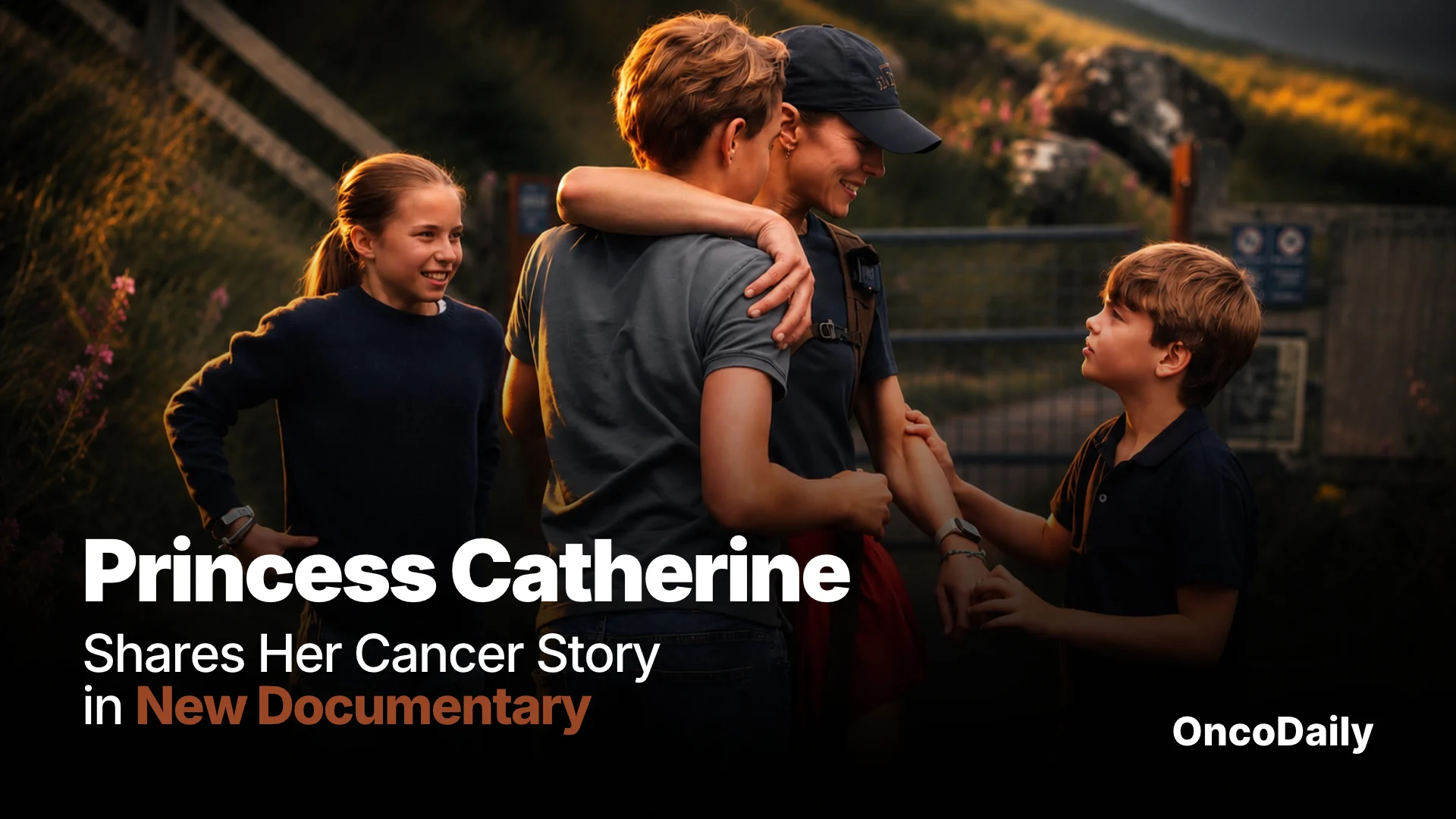
The documentary follows Catherine as she undertakes the National Three Peaks Challenge, climbing the highest mountains in Scotland, England and Wales within 24 hours.
Completed in June 2026, the challenge supports The Royal Marsden Cancer Charity and forms the visual and emotional backdrop of the film.
As Catherine travels through Britain’s mountain landscapes, she reflects on illness, vulnerability, recovery and the people who helped her along the way.
The documentary also features members of her family, including her husband, Prince William, their three children and her younger brother, James Middleton.
One particularly personal moment involves a conversation between Catherine and James about the tradition of ringing a bell to celebrate the completion of cancer treatment.
Catherine reveals that she never rang the bell after her own treatment. James suggests that completing the mountain challenge could represent her own symbolic milestone. The exchange illustrates how recovery can mean different things to different people. There is no single moment that defines the end of a cancer journey.
For Catherine, the challenge becomes an opportunity to reflect on how her experience has changed her relationship with life, family and the future.
Why Heal Matters Beyond the Royal Family
While the documentary follows one of the world’s most recognizable public figures, its central message extends far beyond the Royal Family.
Cancer survivorship is increasingly recognized as an important component of comprehensive oncology care. Patients may continue to experience fatigue, changes in physical functioning, anxiety, fear of recurrence and difficulty adjusting to everyday life long after completing treatment.
According to the US National Cancer Institute, cancer support groups can help patients feel less isolated, discuss difficult emotions and manage practical challenges related to their illness.
Such support does not replace medical treatment. Instead, it addresses needs that clinical treatment alone may not fully resolve.
The documentary’s focus on shared experiences reflects growing recognition of the importance of holistic cancer care, which considers patients’ physical, psychological, emotional and social wellbeing.
For oncologists, healthcare professionals and cancer support organizations, the film also raises an important question: How can healthcare systems better support patients after active treatment ends?
Supporting the Future of Holistic Cancer Care
Heal is also connected to a wider initiative supporting cancer care and recovery.
Funds received through the documentary’s international distribution have been directed to The Royal Marsden Cancer Charity, which supports patients living with and beyond cancer.
The charity is also working to develop a new Centre for Holistic Wellbeing and Recovery and expand access to services addressing patients’ physical, emotional and psychological needs alongside their clinical treatment. The initiative aims to help make comprehensive survivorship support a more accessible part of cancer care.
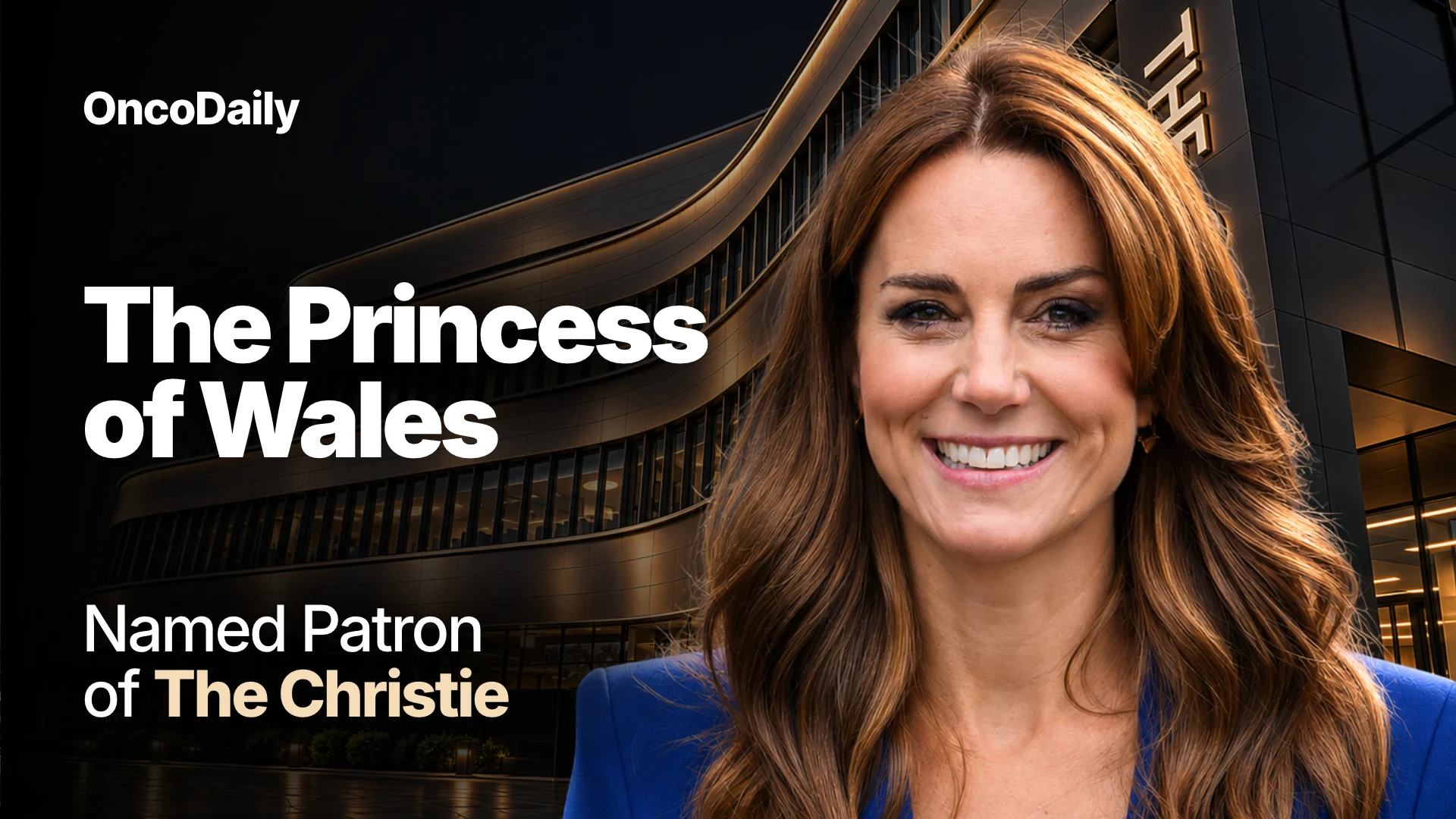
Catherine’s involvement in oncology advocacy has also continued beyond the film. On November 27, 2026, The Christie NHS Foundation Trust, a major cancer centre in Manchester, announced that she had become patron of the hospital and its supporting charity.
The appointment follows her visit to the centre earlier this year, where she met patients, families and healthcare professionals.
When and Where to Watch Heal
The documentary, officially titled Heal with The Princess of Wales, will premiere in the United Kingdom on November 29, 2026, becoming available on BBC iPlayer at 12:00 GMT and airing on BBC One at 18:40 GMT.
International broadcasts are also scheduled:
- United States: November 30 on NBC, with Peacock streaming from December 1.
- Australia: December 1 on Channel 9 and 9Now.
- Canada: December 7 on CTV and Noovo.
The film was produced by Detail Films and directed by Benji Jackson.
A Message for Everyone Living With and Beyond Cancer
For patients and families, Heal offers an opportunity to see cancer recovery discussed beyond hospital appointments, treatment schedules, and medical outcomes.
Catherine’s story is personal, but the emotions explored throughout the documentary are shared by many people affected by cancer.
The uncertainty after diagnosis, the importance of support, the changing sense of identity and the challenge of finding a new normal are all part of the broader cancer experience.
The documentary’s message is not that recovery follows a predictable path, but that patients deserve care, understanding and support throughout that process.
As Heal prepares for its international premiere, it brings attention to a reality often overlooked in discussions about successful cancer treatment:
Surviving cancer and learning to live beyond it are connected, but they are not the same journey.
Read further on OncoDaily: Hannah Fry and Cervical Cancer: The Diagnosis That Changed Her Life