
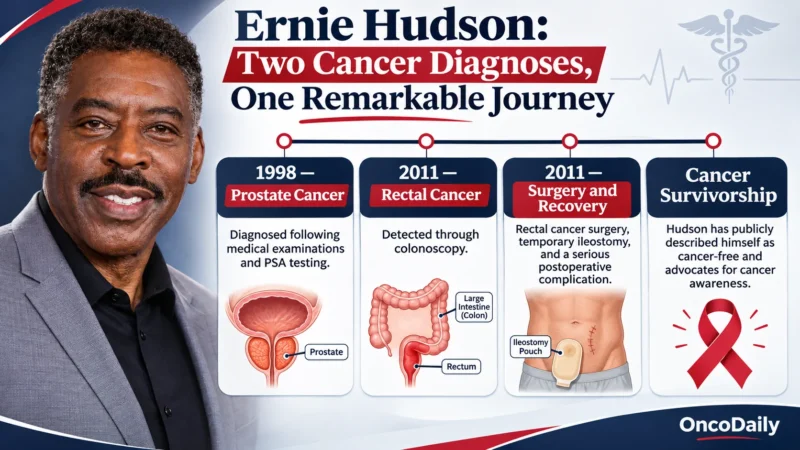
Ernie Hudson, best known for playing Winston Zeddemore in the iconic Ghostbusters films, has faced two life-threatening cancer diagnoses: prostate cancer in 1998 and rectal cancer in 2011. Although millions recognize him for his work in Hollywood, fewer know about the health challenges he experienced away from the cameras. Both cancers were detected at an early stage, allowing Hudson to receive treatment. However, his second diagnosis brought unexpected complications.
Following surgery for rectal cancer, he experienced a serious medical emergency that nearly cost him his life. Today, Hudson has spoken publicly about being cancer-free and has used his experiences to raise awareness about cancer screening, early detection, and prevention. His story highlights not only the importance of recognizing cancer before it becomes advanced but also the difficulties that can arise during treatment and recovery.
Who Is Ernie Hudson?
American actor and two-time cancer survivor Ernie Hudson was born on December 17, 1945, in Benton Harbor, Michigan. His acting career has spanned several decades, with roles in film, television, and theater. He became internationally recognized for playing Winston Zeddemore in the 1984 film Ghostbusters, alongside Bill Murray, Dan Aykroyd, and Harold Ramis. He later returned to the franchise in several sequels, including Ghostbusters: Afterlife and Ghostbusters: Frozen Empire.
Beyond Ghostbusters, Hudson has appeared in numerous productions, including The Crow, the HBO prison drama Oz, Grace and Frankie, and The Family Business. His career has continued well into his later years. For much of his professional life, audiences knew Hudson primarily through his characters. His personal experiences with cancer received wider attention when he began discussing his diagnoses, treatment, and recovery publicly. Despite his established career and active lifestyle, Hudson faced prostate cancer in his early fifties and rectal cancer more than a decade later. These experiences would eventually influence his involvement in public health advocacy.
When Was Ernie Hudson First Diagnosed With Cancer?
Ernie Hudson was first diagnosed with prostate cancer in 1998, while he was working on the television series Oz. The diagnosis followed medical examinations that identified an elevated prostate-specific antigen (PSA) level. Hudson explained in a 2024 interview with People that he had undergone a medical examination required for his television work, which revealed an abnormal PSA result. After completing filming and returning to Los Angeles, further testing showed that his PSA had increased. Doctors subsequently performed a biopsy, which confirmed prostate cancer.
Prostate cancer develops in the prostate gland, a small organ located below the bladder that contributes to the production of seminal fluid. It is one of the most commonly diagnosed cancers in men, particularly at older ages. Many early prostate cancers cause no noticeable symptoms. In other cases, patients may experience difficulty urinating, changes in urinary frequency, or blood in the urine. These symptoms can also occur with noncancerous conditions, making medical evaluation important. Hudson has credited the medical examinations with helping identify his disease before it became more advanced.
How Was Ernie Hudson’s Prostate Cancer Treated?
Hudson has publicly reported receiving radiation therapy for his prostate cancer. Radiation therapy uses high-energy radiation to damage the DNA of cancer cells, preventing them from continuing to grow and divide. It is an established treatment for localized prostate cancer, although the appropriate approach depends on the patient’s risk category, disease stage, age, overall health, and preferences.
His publicly available interviews do not establish every technical detail of his radiation treatment, including the exact dose, schedule, or method used. However, Hudson has described the treatment as successful and has spoken about his subsequent recovery. His experience demonstrates that prostate cancer can sometimes be diagnosed before significant symptoms develop, although the benefits and potential harms of PSA screening must always be considered.
Why Was Early Detection Important in Ernie Hudson’s Cancer Journey?
One of the most consistent messages in Hudson’s public discussions about cancer is the importance of medical examinations and appropriate screening. According to the Prevent Cancer Foundation, both of Hudson’s cancers were detected early, helping make treatment more effective. Cancer screening aims to identify certain cancers or precancerous changes before symptoms appear. Depending on the disease, this may make it possible to diagnose cancer at an earlier stage, when more treatment options are available. However, screening approaches differ considerably between prostate and colorectal cancer.
How Is Prostate Cancer Detected?
Prostate cancer screening primarily involves measuring PSA levels through a blood test. PSA is a protein produced by prostate cells, and elevated levels may indicate cancer or other conditions, including benign prostate enlargement or inflammation.
A digital rectal examination may also be used in selected circumstances. An elevated PSA level does not automatically mean that someone has prostate cancer. Further assessment may involve repeat testing, prostate MRI, and biopsy. Importantly, prostate cancer screening is not recommended identically for everyone. Decisions should consider age, family history, personal risk, life expectancy, and the potential harms of unnecessary testing or treatment.
How Is Colorectal Cancer Detected?
Colorectal cancer screening can involve colonoscopy, stool-based testing, or other approved methods. During a colonoscopy, a physician examines the inside of the colon and rectum using a flexible instrument equipped with a camera. Suspicious tissue can be biopsied, and certain precancerous polyps can be removed during the examination.
For adults at average risk, colorectal cancer screening generally begins at age 45 in the United States. People with certain family histories, hereditary cancer syndromes, or other risk factors may need screening earlier. Colorectal screening is particularly valuable because it can sometimes prevent cancer by identifying and removing precancerous polyps. Hudson’s experience illustrates the potential value of appropriate screening, but it should not be interpreted as a guarantee that all cancers can be prevented or successfully treated through early detection.
How Was Ernie Hudson Diagnosed With Rectal Cancer in 2011?
More than a decade after his prostate cancer diagnosis, Hudson faced a second cancer diagnosis. In 2011, he was diagnosed with rectal cancer after a colonoscopy detected an abnormal area in his rectum. A subsequent examination confirmed that the growth was malignant. At the time, Hudson was preparing for a physically demanding theater role portraying boxer Jack Johnson. Although he considered himself healthy and physically fit, he decided to undergo additional medical examinations before beginning the production. Those examinations revealed the cancer.
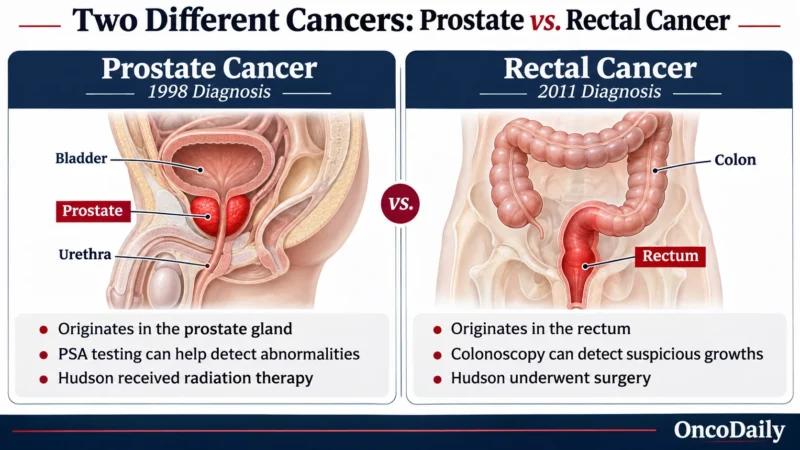
Rectal cancer is a type of colorectal cancer that develops in the rectum, the final section of the large intestine before the anus. Although colon and rectal cancers share many biological characteristics, their treatment approaches may differ because of the rectum’s anatomical location within the pelvis and its proximity to other organs. Possible symptoms of rectal cancer include rectal bleeding, changes in bowel habits, a persistent sensation of incomplete bowel emptying, unexplained weight loss, and abdominal discomfort. However, early rectal cancer may cause few or no symptoms.
What Treatment Did Ernie Hudson Receive for Rectal Cancer?
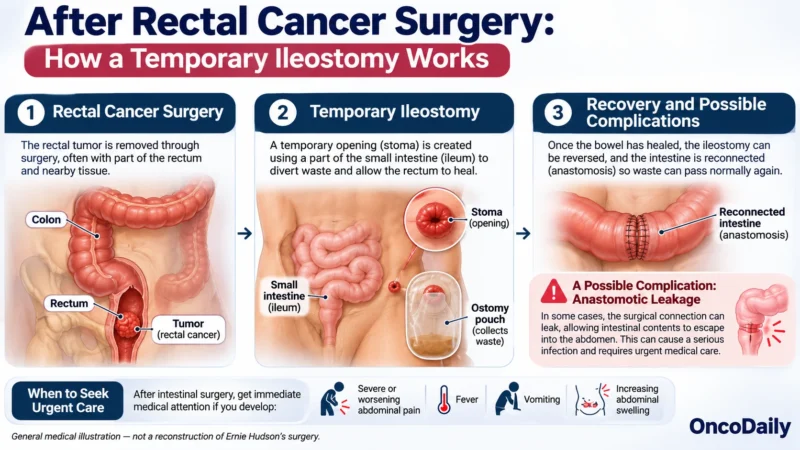
Following his diagnosis, Hudson underwent surgery to remove the cancer. Surgery is an important treatment for many patients with localized rectal cancer. The type of procedure depends on the tumor’s location, size, stage, and relationship to surrounding structures. For some patients, surgeons can remove the cancer while preserving normal bowel function. Others may require more extensive surgery, sometimes involving a temporary or permanent stoma. After his operation, Hudson needed a temporary ileostomy.
An ileostomy is a surgically created opening in the abdomen that allows intestinal waste to leave the body through a portion of the small intestine. The waste is collected in a specialized external pouch. Temporary ileostomies are sometimes used following rectal cancer surgery to divert intestinal contents away from a healing surgical connection. This can help reduce the consequences of complications while the bowel heals. According to Hudson’s account, wearing the ileostomy appliance was particularly challenging because he continued working during his recovery. He also experienced considerable discomfort. Although he had successfully undergone cancer surgery, an unexpected complication would soon turn his recovery into a medical emergency.
What Medical Emergency Did Ernie Hudson Experience After Cancer Surgery?
Hudson has described the period following his rectal cancer surgery as one of the most frightening experiences of his life. After the initial operation, he was told that his temporary ileostomy could be reversed after approximately six weeks. However, Hudson later said that the reversal had occurred too early and that his bowel required more time to heal.
Following the procedure, he developed sudden, severe abdominal pain. In a 2024 interview with People, Hudson recalled waking up with an extremely rigid abdomen on a day when he was preparing to travel. His wife, Linda Kingsberg, urged him to seek immediate medical attention. He was taken to the hospital, where doctors discovered a serious internal complication. Hudson described being told that harmful intestinal contents had entered his body and that delaying emergency treatment could have been fatal.
Why Can Complications Occur After Ileostomy Reversal?
An ileostomy reversal involves reconnecting or restoring the intestinal pathway so that stool can pass through the bowel again. Although many patients recover successfully, complications can occur. One potentially serious complication is an anastomotic leak, which happens when a surgical connection between sections of intestine fails to heal adequately, allowing intestinal contents to escape into surrounding tissues. This can cause inflammation, infection, abscess formation, peritonitis, or sepsis. Symptoms may include severe abdominal pain, fever, abdominal swelling, vomiting, and rapid deterioration in general health. Such complications require urgent medical assessment and may require antibiotics, drainage procedures, or additional surgery.
Hudson’s description is consistent with a serious postoperative intestinal complication. However, his full surgical records are not publicly available, so the exact anatomical location and mechanism of the reported rupture cannot be independently established. It is also important to recognize that the appropriate timing of ileostomy reversal varies between patients. Healing must be assessed individually, and a particular waiting period cannot be considered universally safe for everyone.
How Did Ernie Hudson Survive the Complication?
Hudson underwent emergency medical treatment and required another operation. He subsequently had to use an ileostomy bag again while his bowel recovered. In later interviews, he explained that the experience made him confront the possibility that he might not survive. In a discussion revisited in February 2026, Hudson described contacting his sons during the emergency because he feared that he might not have another opportunity to speak to them. The experience profoundly affected his understanding of life, family, and success. Hudson eventually recovered, but the incident demonstrates an important reality of cancer treatment: even after successful removal of a tumor, recovery may involve serious medical challenges.
Did Ernie Hudson Receive Radiation Therapy for Rectal Cancer?
Radiation therapy is an established component of treatment for some patients with rectal cancer, particularly when the tumor is locally advanced or when there is concern about the risk of local recurrence. It may be delivered before surgery, sometimes together with chemotherapy, to reduce tumor burden and improve the likelihood of successful removal. In selected cases, radiation may be incorporated into a broader treatment strategy that includes chemotherapy and surgery. However, not every patient with rectal cancer requires radiation. Treatment depends on tumor stage, MRI findings, surgical considerations, molecular characteristics, and the patient’s general health.
In Hudson’s case, publicly documented reporting specifically confirms radiation therapy for his earlier prostate cancer. His available interviews confirm surgery for rectal cancer, but do not provide sufficient detail to establish a separate rectal radiation regimen. It would therefore be inappropriate to assume that he received radiation for both cancers or to reconstruct a complete treatment protocol without supporting medical documentation. Hudson’s recovery from rectal cancer involved surgery, postoperative complications, additional medical treatment, and a prolonged healing process. His experience highlights why rectal cancer treatment often requires coordinated care involving surgeons, oncologists, radiologists, specialized nurses, and rehabilitation professionals.
Is Ernie Hudson Cancer-Free Today?
The Prevent Cancer Foundation has publicly described Ernie Hudson as cancer-free following his two cancer diagnoses. After receiving treatment for prostate cancer in 1998 and rectal cancer in 2011, Hudson returned to his acting career and continued participating in public discussions about cancer awareness and prevention.
In oncology, the term cancer-free commonly indicates that there is no detectable evidence of active cancer at the time of evaluation. This may also be described as no evidence of disease, although the precise terminology depends on the clinical circumstances. Importantly, being cancer-free does not always mean that recurrence is impossible. Patients who have undergone cancer treatment may require continued medical follow-up to monitor for recurrence, assess long-term treatment effects, and address other health concerns.
Follow-up after prostate cancer frequently includes PSA monitoring, while surveillance after rectal cancer may involve clinical examinations, colonoscopy, imaging, or other investigations depending on the original disease stage and treatment. Hudson has continued to maintain an active professional life, appearing in film and television productions decades after his first diagnosis. His experience offers an example of long-term survivorship while also illustrating that cancer recovery may involve physical, psychological, and practical challenges beyond the initial treatment.
How Did Ernie Hudson Become an Advocate for Cancer Prevention?
After surviving two separate cancer diagnoses, Ernie Hudson began using his public platform to encourage conversations about cancer prevention, screening, and early detection. In December 2019, the Prevent Cancer Foundation announced Hudson as a national spokesperson for its Think About the Link campaign. The initiative was developed to raise public awareness about the relationship between certain viral infections and cancer, particularly human papillomavirus (HPV), hepatitis B, and hepatitis C. Through his involvement, Hudson helped communicate the importance of vaccination, preventive healthcare, and understanding cancer risk factors.
What Is the Think About the Link Campaign?
The Think About the Link campaign focuses on cancers associated with infections that may be preventable or treatable. HPV is responsible for nearly all cervical cancers and contributes to several other malignancies, including anal, oropharyngeal, penile, vaginal, and vulvar cancers. Vaccination against HPV can prevent infections with high-risk viral types that cause many of these cancers. Hepatitis B and hepatitis C infections can also increase the risk of liver cancer. Hepatitis B vaccination and effective treatment for chronic hepatitis infections are important cancer prevention strategies.
Hudson’s participation in the campaign was motivated by his personal experiences as a cancer survivor and his desire to protect others from preventable cancers. However, his prostate and rectal cancer diagnoses should not be interpreted as evidence that either cancer was caused by HPV or another viral infection. No such causal relationship has been established in his publicly available medical history.His advocacy therefore extends beyond the specific cancers he experienced. It reflects a broader commitment to helping people understand how screening, vaccination, and timely medical care can reduce the burden of cancer.
What Can Patients Learn From Ernie Hudson’s Cancer Story?
Ernie Hudson’s experience offers several lessons about cancer diagnosis, treatment, and survivorship. Perhaps the most important is that feeling healthy does not necessarily mean that cancer is absent. Hudson was physically active and preparing for demanding professional roles when medical examinations helped identify his cancers. His story also demonstrates that cancer treatment does not always follow a straightforward path. The diagnosis may be made early, and the primary tumor may be successfully treated, yet patients can still encounter significant complications during recovery. For people undergoing cancer treatment, this reinforces the importance of understanding potential side effects, reporting new symptoms, and maintaining communication with their medical team.
Hudson’s experience with postoperative abdominal pain is particularly significant. Severe or worsening abdominal pain after intestinal surgery should never be ignored, especially when accompanied by fever, vomiting, abdominal swelling, or general deterioration.
His story also emphasizes the value of family support. During his medical emergency, his wife’s insistence that he seek hospital care played an important role in obtaining timely treatment. Beyond the medical aspects, Hudson’s experience highlights how life after cancer can involve changes in priorities, personal relationships, and attitudes toward health. Surviving cancer does not mean that every physical or emotional challenge disappears once treatment ends. For some patients, recovery involves additional surgery, rehabilitation, adjustment to changes in bowel or urinary function, and ongoing surveillance. For others, the psychological consequences of diagnosis and treatment may persist long after the cancer itself is no longer detectable.
Hudson has spoken about how his health experiences changed his perspective on success and what matters most in life. His decision to discuss those experiences publicly has also contributed to broader conversations about cancer awareness. While no individual cancer journey represents every patient’s experience, sharing personal stories can encourage people to ask questions, seek appropriate care, and feel less isolated when facing a diagnosis.
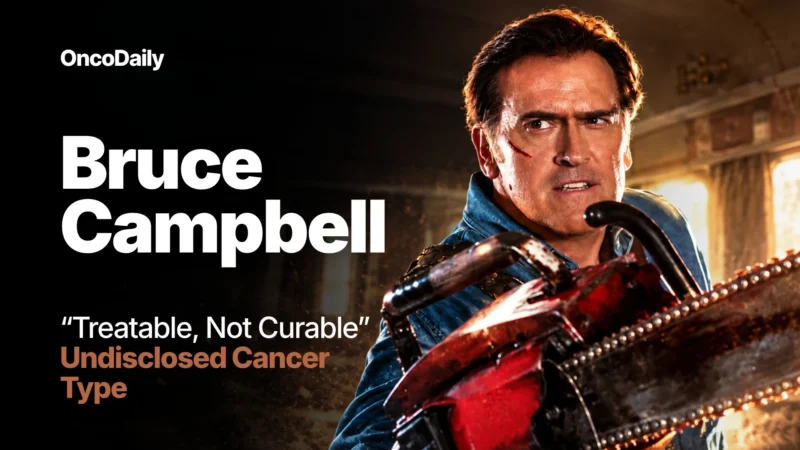
You Can Also Read Bruce Campbell Cancer Update: What We Know About His Diagnosis, Treatment, and Five-Year Prognosis by OncoDaily
Written by Aharon Tsaturyan, MD, Editor at OncoDaily Intelligence Unit
FAQ
What type of cancer did Ernie Hudson have?
Ernie Hudson was diagnosed with two separate cancers: prostate cancer in 1998 and rectal cancer in 2011. Both were reportedly detected early, allowing him to receive treatment.
Is Ernie Hudson cancer-free today?
Ernie Hudson has publicly described himself as cancer-free following treatment for prostate and rectal cancer. He has continued his acting career and advocates for cancer prevention and early detection.
How did Ernie Hudson discover he had prostate cancer?
Hudson's prostate cancer was discovered in 1998 after medical examinations revealed elevated prostate-specific antigen (PSA) levels. Further testing, including a biopsy, confirmed the diagnosis.
How was Ernie Hudson's prostate cancer treated?
Ernie Hudson has reported receiving radiation therapy for prostate cancer. Radiation uses high-energy beams to destroy cancer cells and is an established treatment option for localized prostate cancer.
When was Ernie Hudson diagnosed with rectal cancer?
Ernie Hudson was diagnosed with rectal cancer in 2011, approximately 13 years after his prostate cancer diagnosis. The cancer was discovered during a colonoscopy performed as part of his medical evaluation.
Did Ernie Hudson undergo surgery for rectal cancer?
Yes. Hudson underwent surgery to remove his rectal cancer. During recovery, he temporarily required an ileostomy, a surgically created opening that allows intestinal waste to pass into an external collection pouch.
Did Ernie Hudson nearly die after cancer surgery?
Yes. Hudson has described experiencing a life-threatening complication following ileostomy reversal. He developed severe abdominal pain and required emergency treatment and additional surgery after intestinal contents reportedly leaked into his abdomen.
What is an ileostomy, and why did Ernie Hudson need one?
An ileostomy is a surgical opening that connects part of the small intestine to the abdominal wall, allowing waste to collect in an external pouch. Hudson temporarily required one during recovery from rectal cancer surgery.
How old was Ernie Hudson when he was diagnosed with cancer?
Ernie Hudson was 52 years old when diagnosed with prostate cancer in 1998 and 65 years old when diagnosed with rectal cancer in 2011. His experience highlights the importance of age-appropriate cancer screening.
How did Ernie Hudson become an advocate for cancer awareness?
After surviving two cancers, Hudson became a national spokesperson for the Prevent Cancer Foundation's Think About the Link campaign in 2019. He has encouraged cancer prevention, appropriate screening, and awareness of infection-related cancers.