
Scientific Highlights from ESMO 2026
Yakup Ergün, Medical Oncologist at Bower Hospital, shared on X:
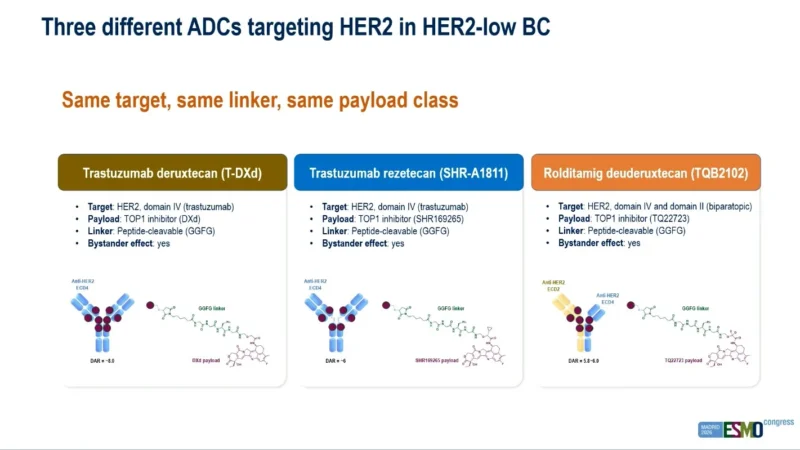
“Three HER2-targeting ADCs in HER2-low breast cancer.
Same target, same linker, same payload class (TOP1 inhibitors).
Three ADCs superior to chemotherapy. Three me-too ADCs?
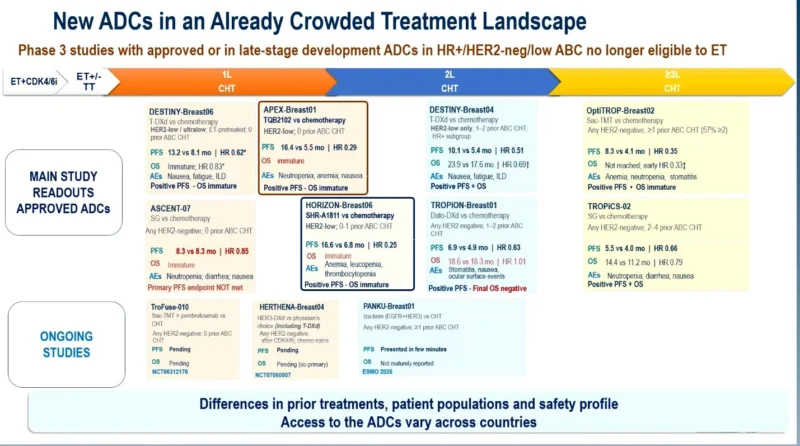
An increasingly crowded ADC landscape in HR+/HER2− mBC, with multiple positive trials but unanswered questions about optimal sequencing.
From Dr. Babrara Pastilli’s excellent discussion at ESMO26․
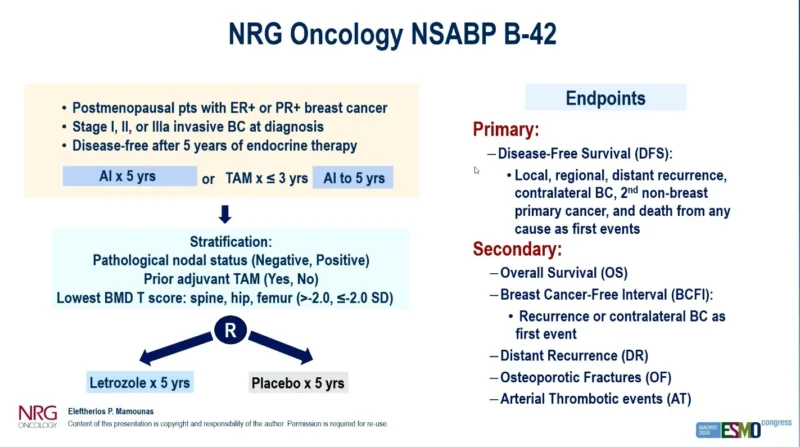
ESMO26 | NSABP B-42 – 15-year final analysis
After 5 years of AI-based therapy, an additional 5 years of letrozole․
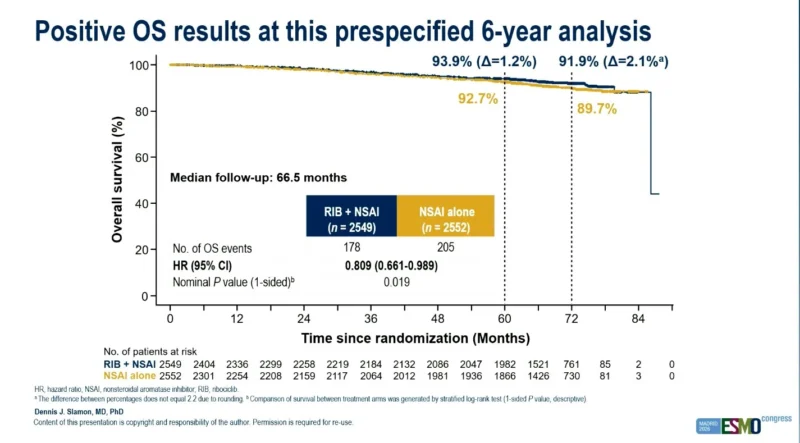
At 6 years, OS: 91.9% vs 89.7% (HR 0.81; nominal p=0.019).
BCSS benefit is also encouraging (HR 0.71).
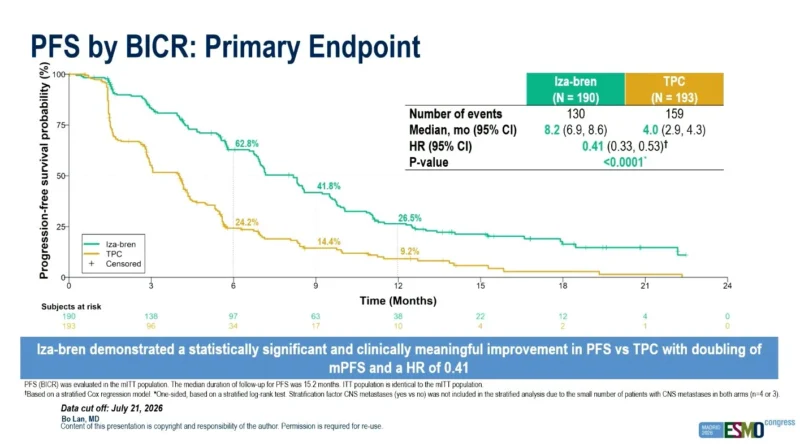
ESMO26 | PANKU-Breast01
In HR+/HER2− mBC, after CDK4/6i and 1–2 prior chemotherapy lines:
Iza-bren vs chemotherapy: PFS: 8.2 vs 4.0 months (HR 0.41); ORR: 40.5% vs 20.2%
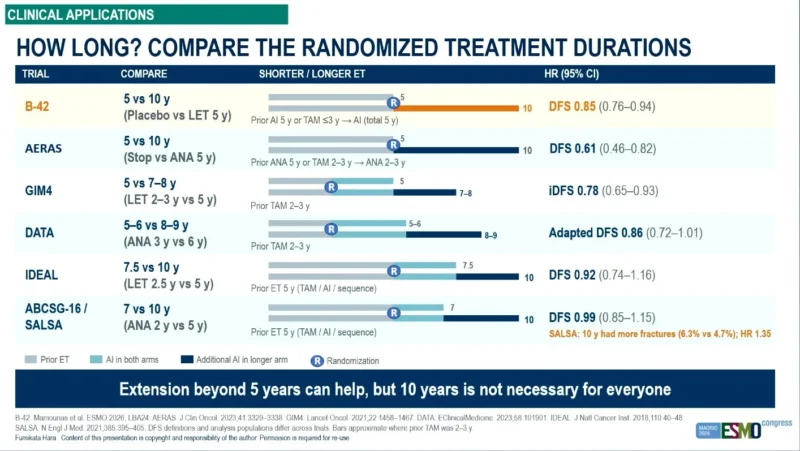
Optimal duration of adjuvant endocrine therapy: 5, 7–8, or 10 years?
From Dr. Fumikata Hara’s excellent discussion.
ESMO26 | TALENT
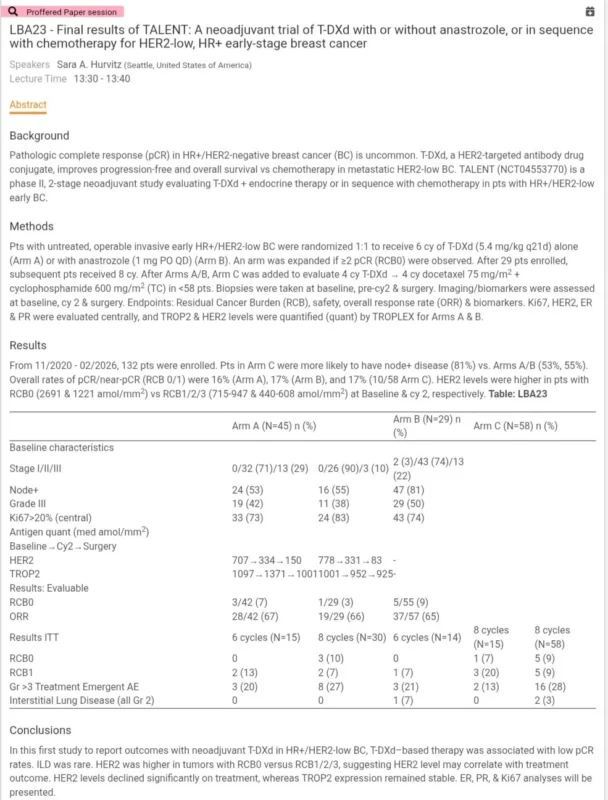
Neoadjuvant T-DXd showed very low pCR rates in HR+/HER2-low early breast cancer:
- T-DXd: 7%
- T-DXd + anastrozole: 3%
- T-DXd – chemotherapy: 9%
We should remember that pCR is a limited surrogate endpoint in HR+ disease. However, these results do not support T-DXd as an alternative to standard neoadjuvant chemotherapy.
Moreover, given the heterogeneity of HER2-low disease, I find it unsurprising that the success of T-DXd in the metastatic setting does not translate into similar outcomes in early-stage disease, despite the lower tumor burden.
In TALENT, adding anastrozole did not increase pCR. In light of these data, how should we approach concurrent ET with T-DXd in DB-05/09? Are subgroup results by ET use available?
What are your thoughts?
ESMO26 | DESTINY-Breast11
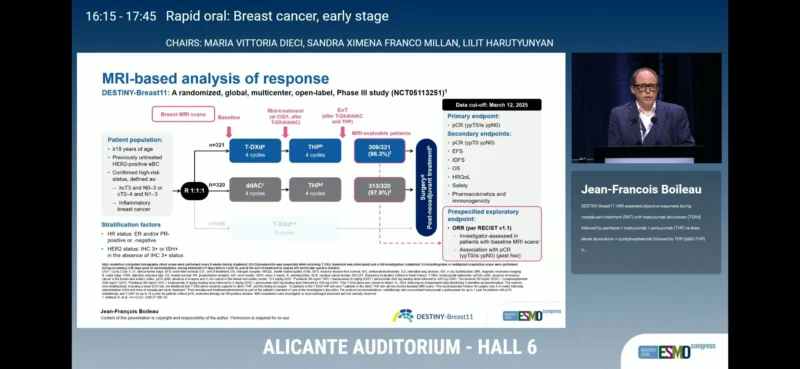
MRI response does not reliably predict pCR.
An important limitation for response-guided personalization of neoadjuvant treatment.
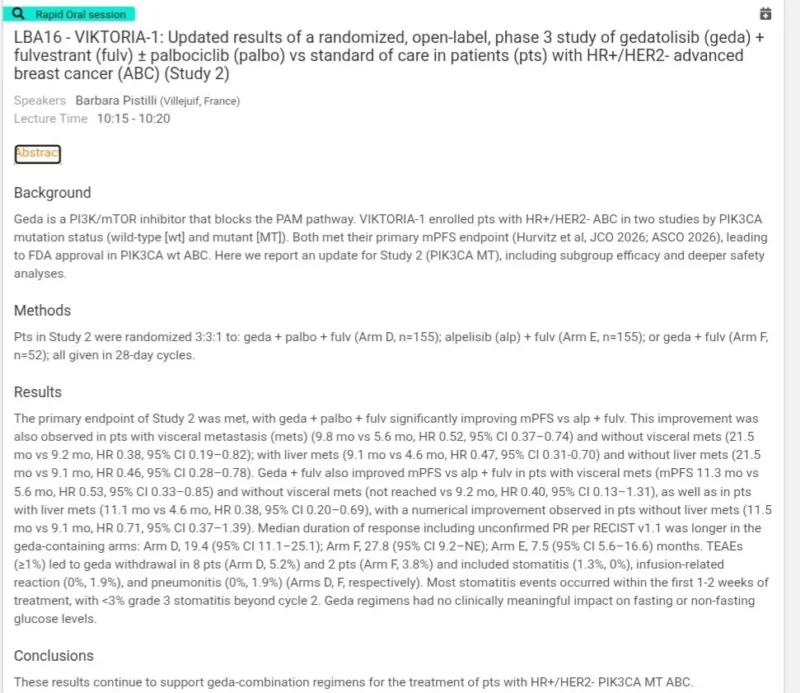
ESMO26 | VIKTORIA-1, Study 2 – Updated Results
In PIK3CA-mutant HR+/HER2− advanced breast cancer, gedatolisib + fulvestrant + palbociclib maintained its PFS benefit over alpelisib + fulvestrant (9.8 vs 5.6 months; HR 0.52). Median PFS was 11.1 months at ASCO26.
The benefit was observed with and without visceral metastases (HR 0.38 and 0.46, respectively).
The contribution of palbociclib remains unclear, and IV administration continues to be a practical limitation.
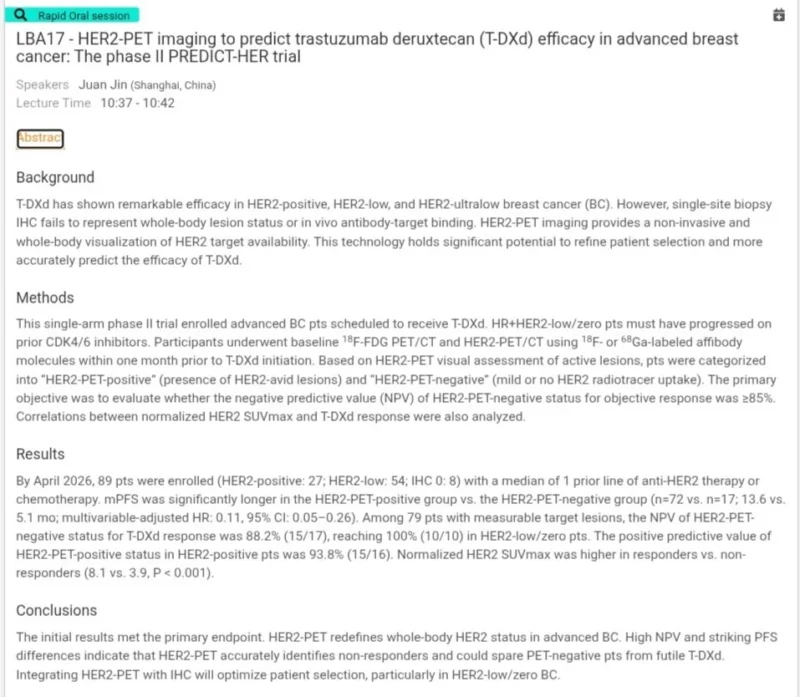
ESMO26 | PREDICT-HER – Phase II
Can we biopsy every metastatic lesion in breast cancer? No.
But can we indirectly assess whole-body HER2 expression using HER2-PET? Possibly!
In 89 patients receiving T-DXd, median PFS was 27.5 vs 13.6 months in HER2-PET-positive vs negative patients (HR 0.11).
In HER2-low/zero patients, HER2-PET positivity had a 93.8% positive predictive value for response.
An exciting approach to capturing HER2 heterogeneity and refining patient selection for T-DXd.
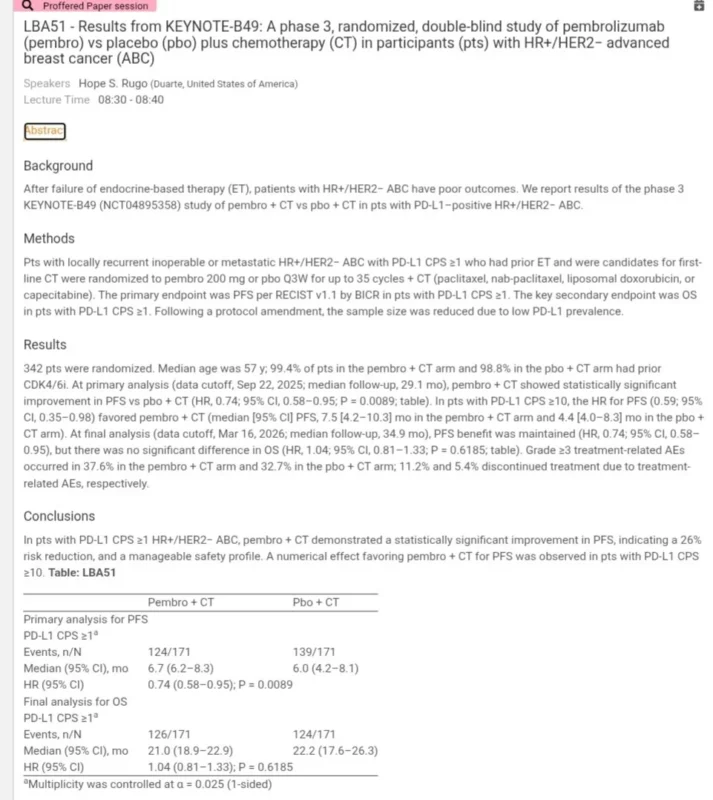
ESMO26 | KEYNOTE-B49
In patients with PD-L1 CPS ≥1, HR+/HER2− mBC previously treated with ET, pembro + chemo was compared with chemo․
- PFS: 6.7 vs 6.0 mo (HR 0.74)
- OS: 21.0 vs 22.2 mo (HR 1.04)
- CPS ≥10: PFS HR 0.59
I’m curious to see the subgroup analyses presented at ESMO. However, in the ADC era, this modest PFS benefit without an OS advantage has little clinical relevance to me.
Evaluating immunotherapy in combination with ADCs or after ADC treatment may be more rational in today’s treatment landscape.
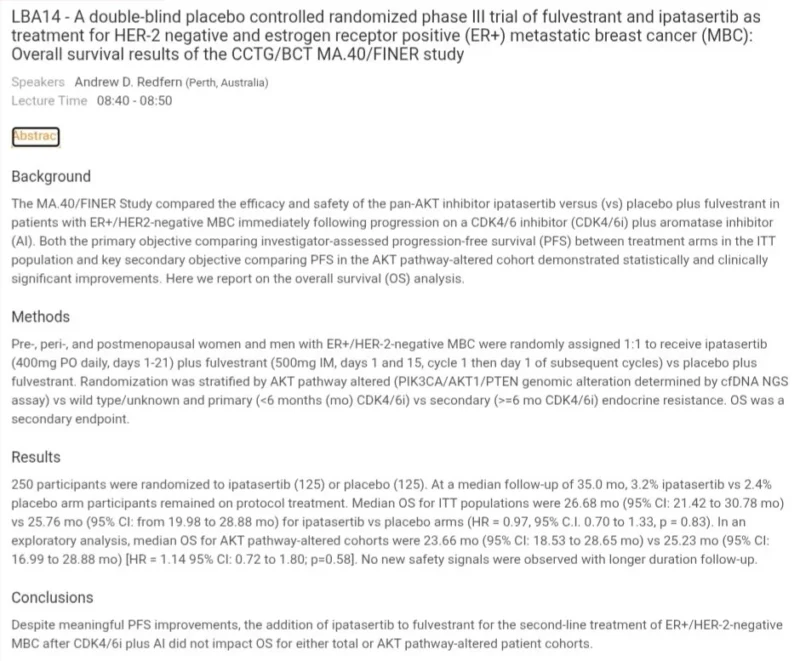
ESMO26 | FINER
In HR+/HER2− mBC, ipatasertib + fulvestrant failed to demonstrate an OS benefit despite improving PFS (26.7 vs 25.8 mo; HR 1.14).
No OS benefit was observed in patients with AKT pathway alterations either (HR 1.14)!
I’m eagerly awaiting the presentation details to better understand why the PFS benefit did not translate into an OS advantage.
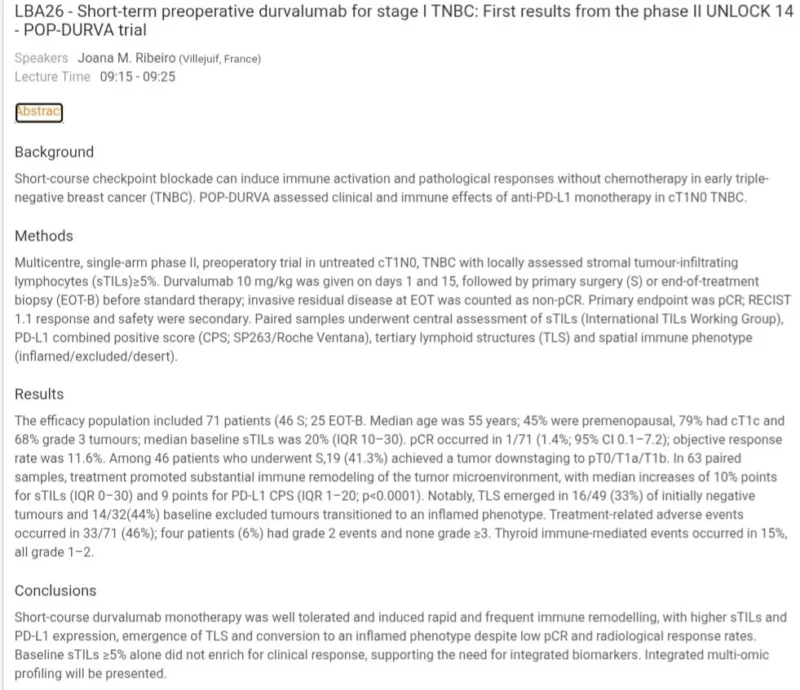
ESMO26 | POP-DURVA
In stage I TNBC, the clinical and immunological effects of a single dose of durvalumab without chemo were evaluated (n=71).
- pCR: 1.7%
- Objective response: 11.6%
- Tumor shrinkage: 41.3%
- Conversion to an inflamed phenotype: 33% of initially immune-negative tumors.
A single dose of immunotherapy induced substantial immune activation, but pathological response was very limited.
The main value of this study lies in identifying potential biomarkers of immunotherapy sensitivity rather than demonstrating the efficacy of a chemo-free approach. However, results after only 15 days of treatment cannot establish the efficacy of longer-term monotherapy.
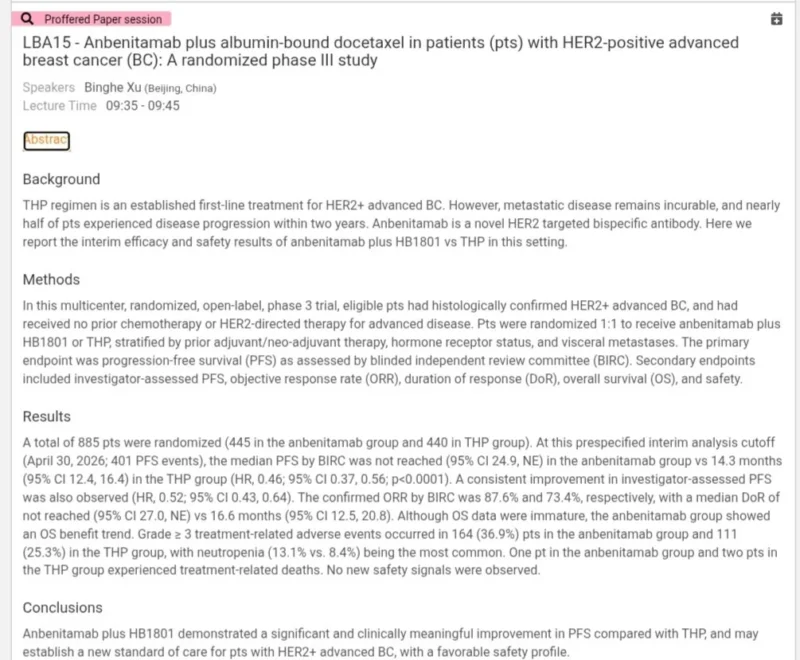
ESMO26 | Anbenitamab – Phase III
In first-line HER2+ mBC, anbenitamab (a HER2 bispecific antibody) + nab-paclitaxel was compared with THP.
- PFS: Not reached vs 14.3 months (HR 0.46)
- ORR: 87.6% vs 73.4%
- OS: Still immature.
An impressive PFS benefit! However, the use of different chemotherapy regimens in the two arms makes it difficult to determine the independent contribution of anbenitamab.”
You can also read: NATALEE: Ribociclib Delivers Overall Survival Benefit at 6 Years in HR+/HER2− Early Breast Cancer