





The Royal Marsden NHS Foundation Trust shared on LinkedIn:
“68 per cent of patients with a type of locally advanced rectal cancer (LARC) remained cancer-free for at least 12 months after treatment with immunotherapy drug dostarlimab.
These results from the global Phase II trial AZUR-1, for which The Royal Marsden NHS Foundation Trust was one of three recruiting UK centres, were presented recently at the 2026 ESMO (European Society for Medical Oncology) Congress.
The standard treatment for patients with LARC involves chemotherapy, radiotherapy or a combination of both before a patient undergoes surgery. Radiation can lead to long-term sexual and urinary problems and surgery can involve removing the rectum and a permanent stoma bag.
The aim of the AZUR-1 trial was to understand whether patients with a type of LARC called mismatch repair-deficient or microsatellite instability-high (dMMR/MSI-H) could instead benefit from treatment with a single immunotherapy drug, dostarlimab, and therefore avoid radiation and surgery.
The researchers discovered that, of 154 patients who received dostarlimab, 68 per cent of those evaluable achieved a complete response, meaning their tumours were no longer visible on scans, for at least 12 months without any further treatment. Overall, 93 per cent of patients were still under surveillance with no signs of disease progression.
These results have led to a historic decision by the US Food and Drug Agency (FDA) to grant accelerated approval for the use of dostarlimab for use in dMMR rectal cancer patients, due to its potential significance and impact on patients based on complete clinical response at 12 months.
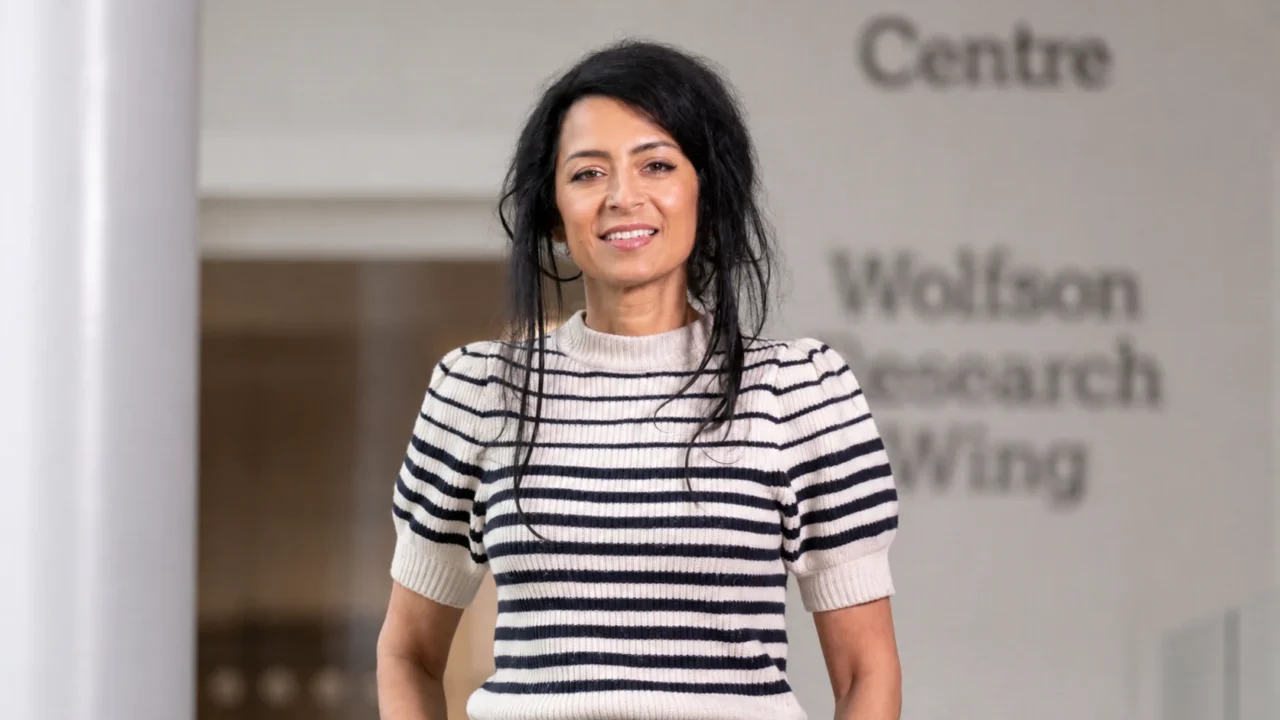
Professor Naureen Starling, Consultant Medical Oncologist at The Royal Marsden NHS Foundation Trust and Professor in Gastrointestinal Cancers at The The Institute of Cancer Research, and National Coordinating Investigator for AZUR-1 in the UK, said:
‘These results are nothing short of remarkable, as reflected by the FDA’s decision to grant accelerated approval for use of dostarlimab in this context. Following treatment with dostarlimab alone, the majority of patients with mismatch repair-deficient (dMMR) locally advanced rectal cancer (LARC), were able avoid the potentially life-altering side effects from radiotherapy or surgery. This response to immunotherapy is unprecedented, and will be truly transformational for these patients.’”
The Royal Marsden NHS Foundation Trust is one of the UK’s leading cancer hospitals. Founded in 1851, it specialises in cancer care, research, diagnosis and treatment, and has a long-standing partnership with The Institute of Cancer Research (ICR) to help advance cancer research and improve treatment options.
Its involvement in AZUR-1
The Royal Marsden was one of three UK centres involved in recruiting patients for the international Phase II AZUR-1 trial. The study looked at whether dostarlimab, an immunotherapy drug, could treat patients with dMMR/MSI-H locally advanced rectal cancer without the need for conventional treatments such as radiotherapy or surgery. Professor Naureen Starling, a consultant at the hospital, led the trial’s coordination in the UK as its National Coordinating Investigator.
Professor Naureen Starling
Professor Naureen Starling is a Consultant Medical Oncologist at The Royal Marsden and Professor of Gastrointestinal Cancers at The Institute of Cancer Research in London.
Her clinical and research work centres on gastrointestinal cancers, including colorectal, pancreatic, stomach and oesophageal cancers. She is involved in clinical trials exploring new approaches to cancer treatment, with a particular interest in immunotherapy and personalised medicine.
You may also be interested in: AZUR-1 at ESMO 2026: Dostarlimab monotherapy in dMMR/MSI-H Locally Advanced Rectal Cancer