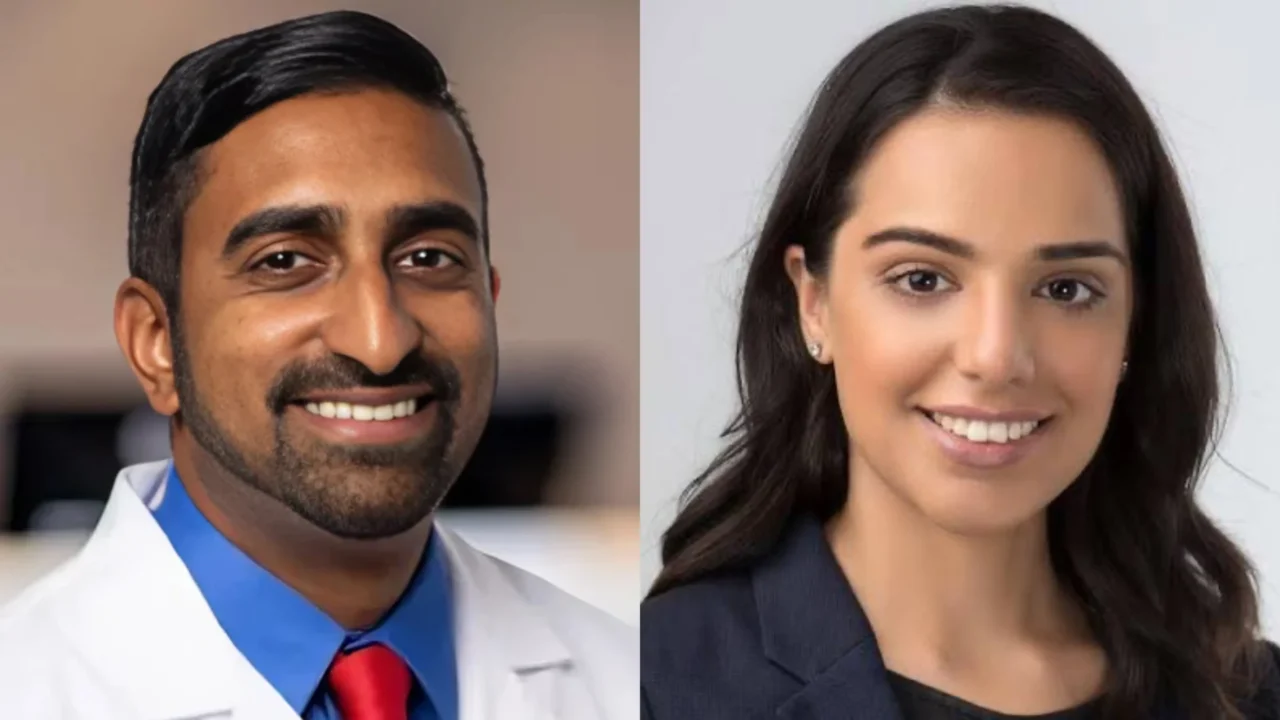
Matthew Kurian, Physician at St. Elizabeth Healthcare, shared on LinkedIn:
“TumorSight Risk recently received FDA 510(k) clearance, marking another step forward for AI in breast oncology.
Importantly, this tool is currently intended for HR+/HER2− breast cancer ONLY – not triple-negative or HER2+ disease.
Unlike traditional genomic assays, it combines preoperative breast MRI with clinical and pathology data to estimate recurrence risk.
American Society of Clinical Oncology (ASCO) 2026 Data
n=2,129; multicenter validation
- 2.71× higher recurrence hazard in high- vs low-risk patients (HR 2.71; 95% CI 1.95–3.76), using a prespecified cutoff ≥47.
- 5-year recurrence-free survival: 89.6% vs 95.5% (high vs low risk).
- Prognostic significance persisted after adjusting for T/N stage, grade, age, race, and treatment (p=0.002).
Why does this matter?
We may be able to risk-stratify patients earlier, potentially before definitive surgery, rather than waiting for surgical pathology.
Important caveats:
- FDA clearance permits marketing for its intended use, not proof of improved outcomes.
- Prognostic is not predictive of chemotherapy benefit.
- Clinical utility and comparisons with genomic assays remain unproven.
Big question: Will Mammaprint and Oncotype be a thing of the past with new prognostic and predictive AI tools entering the field?”
To which Jasmin Hundal, Former Chair of Hematology-Oncology Research Fellowship Working Group at Cleveland Clinic, added:
“Exciting to see this next step in AI enabled breast cancer care.
What stands out to me is the shift from AI for detection to AI for prognostication. We are beginning to extract clinically meaningful risk information from data already generated during routine care, including imaging, pathology, and clinical variables, and potentially much earlier in the treatment journey.
The next frontier is clinical utility. Can these tools meaningfully inform treatment decisions, reduce unnecessary therapy, improve outcomes, and expand access to personalized risk assessment?
I suspect the future will be multimodal risk prediction, integrating imaging, pathology, genomics, and clinical data to increasingly individualize breast cancer care.
An exciting space to watch.”
You can also read: