The 2026 ESMO Clinical Practice Guideline for metastatic breast cancer reflects how profoundly the treatment of advanced breast cancer has changed since the previous guideline era.
Metastatic breast cancer is no longer managed primarily through three broad categories defined by estrogen receptor, HER2 and triple-negative status. The updated guideline increasingly requires clinicians to integrate receptor reassessment, germline genetics, somatic alterations, circulating tumor DNA, HER2-low and HER2-ultralow expression, PD-L1 status, previous treatment exposure, endocrine sensitivity, CNS involvement and disease tempo before selecting therapy.
Across ER-positive/HER2-negative, HER2-positive and triple-negative disease, the same theme emerges: treatment sequencing is becoming progressively more individualized, while antibody-drug conjugates, oral endocrine therapies and molecularly selected targeted agents move earlier in the metastatic pathway. The guideline, developed by E. de Azambuja and colleagues on behalf of the ESMO Guidelines Committee, was updated in May 2026 and supersedes the previous 2021 ESMO metastatic breast cancer guideline.
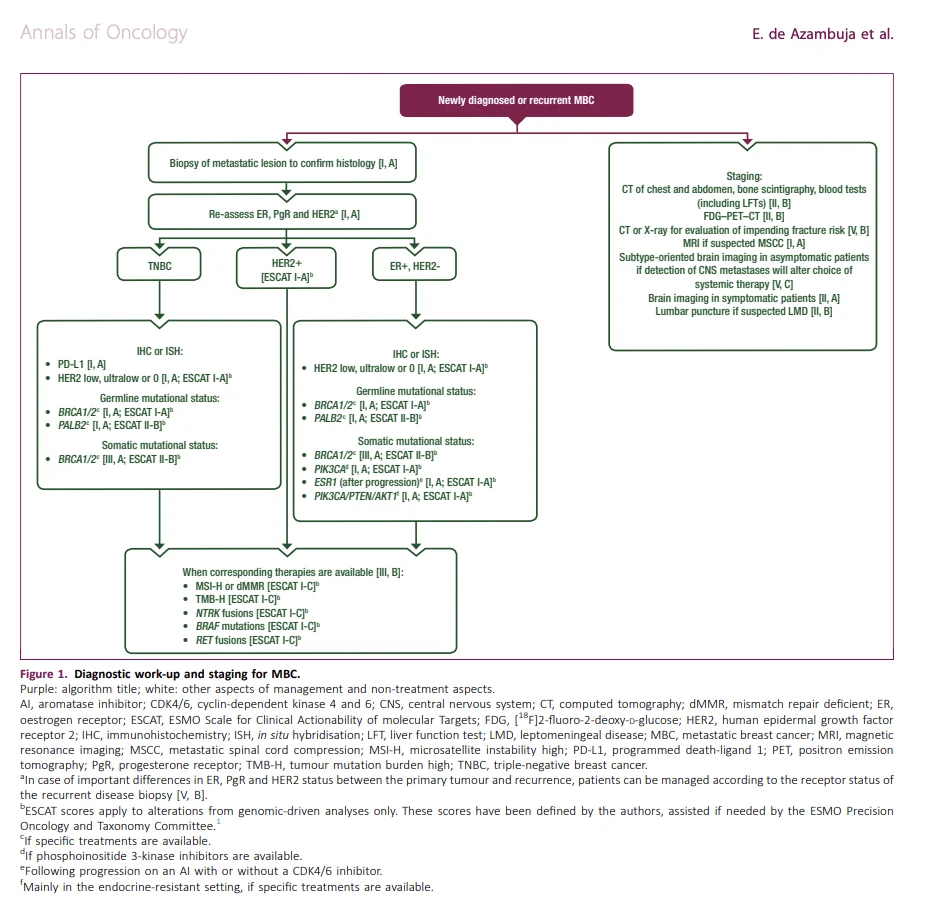
Metastatic Biopsy and Molecular Reassessment Become Central to Treatment Planning
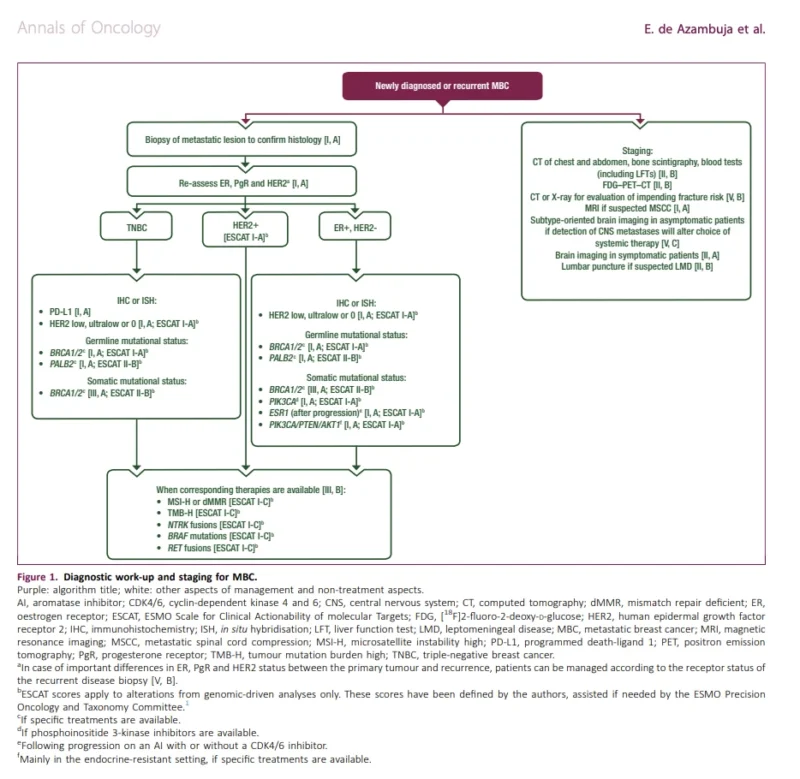
The updated guideline begins with a principle that has become increasingly important in modern breast oncology: the biology of metastatic disease should not automatically be assumed to be identical to the primary tumor. When feasible, biopsy of a metastatic lesion is recommended at the first diagnosis of metastatic breast cancer to confirm histology and reassess:
ER, progesterone receptor and HER2 status. If substantial discordance exists between the primary tumor and metastatic biopsy, treatment can generally be based on the biology of the recurrent disease.
This has major therapeutic implications because loss or acquisition of hormone receptor or HER2 expression can fundamentally alter systemic treatment selection. The molecular work-up now extends substantially beyond conventional receptor testing. For metastatic TNBC, PD-L1 testing is recommended.
For HER2-negative metastatic disease, ESMO recommends evaluation of germline BRCA1/2 and PALB2, when corresponding therapies are available, with somatic BRCA1/2 testing also incorporated into treatment selection.
For ER-positive/HER2-negative disease, molecular testing includes PIK3CA, while evaluation of ESR1 mutations using ctDNA or tumor tissue is recommended following progression on an aromatase inhibitor with or without a CDK4/6 inhibitor. Testing for alterations within the broader PI3K/AKT pathway, including PIK3CA, AKT1 and PTEN is also recommended in the endocrine-resistant setting when targeted treatments are available.
HER2 Is No Longer Simply Positive or Negative
One of the clearest conceptual changes in metastatic breast cancer is the expansion of HER2 classification. For patients who are no longer candidates for endocrine therapy, ESMO recommends reassessing HER2 expression and distinguishing:
HER2-low, HER2-ultralow and HER2-0 disease. This is clinically important because trastuzumab deruxtecan has transformed HER2 expression from a binary biomarker into a therapeutic continuum. The guideline therefore recognizes that even tumors historically categorized as “HER2-negative” can remain therapeutically targetable through antibody-drug conjugates.
Broader genomic profiling using tissue or ctDNA may also be considered when the result is expected to change treatment or facilitate enrollment in an appropriate clinical trial.
Imaging Should Be Purposeful Rather Than Excessive
For baseline staging, CT of the chest and abdomen together with bone scintigraphy and laboratory testing remains an appropriate minimum work-up, while FDG-PET/CT can also be considered. Importantly, the guideline discourages unnecessary intensification of surveillance.
Response assessment can generally be performed every 2–4 months, depending on symptoms, disease behavior, metastatic distribution and treatment. Shortening imaging intervals without clinical reason is not recommended because there is no demonstrated survival benefit and more frequent surveillance can increase both emotional and financial burden.
Brain imaging is similarly not recommended routinely in every asymptomatic patient. However, subtype-oriented brain imaging may be considered when detection of CNS metastases would alter systemic treatment, particularly in HER2-positive disease and TNBC. This is increasingly relevant as systemic treatments with meaningful intracranial activity become available.
ER-Positive/HER2-Negative Disease: Treatment Becomes Mutation-Directed
ER-positive/HER2-negative metastatic breast cancer illustrates perhaps most clearly how molecular stratification is reshaping treatment sequencing.
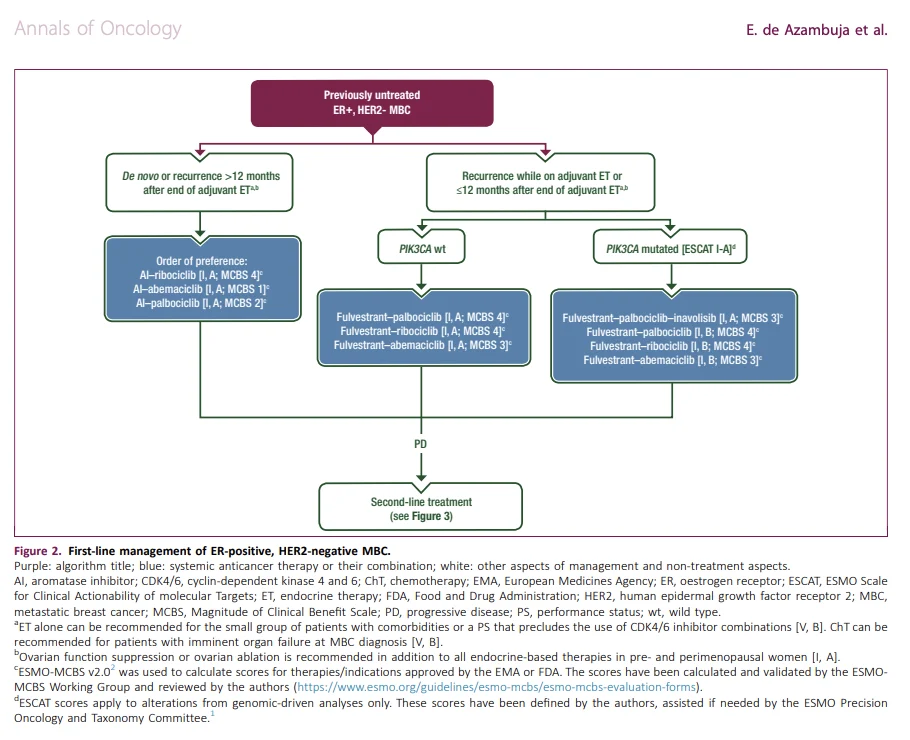
CDK4/6 Inhibition Remains the First-Line Foundation
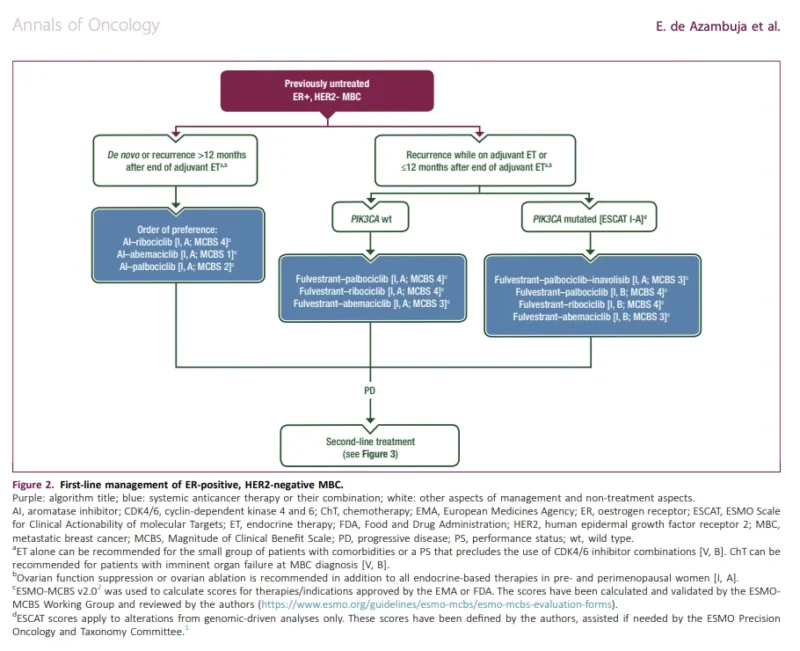
For de novo metastatic disease or recurrence more than 12 months after completing adjuvant endocrine therapy, ESMO recommends an aromatase inhibitor combined with a CDK4/6 inhibitor.
The guideline lists these combinations in order of preference:
- AI + ribociclib, followed by AI + abemaciclib and AI + palbociclib.
For patients whose disease recurs during adjuvant endocrine therapy or within 12 months of completing it, fulvestrant combined with a CDK4/6 inhibitor remains an important strategy. However, PIK3CA status can now alter first-line management.
For patients with PIK3CA-mutated disease recurring during or shortly after adjuvant endocrine therapy, ESMO recommends fulvestrant + palbociclib + inavolisib as an evidence-based option. This moves PI3K pathway targeting into the first-line metastatic setting for a molecularly selected population.
Second-Line Treatment Is Increasingly Defined by the Resistance Mechanism
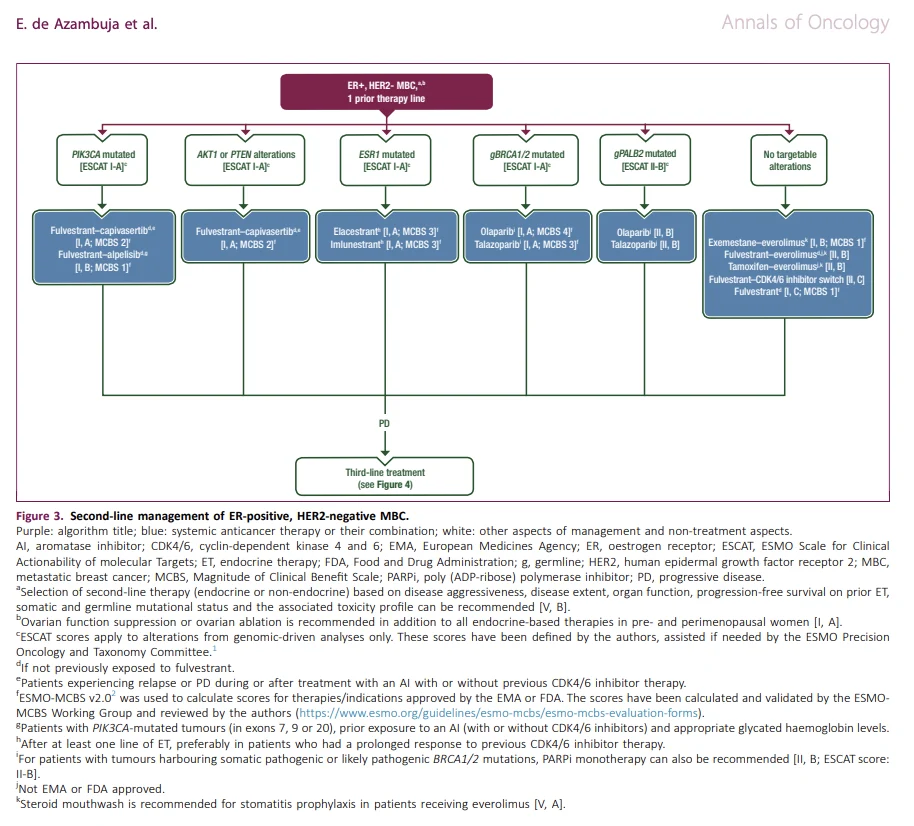
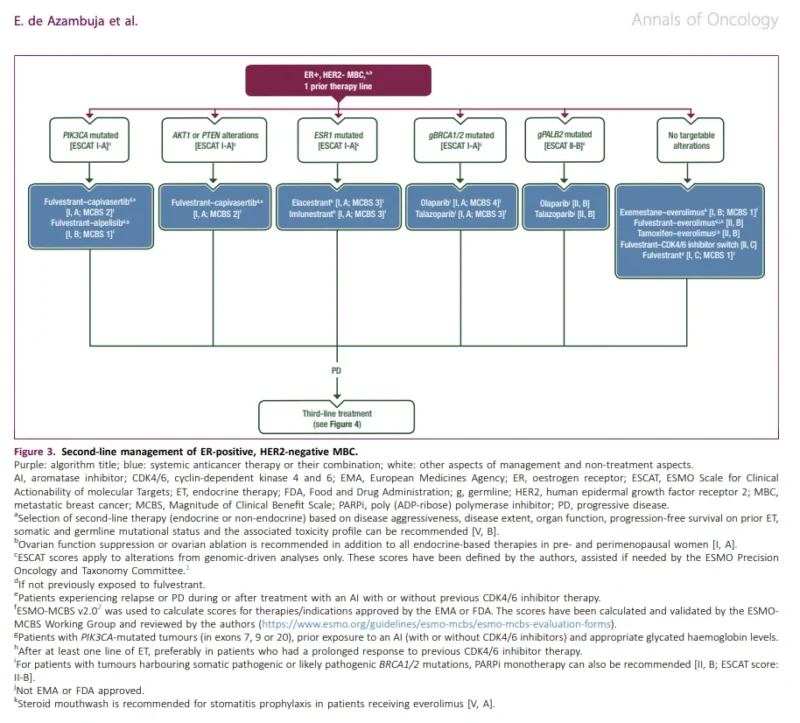
Following endocrine progression, the guideline moves away from a single preferred pathway and instead asks which actionable resistance mechanism is present. For PIK3CA, AKT1 or PTEN alterations, fulvestrant plus capivasertib is recommended.
For PIK3CA-mutated tumors, fulvestrant plus alpelisib remains an option in appropriately selected patients. For ESR1-mutated disease, ESMO now recommends the oral SERDs:
- elacestrant or imlunestrant
after at least one line of endocrine therapy, particularly when patients had experienced prolonged benefit from previous CDK4/6 inhibition. The incorporation of imlunestrant alongside elacestrant illustrates the rapidly expanding role of oral estrogen receptor-directed therapies in endocrine-resistant disease.
PARP Inhibitors Extend Beyond Germline BRCA1/2
For patients with germline BRCA1/2 mutations, olaparib or talazoparib are recommended. Notably, the guideline also allows PARP inhibition for germline PALB2-mutated disease and for tumors harboring pathogenic or likely pathogenic somatic BRCA1/2 mutations, although regulatory approval may differ.
This expands the concept of homologous recombination-directed treatment beyond the traditional germline BRCA population.
Everolimus Still Has a Role When No Targetable Alteration Is Present
When no actionable molecular alteration is identified, endocrine strategies remain available.
Options include exemestane + everolimus, fulvestrant + everolimus, tamoxifen + everolimus, fulvestrant with a CDK4/6 inhibitor switch, or fulvestrant monotherapy in selected circumstances.
This is an important reminder that precision oncology does not eliminate established endocrine strategies; it increasingly determines which patients should receive them and in what sequence.
ADCs Move Earlier in ER-Positive Disease
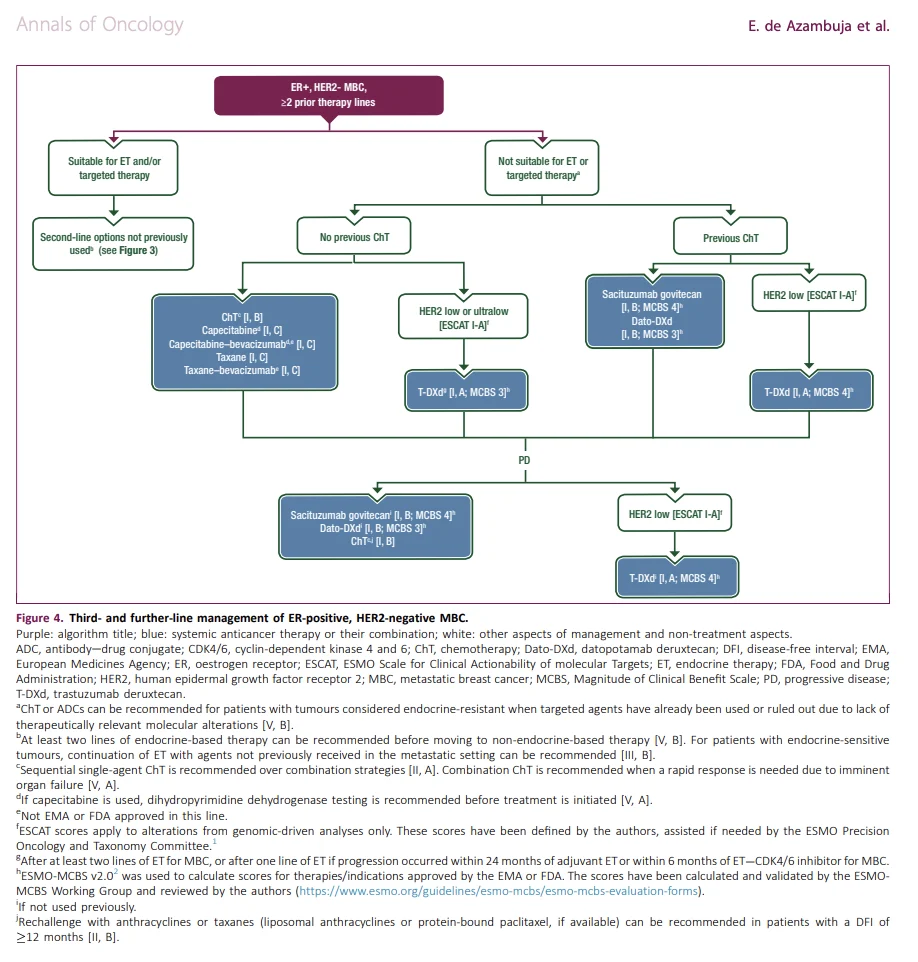
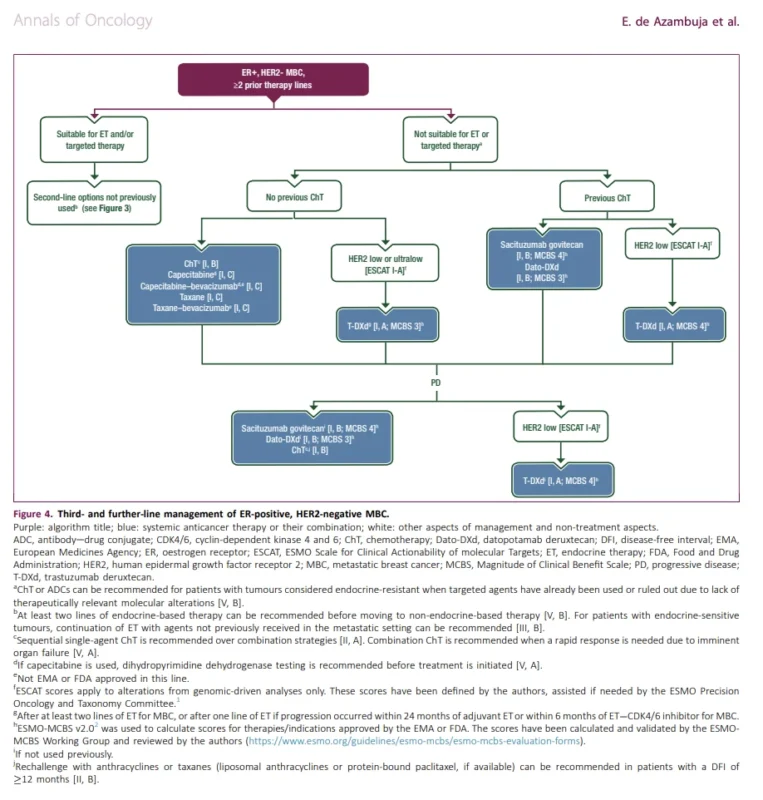
When endocrine therapy is no longer appropriate, antibody-drug conjugates become increasingly central. For patients with HER2-low or HER2-ultralow disease, ESMO recommends trastuzumab deruxtecan after at least two lines of endocrine therapy for metastatic disease — or earlier in selected patients with rapid endocrine progression.
This means that some patients can now receive an ADC before conventional metastatic chemotherapy. After chemotherapy exposure, several ADC options are available. Sacituzumab govitecan is recommended after at least one chemotherapy line.
Datopotamab deruxtecan is also recommended following at least one chemotherapy line. T-DXd remains recommended for HER2-low disease if it has not previously been used. The guideline explicitly acknowledges that the optimal sequence of these therapies remains uncertain. This sequencing problem will become increasingly important as multiple ADCs become available for the same patient population.
HER2-Positive Metastatic Breast Cancer: First-Line Options Expand
The HER2-positive treatment algorithm has also changed substantially.
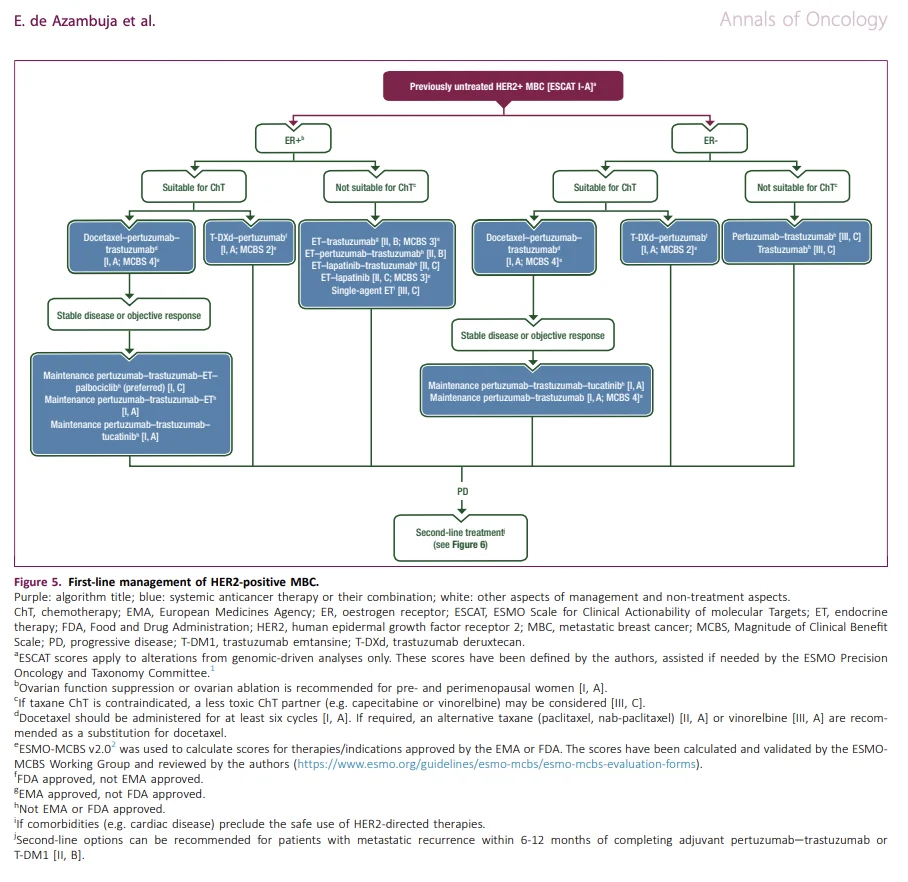
THP Remains a Standard First-Line Strategy
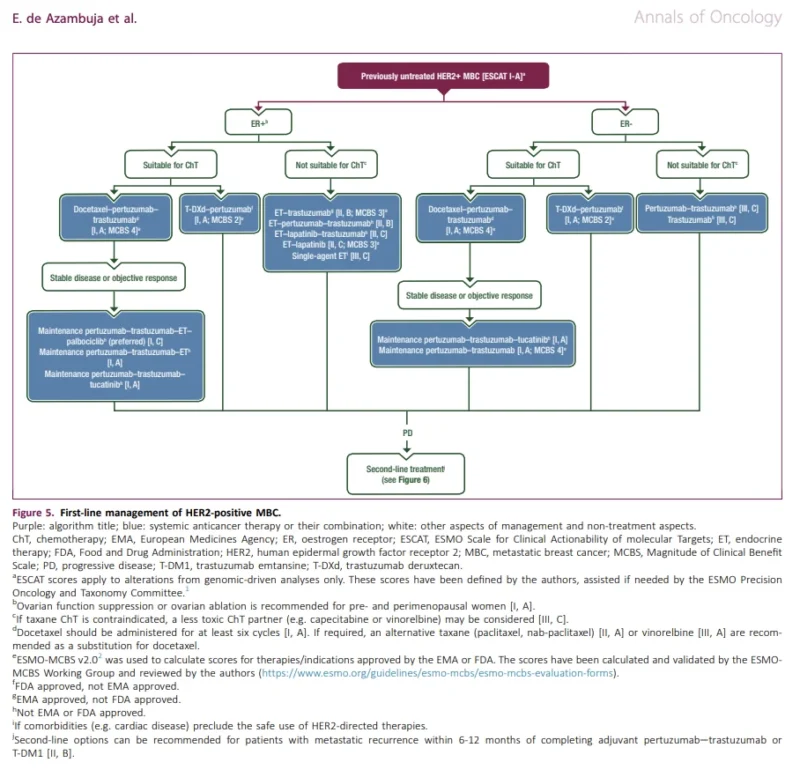
Docetaxel, trastuzumab and pertuzumab remain strongly recommended for previously untreated HER2-positive metastatic breast cancer, regardless of ER status. Docetaxel should generally be administered for at least six cycles if tolerated, followed by HER2-directed maintenance treatment.
However, THP is no longer the only first-line strategy recognized by ESMO.
T-DXd Plus Pertuzumab Enters the First-Line Algorithm
The guideline also recommends trastuzumab deruxtecan plus pertuzumab as a first-line option regardless of ER status. The document notes the relevant regulatory distinction: this strategy was FDA approved at the time of guideline preparation but not EMA approved.
Its inclusion represents an important change in the HER2-positive metastatic landscape, where T-DXd is no longer confined to later-line therapy.
Maintenance Therapy Is Becoming More Sophisticated
After induction with docetaxel, trastuzumab and pertuzumab, maintenance therapy increasingly depends on hormone receptor status and emerging trial evidence. For ER-positive/HER2-positive disease, the guideline lists:
- pertuzumab + trastuzumab + endocrine therapy + palbociclib as a preferred option that may be considered
- as well as pertuzumab + trastuzumab + endocrine therapy
For HER2-positive disease regardless of ER status, pertuzumab + trastuzumab + tucatinib is also recommended in the guideline.
For ER-negative tumors, pertuzumab + trastuzumab maintenance remains an established strategy. Several of these maintenance approaches were not EMA or FDA approved in the specific settings at the time of publication, and the guideline clearly identifies these regulatory caveats.
T-DXd Remains Preferred Second-Line Therapy
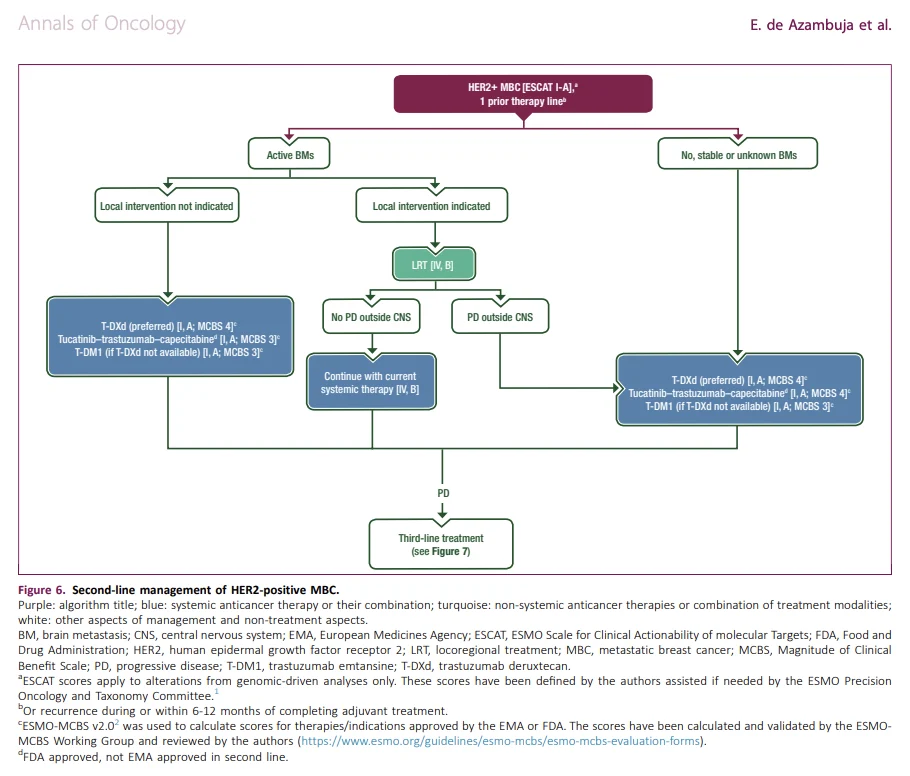
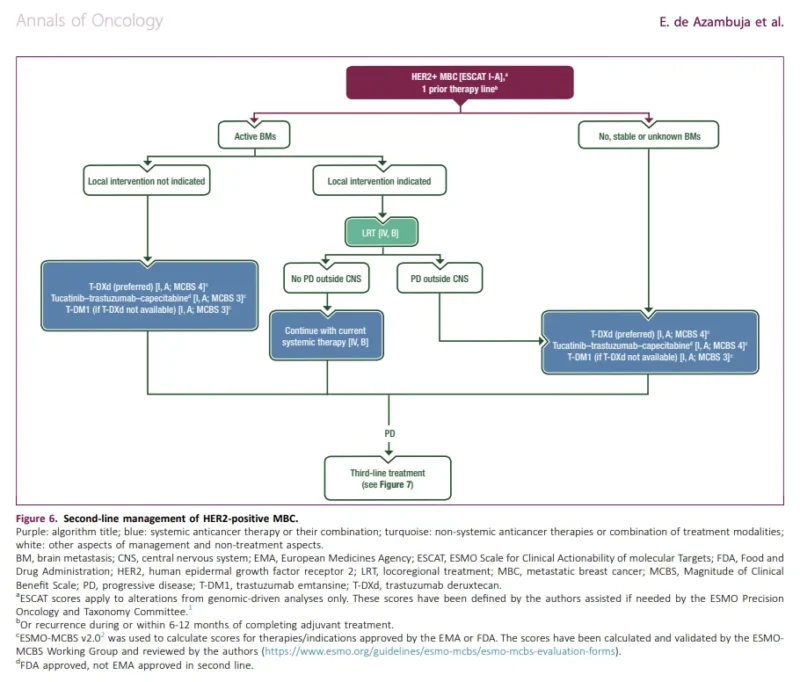
If T-DXd has not already been used first line, it is the preferred second-line therapy after progression on taxane-trastuzumab, regardless of the presence of brain metastases. Tucatinib + trastuzumab + capecitabine is also recommended in the second-line setting and is particularly relevant for patients with CNS involvement. T-DM1 remains an option when T-DXd is unavailable.
CNS Disease Is Now Embedded Directly Into Treatment Sequencing
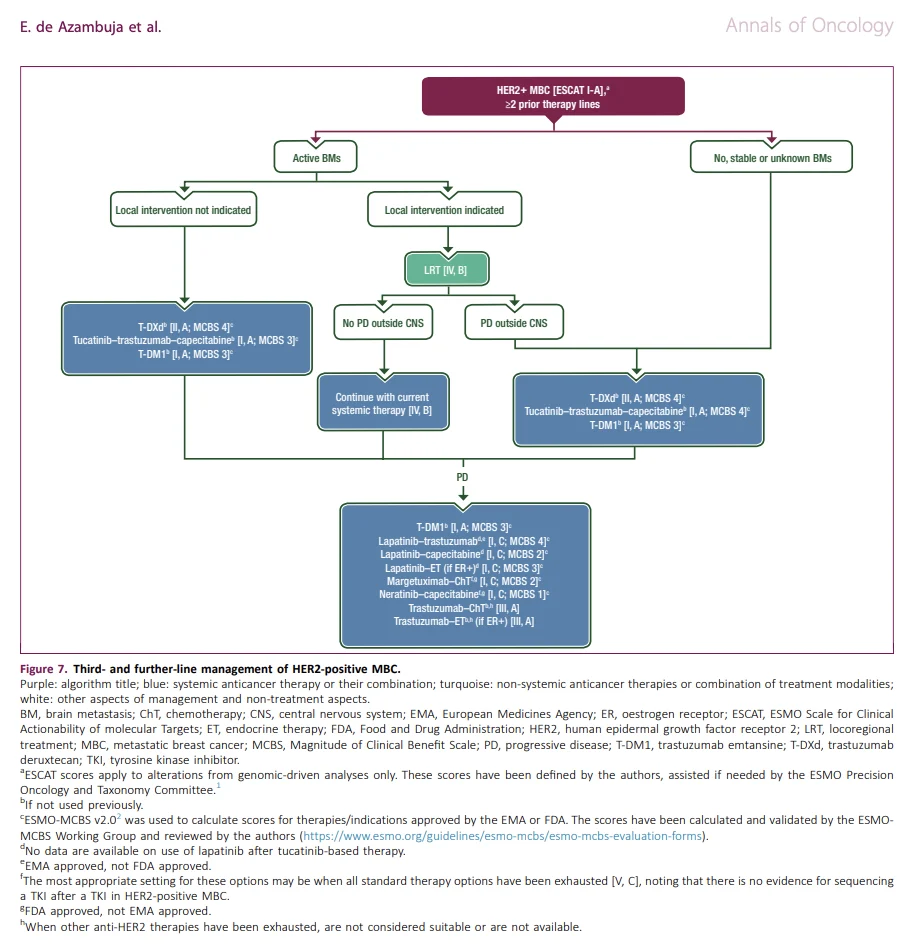
One of the most important developments in HER2-positive metastatic breast cancer is the integration of intracranial disease into systemic treatment decisions. For isolated intracranial progression without extracranial progression, ESMO supports local treatment of brain metastases with continuation of the existing anti-HER2 systemic therapy in appropriate patients.
When systemic treatment change is required, T-DXd and tucatinib-trastuzumab-capecitabine are among the key options. This reflects a broader change in breast oncology: brain metastases are increasingly managed through coordinated local and systemic treatment, rather than automatically requiring abandonment of otherwise effective extracranial therapy.
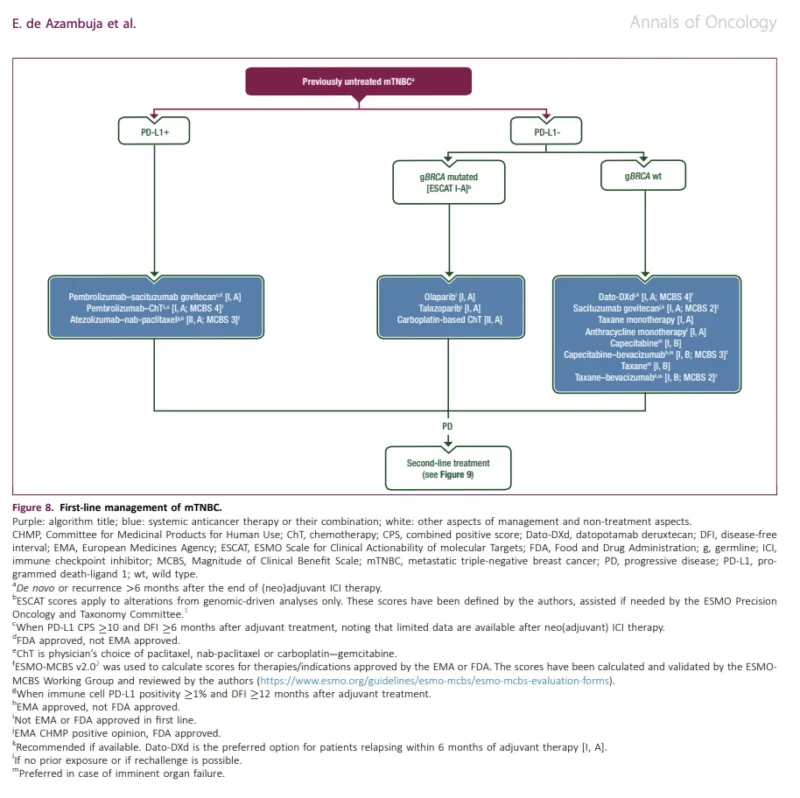
Metastatic TNBC: ADCs Challenge Conventional Chemotherapy Earlier
The metastatic TNBC algorithm has undergone particularly rapid change.
PD-L1-Positive Disease: Pembrolizumab Remains Central, but Its Partner Can Change
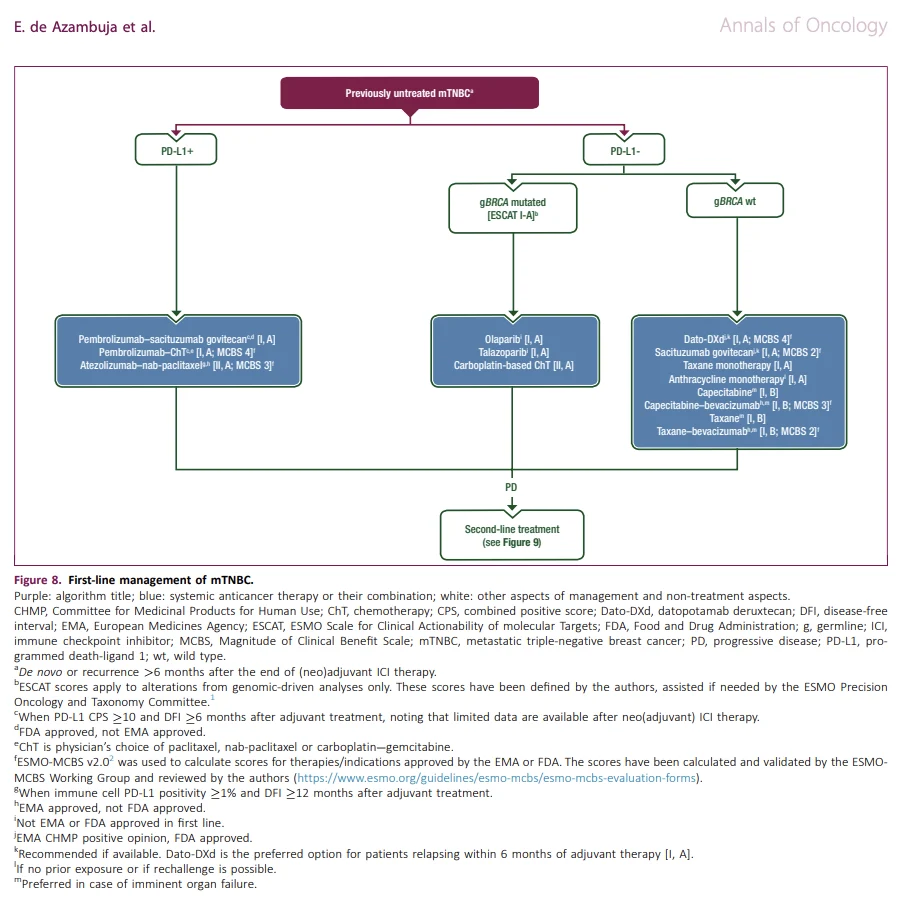
For patients with PD-L1-positive metastatic TNBC, immune checkpoint inhibition remains a preferred first-line strategy. For patients with PD-L1 CPS ≥10 and a disease-free interval of at least 6 months, ESMO recommends:
- pembrolizumab + sacituzumab govitecan
as well as the established:
- pembrolizumab + chemotherapy approach using paclitaxel, nab-paclitaxel or carboplatin-gemcitabine
The guideline notes that evidence remains limited following prior neoadjuvant or adjuvant immune checkpoint inhibitor exposure. Atezolizumab + nab-paclitaxel also remains included for appropriately selected PD-L1-positive patients in regions where the indication remains available.
The incorporation of pembrolizumab plus sacituzumab govitecan demonstrates how ADCs are beginning to displace conventional chemotherapy even at the start of metastatic TNBC treatment.
BRCA-Mutated, PD-L1-Negative Disease
For PD-L1-negative metastatic TNBC with a germline BRCA1/2 mutation, treatment options include:
- olaparib, talazoparib or carboplatin-based chemotherapy.
The guideline therefore continues to place germline testing early in the metastatic work-up because it can determine first-line treatment.
PD-L1-Negative, BRCA-Wild-Type TNBC: ADCs Enter First Line
Perhaps one of the most striking recommendations concerns patients who are PD-L1 negative, germline BRCA wild type, or otherwise unsuitable for immunotherapy. For most of these patients, ESMO recommends either:
- datopotamab deruxtecan
or
- sacituzumab govitecan
Dato-DXd is identified as the preferred option for patients relapsing within six months of adjuvant treatment. Conventional taxanes and anthracyclines remain valid options, and chemotherapy remains important when rapid disease control is necessary.
Nevertheless, the treatment architecture has clearly shifted: ADCs can now compete directly with conventional chemotherapy in first-line metastatic TNBC.
Second Line and Beyond
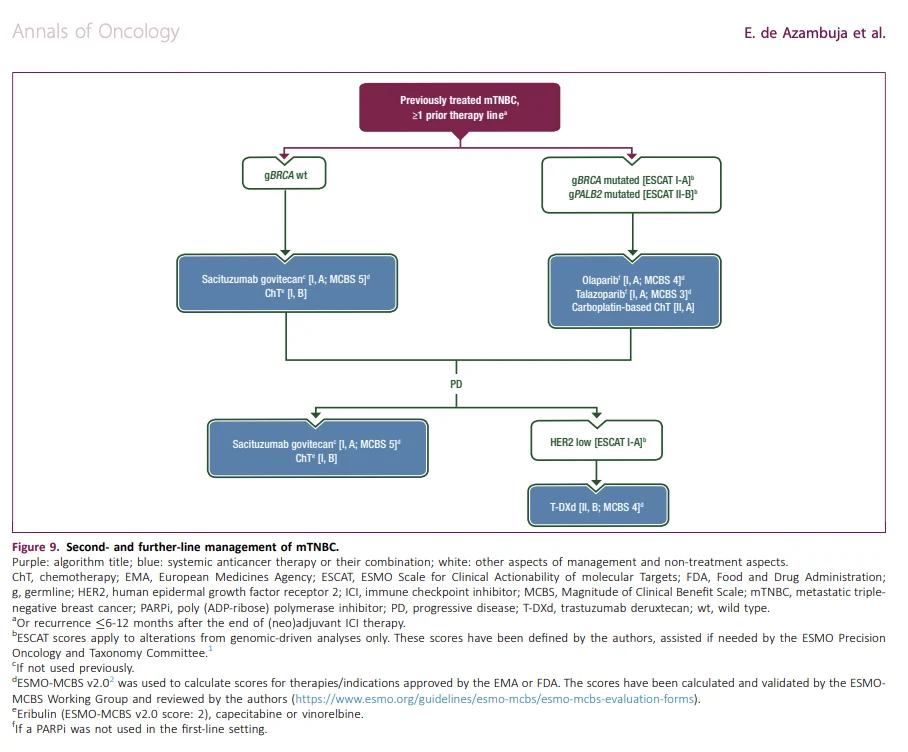
For germline BRCA-wild-type metastatic TNBC, sacituzumab govitecan is the preferred second-line option if not previously used. Chemotherapy options such as eribulin, capecitabine and vinorelbine remain available.
For germline BRCA1/2 or PALB2-mutated disease, olaparib or talazoparib are recommended if a PARP inhibitor was not used earlier, while carboplatin remains another option. For HER2-low TNBC, T-DXd may be considered in later lines, again demonstrating that HER2 expression now carries therapeutic significance even within traditionally HER2-negative disease.
Oligometastatic Disease: Systemic Therapy First, Local Therapy Selectively
ESMO continues to encourage individualized multidisciplinary management of oligometastatic breast cancer. Systemic treatment is generally recommended as the initial approach, with subsequent decisions guided by response.
Multimodality strategies combining systemic treatment with highly conformal radiotherapy, image-guided ablation or surgery can be considered in selected patients. However, the guideline stops well short of recommending routine metastasis-directed ablation for all oligometastatic patients.
Ablative treatment should instead be considered case by case after multidisciplinary discussion. This cautious approach is particularly important given the lack of definitive evidence demonstrating that local eradication of oligometastatic lesions consistently improves survival in breast cancer.
De Novo Stage IV Disease: Routine Primary Surgery Is Not Recommended
For patients presenting with stage IV disease and an intact breast primary, ESMO recommends multidisciplinary review. However, routine locoregional treatment of an asymptomatic primary tumor is not recommended solely to improve survival.
Local treatment is appropriate when the primary or metastatic disease causes symptoms, and surgery can be considered according to individual patient preference following multidisciplinary discussion. The principle remains that systemic disease control is the major therapeutic priority.
Bone Metastases: Prevention of Skeletal Events Remains Essential
For patients with bone metastases, multidisciplinary care remains fundamental. Bisphosphonates or denosumab are recommended regardless of whether bone metastases are symptomatic. Radiotherapy remains strongly recommended for painful lesions and those at risk of fracture, with single-fraction 8 Gy radiotherapy recommended for uncomplicated bone metastases.
Orthopedic assessment should be considered for significant long-bone or vertebral lesions and for metastatic spinal cord compression.
Brain Metastases and Leptomeningeal Disease Receive More Subtype-Specific Treatment
The guideline reflects growing confidence in systemic treatments capable of controlling CNS disease. For HER2-negative breast cancer with brain metastases, local treatment remains central. In HER2-low disease with active brain metastases, T-DXd is recommended by ESMO, although the document notes that this use was not specifically EMA or FDA approved.
For germline BRCA1/2-mutated disease with stable brain metastases, PARP inhibition is preferred over conventional chemotherapy. For leptomeningeal disease, treatment should depend on performance status, breast cancer subtype and the pattern of leptomeningeal involvement. Radiotherapy and, in selected cases, intrathecal therapy can be incorporated.
For HER2-positive leptomeningeal disease, ESMO lists T-DXd and tucatinib + trastuzumab + capecitabine as systemic options. T-DXd may also be considered for HER2-low leptomeningeal disease.
These recommendations demonstrate how CNS disease is increasingly becoming integrated into the same biomarker-directed systemic framework used for extracranial metastatic disease.
The Larger Message: Metastatic Breast Cancer Is Becoming a Sequencing Disease
The 2026 ESMO guideline captures a profound transition in metastatic breast cancer. For ER-positive/HER2-negative disease, treatment after CDK4/6 inhibition can now be directed by PIK3CA, AKT1, PTEN, ESR1, BRCA1/2, PALB2 and HER2-low/ultralow status.
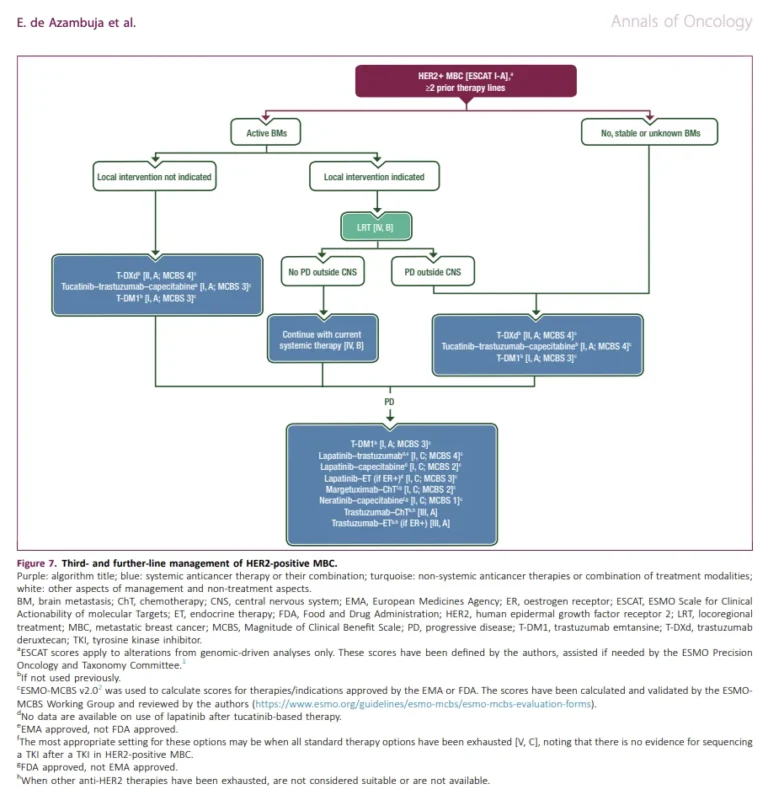
For HER2-positive disease, clinicians must decide not only how to sequence T-DXd, tucatinib and T-DM1 but also whether newer first-line and maintenance strategies should be incorporated.
For TNBC, PD-L1 and germline BRCA remain central, but ADCs such as sacituzumab govitecan and datopotamab deruxtecan are moving far earlier in treatment.
The resulting challenge is no longer a shortage of therapeutic options. It is how to sequence increasingly effective options without exhausting treatment classes unnecessarily or exposing patients to avoidable toxicity. The guideline itself acknowledges this problem particularly clearly in ER-positive disease, where the optimal sequence of available therapies remains undefined.
OncoDaily Takeaway
The 2026 ESMO metastatic breast cancer guideline represents a shift from subtype-based treatment toward subtype-plus-biomarker-based treatment. The most important practical changes are not confined to one drug or one breast cancer subtype.
Molecular reassessment is now fundamental. ESR1, PIK3CA, AKT1, PTEN, BRCA1/2 and PALB2 can directly influence treatment selection. HER2-low and HER2-ultralow status are therapeutically meaningful. ctDNA is becoming part of routine resistance assessment. ADCs are moving earlier in ER-positive disease and TNBC. T-DXd-based strategies are changing HER2-positive first-line treatment, while maintenance therapy is becoming increasingly sophisticated.
At the same time, the guideline repeatedly emphasizes that regulatory approval, previous treatment exposure, disease tempo, organ function, CNS involvement, toxicity and patient preference must remain part of every sequencing decision. The central question in metastatic breast cancer is therefore changing.
It is no longer simply “Which therapy is active in this subtype?”
It is increasingly:
“Which treatment best matches this tumor’s current biology, what has already been used, and what should be preserved for the next line?”
Source
- de Azambuja E, Barrios CH, Bartsch R, et al. Metastatic breast cancer: ESMO Clinical Practice Guideline for diagnosis, treatment and follow-up. Annals of Oncology. 2026;37(9). DOI: 10.1016/j.annonc.2026.05.707. The guideline was updated in May 2026 and supersedes the previous published version.