





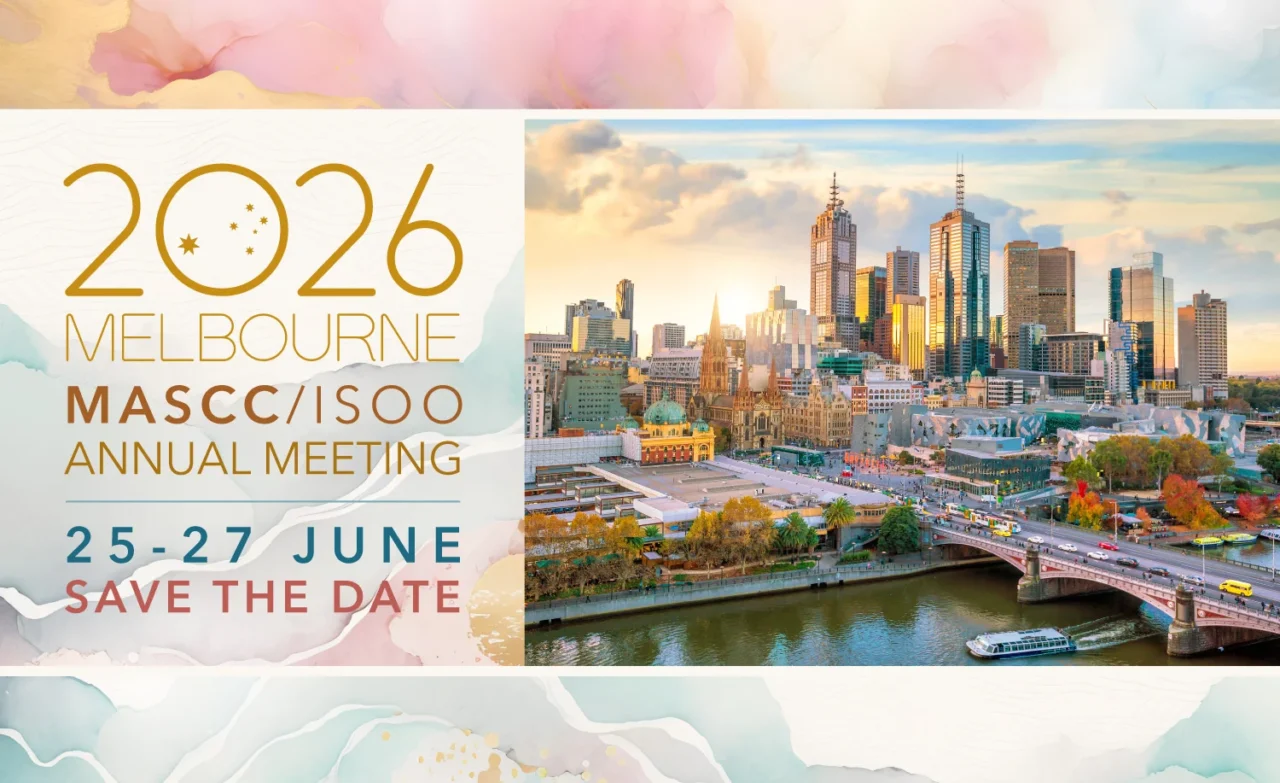
The MASCC/ISOO Annual Meeting 2026 opened on June 25, 2026, in Melbourne, setting the tone for three days focused on the science, structure, and future of supportive oncology. Even while not physically present, OncoDaily LA and the broader OncoDaily network continue to follow and cover the meeting comprehensively, ensuring that the clinical developments, scientific discussions, and program highlights remain accessible to the global oncology community with the accuracy and editorial standards expected from our platform. MASCC’s real‑time digital communication, active study groups, and consistent program updates make remote coverage both accurate and clinically meaningful.
The meeting began with a Welcome to Country and opening remarks from MASCC leadership, underscoring the society’s central philosophy: supportive care is not an adjunct to oncology but a core determinant of treatment success. The program reflects this with unusual clarity, emphasizing prediction, prevention, and multidisciplinary coordination across the three‑day agenda.
MASCC Plenary Sessions: Defining the Priorities of Supportive Care
The plenary sessions outline the major clinical priorities shaping supportive oncology today. Plenary 1 focuses on maximizing access to supportive care, addressing persistent disparities across regions and health systems. Plenary 2 examines acute toxicities associated with immune and cell‑based therapies, an area of rapidly expanding clinical relevance as treatment modalities evolve. Plenary 3 highlights lifestyle and behavioral interventions, emphasizing survivorship, long‑term function, and patient‑reported outcomes.
Together, these sessions frame supportive care as a discipline grounded in evidence, operational structure, and coordinated clinical practice.
MASCC/ISOO Sessions: Oral Health and Toxicity Management in a New Therapeutic Era
The ISOO program continues to expand its scope in response to new therapeutic landscapes. ISOO Session 1 addresses toxicity management in the context of novel therapies, including ADCs, bispecific antibodies, and immunotherapies. Session 2 focuses on behavioral and lifestyle support in cancer care, reflecting the increasing integration of psychosocial and functional outcomes into oncology practice. Session 3, “Mind the Gap,” returns to the central theme of access, emphasizing global equity in supportive care delivery.
MASCC Workshops: Practical Skills for a Changing Clinical Landscape
The workshops offer hands‑on, clinically relevant training aligned with real‑world needs. PRO implementation, integrative oncology, and advanced survivorship care reflect the operational challenges clinicians face as supportive care becomes more structured and data‑driven. The Fundamentals of Sexual Health course, co‑chaired by Dr. Linda Bosserman and Dr. Anne Katz, adds an important dimension to patient‑centered care, addressing an area often underrepresented in routine oncology practice.
Mucositis and Mucosal Injury at MASCC 2026: A Strong Scientific Presence
The Mucositis Study Group has a particularly strong presence at this year’s meeting. A/Prof Hannah Wardill’s guide to mucositis‑related sessions highlights several emerging themes, including microbiome‑based toxicity prediction, nutrition in head and neck cancer, mucositis associated with ADCs and bispecific antibodies, and the often under‑recognized areas of vaginal and ocular mucositis. The Study Group Business Meeting continues to serve as a platform for new collaborative projects and cross‑disciplinary research.
This year’s program reflects a broader understanding of mucosal injury as a systemic process that intersects with immunology, microbiology, and treatment‑related toxicity.
Microbiome Science: Safety, Precision, and New Clinical Pathways
One of the most anticipated sessions is PS3: “Don’t Be Afraid – Strategies to Safely Target the Gut Microbiota in Immunocompromised Patients,” chaired by Prof Christina Ruhlmann. The session brings together experts from haematology, microbiome science, nutrition, and supportive care to address a long‑standing clinical challenge: how to safely modulate the gut microbiota in patients who are traditionally excluded from such interventions.
Presentations include insights on FMT in steroid‑refractory GvHD, dietary approaches to microbiome support, febrile neutropenia in the era of immune checkpoint inhibition, encapsulated FMT in HSCT, and antifungal prophylaxis patterns in pediatric transplantation. Collectively, the session reflects a shift toward precision‑based supportive care, where microbiome science is becoming increasingly actionable in clinical practice.
Industry and Innovation at MASCC: Practical Tools for Real‑World Care
Industry partners continue to play a visible role at MASCC 2026. Companies such as V.supple® highlight the growing interest in microbiome‑focused supportive care solutions. Device‑based innovations — including cryotherapy, scalp cooling, and oral care technologies — remain central to discussions on reducing treatment burden and improving patient experience.
Sponsored sessions listed through MASCC’s official channels provide additional opportunities for clinicians to engage with emerging tools and technologies that support real‑world implementation.
Leadership and Governance: MASCC’s New Board
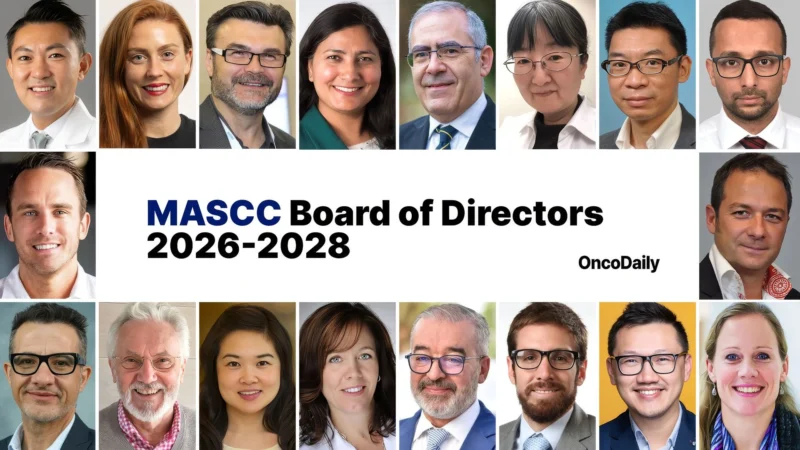
MASCC also announced its 2026–2028 Board of Directors, led by President Alexandre Chan. The new leadership structure reflects the society’s expanding global footprint and its commitment to multidisciplinary representation across oncology, nursing, dentistry, psychology, and allied health.
Meeting That Extends Beyond the Room
Following MASCC 2026 remotely underscores an important reality: the scientific and clinical direction of supportive care is now communicated across platforms, continents, and time zones. The consistency of the program, the clarity of the sessions, and the volume of real‑time updates make it possible to follow the meeting with accuracy and depth, even from afar.
MASCC remains the central forum where supportive care is defined, refined, and operationalized. Its influence extends well beyond the physical meeting space, shaping clinical practice globally.
OncoDaily LA Editorial Desk under the leadership of Dr. Martin Harutyunyan