


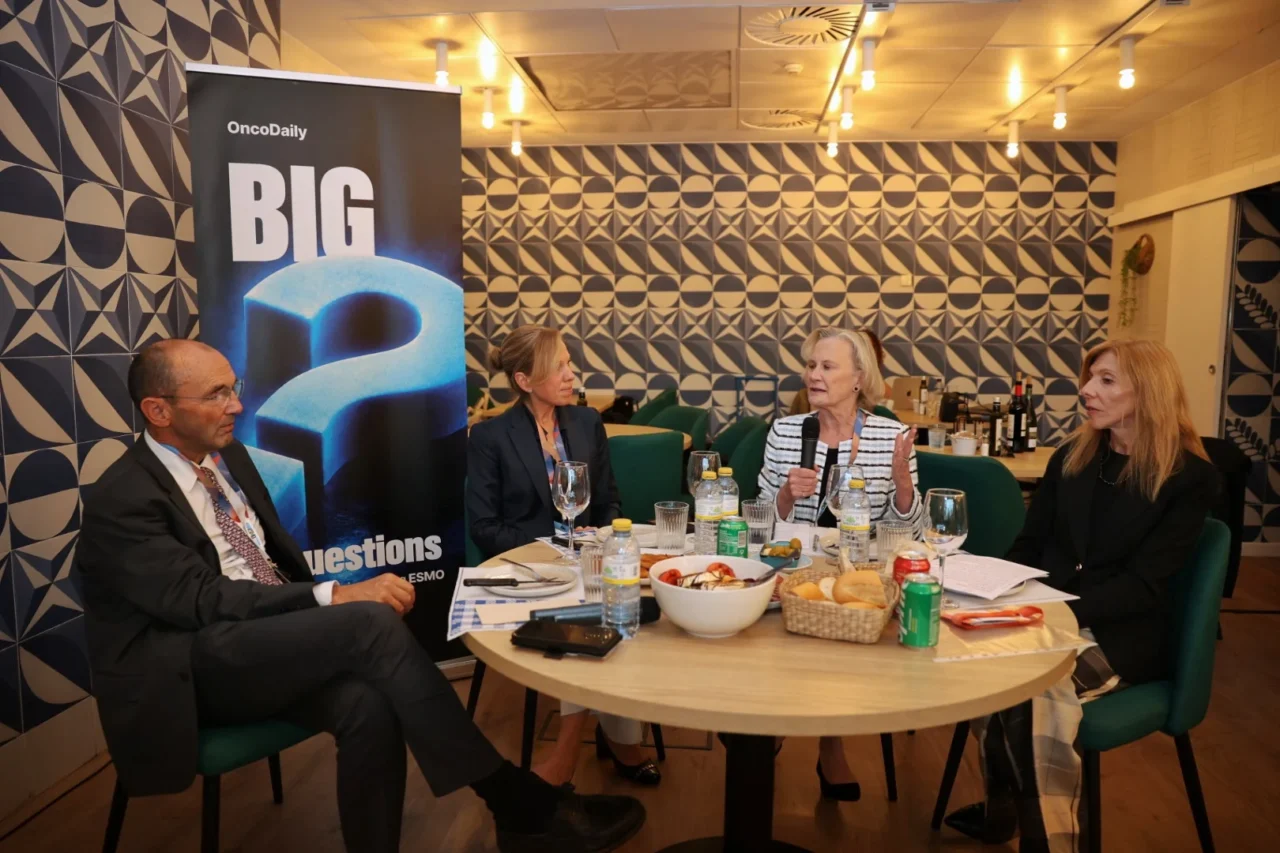
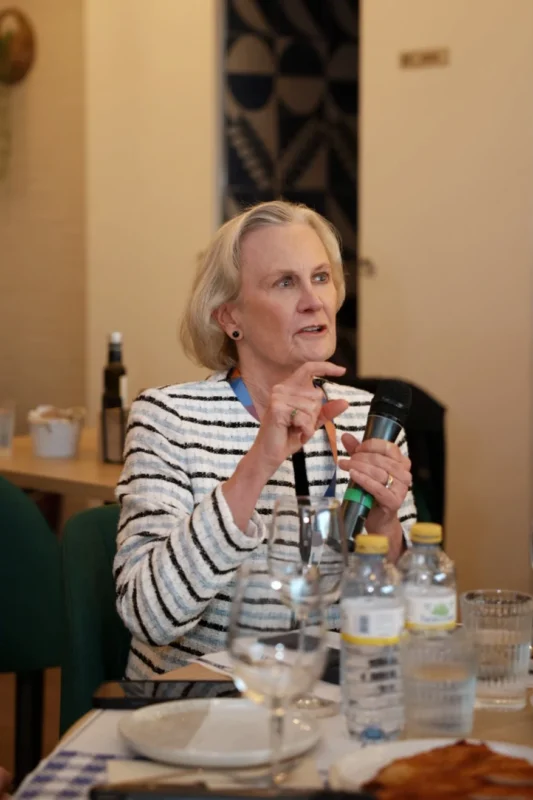
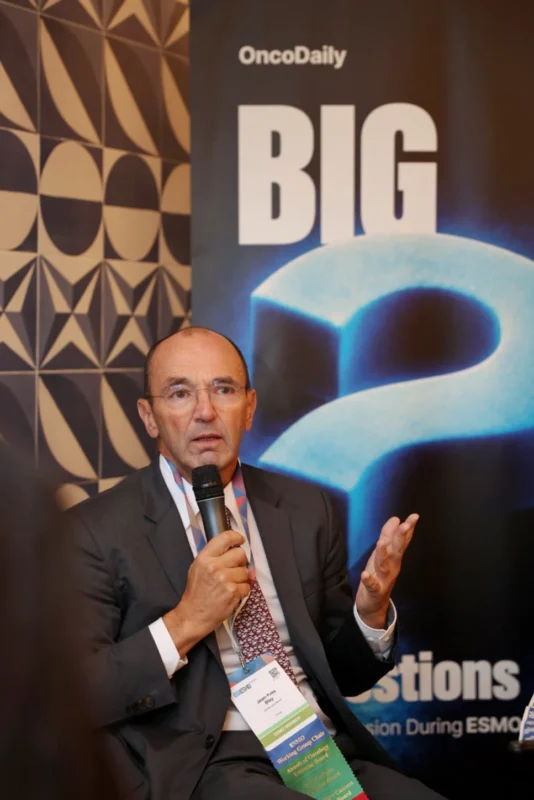
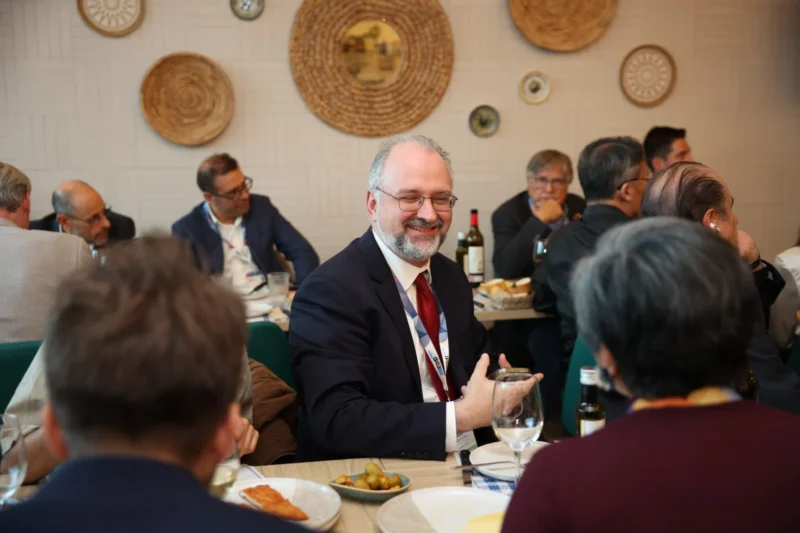
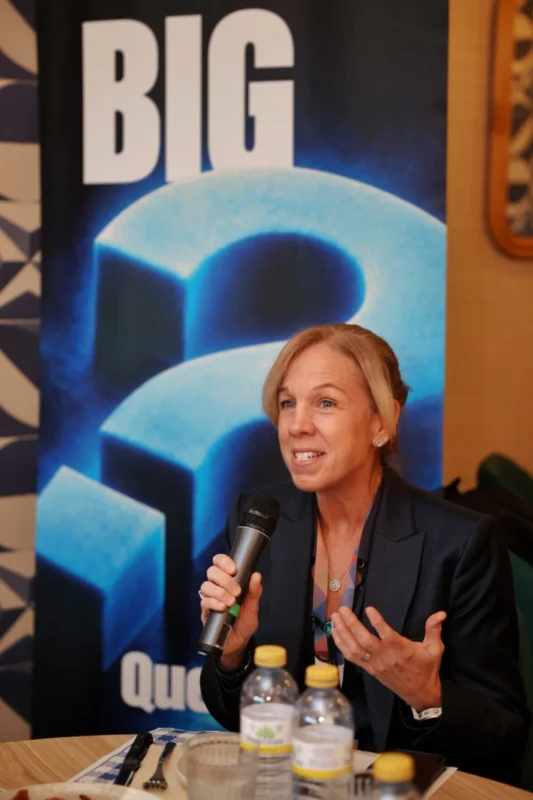
On October 24, 2026, OncoDaily hosted “Big Questions in Oncology” in Madrid, Spain, bringing together experts from across the oncology community for an open discussion on the decisions that determine the future of cancer research, treatment, and patient access.
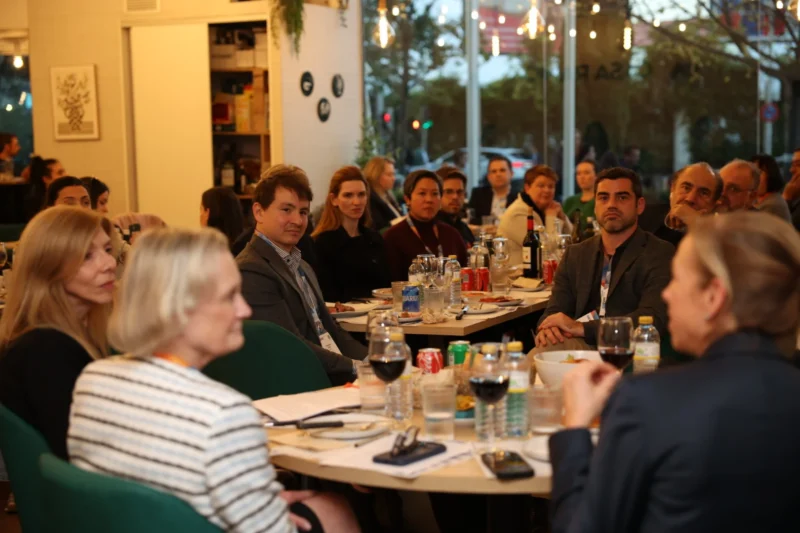
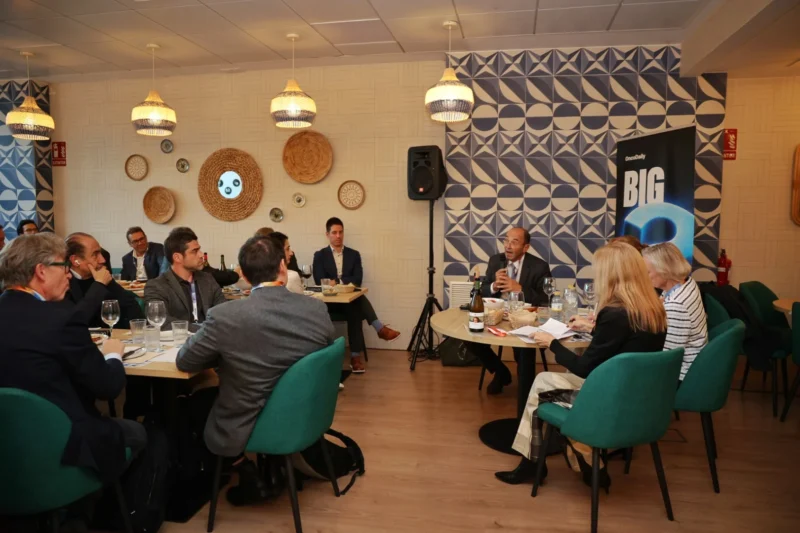
Held at Casa Ramón during ESMO Congress 2026, the two-hour event was chaired by Prof. Jean-Yves Blay and brought together clinicians, researchers, clinical trialists, industry representatives, policymakers, and patient advocates.
Unlike traditional scientific sessions, the meeting moved beyond clinical trial results and new treatment announcements to examine the broader challenges facing oncology: Who determines which research deserves funding? How much evidence is sufficient to introduce a new treatment? Why do approved medicines remain inaccessible to many patients? And how can healthcare systems keep pace with increasingly complex cancer care?
The discussion offered perspectives from different parts of the oncology community, with particular attention to affordability, workforce shortages, prevention, clinical evidence, and the importance of involving patients in decisions that affect their care.
The Price of Progress: Can Innovation Remain Accessible?
One of the central questions raised by Prof. Jean-Yves Blay concerned the growing complexity of cancer treatment and whether healthcare systems will be able to provide increasingly personalized therapies to everyone who needs them.
As oncology moves toward more precise molecular classifications and treatments for smaller patient populations, the cost of research, drug development, and clinical implementation continues to raise difficult questions.
Participants discussed the distinction between the cost of developing innovative therapies and the cost of delivering them to patients. More accurate molecular diagnostics and treatment selection may improve outcomes while reducing unnecessary treatment expenditures. However, these potential benefits depend on patients having access to appropriate testing and the therapies identified through it.

The discussion also addressed differences in reimbursement systems, regional access, and the time required to translate regulatory decisions into clinical practice.
A medicine’s approval does not automatically guarantee that a patient can receive it. Participants emphasized that closing this gap requires cooperation among clinicians, regulators, governments, pharmaceutical companies, and patient organizations.
Examples of approaches to earlier treatment access in different countries were also discussed, illustrating how national policies can influence the availability of innovative therapies before all conventional reimbursement processes are completed.
Beyond Drug Development: The Growing Oncology Workforce Challenge
Another major concern was whether the global oncology workforce can meet the demands of a growing cancer burden.
Prof. Blay raised questions about the availability of physicians, nurses, and other healthcare professionals as cancer incidence increases and treatment becomes more specialized.
The panel examined how workforce shortages affect not only the number of patients who can receive care but also the quality and continuity of that care.
Participants discussed alternative models of healthcare delivery, including greater involvement of nurses, advanced practice providers, community health workers, and patient navigators.
Experiences from geographically underserved communities demonstrated how decentralized care, telemedicine, and locally delivered treatment services can reduce the burden of travel and improve access to oncology services.
The discussion also considered whether medical education and professional training need to change as oncology increasingly relies on molecular diagnostics, multidisciplinary decision-making, and rapidly evolving treatment recommendations.
Artificial Intelligence in Oncology: Opportunity, Reliability, and Responsibility
The increasing volume of scientific information available to oncologists introduced another important subject: the role of artificial intelligence in clinical practice.
Participants considered how digital tools could help clinicians interpret new evidence, access treatment guidelines, and manage the growing complexity of cancer care.
At the same time, concerns were raised about the accuracy of generated information, the reliability of references, and responsibility for decisions made with the assistance of these systems.
The discussion emphasized the need for careful evaluation of new technologies before their integration into routine clinical practice.
While artificial intelligence may support clinicians in processing information and navigating treatment recommendations, its use must remain grounded in reliable scientific evidence and appropriate professional oversight.
Cancer Prevention: A Responsibility Beyond the Clinic
Although advances in cancer treatment receive considerable scientific attention, the panel also examined whether sufficient resources are being directed toward cancer prevention.
Prof. Blay emphasized the importance of prevention strategies, including vaccination and interventions addressing established cancer risk factors.
A particularly important distinction emerged between preventing cancer at the population level and reducing risk for an individual patient.
Participants stressed that preventive interventions can lower cancer risk without guaranteeing that a particular individual will never develop the disease.
This distinction is essential for communicating prevention messages without placing unnecessary blame on people diagnosed with cancer.
HPV vaccination was discussed as an example of an effective public health intervention whose implementation continues to vary between countries.
Misinformation, limited public awareness, vaccine hesitancy, and differences in national healthcare policies were identified as important barriers.
The conversation highlighted the responsibility of governments, healthcare professionals, and scientific organizations to improve public education and ensure that evidence-based prevention strategies reach the populations that need them.
From Clinical Evidence to Clinical Practice: Who Makes the Decision?
The discussion also returned to one of the event’s central themes: how evidence is evaluated and translated into treatment decisions.
Participants considered the differences between regulatory approval requirements and the information clinicians need when treating individual patients.
A treatment may satisfy regulatory criteria while questions remain about its comparative effectiveness, optimal use, reimbursement, or applicability to specific patient populations.
The panel discussed the importance of communication between regulators, investigators, clinicians, and patient representatives during clinical trial development.

Rather than approaching these decisions independently, earlier collaboration could help ensure that trials address clinically meaningful questions and generate evidence relevant to both regulatory assessment and everyday practice.
The discussion also examined the role of non-commercial research, particularly studies addressing treatment optimization, dose modification, de-escalation, and rare cancers.
Such questions may be highly relevant to patients and healthcare systems even when they offer limited commercial incentives. Public funding, academic institutions, and foundations therefore remain essential to supporting research that might otherwise receive insufficient attention.
Patients Must Have a Voice in Research and Treatment Decisions
Patient participation was another recurring subject throughout the evening.
Speakers emphasized that patients and caregivers should be involved not only when research results become available but also when clinical trials are being designed.
The discussion included examples of patient advocates helping investigators improve study procedures, identify unnecessary requirements, and communicate complex concepts such as randomization.
Clear communication was identified as particularly important in clinical trials, where misunderstanding study design or treatment allocation may discourage participation.
Patient navigation and education were also discussed as practical ways to help individuals understand their diagnosis, molecular testing, treatment options, and available support.
Participants recognized that scientific progress has limited value when patients cannot understand their options or overcome the practical barriers preventing them from receiving care.
One Discussion, Shared Responsibilities
As the session approached its conclusion, the conversation returned to the broader requirements for improving cancer care.
Several priorities emerged: developing and supporting the oncology workforce, maintaining high standards of clinical evidence, investing in research and innovation, improving healthcare delivery, and strengthening collaboration across institutions and sectors.
Importantly, innovation was not viewed solely as the development of new medicines or diagnostic technologies. Improving how existing treatments are delivered, making clinical services more efficient, and learning from healthcare models in different countries were also recognized as essential areas of progress.
The panel acknowledged that no single institution or professional group can resolve these challenges independently.
Governments can establish policies and allocate resources, researchers can generate evidence, clinicians can apply scientific knowledge, and patient advocates can identify needs that might otherwise remain overlooked. Meaningful improvement depends on these efforts working together.
Beyond the Questions: What Comes Next for Oncology?
“Big Questions in Oncology” provided an opportunity to examine issues that extend beyond individual clinical trials, regulatory decisions, or scientific discoveries.
The October 24 discussion in Madrid reflected a central challenge facing modern cancer care: the pace of scientific progress must be matched by improvements in healthcare delivery, evidence generation, prevention, and equitable access.
The meeting did not seek to provide a single answer to every question. Instead, it brought together different perspectives on decisions that influence how cancer research is conducted and how its benefits reach patients.
For OncoDaily, the event reinforced the importance of creating opportunities for open discussion among the people responsible for developing, evaluating, delivering, and receiving cancer care.
Because the future of oncology will depend not only on what science makes possible, but also on how those possibilities become available to patients.
Big Questions in Oncology was independently organized by OncoDaily and was not organized, sponsored, endorsed, licensed, or otherwise affiliated with ESMO.