





OncoDaily LA is talking about Movember 2025, and we are bringing the news straight to you. This November, the moustache has stepped out of the barbershop and onto the global stage. It is no longer just a playful accessory – it is a cultural signal that men’s health is trending, urgent, and impossible to ignore. Together we spread the word about the latest breakthroughs in prostate and testicular cancer, the voices of survivors, and the energy of community events in Los Angeles and around the world. This article is both a story and a call to action, inviting readers to join the conversation and carry it forward.
A Movement Born in Melbourne
In 2003, two friends in Melbourne, Travis Garone and Luke Slattery, dared their mates to grow moustaches. What began as a cheeky challenge evolved into a cultural phenomenon. With Adam Garone’s leadership, the idea crystallized into the Movember Foundation, which has since raised more than $1 billion and funded over 1,250 projects worldwide.
The moustache became more than facial hair. It became a global health icon, a visible reminder that men’s health — often neglected in public discourse — deserves attention. Movember now stands at the intersection of culture and science, blending humor with advocacy, and turning November into a month where conversations about prostate cancer, testicular cancer, and mental health dominate headlines.
Why Movember Matters: The Epidemiology
Men’s cancers carry unique burdens. Prostate cancer remains the most common non‑skin cancer in men, with the American Cancer Society projecting 313,780 new cases and 35,770 deaths in the U.S. this year. While survival rates are high for localized disease, advanced prostate cancer continues to drive mortality. Testicular cancer, though rarer, disproportionately affects younger men. About 9,720 new cases and 600 deaths are expected in 2025, with survival exceeding 95%. Yet the psychosocial impact — fertility, masculinity, identity — makes it uniquely disruptive (National Cancer Institute). Global inequities persist, as limited access to PSA testing, radiotherapy, and fertility preservation in low‑resource regions means mortality rates remain significantly higher. Movember’s funding increasingly targets these disparities, making equity a central theme this year.
Movember 2025 Science: Breakthroughs Specialists Should Note
Screening and early detection are being reshaped in 2025. PSA testing is now reframed through guidelines that emphasize shared decision‑making. Men aged 55 to 69 are encouraged to discuss PSA testing with their clinicians, while high‑risk groups such as African American men, BRCA carriers, and those with a family history are urged to begin earlier, in line with USPSTF recommendations. Multiparametric MRI before biopsy is increasingly used to reduce overdiagnosis and guide targeted sampling, while liquid biopsy technologies — including circulating tumor DNA and microRNA assays — are entering validation phases, promising a future of non‑invasive detection.
Therapeutic innovation is equally dynamic. PSMA radioligand therapy trials in 2025 demonstrate improved progression‑free survival when applied earlier in oligorecurrent disease, particularly in combination with SBRT. Research into the IGF‑1 pathway has revealed that IGF‑1 suppresses antigen presentation and upregulates PD‑L1 in prostate tumors, explaining immune evasion and opening avenues for IGF‑1 blockade combined with checkpoint inhibitors. In testicular cancer, allogeneic invariant NKT cell therapy has produced durable remissions in refractory cases, signaling a potential paradigm shift. Meanwhile, pragmatic de‑escalation studies such as DE‑ESCALATE are exploring how to reduce treatment intensity without compromising outcomes, balancing efficacy with quality of life.

Survivorship and quality of life are now central to oncology practice. Fertility preservation through cryopreservation and hormonal monitoring has become a standard discussion for testicular cancer patients. Long‑term androgen deprivation therapy is increasingly linked to metabolic syndrome, prompting cardio‑oncology clinics to integrate monitoring protocols. Mental health is also in focus, with Movember funding global projects that address depression and suicide risk among survivors, ensuring that the movement extends beyond treatment to the lived experience of men navigating cancer recovery.
Movember Worldwide: Culture Meets Health
Movember has transcended medicine to become a cultural touchstone. In London, moustaches appeared on fashion week runways, blending style with advocacy. In the NFL, players and coaches sported moustaches and promoted PSA conversations during games. Across Europe, the Association of European Cancer Leagues amplified testicular cancer survivorship projects, embedding Movember into public health campaigns. The moustache remains the hook, but the message is broader: talk, test, and take action.
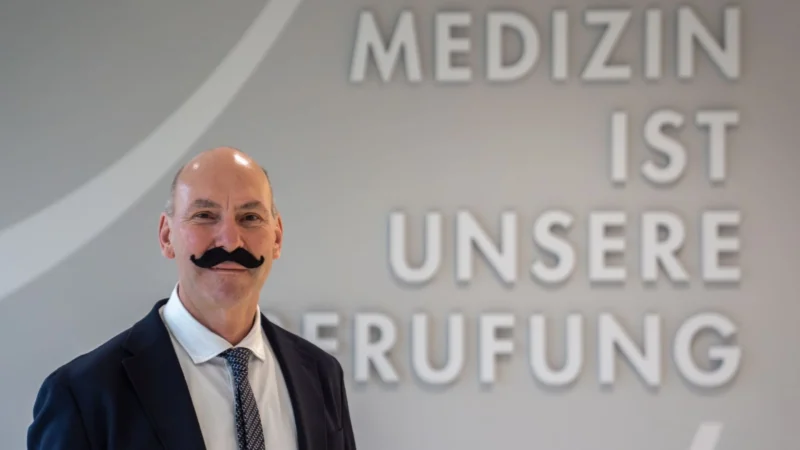
At the University Cancer Center Leipzig, Professor Florian Lordick has joined the Movember movement with a clear message: behind every mustache is a reminder that men’s health matters. His campaign emphasizes awareness not only for prostate and testicular cancer but also for mental well‑being and suicide prevention. Lordick stresses that too many men delay check‑ups or remain silent about health concerns, and that early detection and open conversations can save lives. By framing Movember as more than a symbol — as a movement for change — UCCL highlights the global reach of advocacy and research in 2025.
Los Angeles in Focus
Los Angeles continues to be a vibrant hub for Movember activities in 2025, blending lifestyle, community, and advocacy:
- Movember Walk & Ride Los Angeles – A signature community event where participants walk and cycle through city landmarks while raising funds and awareness for men’s health.
- Mo Masters Golf Tournament at Penmar – A stylish charity golf day that combines sport, networking, and fundraising. This event attracts local leaders and advocates, making it a highlight of LA’s Movember calendar.
- Rancho Los Amigos Movember Campaigns – Staff at Rancho Los Amigos National Rehabilitation Center grow moustaches and host awareness drives, turning healthcare spaces into living reminders of Movember’s mission.
- Movember Moustache Bash at Santa Monica Brew Works – A nightlife fundraiser with craft beer, moustache contests, and community flashmob energy.
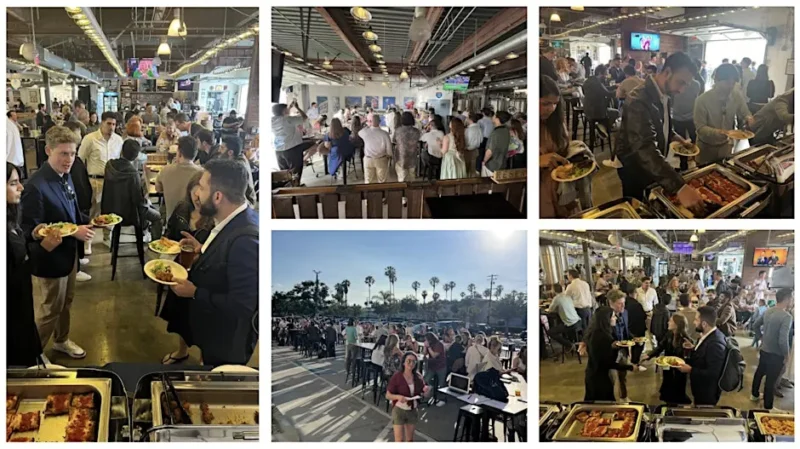
These events are more than fundraisers. They are cultural touchpoints, embedding men’s health into everyday life and giving Angelenos visible ways to participate.
Movember by the Numbers and Nightlife
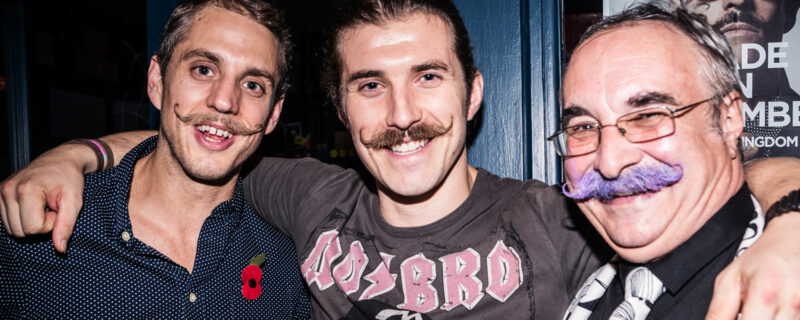
Movember began with 30 friends in Melbourne. Today, it unites millions of participants across more than 20 countries each year (Awareness Days). The Movember Media Room highlights that 3 million American men are living with prostate cancer, and one in eight men will be diagnosed in their lifetime. Bars, pubs, and barbershops across Los Angeles have joined the movement, offering free mustache trims with donations and hosting themed flash mobs. Movember is not only about science and survivorship — it is also about style, nightlife, and community energy.
Celebrity Voices: Survivors Who Changed the Conversation
Movember has inspired some of the world’s most recognizable figures to speak openly about prostate and testicular cancer. Ben Stiller credited early PSA testing with saving his life, while Stephen Fry used humor to dismantle stigma around men’s health. James Pickens Jr. of Grey’s Anatomy joined awareness campaigns, highlighting the importance of early screening for Black men. Lance Armstrong survived advanced testicular cancer and became a leading advocate for awareness. Olympic skater Scott Hamilton and footballer Jason Cundy also shared their diagnoses, encouraging men to recognize symptoms and prioritize checkups.
Read more about Ben Stiller and Prostate Cancer on OncoDaily.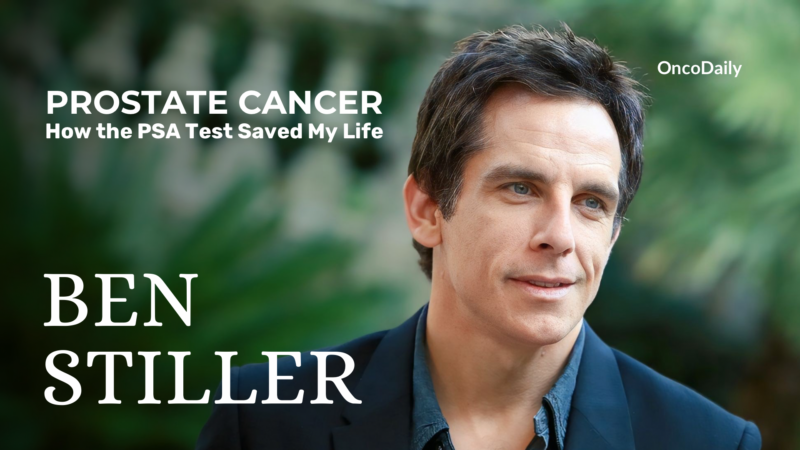
Celebrity Style: Movember’s Mustache Icons
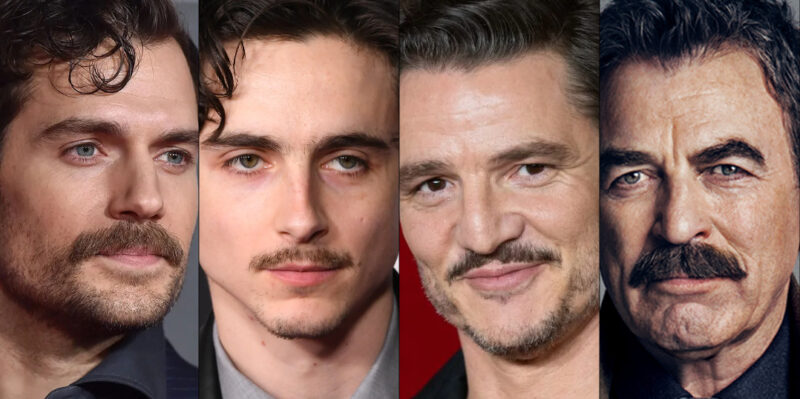
This year, moustaches have been trending among celebrities. Henry Cavill and Timothée Chalamet have been spotted with moustaches on red carpets. Pedro Pascal and David Beckham leaned into Movember grooming, blending fashion with advocacy. And Tom Selleck’s timeless moustache remains a cultural reference point. These style icons make Movember visible in pop culture, ensuring the moustache is both fashionable and meaningful.
Exclusive OncoDaily Voices Driving Movember 2025 in Oncology
Movember 2025 brings together advocacy and scientific progress, and OncoDaily’s contributors are helping shape the future of men’s cancer care. Velda Smajlbegovic explores de-escalation trials that aim to preserve quality of life while maintaining treatment efficacy. Herbert Loong shares insights on biomarker testing in prostate and lung cancer, advancing personalized medicine. Ravi Madan highlights survivorship strategies and the role of PSA imaging in metastatic prostate cancer. Guillermo de Velasco discusses radiotherapy innovations and phenotype-driven care in renal cell carcinoma. Andrea Anampa Guzmán amplifies global oncology equity, spotlighting international collaboration and the voices of emerging researchers.
These expert perspectives reflect the depth of Movember’s impact across research, clinical practice, and global health.
Why Specialists Should Care
Movember drives more than awareness; it accelerates knowledge in men’s health and oncology research. Translational science, from IGF‑1 immune evasion to PSMA therapy trials, is reshaping cancer treatment strategies. Global oncology funding continues to expose inequities in screening and access to care, urging specialists to champion policy change. Survivorship science now integrates fertility, cardiometabolic health, and mental health into everyday oncology practice. For leading cancer specialists, Movember 2025 is a reminder that the moustache is symbolic, but the science is transformative.
Call to Action
Movember is about breaking the silence, funding research, and saving lives in men’s health. In Los Angeles and beyond, the moustache sparks conversations, but the true impact comes when men schedule screenings, families discuss prostate and testicular cancer openly, and communities rally around survivors. Movember empowers action, turning awareness into prevention, advocacy, and hope.