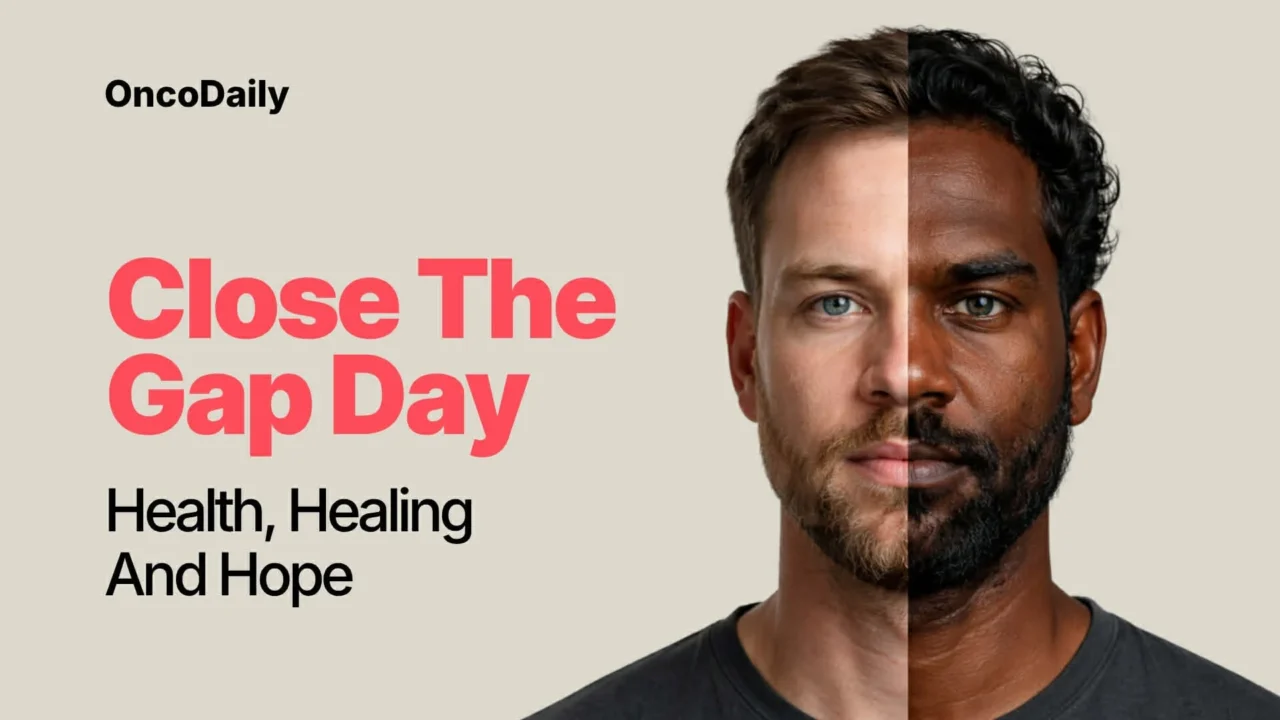
Close the Gap Day 2026 is set for Thursday, March 19, marking the third Thursday in March as Australia’s annual call to action for health and life expectancy equality for Aboriginal and Torres Strait Islander peoples. This nationwide event unites communities through rallies, workshops, and cultural gatherings to address persistent disparities, with a renewed push toward the 2031 National Agreement targets.
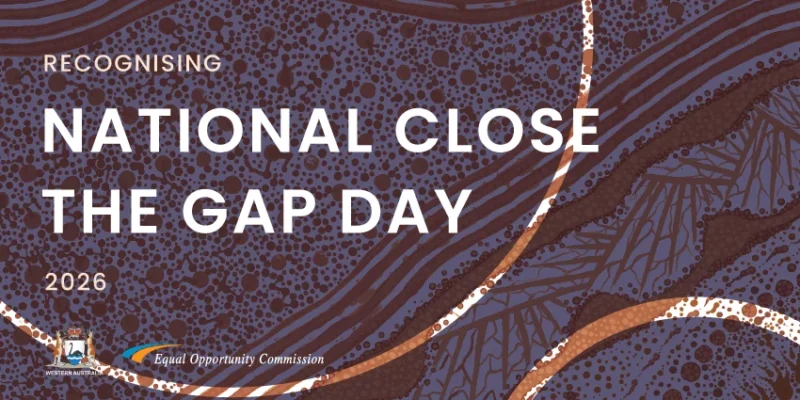
A vital tie to cancer emerges here: Indigenous Australians face up to three times higher rates of avoidable cancer deaths, driven by gaps in screening, late diagnoses, and remote access such as lung cancer survival at just 6% in rural areas versus 12% urban. Spotlight these inequities on March 19 to champion early detection and culturally safe care, echoing global efforts like World Cancer Day’s “Close the Care Gap.”
Readers, plan ahead by checking closethegap.org.au or local councils for events like free health stalls and webinars turn awareness into advocacy for oncology equity.
Key Events and Activities
Close the Gap Day 2026 on March 19 offers diverse events across Australia to drive Indigenous health equity, with opportunities to weave in cancer awareness amid stark disparities like three times higher avoidable cancer deaths.
Head to free family-friendly events such as the Adelaide Showground gathering (10AM-3PM), packed with Welcome to Country ceremonies, live music, children’s activities like face painting and storytelling, and stalls from health services perfect for cancer awareness booths highlighting mobile screening units for remote communities. Similar events pop up nationwide, from Sydney rallies to Perth markets, fostering dialogue on barriers like late-stage lung cancer diagnoses in rural areas.
Webinars and Talks
Tune into the RACGP’s evening webinar (7-8PM AEDT), where experts unpack health equity strategies, including culturally safe oncology protocols tailored to Aboriginal needs, such as patient navigators and community-led early detection programs aligned with NCCN and ASCO guidelines. These sessions equip participants with actionable insights, like addressing head/neck cancer’s 31% remote survival rate versus 47% urban.
Workplace And School Actions
In offices or schools, organize morning teas with orange-themed treats, sports days featuring smudging ceremonies, or assemblies sharing stark stats—lung cancer 5-year survival at 6% remote versus 12% urban to spark conversations on treatment access. Encourage pledges for policy advocacy, like funding for Indigenous-specific cancer research, turning everyday settings into hubs of change.
Personal And Community Ways To Spend Close The Gap Day
Close the Gap Day on March 19, 2026, empowers individuals and groups to tackle health inequities for Aboriginal and Torres Strait Islander peoples, with a sharp focus on cancer gaps like three times higher avoidable deaths from late diagnoses. Simple, meaningful actions can drive real change toward 2031 targets, blending personal commitment with collective impact.
For individual efforts, wear orange as a visible sign of solidarity, whether at work, school, or online. Share stories or facts using #CloseTheGapDay on platforms like X, LinkedIn, or Instagram to amplify voices. Sign pledges at sites like oxfam.org.au or closethegap.org.au, committing to ongoing advocacy. Tie this to cancer by posting about screening barriers, such as geographic isolation doubling cervical cancer rates, and link to UICC’s “Close the Care Gap” for global early detection strategies.
Group activities shine through community BBQs featuring Indigenous speakers, group walks that end in sharing circles, or volunteering at free health check stations for basics like blood pressure monitoring. Center discussions on remote treatment access, using NCCN and ESMO guidelines to highlight culturally safe lung cancer care and holistic support models.
In advocacy, write letters to MPs demanding more Closing the Gap funds, run donation drives for programs like Cancer Council NSW’s Indigenous initiatives, or join petitions for policy shifts. Specifically push for mobile screening units in high-risk areas, targeting lung cancer (6% remote survival) and head/neck cancers (31% remote vs. 47% urban), backed by ASCO evidence for trials and patient navigators.
You Can Also Read Beyond Access: The Hidden Cultural Barriers to Cancer Screening Across South Asia, the Middle East, and Africa by OncoDaily
Written by Aharon Tsaturyan, MD, Editor at OncoDaily Intelligence Unit
FAQ
What is Close the Gap Day 2026?
Australia's annual event on March 19 promotes health equality for Aboriginal and Torres Strait Islander peoples, uniting communities against disparities.
When is Close the Gap Day 2026?
Thursday, March 19—the third Thursday in March—features nationwide rallies and activities toward 2031 targets.
How does Close the Gap Day relate to cancer?
It spotlights Indigenous cancer inequities, like 3x higher avoidable deaths from screening gaps and late diagnoses.
What are major events for Close the Gap Day 2026?
Free gatherings like Adelaide Showground (10AM-3PM) with health stalls, music, and cancer awareness booths.
What cancer survival stats highlight the gap?
Lung cancer: 6% remote vs. 12% urban; head/neck: 31% vs. 47%.
How to join Close the Gap Day webinars?
RACGP webinar (7-8PM AEDT) covers oncology equity, patient navigators, and NCCN/ASCO protocols.
What individual actions for Close the Gap Day?
Wear orange, post #CloseTheGapDay stories, sign pledges at oxfam.org.au.
Ideas for group activities on March 19, 2026?
BBQs with speakers, walks, volunteer health checks focusing on remote cancer access.
BBQs with speakers, walks, volunteer health checks focusing on remote cancer access.
How to advocate for Indigenous cancer care?
Where to find local Close the Gap Day events?
Check closethegap.org.au or councils for stalls, webinars, and oncology-focused gatherings.