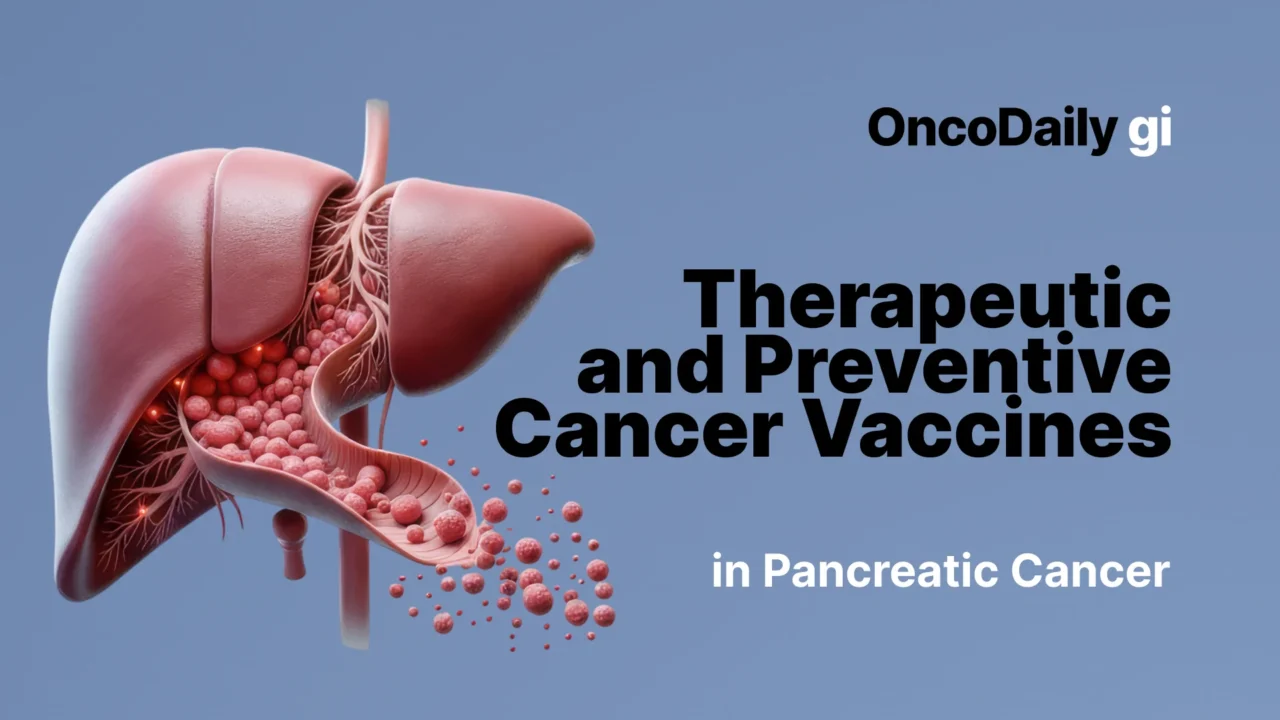
Pancreatic cancer remains one of the most lethal malignancies worldwide, with five-year survival rates hovering around 10% and median survival often measured in months rather than years. The majority of patients present with advanced or metastatic disease, rendering surgery impossible and limiting the impact of systemic therapies. Even among those eligible for surgery and combination chemotherapy, long-term survival remains rare. These grim outcomes have driven intense interest in alternative strategies, including therapeutic cancer vaccines.
Unlike preventive vaccines, therapeutic cancer vaccines aim to train the immune system to recognize and eliminate malignant cells after diagnosis, ideally generating durable immune memory that prevents recurrence. Recent advances in immunology, genomics, and vaccine platforms have renewed optimism that pancreatic cancer—long considered immunologically “cold”—may finally be vulnerable to immune-based approaches.
Pancreatic Cancer: Symptoms, Causes, Types, Diagnosis & Treatment
Why Pancreatic Cancer Has Resisted Immunotherapy
Pancreatic tumors typically harbor a low mutational burden, attract few immune cells, and are encased in a dense stromal microenvironment that physically and biologically restricts immune infiltration. Unlike melanoma or lung cancer, pancreatic tumors rarely provoke spontaneous immune recognition, which partly explains the disappointing performance of immune checkpoint inhibitors in this disease.
However, rare long-term survivors of pancreatic cancer provided a critical clue: their tumors were enriched with tumor-specific T cells, some of which persisted in circulation for years. This observation suggested that, under the right conditions, pancreatic cancer can be immunogenic.
Strategy 1: Personalized Neoantigen Vaccines
One promising approach involves individualized vaccines targeting neoantigens—mutant proteins unique to a patient’s tumor.
In a landmark clinical trial led by researchers at Memorial Sloan Kettering Cancer Center, patients with resectable pancreatic cancer underwent tumor sequencing after surgery. By comparing tumor and normal tissue, investigators identified patient-specific neoantigens, which were then incorporated into a personalized mRNA vaccine. Patients also received chemotherapy and PD-1 blockade to support immune activation.
Key findings included:
- The vaccine was safe and feasible
- Half of vaccinated patients mounted a robust T-cell response
- Among immune responders, most remained relapse-free beyond three years, an exceptional outcome in pancreatic cancer
- Tumor-specific CD8+ “killer” T cells persisted in circulation for up to four years
Although causality cannot yet be definitively established, these results strongly suggest that personalized vaccination may contribute to long-term disease control in a subset of patients.
Strategy 2: Targeting KRAS – The Universal Driver
An alternative and potentially scalable approach focuses on KRAS, a driver oncogene mutated in approximately 90% of pancreatic ductal adenocarcinomas. Because pancreatic cancer cells depend on KRAS for survival, targeting mutant KRAS represents an attractive and biologically rational strategy.
Several groups are developing KRAS-directed peptide vaccines, designed to provoke immune responses against common mutant KRAS variants. Early-phase trials have shown:
- High rates of KRAS-specific T-cell activation
- Engagement of both CD8+ cytotoxic T cells and CD4+ helper T cells
- Favorable safety profiles
Some vaccine platforms use molecular “delivery tricks” to enhance lymph-node targeting, ensuring optimal antigen presentation and immune priming. Larger phase II trials are now underway, with results expected in the coming years.
Beyond Treatment: Vaccination for Cancer Prevention
Perhaps the most transformative idea is the use of vaccines before invasive cancer develops. KRAS mutations arise early in pancreatic tumorigenesis and are detectable in precancerous lesions and pancreatic cysts. This raises the possibility of immune interception—training the immune system to eliminate precancerous cells before malignant transformation.
Early clinical studies are already testing KRAS vaccines in:
- Individuals with pancreatic cysts
- Genetically high-risk populations
Initial results suggest that these vaccines are safe and capable of inducing measurable immune responses, marking the first steps toward true cancer prevention through vaccination.
Clinical Implications and Outlook
Therapeutic vaccines represent a paradigm shift in pancreatic cancer management. Rather than extending survival by incremental months, the goal is to convert a lethal disease into a controllable—or even curable—condition by harnessing immune memory.
Significant challenges remain: not all patients mount immune responses, tumor immune escape mechanisms persist, and definitive proof of survival benefit will require randomized trials. Nonetheless, the convergence of personalized genomics, mRNA technology, and immunotherapy has fundamentally changed expectations in a field long defined by therapeutic failure.
As one investigator summarized, the ambition is no longer modest survival gains—but durable remission and cure.
Read all article here