Precision oncology has transformed non-small-cell lung cancer from a disease classified primarily by histology into one increasingly defined by oncogenic drivers, resistance mechanisms and anatomic patterns of progression.
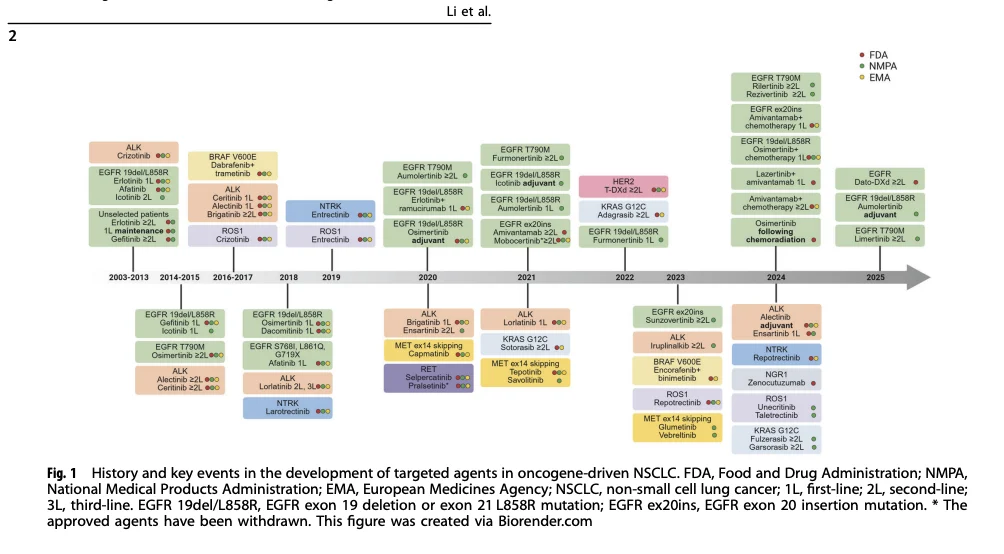
A major 2026 review published in Signal Transduction and Targeted Therapy synthesizes the rapidly expanding evidence for targeted therapy across EGFR, ALK, ROS1, KRAS, BRAF, MET, RET, HER2, NTRK and other molecular subsets, while also addressing three increasingly important questions: how to manage acquired resistance, how to treat central nervous system disease, and how targeted therapy should move into earlier stages of NSCLC.
The authors estimate that approximately 60% of nonsquamous NSCLC harbors an actionable oncogenic alteration. More than 30 targeted agents have now reached regulatory approval, but the central challenge is shifting from simply identifying a driver to choosing the right drug, anticipating resistance and preserving long-term CNS control.
Targeted Therapy Is No Longer Only About the Driver
The review emphasizes that molecularly driven NSCLC should no longer be approached simply as “EGFR-positive,” “ALK-positive,” or “KRAS-positive.”
Treatment selection increasingly depends on several layers of biology: the exact mutation or fusion, prior targeted therapies, resistance mutations, co-alterations, CNS disease, prior chemotherapy or immunotherapy, and whether progression is isolated to one compartment or reflects widespread systemic escape.
That complexity is particularly relevant in EGFR-mutated disease, where classical sensitizing mutations, exon 20 insertions, uncommon kinase-domain mutations and PACC mutations can behave very differently and require different therapeutic strategies. It is also increasingly relevant across ALK, ROS1, RET and KRAS, where resistance genotypes now influence drug sequencing.
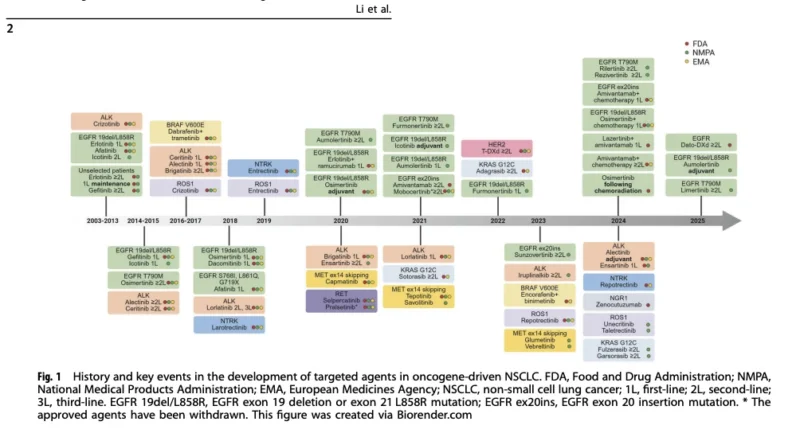
EGFR: From Classical Mutations to a Multilayered Treatment Ecosystem
EGFR remains the most extensively studied oncogenic driver in NSCLC. For common EGFR exon 19 deletions and L858R, third-generation TKIs have reshaped first-line treatment because of their improved systemic and intracranial efficacy.
In FLAURA, osimertinib achieved an ORR of 80% versus 76% with first-generation TKIs and reduced CNS progression from 15% to 6%. CNS ORR among evaluable patients was 91% versus 68%. Other third-generation TKIs including aumolertinib, furmonertinib, lazertinib, befotertinib, rezivertinib and rilertinib have also produced prolonged disease control, with several demonstrating substantial CNS activity.
The review highlights that drug choice is therefore no longer determined only by systemic PFS. Brain penetration and intracranial durability have become core treatment-selection criteria.
Combination Strategies Are Raising the Efficacy Ceiling
The next question is whether a potent EGFR TKI alone remains enough for every patient. FLAURA2 showed that adding chemotherapy to osimertinib extended median PFS from 16.7 to 25.5 months, although at the cost of more grade ≥3 toxicity.
Similarly, the MARIPOSA programme established amivantamab plus lazertinib as another strategy for intensifying first-line EGFR treatment. The review reports median PFS of 23.7 versus 16.6 months against osimertinib, with broadly similar response rates.
The trade-off is important: greater efficacy may come with greater toxicity, treatment burden and complexity. The future of first-line EGFR therapy may therefore be increasingly risk-adapted rather than uniform.
Rare EGFR Mutations Require Their Own Treatment Logic
The review gives substantial attention to rare EGFR mutations, which are increasingly being separated from one another biologically rather than grouped into a single “uncommon EGFR” category.
EGFR Exon 20 Insertions
Exon 20 insertions account for a minority of EGFR-mutant NSCLC but historically respond poorly to conventional EGFR TKIs. Newer agents have changed that picture. Sunvozertinib produced a confirmed ORR of 61% in previously treated disease.
In FAVOUR, furmonertinib 240 mg achieved an ORR of 69% in treatment-naïve patients and 50% in pretreated disease. Amivantamab has also established activity in exon 20 insertion disease and, when combined with chemotherapy in PAPILLON, improved ORR and PFS over chemotherapy alone.
These developments illustrate a broader principle: structurally distinct EGFR alterations require structurally appropriate drugs.
PACC Mutations
P-loop and αC-helix compressing mutations include variants such as G719X, S768I, E709X, L747X and others. The review identifies PACC mutations as a particularly important emerging group.
Across earlier generations of EGFR TKIs, response rates have been inconsistent. In contrast, the phase Ib FURTHER programme showed encouraging activity with high-dose furmonertinib, with the review reporting a confirmed ORR of approximately 64% with 240 mg and disease control in all patients in that dose cohort.
This reinforces the shift toward structure-based classification of EGFR mutations rather than exon-based classification alone.
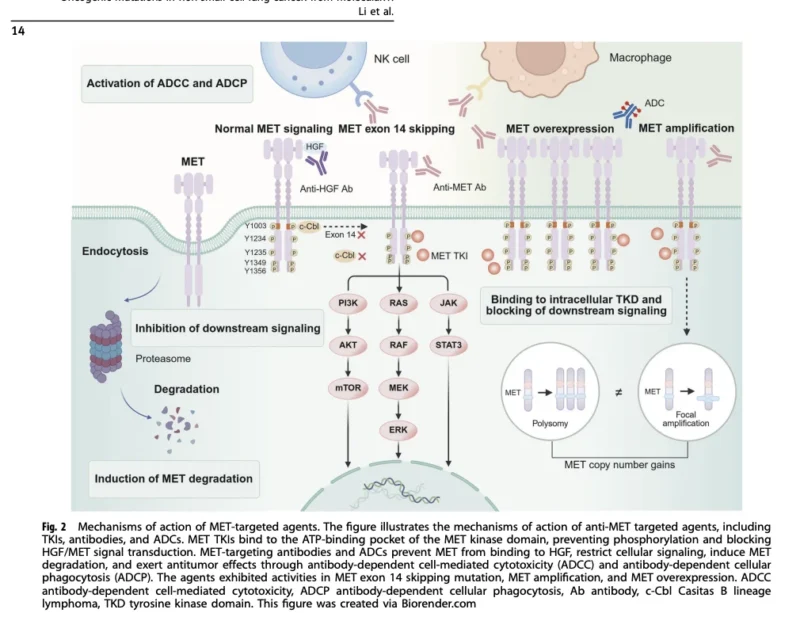
ALK: CNS Control and Resistance Profile Now Drive Drug Choice
ALK-positive NSCLC is another disease in which drug development has rapidly advanced from first-generation inhibitors to highly CNS-active next-generation agents. The review favors alectinib, brigatinib and lorlatinib over sequential use of crizotinib because of superior systemic efficacy and brain penetration.
Lorlatinib is particularly notable. In CROWN, treatment-naïve patients achieved an ORR of 81% and a CNS ORR of 92%. Among patients with measurable brain metastases at baseline, 58% achieved intracranial complete responses.
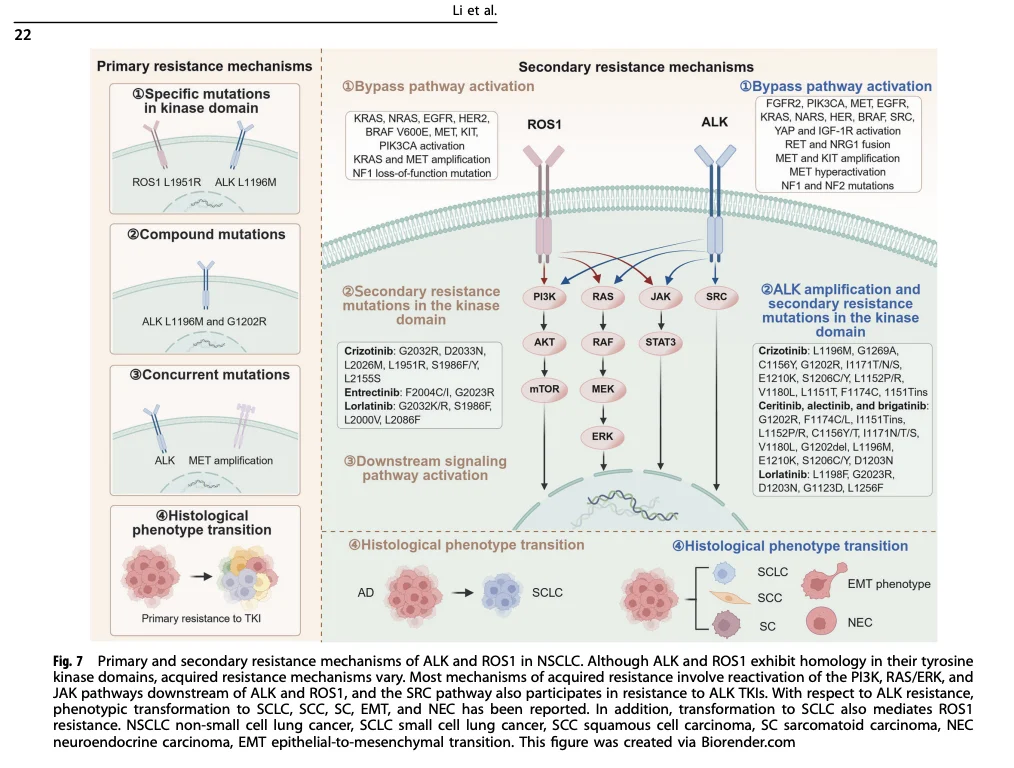
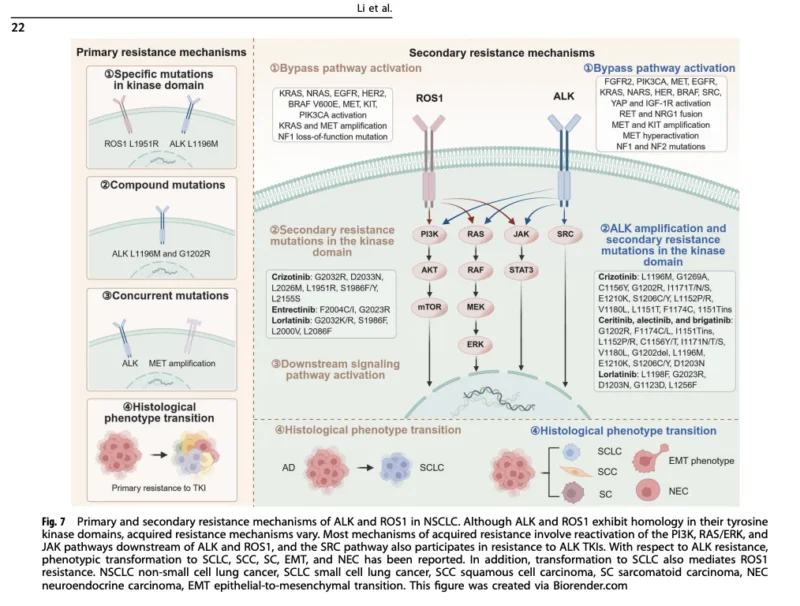
But greater potency brings new complexity. Different ALK resistance mutations create different patterns of sensitivity, and compound mutations after multiple sequential TKIs may be difficult to overcome with any single agent. This makes molecular reassessment at progression increasingly relevant to ALK sequencing, not merely an academic exercise.
ROS1: Newer Inhibitors Target Both the Fusion and Its Resistance Mutations
ROS1-positive NSCLC has followed a similar trajectory. Crizotinib initially established ROS1 as an actionable driver, but CNS progression and acquired kinase-domain mutations became major limitations. The review highlights next-generation agents designed to overcome these problems.
The solvent-front mutation ROS1 G2032R remains one of the most important mechanisms of resistance. NVL-520 showed an ORR of 48% in TKI-pretreated disease and 78% among patients with G2032R in the ARROS-1 programme.
Unecritinib also demonstrated promising systemic activity, with an ORR above 80% in updated phase II data cited by the review.
As with ALK, the lesson is increasingly clear: successful long-term management requires matching the next inhibitor to the specific resistance mutation and CNS pattern of progression, rather than simply moving to another drug in the same class.
MET Exon 14 Skipping: Effective TKIs, but Resistance Remains Common
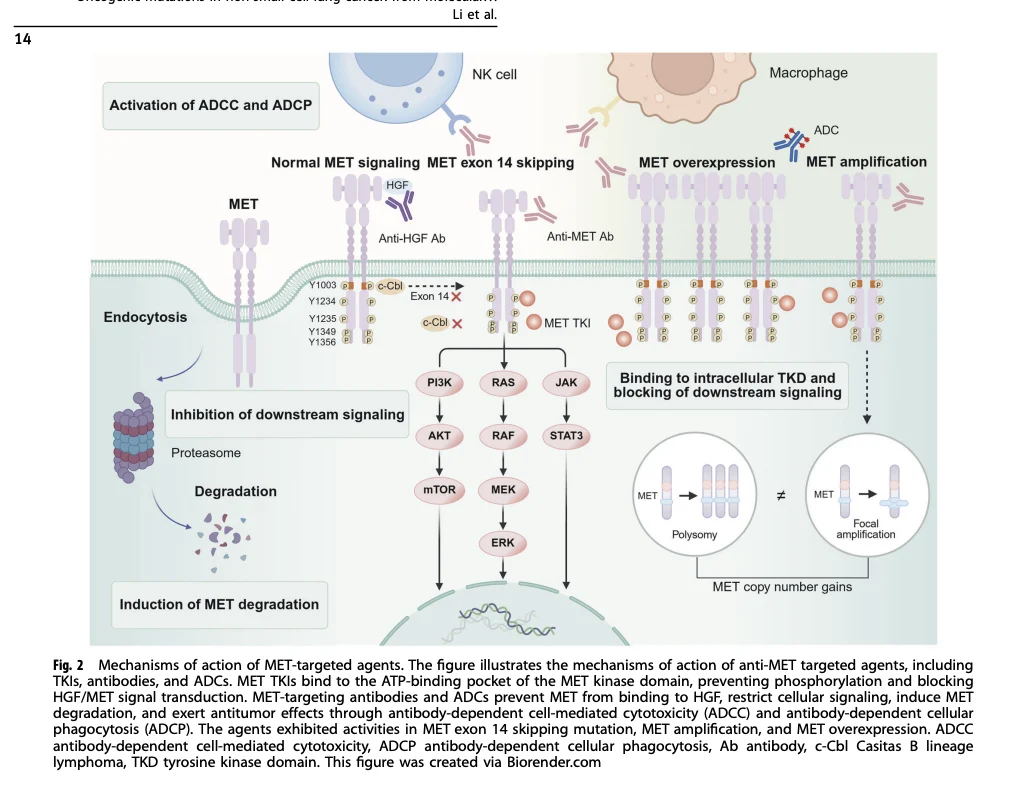
MET exon 14 skipping has become another established therapeutic target. Capmatinib and tepotinib remain important selective MET inhibitors, while vebreltinib, gumarontinib and savolitinib have also demonstrated clinically meaningful responses.
The review cites ORRs around 70%–77% in some treatment-naïve populations with newer MET TKIs. However, acquired resistance is increasingly well characterized.
Secondary MET kinase-domain mutations, particularly around D1228 and Y1230, can impair drug binding, while activation of RAS-MAPK signaling, KRAS alterations and other bypass pathways can restore tumor growth despite MET inhibition. This means MET-positive disease is evolving from a simple “target present → give inhibitor” model toward resistance-guided sequential therapy.
RET: Highly Selective Inhibitors Have Replaced Multikinase Compromises
RET-rearranged NSCLC has similarly benefited from highly selective inhibitors. Older multikinase drugs such as cabozantinib were limited by off-target toxicity and less potent RET inhibition. Selective RET TKIs such as selpercatinib and pralsetinib have produced substantially stronger activity and better CNS control.
Yet resistance is emerging. The review identifies RET G810 solvent-front mutations, V804 gatekeeper alterations and acquired MET or KRAS amplification as important resistance pathways. SCLC transformation has also been described after RET inhibition.
The increasingly important clinical question is therefore not simply whether RET is actionable, that is established, but how RET-positive disease should be managed after selective RET inhibition fails.
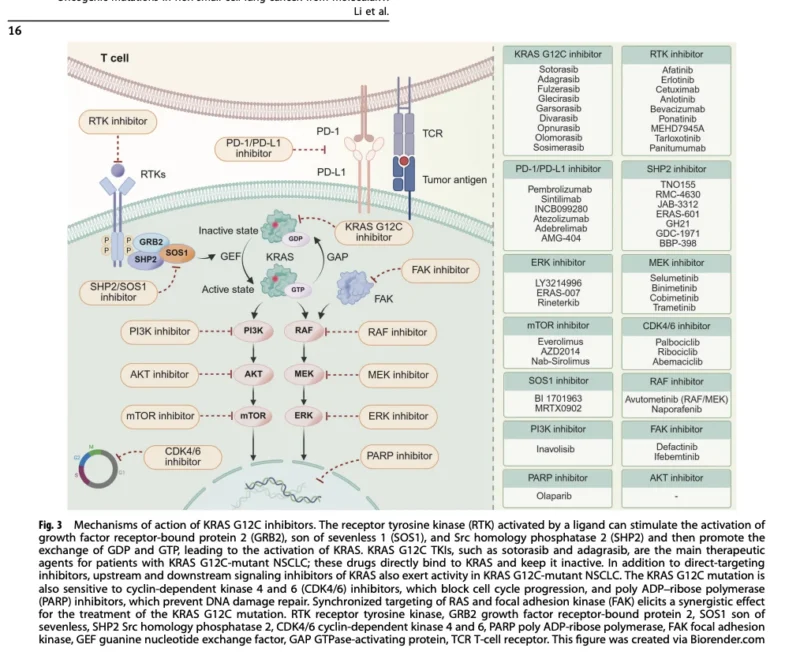
KRAS G12C: Drugging KRAS Was Only the Beginning
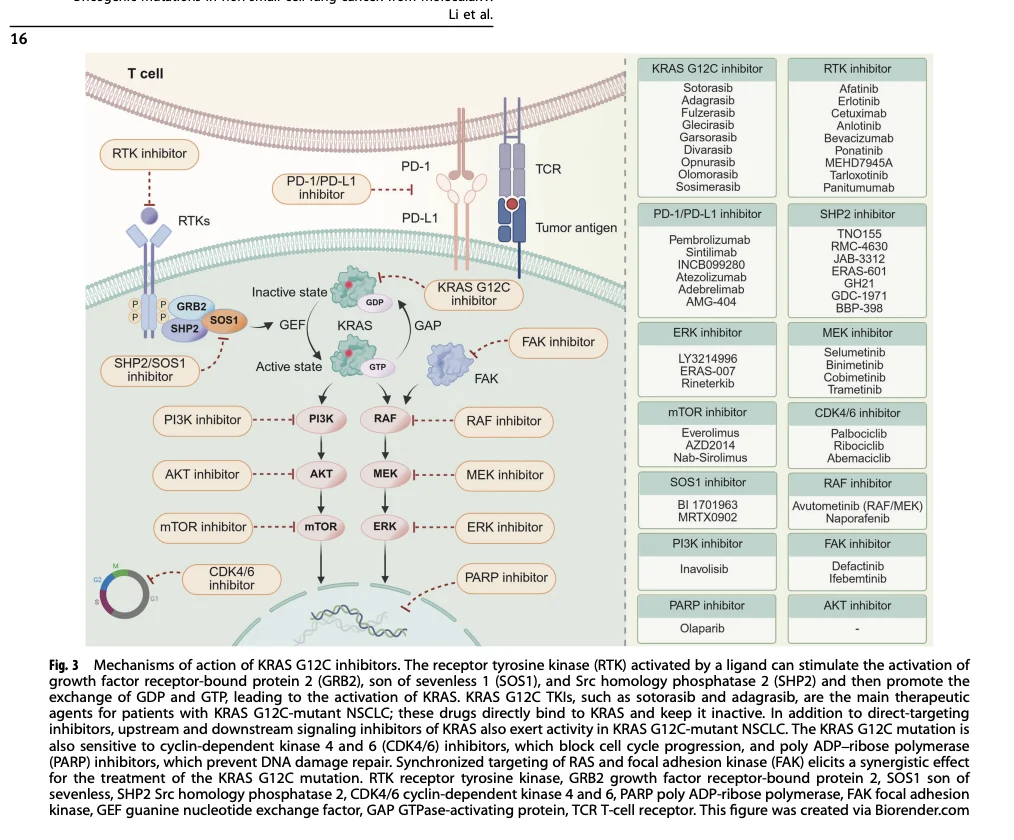
KRAS G12C inhibition represented one of the largest conceptual breakthroughs in thoracic oncology, but the field has rapidly moved beyond proving that KRAS can be targeted. The next challenge is resistance. The review describes a remarkably heterogeneous resistance landscape involving new KRAS alterations, including changes at G12, G13, Q61, H95 and Y96, together with KRAS amplification.
Bypass pathways are equally important. MET amplification, EGFR, HER2 and FGFR signaling, wild-type NRAS and HRAS reactivation, BRAF/MAPK pathway alterations and PI3K signaling can all reduce sensitivity to G12C inhibition. Histologic transformation and epithelial-to-mesenchymal transition may also contribute.
This complexity explains why the next generation of KRAS therapy increasingly focuses on combination strategies, upstream signaling inhibition and newer inhibitors capable of addressing multiple KRAS states.
BRAF V600E: Combination Targeting Remains Essential
BRAF V600E-mutant NSCLC illustrates why targeting one node in an oncogenic pathway may be insufficient. Dual BRAF/MEK inhibition remains the biologically rational strategy because isolated BRAF inhibition allows MAPK pathway reactivation.
Resistance may occur through RAS pathway reactivation, PI3K-AKT signaling, EGFR activation and secondary pathway alterations. The review therefore places BRAF disease within the broader theme of modern targeted therapy: effective inhibition increasingly requires an understanding of network biology, not just a single mutated protein.
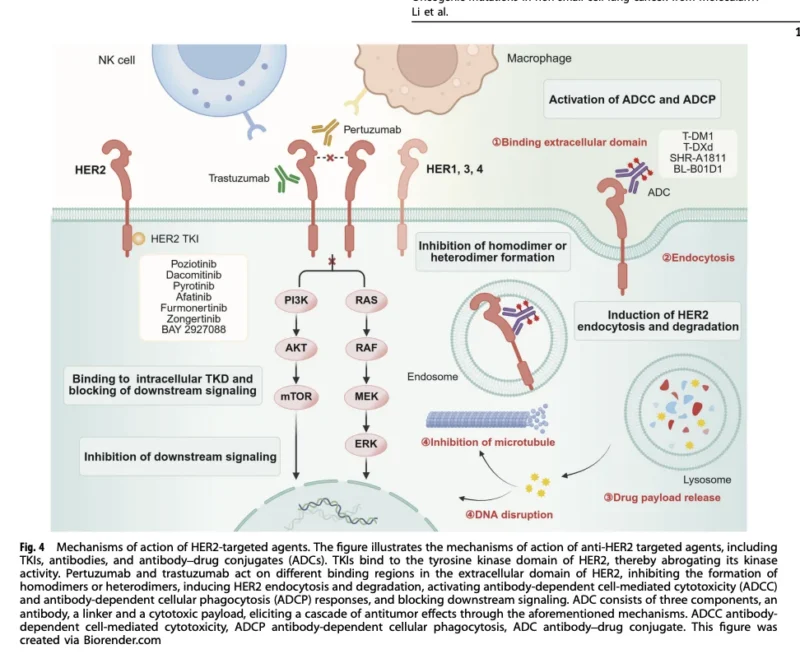
HER2: ADCs Have Created a New Treatment Class in Lung Cancer
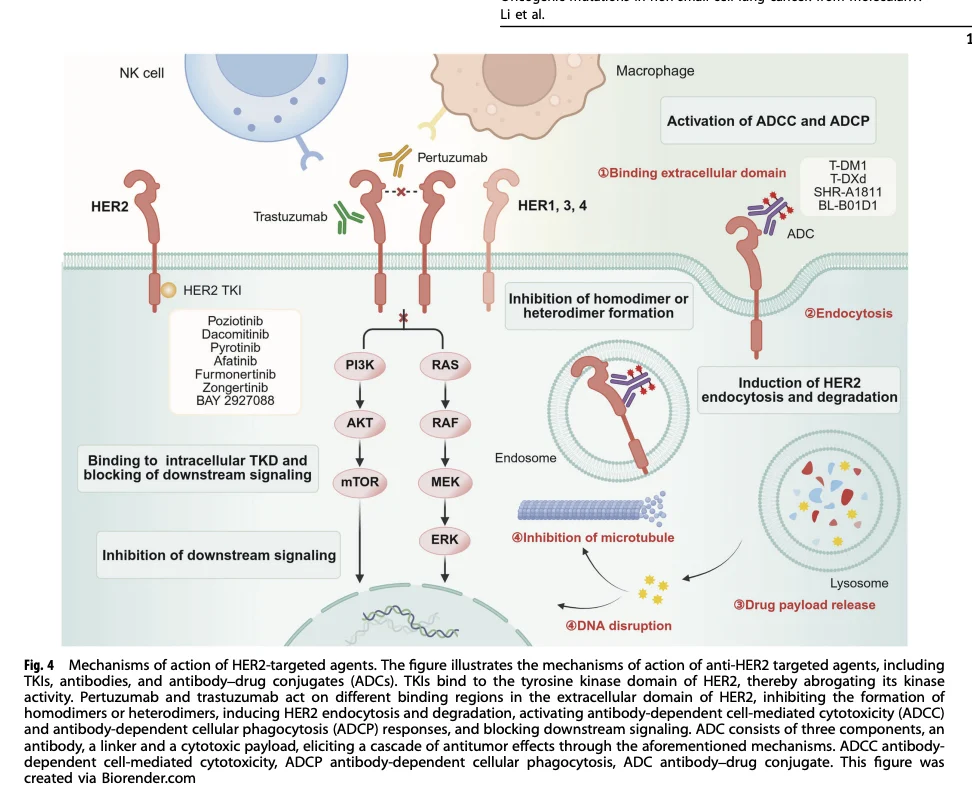
HER2-mutant NSCLC is one of the clearest examples of how antibody–drug conjugates have expanded precision oncology beyond TKIs. HER2 mutations occur in approximately 2%–4% of NSCLC, most commonly as exon 20 insertions.
The review identifies trastuzumab deruxtecan (T-DXd) as the pivotal targeted therapy in this setting. In DESTINY-Lung02, the review reports ORRs of approximately 50%–56%, with median PFS around 10–13 months, depending on dose.
T-DXd has consequently become the first globally established HER2-directed targeted therapy specifically for HER2-mutant advanced NSCLC. Other ADCs and bispecific platforms, including BL-B01D1/izalontamab brengitecan, T-DM1 and SHR-A1811, are also under development.
The unresolved issue remains CNS disease, because intracranial evidence for several HER2-directed therapies is still limited.
NTRK and NRG1: Rare Alterations, Major Therapeutic Consequences
Although NTRK fusions occur in only a very small fraction of NSCLC, they remain highly actionable. Larotrectinib and entrectinib established the tumor-agnostic principle that very rare genomic alterations can still justify routine molecular testing when the therapeutic benefit is substantial.
NRG1 fusions represent another rare but increasingly important subgroup, with zenocutuzumab providing a targeted strategy.
These alterations illustrate why broad genomic profiling matters even when individual biomarkers are uncommon: a rare result may completely change the treatment algorithm.
Antibodies and ADCs Are Expanding Precision Therapy Beyond TKIs
One of the most important themes of the review is that oncogene-driven NSCLC is no longer treated exclusively with small-molecule TKIs. Target-specific antibodies and ADCs are entering resistance settings where kinase inhibition alone may be insufficient.
Examples include:
- Amivantamab, targeting EGFR and MET
- HER3-DXd, targeting HER3 after EGFR-TKI progression
- Izalontamab brengitecan, a bispecific EGFR×HER3 ADC
- Sacituzumab tirumotecan, targeting TROP2
- Datopotamab deruxtecan, another TROP2 ADC
- Telisotuzumab vedotin, targeting c-MET
- T-DXd, targeting HER2
The review’s Table 3 illustrates how these platforms are already generating clinically meaningful activity after TKI resistance. For example, HER3-DXd improved PFS over chemotherapy in HERTHENA-Lung02, while sacituzumab tirumotecan produced substantially higher response rates than chemotherapy in an EGFR-mutated post-TKI population.
This is an important strategic shift. Future treatment may not always require finding another inhibitor for the same mutated kinase. It may instead use surface-antigen targeting to deliver cytotoxic therapy directly to a resistant tumor.
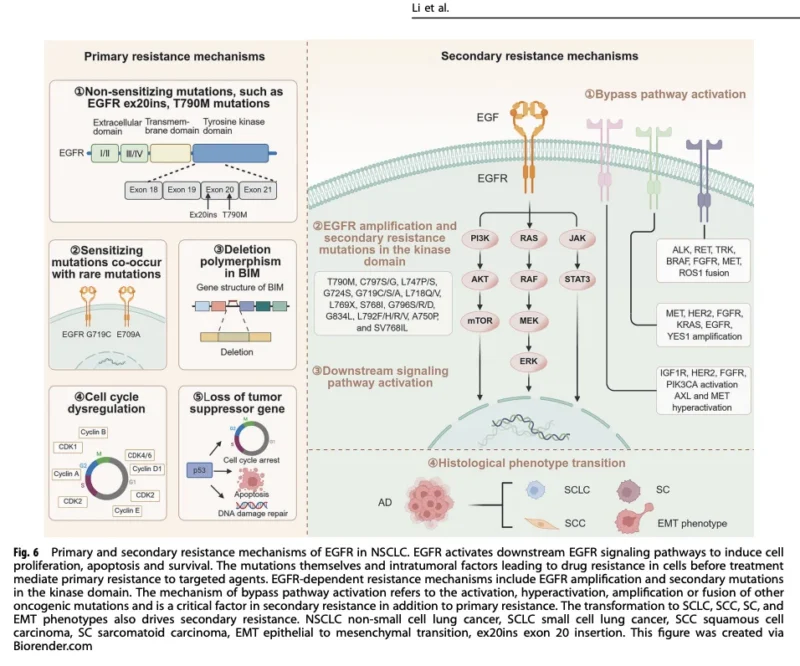
Resistance Is Not One Event, It Is a Biological Evolution
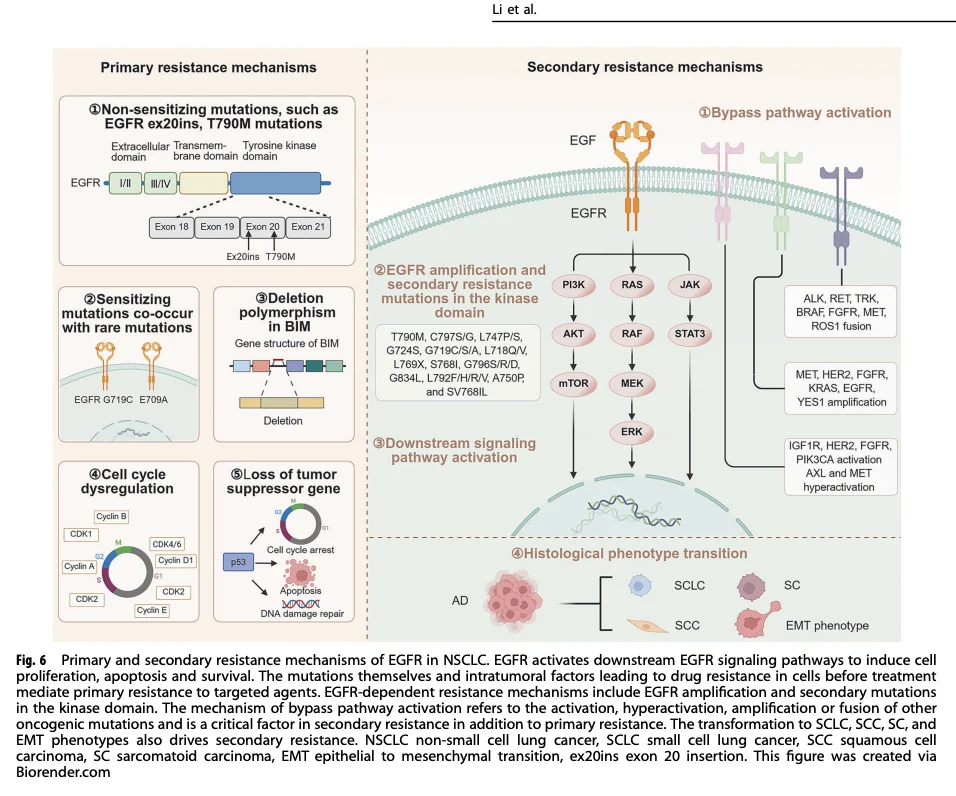
The review organizes resistance into several broad mechanisms.
On-target resistance
Secondary mutations alter the kinase-binding site and reduce drug activity. Examples include:
- EGFR C797S after third-generation EGFR TKIs
- ALK G1202R and compound ALK mutations
- ROS1 G2032R
- RET G810 mutations
- MET D1228/Y1230 mutations
Bypass pathway activation
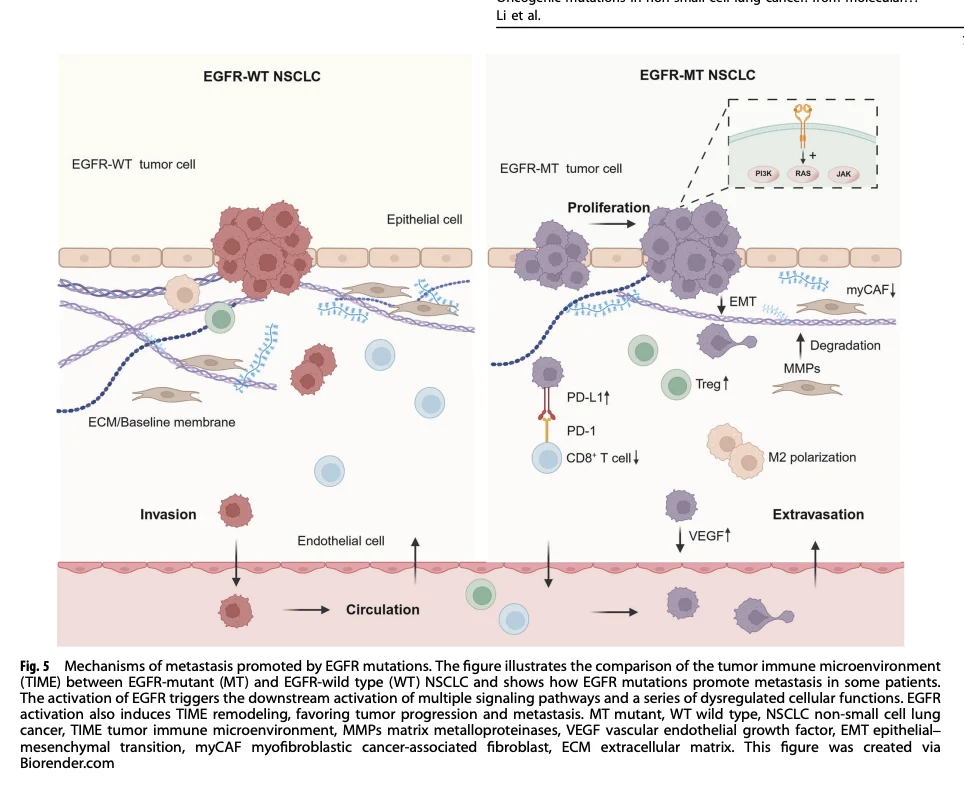
Tumors may simply route signaling around the inhibited target. MET amplification is a classic example after EGFR inhibition. Other escape pathways include HER2, FGFR, AXL, PI3K, KRAS, BRAF, RET and multiple RTK networks.
Downstream pathway reactivation
PI3K-AKT, MEK-ERK and JAK-STAT signaling may become reactivated despite continued suppression of the original oncogenic driver.
Phenotypic transformation
Tumors may undergo transformation into small-cell lung cancer, squamous carcinoma, sarcomatoid carcinoma or neuroendocrine phenotypes, fundamentally changing treatment sensitivity. Epithelial-to-mesenchymal transition represents another resistance pathway.
The implication is profound: progression on targeted therapy should increasingly trigger renewed biological characterization rather than an automatic switch to chemotherapy.
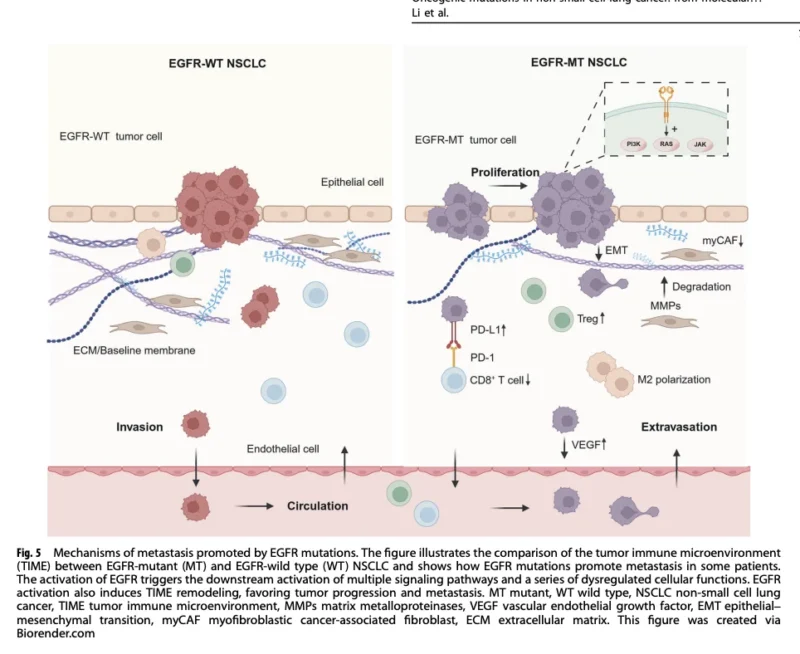
Co-Mutations May Explain Why Patients With the Same Driver Behave Differently
Two patients with the same EGFR or KRAS driver may have very different clinical courses. One explanation is the co-mutational landscape.
The review estimates that approximately 1.5% of NSCLC carries co-occurring oncogenic drivers, while additional secondary alterations such as TP53, STK11, KEAP1, PIK3CA, CDK4/6 or MET can substantially modify tumor biology.
In KRAS-mutant disease, for example, STK11/LKB1 or TP53 co-mutations are associated with distinct immune and clinical phenotypes. In EGFR- and ALK-driven disease, concurrent alterations can influence both primary and acquired TKI resistance.
This suggests that future precision oncology may move from:
- driver → drug
toward:
- driver + co-mutation + resistance state + metastatic pattern → treatment strategy
Targeted Therapy Is Moving Into Curative-Intent NSCLC
Another major evolution is the movement of targeted therapy from metastatic disease into early-stage treatment.
Adjuvant EGFR Therapy
ADAURA established adjuvant osimertinib as a transformative strategy in resected EGFR-mutated NSCLC. The review emphasizes reductions in both local and distant recurrence, including CNS recurrence. Other agents are now being investigated in the adjuvant setting.
The ARTS trial reported that adjuvant aumolertinib significantly improved DFS compared with placebo in stage II–IIIB EGFR-mutant disease, with a 2-year DFS of 88.2% versus 40.6%.
The increasingly relevant question is no longer whether adjuvant EGFR inhibition works, but which patients need it, for how long, and whether combinations can improve cure rates further.
ALK Has Entered the Adjuvant Era
The phase III ALINA trial established adjuvant alectinib as another major targeted-treatment milestone.
The review reports a 2-year DFS of:
- 93.6% with alectinib
versus
- 63.7% with chemotherapy
The hazard ratio for CNS recurrence or death was 0.22, underscoring how intracranial protection matters even in the curative-intent setting. ALK-targeted therapy has therefore followed EGFR into early-stage disease, but with a particularly strong CNS-prevention signal.
Neoadjuvant Targeted Therapy Is More Complicated
Neoadjuvant treatment presents a different challenge. Radiographic tumor shrinkage does not necessarily translate into deep pathological response. For EGFR-mutant disease, neoadjuvant osimertinib has produced high resection rates and meaningful radiologic responses, but pathologic complete response rates have generally remained modest.
By contrast, early ALK neoadjuvant studies have produced substantially higher MPR and pCR signals. The review cites an MPR of 71.4% and pCR of 28.6% with neoadjuvant alectinib in NAUTIKA1, with additional activity observed in ALNEO.
NeoADAURA and other studies are now testing whether combining targeted therapy with chemotherapy can deepen response before surgery. The central unanswered question is whether neoadjuvant TKIs should primarily be viewed as tumor-downstaging tools or as therapies capable of eradicating micrometastatic disease sufficiently to improve cure rates.
LAURA Redefined Unresectable Stage III EGFR-Mutant NSCLC
Perhaps one of the most important shifts discussed in the review is the role of targeted therapy after chemoradiotherapy. In the phase III LAURA trial, maintenance osimertinib after definitive chemoradiotherapy in unresectable stage III EGFR-mutant NSCLC produced median PFS of:
- 39.1 months
versus
- 5.6 months with placebo
This result establishes that the standard PACIFIC-style approach cannot simply be applied uniformly across molecular subtypes. For oncogene-driven stage III disease, post-CRT targeted therapy may be biologically more appropriate than immune consolidation in selected populations.
The review notes that other maintenance strategies, including lazertinib and aumolertinib, are also being explored.
Brain Metastases Are Now a Drug-Development Endpoint, Not Just a Complication
One of the strongest themes throughout the review is CNS disease. Patients with EGFR-, ALK-, ROS1-, HER2- and other oncogene-driven tumors frequently develop brain metastases. Next-generation TKIs were therefore specifically designed to improve blood-brain barrier penetration.
Osimertinib, lorlatinib, lazertinib and several other newer agents demonstrate substantial intracranial activity. This changes the clinical framework. For patients with asymptomatic brain metastases, a highly CNS-active systemic agent may provide rapid control and potentially delay radiotherapy in selected situations. However, local therapy remains important, especially for large, symptomatic or anatomically threatening lesions.
Isolated CNS Progression Is Not the Same as Systemic Resistance
A particularly useful distinction in the review is between widespread progression and isolated CNS progression during otherwise effective targeted therapy. The latter may reflect inadequate drug exposure in the CNS rather than loss of oncogenic dependence.
In this setting, several strategies may be reasonable continue the effective systemic TKI and treat isolated brain progression with stereotactic radiosurgery, switch to a more CNS-penetrant next-generation TKI when an appropriate resistance mechanism is identified, or, in selected cases, increase TKI exposure.
The review cites data in which escalating osimertinib from 80 mg to 160 mg after intracranial progression produced an intracranial ORR of 54% overall and 83% among patients with isolated CNS progression. These strategies remain incompletely validated and should not be interpreted as universal standards, but they illustrate why site and mechanism of progression matter.
For leptomeningeal progression, treatment becomes still more complex, and the review discusses continuation or dose escalation of CNS-active TKIs together with systemic or local approaches in carefully selected patients.
Radiation and TKIs Must Be Integrated Carefully
SRS and whole-brain radiotherapy remain essential components of CNS management. Combining radiation with targeted therapy may improve control, but it can also increase toxicity, including radiation necrosis. The review therefore argues for individualized integration of local and systemic treatment rather than assuming that a highly CNS-active TKI eliminates the need for radiotherapy.
One emerging question is whether upfront SRS should still be considered for larger brain metastases even when highly brain-penetrant TKIs are available. This remains an area where prospective evidence is needed.
Molecular Testing Must Continue After Diagnosis
The treatment landscape described in this review makes one point unavoidable one genomic test at diagnosis is increasingly insufficient.
PCR remains useful for selected hotspot alterations, but broad next-generation sequencing is needed to identify complex drivers such as ALK, ROS1, RET and NTRK fusions, MET exon 14 skipping and uncommon mutations. At progression, repeat molecular characterization becomes particularly important because resistance mutations may emerge that were absent at baseline.
Tissue rebiopsy provides histology and genomic context when feasible, while liquid biopsy offers a less invasive approach for dynamic molecular monitoring. The future will likely rely on integrating both.
AI May Become Part of Molecular Diagnostics
The authors also highlight artificial intelligence as an emerging component of genomic testing. Deep-learning systems may improve mutation detection, recognize complex co-mutational patterns and integrate radiologic, histologic and molecular information.
AI is unlikely to replace sequencing, but it could help prioritize testing, accelerate interpretation and identify molecular patterns that are difficult to recognize using conventional approaches. The most meaningful future application may be real-time treatment adaptation, where changing molecular signals are linked to emerging resistance before widespread clinical progression.
The Next Precision-Oncology Era Will Be Defined by Dynamic Biology
The review makes clear that targeted therapy has already transformed NSCLC. But the next phase will not simply be defined by adding more drugs. It will depend on understanding disease dynamically. The primary driver determines the first therapeutic opportunity.
The co-mutational landscape modifies biology and prognosis. The specific TKI influences the resistance mutations that emerge. The CNS represents a pharmacologically distinct compartment.
And recurrent tumors may evolve into genetically or histologically different diseases from the cancer originally diagnosed. Precision oncology therefore becomes less about matching one mutation to one drug and more about repeatedly asking:
What is driving the cancer now?
OncoDaily Takeaway
The 2026 review by Li and colleagues captures a major transition in oncogene-driven NSCLC. Targeted therapy is no longer restricted to a few common EGFR or ALK alterations. It now encompasses common and rare EGFR mutations, ALK, ROS1, RET, MET, KRAS, BRAF, HER2, NTRK and NRG1, with TKIs increasingly complemented by bispecific antibodies and ADCs.
At the same time, treatment is moving earlier. Adjuvant osimertinib and alectinib have established targeted therapy in resectable disease, while LAURA has brought osimertinib into unresectable stage III EGFR-mutant NSCLC after chemoradiotherapy.
The field is also becoming more biologically sophisticated at progression. Resistance may arise from a secondary mutation in the original target, a bypass pathway, histologic transformation or inadequate CNS drug exposure. Those mechanisms should not necessarily receive the same next treatment.
Perhaps the central message is therefore simple: Molecular testing should not end when the driver is first identified. The future of oncogene-driven NSCLC is likely to depend on serial molecular characterization, CNS-aware drug selection, resistance-directed sequencing and increasingly individualized combinations of TKIs, antibodies, ADCs and local therapy.
That evolution moves precision oncology from a static biomarker model toward a dynamic treatment strategy that follows tumor evolution over time.
Source
- Li C, Yin X, Zhou S, Wen J, Yu J, Meng X. Oncogenic mutations in non-small cell lung cancer: from molecular mechanisms to clinical practice. Signal Transduction and Targeted Therapy. 2026;11:454. DOI: 10.1038/s41392-026-02689-2.