High iron levels can sometimes be associated with cancer, but an elevated iron blood test does not necessarily mean that cancer is present. High serum iron, ferritin, or transferrin saturation may result from several conditions, including hereditary hemochromatosis, liver disease, inflammation, metabolic disorders, and excessive iron accumulation.
Iron is an essential mineral that supports oxygen transport, DNA synthesis, and normal cellular function. However, when excessive amounts accumulate in the body, iron can contribute to oxidative stress and tissue damage. Research has identified a relationship between chronic iron overload and certain malignancies, particularly liver cancer, while other associations remain under investigation.
The interpretation of high iron levels depends on which blood test is elevated. Serum iron measures circulating iron, ferritin reflects stored iron but also increases during inflammation, and transferrin saturation helps identify possible iron overload. Understanding these differences is important because a single elevated iron result cannot diagnose cancer or determine an individual’s cancer risk (Sandnes et al., 2021; Torti et al., 2018).
Is High Iron a Sign of Cancer?
High iron is not considered a specific sign of cancer, and iron blood tests are not recommended as routine cancer screening tools. Although certain malignancies can influence iron metabolism, elevated iron measurements are more frequently associated with noncancerous conditions.
The relationship between iron and cancer is complex because iron is involved in both normal cellular processes and tumor development. Cancer cells require iron for DNA replication, energy production, and rapid cell division. Some tumors alter the expression of proteins responsible for iron uptake, storage, and release, allowing malignant cells to obtain the iron needed for continued growth.
However, these changes occur primarily within cells and do not necessarily cause an increase in circulating iron levels.
Cancer can also produce systemic inflammation, which changes how iron is distributed throughout the body. Inflammatory signaling may increase ferritin concentrations while simultaneously reducing the amount of iron available in the bloodstream. This explains why some patients with cancer have elevated ferritin despite experiencing iron deficiency or anemia.
A more established cause of elevated iron is hereditary hemochromatosis, a genetic disorder characterized by excessive intestinal iron absorption. Unlike inflammation-related ferritin elevation, hereditary hemochromatosis can produce progressive iron accumulation in organs such as the liver, pancreas, and heart.
Clinical reviews of hyperferritinemia indicate that approximately 90% of elevated ferritin cases encountered in routine practice are not associated with true iron overload. Instead, ferritin may increase because of inflammation, liver disease, alcohol consumption, metabolic dysfunction, or other medical conditions (Sandnes et al., 2021).
For this reason, high iron results should be evaluated alongside other laboratory findings, symptoms, and medical history rather than interpreted as evidence of cancer.
What Types of Cancer Are Linked to High Iron Levels?
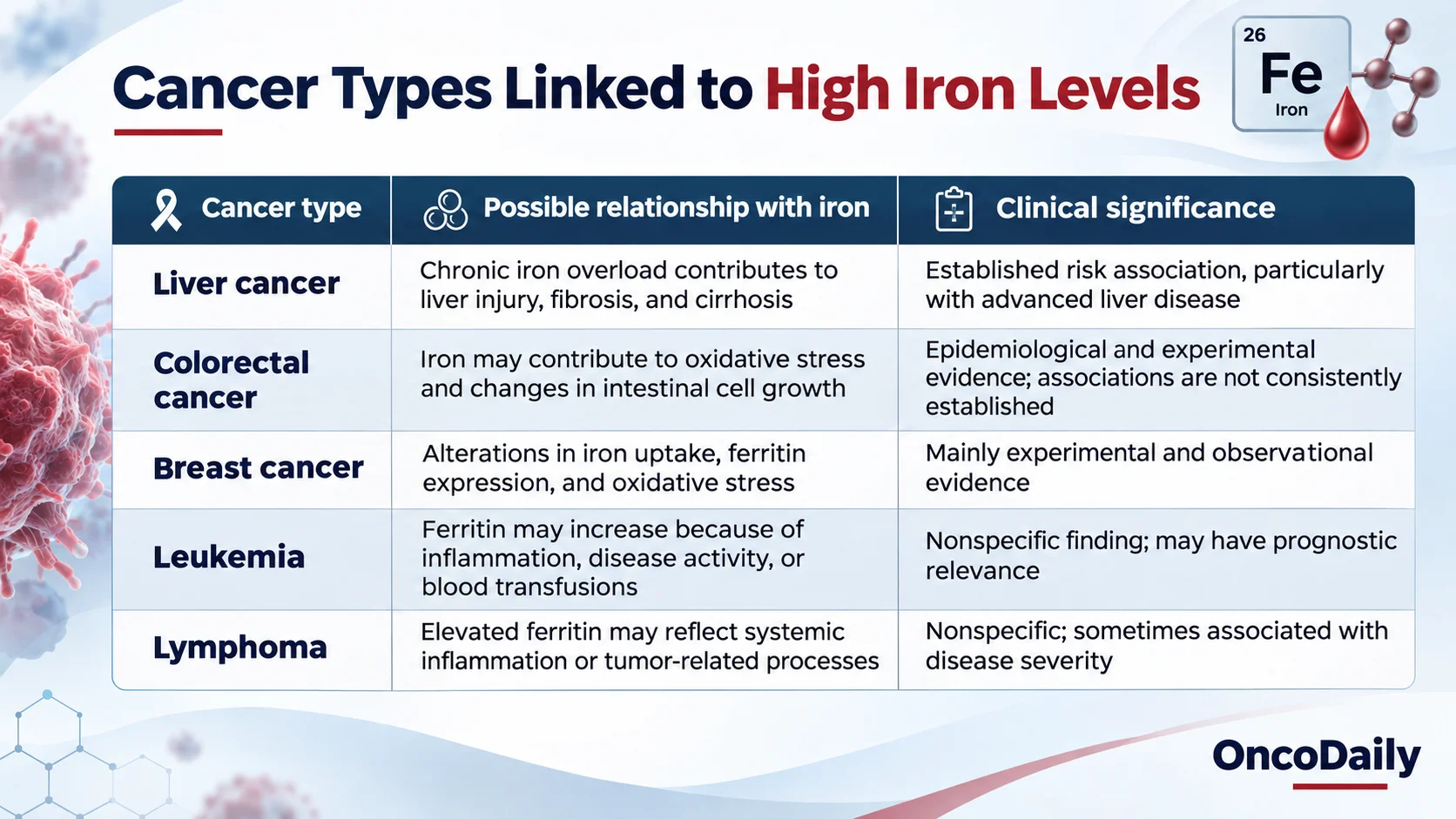
Several cancers have been associated with abnormalities in iron metabolism, although the relationship differs considerably between malignancies.
The strongest established association involves hepatocellular carcinoma, the most common form of primary liver cancer. Longstanding iron overload can damage liver tissue and contribute to fibrosis and cirrhosis, both of which increase the risk of developing liver cancer.
Other malignancies, including colorectal cancer, breast cancer, leukemia, and lymphoma, have been investigated in relation to iron metabolism. However, elevated ferritin in these conditions often reflects inflammation, tissue injury, or disease activity rather than excessive iron stores.
The combination of these measurements is more informative than any individual result.
For example, a patient with ferritin of 450 ng/mL and transferrin saturation of 25% may have elevated ferritin because of metabolic dysfunction or liver inflammation rather than excessive iron accumulation.
By comparison, ferritin of 450 ng/mL accompanied by transferrin saturation of 65% raises greater suspicion for iron overload and may justify additional investigations.
These examples are illustrative and do not establish a diagnosis.
The British Society for Haematology identifies transferrin saturation as an important part of evaluating unexplained elevated ferritin, particularly when clinicians need to distinguish increased iron stores from inflammation-related changes (Cullis et al., 2018; Kim et al., 2026).
Serum Iron vs. Ferritin vs. Transferrin Saturation
Iron blood tests measure different aspects of how the body absorbs, transports, and stores iron. Understanding these differences is important because an elevated result does not always indicate excessive iron accumulation.
Serum iron measures the amount of iron circulating in the bloodstream, primarily bound to transferrin. Its concentration can fluctuate with recent iron intake, supplementation, and biological variation.
Ferritin reflects the body’s stored iron, but it is also an acute-phase protein that increases during inflammation, infection, or liver injury. Transferrin saturation (TSAT) measures the percentage of transferrin binding sites occupied by iron and is particularly useful when investigating hereditary hemochromatosis.
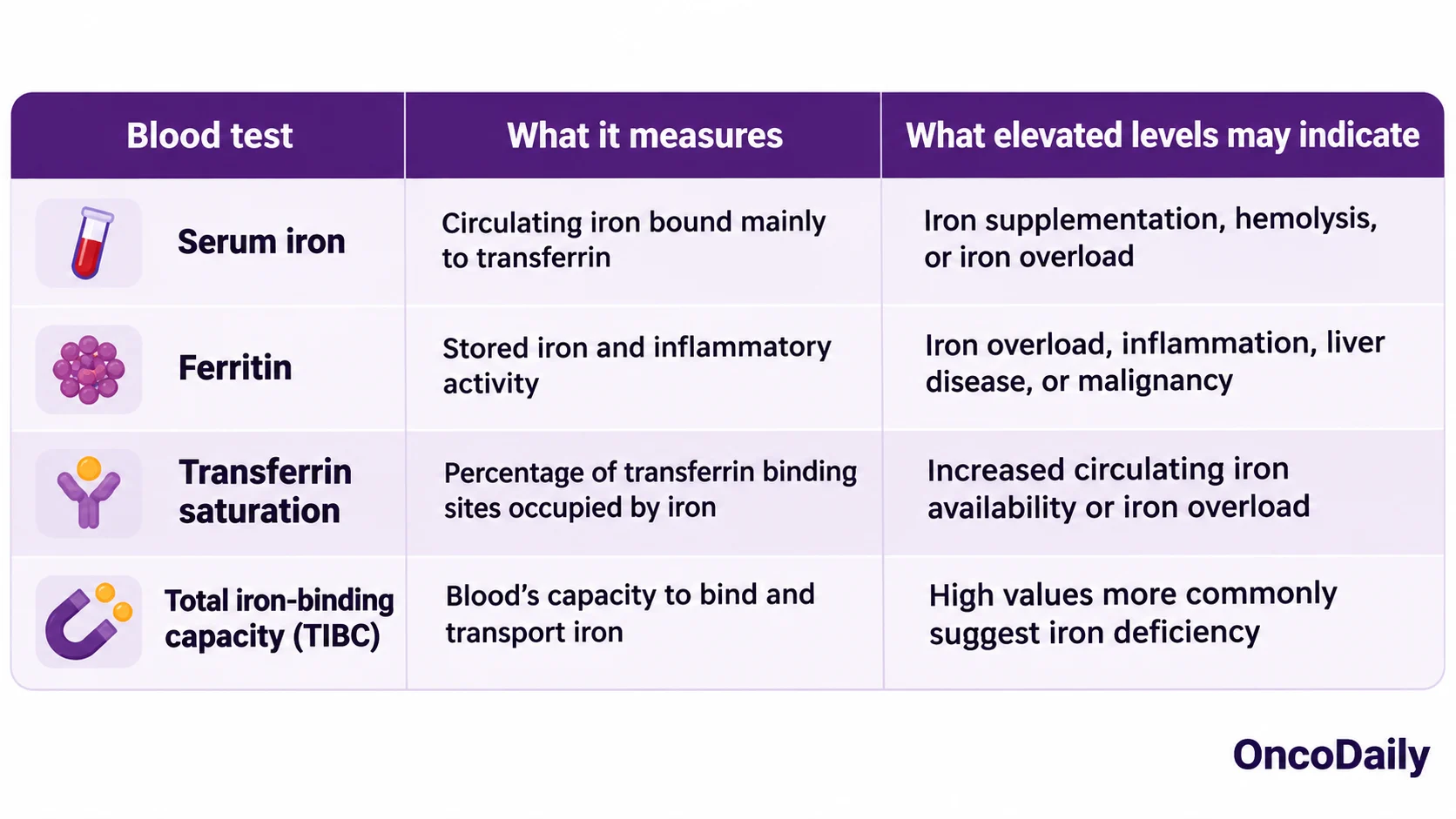
A patient with elevated ferritin but normal transferrin saturation may have inflammation or metabolic liver disease rather than true iron overload. In contrast, persistently elevated transferrin saturation accompanied by increased ferritin raises greater suspicion for excessive iron accumulation.
The interpretation of these measurements depends on laboratory reference ranges, medical history, and other findings (Cullis et al., 2018; Kim et al., 2026).
High Ferritin and Cancer Risk
High ferritin is sometimes found in patients with cancer, but it is not a cancer-specific tumor marker. Ferritin can increase because of inflammation, liver injury, infection, metabolic dysfunction, or changes in iron metabolism.
Cancer-related inflammation may stimulate hepcidin, a hormone that regulates iron absorption and release from storage cells. Increased hepcidin activity can reduce circulating iron while ferritin remains elevated, contributing to anemia of inflammation.
In some hematologic malignancies and solid tumors, ferritin has been investigated as a prognostic marker. Higher concentrations may correlate with inflammatory activity, disease burden, or outcomes in selected patient populations, but ferritin cannot independently establish a diagnosis or determine cancer stage.
The degree of ferritin elevation is also important. Mild increases are common in metabolic and inflammatory conditions, while markedly elevated levels may occur with severe inflammation, liver disease, iron overload, or hematologic disorders.
A clinical review published in 2026 emphasized that most adults with elevated ferritin do not have true iron overload. Transferrin saturation and the wider clinical picture are therefore essential for identifying the underlying cause (Kim et al., 2026).
Can High Iron Levels Cause Cancer?
Chronic iron overload can increase the risk of certain cancers, particularly hepatocellular carcinoma. However, this relationship mainly concerns prolonged iron accumulation in tissues rather than a single elevated serum iron measurement.
Excess iron can promote the formation of reactive oxygen species through chemical reactions such as the Fenton reaction. These molecules may damage DNA, proteins, and cell membranes, contributing to oxidative stress and genetic alterations.
Repeated oxidative damage can lead to chronic inflammation and tissue injury. In the liver, prolonged iron accumulation may cause fibrosis and eventually cirrhosis, which increases the risk of hepatocellular carcinoma.
Researchers have also investigated whether increased iron stores contribute to colorectal cancer and other malignancies. Although experimental studies have identified potential mechanisms, epidemiological findings are not always consistent and do not establish a direct causal relationship.
Iron also has a complex role in cancer biology because it can support tumor growth while contributing to ferroptosis, a form of iron-dependent cell death. These opposing effects remain an important area of oncology research (Torti et al., 2018; Torti and Torti, 2020).
Hemochromatosis and Liver Cancer
Hereditary hemochromatosis is a genetic disorder characterized by excessive intestinal iron absorption. The most common form is associated with variants in the HFE gene, particularly C282Y homozygosity, which can interfere with normal iron regulation.
Over time, excess iron accumulates in organs such as the liver, pancreas, and heart. In the liver, this accumulation promotes oxidative stress and inflammation, potentially leading to fibrosis and cirrhosis.
Patients with hemochromatosis-related cirrhosis have an increased risk of developing hepatocellular carcinoma. However, not everyone with hereditary hemochromatosis develops liver cancer, and the risk is substantially lower when the condition is identified before advanced liver damage occurs.
Therapeutic phlebotomy, which involves removing blood at regular intervals, is the standard treatment for many patients with hereditary hemochromatosis. It helps reduce iron stores and prevent further organ injury.
Patients who already have cirrhosis generally require continued liver cancer surveillance, commonly with ultrasound every six months, even after iron reduction (Sandnes et al., 2021; Torti and Torti, 2020).
High Iron Levels and Breast Cancer
Researchers have investigated whether changes in iron metabolism contribute to breast cancer development and progression. Breast cancer cells require iron for rapid proliferation and may alter proteins involved in iron uptake, storage, and release.
Experimental studies have identified changes in transferrin receptors, ferritin expression, and ferroportin, a protein responsible for exporting iron from cells. These alterations may influence intracellular iron availability and oxidative stress.
Iron is also involved in ferroptosis, an iron-dependent form of regulated cell death that researchers are investigating as a potential therapeutic target. However, changes in iron regulation within breast tumors do not necessarily produce elevated serum iron levels.
Observational studies examining ferritin, serum iron, and breast cancer risk have reported inconsistent findings. Factors such as inflammation, menopausal status, and metabolic conditions may influence these associations.
Currently, elevated iron measurements are not established diagnostic markers for breast cancer and cannot replace breast imaging or biopsy (Torti et al., 2018; Torti and Torti, 2020).
High Iron Levels in Leukemia and Lymphoma
Patients with leukemia or lymphoma may develop elevated ferritin because of systemic inflammation, disease activity, liver involvement, or treatment-related effects. However, this does not necessarily mean that circulating iron or total body iron stores are increased.
Inflammatory signaling can increase hepcidin production, reducing iron release into the bloodstream while ferritin remains elevated. This pattern may contribute to anemia of inflammation in patients with hematologic malignancies.
Some patients who receive repeated red blood cell transfusions develop secondary iron overload. Because each transfusion introduces additional iron, prolonged transfusion support can eventually lead to accumulation in the liver and other organs.
Ferritin has also been investigated as a prognostic marker in selected blood cancers. Extremely elevated levels may occur in severe inflammatory syndromes, including hemophagocytic lymphohistiocytosis, which can be associated with certain lymphomas.
However, high ferritin cannot diagnose leukemia or lymphoma. Diagnosis depends on appropriate investigations such as blood counts, peripheral smear examination, flow cytometry, imaging, and tissue or bone marrow biopsy (Kumachev and Frost, 2021; Kim et al., 2026).
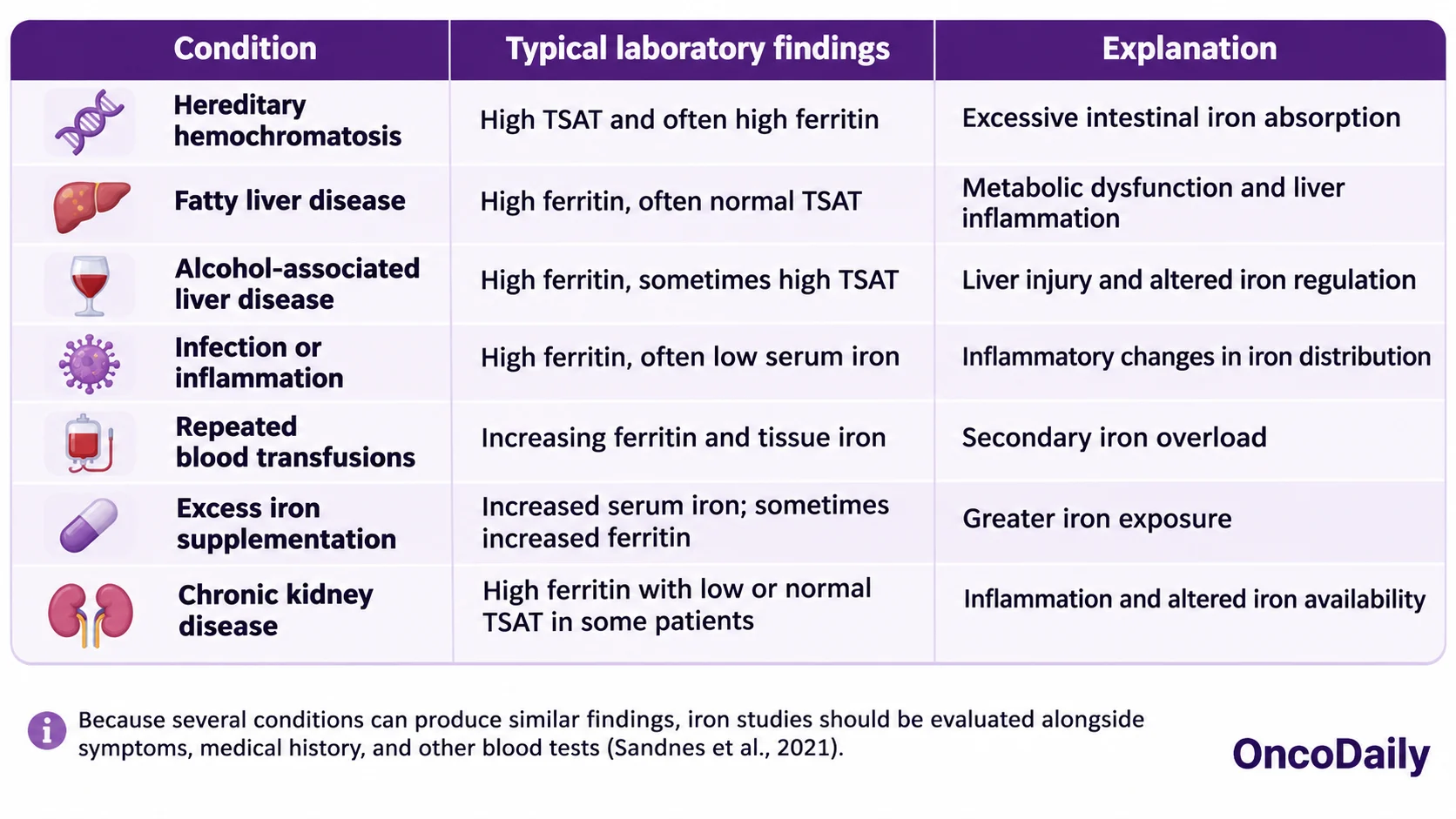
What Else Causes High Iron Levels?
Most abnormal iron measurements are associated with conditions other than cancer. The underlying cause depends on whether serum iron, ferritin, transferrin saturation, or several measurements are elevated.
Hereditary hemochromatosis is an important cause of true iron overload, while inflammation, fatty liver disease, and metabolic disorders more commonly increase ferritin without significant iron accumulation.
Excessive iron supplementation may raise circulating iron, and repeated blood transfusions can gradually increase tissue iron stores. Chronic kidney disease, alcohol-related liver injury, and certain blood disorders can also affect iron metabolism (Cullis et al., 2018).
What Iron Levels Are Considered High?
Normal iron levels vary according to age, sex, laboratory methods, and medical history. Serum iron is usually measured in micrograms per deciliter (µg/dL), while ferritin is reported in nanograms per milliliter (ng/mL).
Transferrin saturation is expressed as a percentage and indicates how much of the body’s iron-binding capacity is occupied. Persistently elevated values may suggest increased iron absorption or iron overload.
The following values are commonly used as general reference points, although laboratories may apply different ranges.
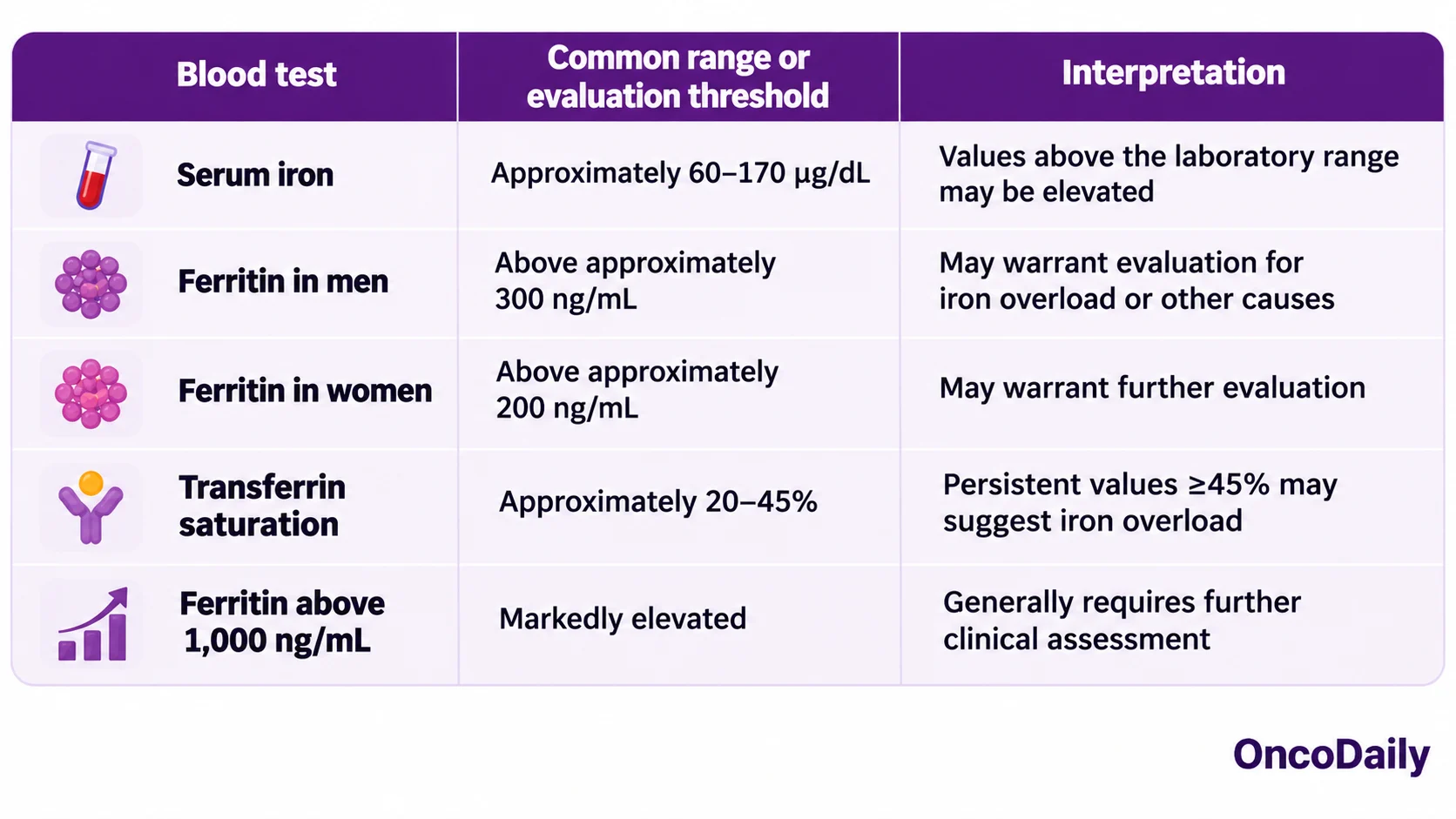
These values are not universal diagnostic thresholds. Ferritin reference intervals may differ depending on age, sex, and laboratory standards.
For example, ferritin of 350 ng/mL may have a different clinical significance in a patient with chronic liver disease and normal transferrin saturation than in someone with persistently elevated transferrin saturation and a family history of hemochromatosis.
Ferritin above 1,000 ng/mL generally warrants further investigation, particularly when it remains elevated or occurs with abnormal liver tests.
What Are the Symptoms of High Iron Levels?
High iron levels may not cause noticeable symptoms, particularly during the early stages of iron overload. When excess iron gradually accumulates in tissues, it can affect several organs, including the liver, pancreas, heart, and endocrine glands.
Common symptoms include persistent fatigue, weakness, joint pain, and abdominal discomfort. Some patients may also experience reduced libido, skin darkening, or hormonal disturbances. In advanced cases, iron overload can contribute to diabetes, liver cirrhosis, and cardiac complications (Sandnes et al., 2021).
However, these symptoms are not specific to iron overload and may occur in many other conditions. Patients with unexplained weight loss, persistent fever, night sweats, unusual bleeding, or enlarged lymph nodes may require additional evaluation for other diseases, including cancer when clinically indicated.
Importantly, the absence of symptoms does not exclude iron overload. Patients with hereditary hemochromatosis may have elevated transferrin saturation years before significant organ damage develops.
How Are High Iron Levels Investigated?
When blood tests show elevated iron or ferritin, doctors first determine whether the abnormality is persistent and whether it represents true iron overload. This usually involves reviewing the complete iron panel, including serum iron, ferritin, transferrin saturation, and total iron-binding capacity (TIBC).
Additional tests may include a complete blood count (CBC), liver function tests, kidney function tests, and inflammatory markers such as C-reactive protein (CRP). These investigations help identify conditions such as liver disease, inflammation, anemia, or metabolic disorders that may affect iron measurements.
Medical history is equally important. Doctors may ask about iron supplementation, alcohol consumption, previous blood transfusions, and family history of hereditary hemochromatosis.
When transferrin saturation remains elevated, particularly at or above approximately 45%, further evaluation for iron overload may be necessary. HFE genetic testing can help identify hereditary hemochromatosis in appropriate patients, while MRI may be used to measure liver iron accumulation when indicated (Cullis et al., 2018; Sandnes et al., 2021).
Cancer-specific investigations are not routinely recommended for an isolated elevated iron result. They are generally guided by symptoms, examination findings, abnormal blood counts, or other clinical evidence suggesting malignancy.
When Should You Worry About High Iron Levels?
Mild elevations in ferritin or serum iron are relatively common and do not necessarily indicate a serious condition. However, persistent abnormalities should be investigated, particularly when accompanied by symptoms or abnormal liver function tests.
Transferrin saturation that remains at or above approximately 45% may suggest increased iron absorption. When elevated transferrin saturation occurs alongside high ferritin, hereditary hemochromatosis or another form of iron overload becomes more likely.
Ferritin concentrations above 1,000 ng/mL generally warrant further medical evaluation. Such elevations may occur with significant iron overload, liver disease, systemic inflammation, or certain hematologic conditions, but they do not independently indicate cancer (Cullis et al., 2018; Sandnes et al., 2021).
Patients should also seek medical assessment if abnormal iron results occur alongside unexplained weight loss, persistent fever, night sweats, blood in the stool, jaundice, or progressive fatigue. These findings may require investigations beyond iron studies.
The urgency of evaluation depends on the patient’s overall clinical condition, not simply how high an individual iron measurement appears.
How Is Iron Overload Treated?
Treatment depends on the underlying cause of elevated iron measurements. Not everyone with high ferritin has true iron overload, and iron-lowering treatment should only be considered after appropriate evaluation.
For patients with hereditary hemochromatosis, therapeutic phlebotomy is the standard treatment in many cases. This procedure involves removing blood at regular intervals to gradually reduce excess iron stores and prevent further organ damage.
Patients with transfusion-related iron overload may require iron chelation therapy. These medications bind excess iron and facilitate its removal from the body, particularly when regular phlebotomy is unsuitable.
When elevated ferritin is caused by liver disease, inflammation, infection, or metabolic dysfunction, treatment focuses on the underlying condition rather than removing iron. Patients with confirmed iron overload may also be advised to avoid unnecessary iron supplements and limit alcohol consumption (Sandnes et al., 2021).
Early diagnosis and appropriate management can prevent many complications of chronic iron overload, especially progressive liver injury.
FAQ
Does high iron mean you have cancer?
A short, direct answer explaining that elevated iron alone does not indicate malignancy.
Can high ferritin indicate cancer even if other blood tests are normal?
This is especially useful because patients may have isolated ferritin elevation and worry about cancer.
What level of ferritin is considered dangerous?
Address the significance of markedly elevated ferritin and why the underlying cause matters.
Can high iron levels cause cancer over time?
Briefly distinguish longstanding iron overload from a single elevated blood result.
Can you have high iron levels without any symptoms?
Explain that early iron overload, particularly hereditary hemochromatosis, may be asymptomatic.
Should you get screened for cancer if your iron is high?
Explain when additional evaluation may be appropriate and why isolated iron abnormalities do not automatically justify cancer testing.