For decades, therapeutic cancer vaccines have promised to direct the immune system against cancer and establish durable tumor-specific memory. Yet early approaches targeting shared tumor-associated antigens rarely translated immune responses into meaningful clinical benefit, limited in part by immune tolerance and tumor-mediated suppression.
Personalized neoantigen vaccines take a different approach. By sequencing an individual tumor, identifying mutation-derived neoantigens and incorporating selected targets into a patient-specific vaccine, they aim to generate immunity against antigens unique to malignant cells.
Recent studies have moved this concept beyond early proof of principle, demonstrating neoantigen-specific immunity across melanoma, pancreatic cancer, renal cell carcinoma and other solid tumors. In August 2026, the phase III INTerpath-001 trial marked a major milestone, with intismeran autogene plus pembrolizumab meeting its recurrence-free survival primary endpoint and distant metastasis-free survival key secondary endpoint in resected high-risk melanoma.
The question is therefore becoming more clinically relevant: can personalized cancer vaccines convert precisely targeted immunity into durable benefit across different cancers?
Why Did Earlier Cancer Vaccines Struggle?
Many earlier therapeutic cancer vaccines targeted tumor-associated antigens, proteins that were overexpressed in malignant cells but were not necessarily unique to cancer.
This creates an immunological problem. During T-cell development, lymphocytes with strong reactivity against self-antigens are largely eliminated or controlled through mechanisms of immune tolerance. Vaccination against an antigen that the immune system recognizes as self may therefore be attempting to activate a repertoire from which many of the most strongly reactive T-cell clones have already been removed.
Somatic mutations create a different category of target.
A nonsynonymous mutation can alter the amino-acid sequence of a protein. When that protein is processed, a mutation-containing peptide may be presented by an HLA molecule on the tumor-cell surface. Because the mutated sequence was absent from normal tissues during immune development, it can potentially be recognized as foreign.
These mutation-derived targets are known as neoantigens.
A 2026 Nature Communications review by Nune Markosyan and Robert Vonderheide, “Developing Neoantigen Cancer Vaccines: Where Are We Now?”, emphasizes this distinction. Modern personalized cancer vaccines can exploit tumor-specific neoantigens that are less constrained by the central tolerance that limits immune responses against conventional tumor-associated self-antigens.
Advances in next-generation sequencing, HLA typing and computational prediction have made systematic identification of these targets possible.
The fundamental strategy has therefore changed from finding a universal cancer antigen to identifying the most therapeutically useful antigens within each individual tumor.
How Is a Personalized Cancer Vaccine Actually Made?
The process begins with the patient’s tumor.
Tumor DNA is compared with matched normal DNA to identify somatic mutations. RNA sequencing can help determine whether the mutated genes are expressed, while HLA typing establishes which peptide-binding molecules are available in that patient.
Computational pipelines then attempt to predict which mutation-derived peptides are most likely to be processed, presented by the patient’s HLA molecules and recognized by T cells.
A selected set of neoantigens is incorporated into an individualized therapeutic product.
Current platforms include:
- mRNA vaccines encoding multiple neoantigens;
- synthetic long-peptide vaccines;
- DNA-based vaccines;
- individualized viral vectors;
- dendritic-cell-based platforms.
The entire workflow must occur within a clinically meaningful timeframe. Sequencing, mutation calling, HLA typing, neoantigen prediction, manufacturing, quality control and treatment delivery effectively become components of a single therapeutic process.
This is one reason mRNA has become particularly attractive. A common manufacturing platform can encode multiple individualized sequences without requiring separate protein manufacturing for every antigen.
Yet the physical vaccine represents only the final stage. Much of the biological precision lies in deciding which neoantigens should be included.
A Mutation Is Not Automatically a Useful Neoantigen
Tumor sequencing may identify hundreds or thousands of mutations, but only a fraction are likely to generate therapeutically relevant T-cell responses.
The mutated gene must be expressed. Its protein must be processed into a suitable peptide. That peptide must bind the patient’s HLA molecule with sufficient stability and reach the cell surface. A compatible T-cell repertoire must exist, and the resulting lymphocytes must recognize the mutated peptide strongly enough to distinguish it from the corresponding normal sequence.
Neoantigen selection is therefore one of the central challenges in personalized vaccine development.
Early algorithms relied heavily on predicted peptide-HLA binding affinity. Newer strategies increasingly incorporate RNA expression, antigen processing, peptide stability, HLA presentation, tumor clonality and predicted immunogenicity. Immunopeptidomics can add another layer by identifying peptides that are actually displayed on HLA molecules.
The objective is not simply to find mutations capable of binding HLA. It is to identify the mutations most likely to generate functional antitumor T-cell responses.
This distinction becomes especially important when only a limited number of targets can be included in an individualized vaccine.
2017: Personalized Vaccination Becomes Clinically Feasible
One of the landmark demonstrations came from Patrick Ott, Catherine Wu and colleagues in the 2017 Nature study “An Immunogenic Personal Neoantigen Vaccine for Patients with Melanoma.”
Six patients with high-risk melanoma received personalized synthetic long-peptide vaccines targeting up to 20 predicted neoantigens from their individual tumors. Vaccination induced polyfunctional CD4+ and CD8+ T-cell responses against multiple neoantigens, with some vaccine-induced T cells directly recognizing autologous tumor.
Four of the six patients remained recurrence-free at 25 months after vaccination. The other two developed recurrent disease and subsequently received anti-PD-1 therapy, achieving complete tumor regression accompanied by expansion of neoantigen-specific T-cell repertoires.
The study was far too small to establish efficacy, but it demonstrated that sequencing, computational neoantigen prediction and individualized manufacturing could be integrated into a clinically feasible strategy capable of generating broad patient-specific immunity.
It also suggested a relationship that would become increasingly important in subsequent development: vaccination could expand the repertoire of tumor-specific T cells, while checkpoint blockade could help sustain those cells after tumor encounter.
Melanoma Provided the First Major Randomized Signal
The personalized vaccine field moved considerably closer to clinical validation with KEYNOTE-942.
The randomized phase IIb study evaluated the individualized mRNA neoantigen therapy originally known as mRNA-4157/V940, now intismeran autogene, combined with pembrolizumab versus pembrolizumab alone in patients with completely resected high-risk melanoma.
Intismeran autogene is designed to encode up to 34 patient-specific neoantigens selected from the mutational profile of an individual tumor.
Unlike the earliest vaccine trials, KEYNOTE-942 was not primarily asking whether vaccination could generate T-cell responses. It was asking whether adding individualized vaccination to established adjuvant immunotherapy could reduce recurrence.
Long-term follow-up continued to support a clinically relevant signal. At approximately five years, the reported hazard ratio for recurrence or death was 0.51, corresponding to a 49% relative reduction in risk, while the hazard ratio for distant metastasis or death was 0.411.
The results were important because they suggested that personalized vaccination could add clinical activity to checkpoint inhibition rather than simply producing measurable immunogenicity.
The definitive question, however, required phase III testing.
INTerpath-001: The Phase III Test
INTerpath-001 was designed to provide that test.
The global phase III trial enrolled 1,137 patients with completely resected stage IIB to IV cutaneous melanoma and compared intismeran autogene plus pembrolizumab with pembrolizumab alone.
For each patient assigned to the experimental arm, tumor sequencing and computational neoantigen selection were used to create an individualized mRNA therapy encoding up to 34 patient-specific neoantigens.
In August 2026, Merck and Moderna announced that INTerpath-001 had met its primary endpoint of recurrence-free survival at a prespecified interim analysis. The trial also met its key secondary endpoint of distant metastasis-free survival, and the companies reported no new safety signals for the combination.
This represents an important milestone for therapeutic cancer vaccination. A strategy that began with individualized sequencing and small immunogenicity studies has now reached a positive global phase III trial in melanoma.
Scientific restraint remains necessary. Detailed hazard ratios, confidence intervals, absolute RFS and DMFS differences, subgroup analyses and complete safety data had not yet been publicly presented at the time of the topline announcement. Overall survival follow-up is continuing.
The full dataset will therefore determine the magnitude and clinical significance of the benefit.
Nevertheless, personalized neoantigen vaccination has crossed an important threshold. The field now has phase III evidence that an individualized vaccine strategy can improve clinically meaningful endpoints when added to checkpoint blockade in resected melanoma.
INTerpath-001 Trial: Personalized mRNA Cancer Vaccine for Melanoma
Pancreatic Cancer Provides a Much Harder Test
Melanoma is already among the most immunogenic human malignancies. A more difficult question is whether personalized vaccination can generate meaningful immunity in tumors that usually respond poorly to immunotherapy.
Pancreatic ductal adenocarcinoma provides one of the most demanding settings.
PDAC generally contains relatively few mutations, develops within a highly suppressive microenvironment and is resistant to checkpoint inhibition in the overwhelming majority of patients without MSI-H or dMMR disease.
Yet studies of rare long-term PDAC survivors had identified spontaneous T-cell responses against high-quality tumor neoantigens, suggesting that pancreatic cancer is not intrinsically incapable of immune recognition.
This observation led to the 2023 Nature study “Personalized RNA Neoantigen Vaccines Stimulate T Cells in Pancreatic Cancer,” led by Luis Rojas and Vinod Balachandran.
Patients with surgically resected PDAC received atezolizumab followed by autogene cevumeran, an individualized uridine mRNA-lipoplex vaccine encoding up to 20 MHC class I and class II neoantigens, followed by mFOLFIRINOX.
Eight of sixteen vaccinated patients developed high-magnitude neoantigen-specific T-cell responses. Vaccine-expanded T cells could represent substantial fractions of circulating lymphocytes, re-expanded following booster vaccination and included polyfunctional CD8+ effector populations.
At the initial 18-month analysis, patients who developed vaccine-induced T-cell responses had longer recurrence-free survival than patients who did not, although the small, nonrandomized phase I study was not designed to establish efficacy.
The biological result was nevertheless striking. A personalized vaccine could generate substantial de novo neoantigen-specific immunity in pancreatic cancer, a disease in which conventional checkpoint inhibition usually accomplishes very little.
Therapeutic Vaccines in Pancreatic Cancer: Challenging a Historically Immune-Resistant Disease
Can Vaccine-Induced T Cells Persist for Years?
The durability of the pancreatic cancer response became clearer in 2025.
In the Nature study “RNA Neoantigen Vaccines Prime Long-Lived CD8+ T Cells in Pancreatic Cancer,” Zachary Sethna, Pablo Guasp, Vinod Balachandran and colleagues reported extended follow-up of the same phase I cohort.
At a median follow-up of 3.2 years, median recurrence-free survival had not been reached among the eight patients who developed high-magnitude vaccine-induced T-cell responses, compared with 13.4 months among the eight patients without such responses.
More importantly, the investigators were able to characterize the persistence of vaccine-induced clones.
Approximately 86% of vaccine-induced clones per patient remained detectable at substantial frequencies around three years after vaccination. The estimated average lifespan of these CD8+ T-cell clones was 7.7 years, and the cells retained cytotoxic and tissue-resident memory-like phenotypes together with neoantigen-specific effector function.
This addresses one of the fundamental biological requirements of adjuvant cancer vaccination.
After surgery, residual malignant cells may remain clinically undetectable for years before producing recurrence. A useful vaccine response must therefore do more than create a transient burst of circulating lymphocytes. It needs to establish durable immune surveillance.
The pancreatic cancer data suggest that individualized mRNA vaccination can generate T-cell populations with precisely this type of long-term persistence.
Renal Cell Carcinoma Challenges the High-TMB Assumption
Another concern has been whether personalized vaccination requires a highly mutated cancer that provides a large pool of candidate neoantigens.
Clear-cell renal cell carcinoma provides an interesting counterexample.
In 2025, David Braun, Catherine Wu, Patrick Ott, Toni Choueiri and colleagues published “A Neoantigen Vaccine Generates Antitumour Immunity in Renal Cell Carcinoma” in Nature.
The phase I study enrolled nine patients with high-risk, fully resected clear-cell RCC. Personalized vaccines were created from each patient’s tumor neoantigens, with or without ipilimumab administered adjacent to vaccination.
All nine patients developed immune responses against vaccine antigens.
Importantly, vaccine-induced immunity included neoantigens derived from established RCC driver genes, including VHL, PBRM1, BAP1, KDM5C and PIK3CA. Tumor-reactive T-cell responses were demonstrated in seven of nine patients.
At a median follow-up of approximately 40 months after surgery, none of the nine participants had experienced RCC recurrence.
The small, single-arm phase I design means that recurrence outcomes cannot be attributed to vaccination. The immunological result is nevertheless important because RCC has a considerably lower mutation burden than melanoma.
The study suggests that the success of personalized vaccination may depend less on generating a very large number of candidate neoantigens and more on identifying a smaller set of high-quality, biologically relevant targets.
Should We Prioritize Driver and Clonal Neoantigens?
The RCC findings also raise a deeper question about target selection.
Not every mutation within a tumor is equally valuable.
Some mutations are subclonal and present only in a subset of malignant cells. If vaccination generates strong immune pressure against such a target, tumor populations lacking the mutation may survive and expand.
Clonal mutations are more attractive because they are present across a larger proportion of the malignant population. Driver mutations may be particularly interesting because the cancer may be less able to discard them without compromising the biological programs supporting its growth.
This creates a potential hierarchy of vaccine targets.
Future algorithms may increasingly prioritize neoantigens according to clonality, biological importance, expression, HLA presentation and immunogenicity rather than ranking candidates primarily according to predicted HLA affinity.
Multivalent vaccines provide another layer of protection by targeting many neoantigens simultaneously. Escape through loss of a single target becomes less consequential when multiple independent T-cell populations recognize the tumor.
Even then, antigen-specific escape remains possible. Tumors can downregulate HLA molecules, alter antigen-processing pathways or acquire defects such as B2M loss that interfere with presentation of multiple neoantigens simultaneously.
The evolutionary biology of cancer therefore remains relevant even when the vaccine itself is personalized.
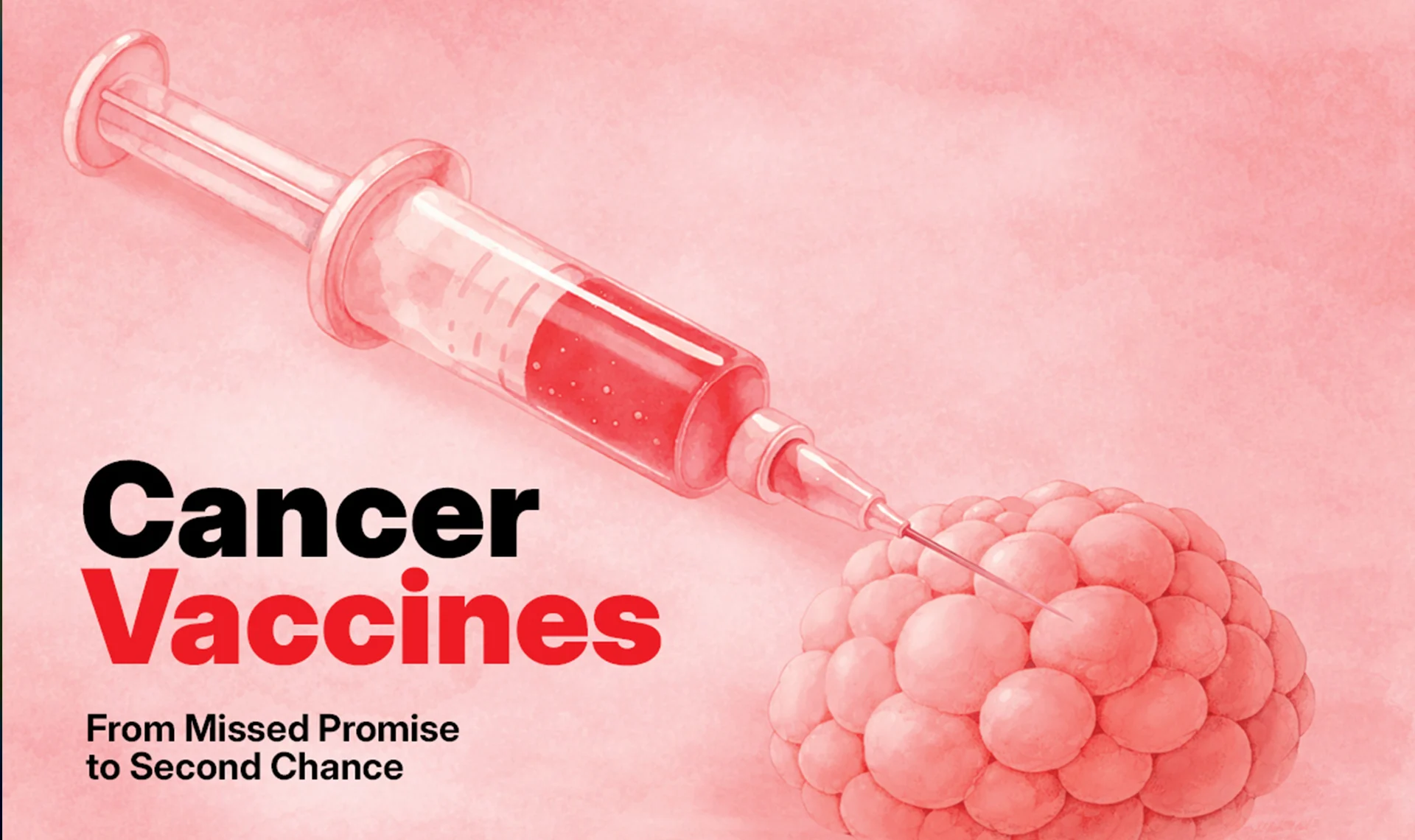
Cancer Vaccines: From Missed Promise to Second Chance
Advanced Solid Tumors Reveal an Important Limitation
Personalized vaccination has produced some of its most interesting signals after surgery, when tumor burden is low. Data from advanced solid tumors illustrate why disease setting may matter.
The 2025 Nature Medicine study “Autogene Cevumeran with or without Atezolizumab in Advanced Solid Tumors: A Phase 1 Trial” evaluated individualized mRNA vaccination in heavily pretreated patients with advanced malignancies.
Thirty patients received autogene cevumeran monotherapy and 183 received the vaccine with atezolizumab.
The vaccine generated polyepitopic neoantigen-specific CD4+ and/or CD8+ T-cell responses in 71% of patients. Most of these responses were not detectable before vaccination, and vaccine-induced T cells could persist for up to 23 months. In some patients, neoantigen-specific CD8+ T cells constituted substantial proportions of circulating CD8+ populations, and vaccine-induced cells were detected within tumor lesions.
Clinical activity, however, was limited.
This distinction is fundamental.
Immunogenicity is not equivalent to tumor regression.
A vaccine can successfully generate tumor-specific lymphocytes while an established metastatic tumor simultaneously presents multiple barriers, including high tumor burden, antigenic heterogeneity, stromal and myeloid suppression, metabolic dysfunction and impaired antigen presentation.
These findings support an increasingly important hypothesis: personalized cancer vaccines may have their greatest opportunity in minimal residual disease, when the immune system is being asked to eliminate microscopic malignant populations rather than large, heterogeneous and deeply immunosuppressive tumors.
Why Minimal Residual Disease May Be the Optimal Setting
The emerging clinical pattern has a strong biological rationale.
After surgery, gross disease has been removed, but small numbers of malignant cells capable of producing future recurrence may remain. Tumor burden is substantially lower, and vaccine-induced lymphocytes may have time to expand, differentiate into memory populations and eliminate residual clones before clinically detectable disease returns.
The therapeutic objective is therefore different from conventional treatment of metastatic disease.
A vaccine does not necessarily need to produce rapid radiographic shrinkage. In the adjuvant setting, its role may be to establish immune surveillance capable of preventing residual malignant cells from re-establishing disease.
This may help explain why some of the strongest personalized vaccine signals have emerged in resected melanoma, PDAC, RCC and head and neck cancer.
The question may not simply be which cancer should we vaccinate against?
It may be when during the natural history of that cancer should vaccination occur?
Head and Neck Cancer Adds a Different Vaccine Platform
Personalized vaccination is not synonymous with mRNA.
In August 2026, Nature Communications published “A Viral-Based Individualized Neoantigen Vaccine as Adjuvant Treatment in Resected Head and Neck Squamous Cell Carcinoma: A Randomized Phase I Trial.”
The study evaluated TG4050, an individualized vaccine using a Modified Vaccinia Ankara viral vector encoding up to 30 patient-specific predicted neoantigens.
Patients with resected locally advanced HPV-negative head and neck squamous cell carcinoma were randomized to receive TG4050 immediately after completion of standard adjuvant therapy or to observation with vaccination available after recurrence.
The study primarily addressed safety, feasibility and immunogenicity and was not powered to establish clinical efficacy. Nevertheless, the translational findings demonstrated that a viral-vector platform could generate individualized neoantigen-specific immune responses in a tumor type very different from melanoma.
The study broadens the personalized vaccine field beyond mRNA and reinforces an important point: personalization is a therapeutic principle, not a single technological platform.
The Platform May Influence the Biology of the Immune Response
Current personalized vaccine strategies include mRNA, synthetic long peptides, DNA, viral vectors and dendritic-cell-based approaches. These platforms are unlikely to be immunologically identical.
They differ in how antigens are delivered, which antigen-presenting cells encounter them, how long antigen expression persists, which innate immune pathways are activated and how efficiently MHC class I and class II responses are generated.
mRNA platforms offer rapid manufacturing and the ability to encode many neoantigens within a standardized production process. Viral vectors can combine antigen expression with strong innate immune stimulation. Synthetic long peptides permit direct control over antigen composition but require appropriate adjuvants and antigen processing. DNA platforms offer stability and manufacturing advantages while relying on efficient delivery and expression.
The field currently lacks the head-to-head trials required to determine whether one platform is broadly superior.
The 2026 Markosyan and Vonderheide review emphasizes precisely this limitation: comparisons across vaccine platforms are complicated by differences in cancer type, disease setting, neoantigen repertoire, adjuvants and immune assays.
The optimal platform may eventually depend on the biological problem being addressed rather than one technology dominating every indication.
CD4+ T Cells Are Becoming Part of the Vaccine Story
Cancer vaccine development historically focused heavily on CD8+ cytotoxic T lymphocytes because they directly recognize peptides presented through MHC class I and can kill malignant cells.
Personalized vaccine studies have repeatedly demonstrated substantial neoantigen-specific CD4+ T-cell responses as well.
This is unlikely to be incidental.
CD4+ T cells can provide signals required for effective CD8+ T-cell expansion and memory formation, support dendritic-cell function, regulate other immune populations and contribute to remodeling of the tumor microenvironment. Under appropriate circumstances, some CD4+ populations can also exert direct antitumor effects.
Modern vaccine design therefore increasingly considers both MHC class I and MHC class II neoantigens.
This creates another computational challenge because prediction of immunogenic MHC-II-restricted epitopes remains difficult. The MHC class II peptide-binding groove accommodates longer peptides and permits multiple binding registers, complicating prediction compared with conventional MHC-I binding models.
The ideal vaccine may therefore need to create a coordinated CD4+ and CD8+ response rather than simply maximize the number of cytotoxic lymphocytes.
The Real Therapeutic Product May Be Immune Memory
For an adjuvant cancer vaccine, the most important outcome may not be the magnitude of the initial T-cell expansion.
It may be whether the response persists.
A patient can have no radiographically detectable disease after surgery while residual malignant cells remain dormant for years. A transient immune response may therefore disappear long before the biological threat has passed.
The long-term PDAC findings are particularly relevant because they demonstrate that vaccine-induced neoantigen-specific CD8+ clones can persist for years while maintaining functional characteristics.
This changes how therapeutic vaccination can be conceptualized.
Most anticancer drugs exert their effect while pharmacologically active concentrations are present. A successful vaccine is intended to leave behind a durable population of immune cells capable of responding after the administered therapeutic product has disappeared.
The objective is therefore not simply drug exposure.
It is immunological memory.
Can ctDNA Help Identify Who Actually Needs Vaccination?
One of the major challenges of adjuvant therapy is that not every patient treated after surgery still harbors cancer.
Some patients have already been cured by local treatment. Others have molecular residual disease that remains invisible on conventional imaging.
Circulating tumor DNA could eventually provide a way to distinguish these biological states.
A future personalized vaccine strategy could combine several layers of precision. The resected tumor would provide the genomic information needed to identify neoantigens. Tumor-informed ctDNA could identify patients with molecular evidence of residual disease. Vaccination could then attempt to eliminate those residual clones, while serial ctDNA measurements could potentially provide an early molecular readout of treatment effect.
This strategy remains investigational, and prospective trials will be required to determine whether ctDNA-guided vaccine selection improves outcomes.
Conceptually, however, it represents a particularly interesting convergence of precision oncology and immunotherapy: personalized detection of residual disease paired with personalized immune targeting of that disease.
Personalized Vaccines May Eventually Need to Evolve With the Tumor
Most personalized vaccines are currently designed from one tumor specimen obtained at one point in time.
Cancer continues to evolve after that biopsy or surgery.
Under treatment pressure, some malignant clones disappear while others expand. Neoantigens can be lost. New mutations can emerge. HLA expression and antigen-processing machinery can change.
A future vaccine strategy may therefore need to become longitudinal.
Serial ctDNA, repeat tissue sampling and other molecular approaches could potentially track clonal evolution and identify emerging neoantigens. Vaccine composition could theoretically be modified if the antigenic architecture of the tumor changes substantially.
This would transform personalized vaccination from a single bespoke product into an adaptive immunotherapeutic strategy that evolves alongside the cancer.
Whether such an approach will be clinically necessary or logistically feasible remains unknown, but the underlying biological rationale is difficult to ignore.
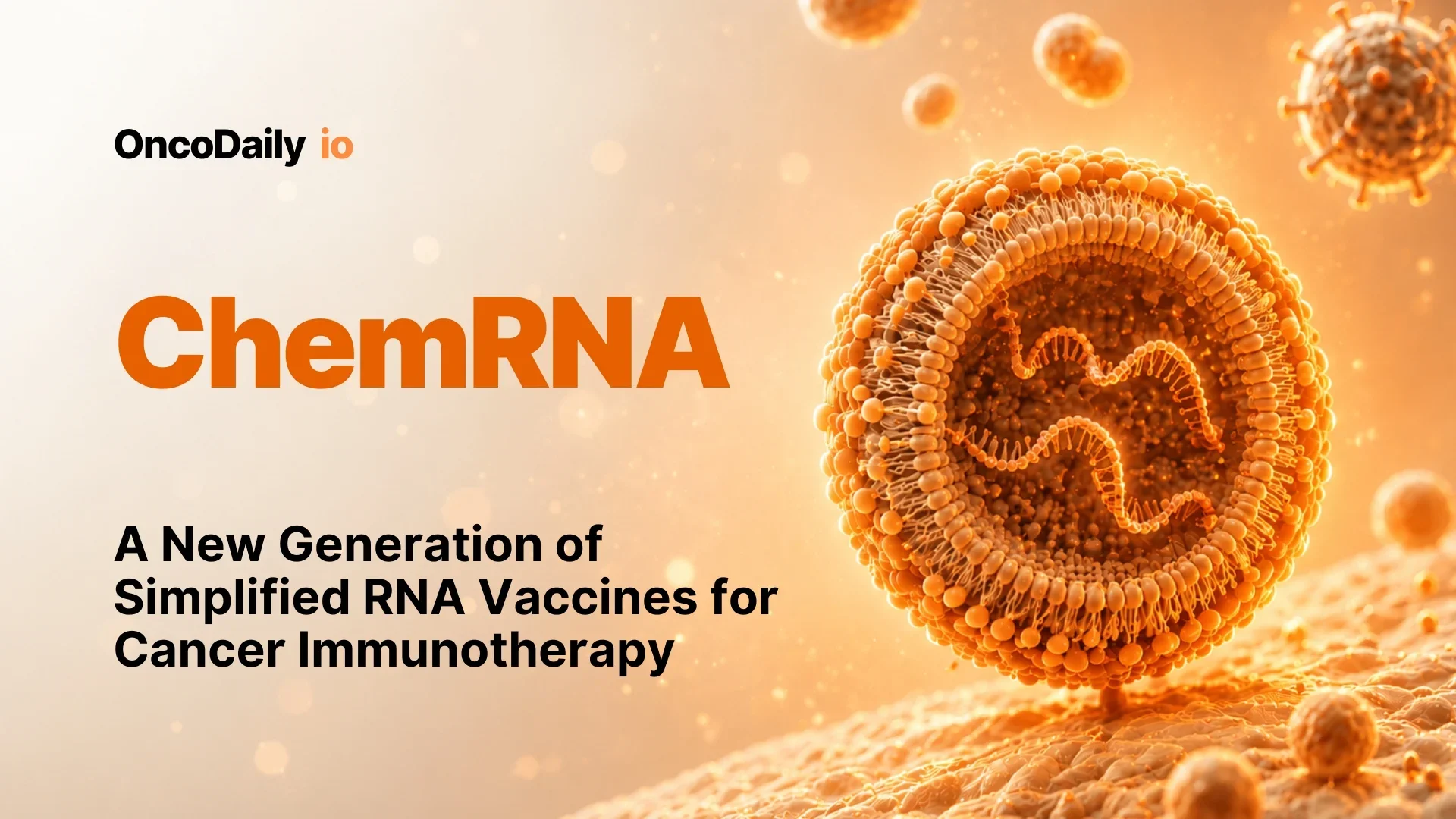
ChemRNA: A New Generation of Simplified RNA Vaccines for Cancer Immunotherapy
Personalized Does Not Necessarily Mean Completely Bespoke
There is also a tension between maximum personalization and scalability.
Many neoantigens arise from private mutations unique to one patient’s cancer. Others originate from recurrent driver mutations shared across groups of patients, including mutations involving KRAS and other oncogenes.
Shared neoantigens raise the possibility of partially personalized or off-the-shelf vaccines for patients carrying both the relevant mutation and a compatible HLA allele.
The future may therefore contain several vaccine models. Fully individualized products could target private neoantigens across a patient’s tumor, while shared neoantigen vaccines could provide faster and potentially less expensive treatment for molecularly defined populations.
The optimal balance may differ according to cancer type, mutational landscape, disease stage and clinical urgency.
Manufacturing Is Part of the Clinical Challenge
Personalized cancer vaccines present a logistical problem that conventional drugs do not.
The therapeutic product does not exist when the patient begins the treatment pathway.
Tumor tissue must be obtained and sequenced. Bioinformatic analysis must identify candidate mutations. Neoantigens must be prioritized. The individualized therapeutic construct must then be manufactured, quality tested and delivered.
For rapidly progressing metastatic disease, manufacturing delays can be clinically important. The adjuvant setting provides more time, but production must still integrate with established postoperative treatment schedules.
The large autogene cevumeran study published in Nature Medicine illustrates both the possibilities and the complexity of this workflow. Hundreds of patient specimens underwent individualized molecular analysis and vaccine manufacturing procedures.
INTerpath-001 takes this logistical question to another level. Conducting a global phase III trial in more than 1,100 patients required personalized sequencing, computational design and manufacturing to function at a scale far beyond the original academic neoantigen vaccine studies.
For personalized vaccines to enter routine oncology, the field must therefore solve two problems simultaneously: biological personalization and industrial scalability.
What Still Needs to Be Proven?
Despite the progress, several questions remain central to the field:
- Can the phase III melanoma result be reproduced in other malignancies?
- Which cancers and disease stages are most suitable for personalized vaccination?
- How should clonal and driver neoantigens be prioritized?
- What balance of MHC class I and class II targets produces the most effective immunity?
- Which vaccine platform generates the most durable and therapeutically useful T-cell populations?
- How accurately can computational models predict true human immunogenicity?
- Should personalized vaccines routinely be combined with checkpoint inhibitors?
- Can ctDNA identify patients with residual disease who are most likely to benefit?
- How should vaccination respond to tumor evolution and antigen loss?
- Can individualized manufacturing become sufficiently rapid, reproducible and affordable for routine global use?
The important change is that these are no longer questions about whether personalized cancer vaccination is technically possible. They are questions about how to optimize a therapeutic strategy that has begun to produce clinically meaningful evidence.