Hepatocellular carcinoma (HCC) develops through many different pathways, but chronic viral hepatitis remains one of its most important causes worldwide.
Hepatitis B virus (HBV) and hepatitis C virus (HCV) can both reshape the liver over years of persistent infection, yet they do so in very different ways. Their impact extends beyond chronic inflammation alone and helps explain why viral status remains such an important part of HCC risk assessment, prevention, and surveillance.
Understanding these differences provides a clearer picture of how virus-related liver cancer develops and why controlling the infection does not always mean that the cancer risk has disappeared.
What Is the Link Between Viral Hepatitis and Hepatocellular Carcinoma?
Chronic infection with hepatitis B virus (HBV) and hepatitis C virus (HCV) remains a major cause of hepatocellular carcinoma (HCC) worldwide. Although their relative contribution varies geographically, both viruses can drive a prolonged process of liver injury, inflammation, and malignant transformation. (Hussain et al., 2025; Sneller et al., 2025).
Persistent viral hepatitis promotes repeated hepatocyte injury and regeneration, oxidative stress, fibrosis, and eventually cirrhosis, creating an environment that favors carcinogenesis. Cirrhosis is a particularly important risk factor, but it is not required for all virus-related HCC. (Hussain et al., 2025).
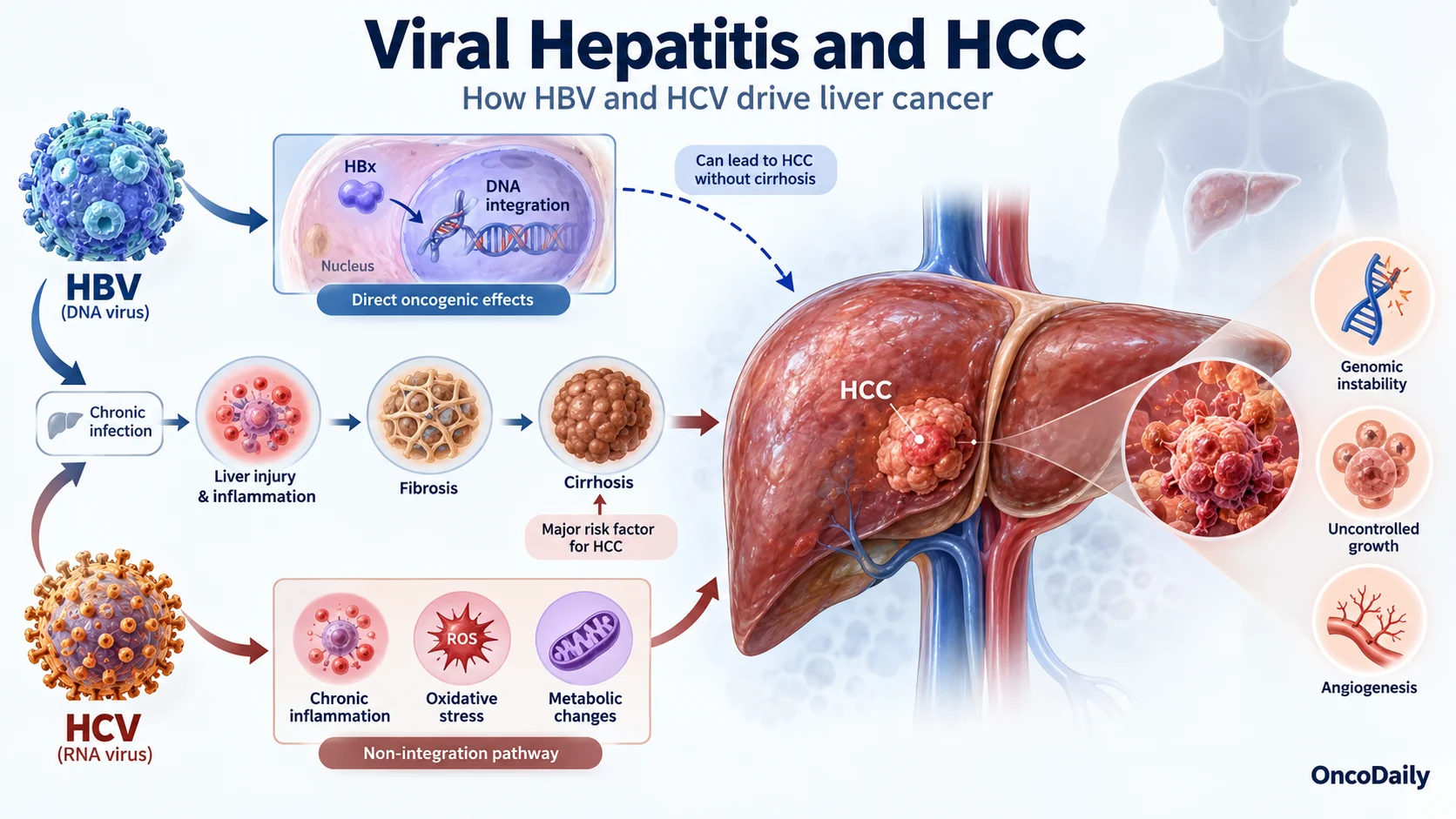
The mechanisms differ between the two viruses. HBV can directly contribute to carcinogenesis through viral DNA integration and HBV-encoded proteins such as HBx, whereas HCV does not integrate into the host genome and promotes HCC predominantly through chronic inflammation, metabolic and oxidative stress, fibrosis, and virus-mediated disruption of cellular signaling. (La Frazia et al., 2026; Wan et al., 2026).
These differences have important implications for prevention. HBV vaccination, antiviral suppression of HBV, and curative treatment of HCV can substantially reduce HCC risk, although residual risk may persist once cirrhosis or other high-risk features are established. (Singal et al., 2023; Aydin et al., 2025).
How Does Hepatitis B Increase the Risk of HCC?
Chronic HBV infection promotes HCC through both indirect liver injury and direct oncogenic mechanisms. Persistent infection drives immune-mediated hepatocyte injury and regeneration, which over time can lead to fibrosis, cirrhosis, oxidative stress, and genomic instability. (La Frazia et al., 2026; Hussain et al., 2025).
HBV can also directly alter hepatocyte biology. Viral DNA may integrate into the host genome, disrupting gene regulation, promoting chromosomal instability, and affecting genes involved in proliferation, apoptosis, and genome maintenance. The viral HBx protein further influences pathways such as Wnt/β-catenin, PI3K/AKT, NF-κB, MAPK, and JAK/STAT and can interfere with normal tumor-suppressive mechanisms. (Ma et al., 2025; La Frazia et al., 2026).
HCC risk increases further in the presence of cirrhosis or advanced fibrosis, higher HBV DNA levels, older age, male sex, family history of HCC, alcohol exposure, metabolic liver disease, and hepatitis D coinfection. (Hussain et al., 2025; You et al., 2026).
How Does Hepatitis C Lead to Hepatocellular Carcinoma?
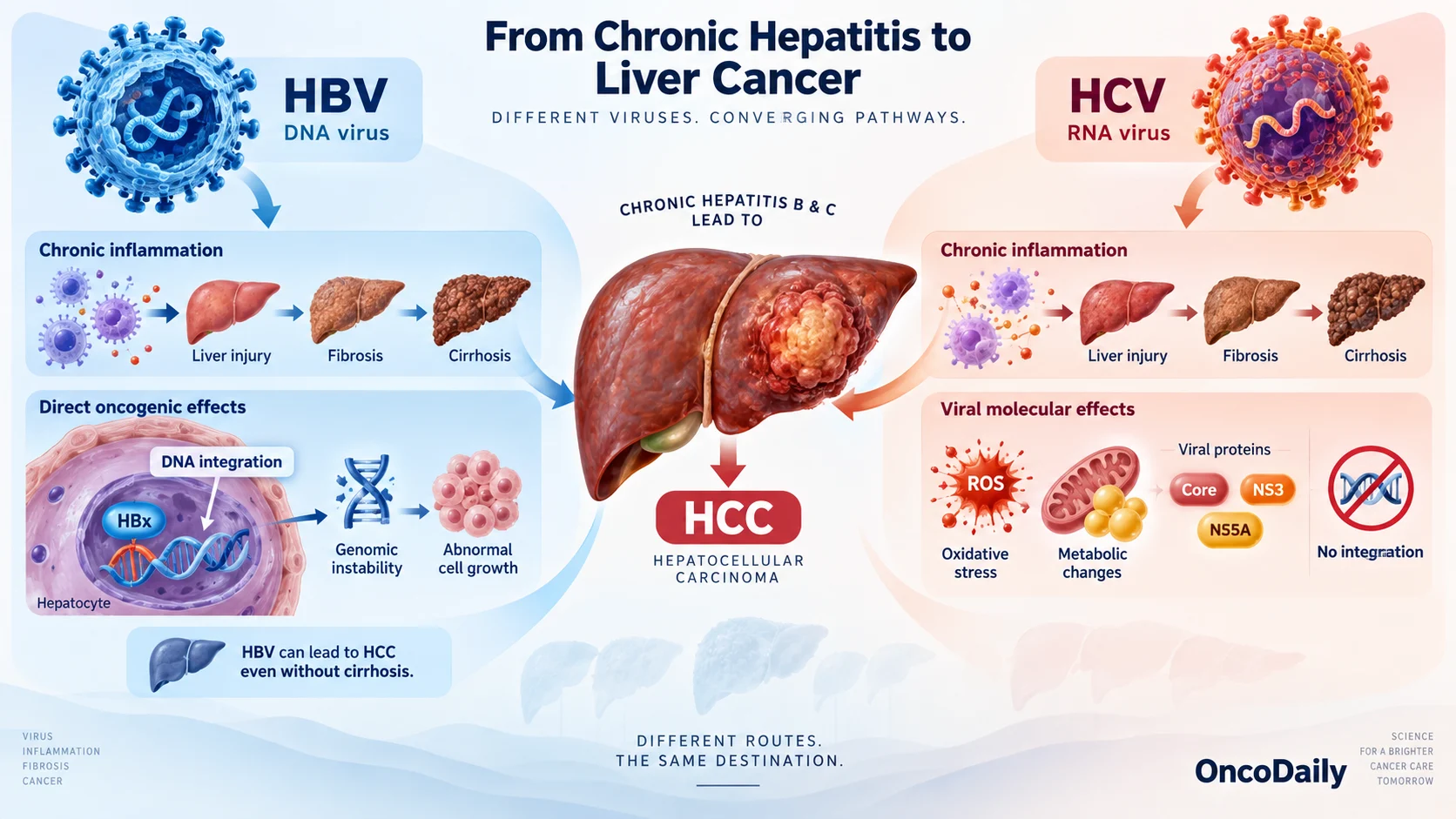
Chronic HCV infection promotes HCC primarily through persistent hepatic inflammation, progressive fibrosis, and cirrhosis. Repeated hepatocyte injury and regeneration generate oxidative stress, DNA damage, and genomic instability that accumulate over years of chronic infection. (Wan et al., 2026; Aydin et al., 2025).
Unlike HBV, HCV is an RNA virus and does not integrate into the host genome. However, viral proteins including the core protein, NS3, and NS5A can alter cell-cycle regulation, apoptosis, inflammatory signaling, lipid metabolism, mitochondrial function, and epigenetic regulation, further supporting malignant transformation. (Wan et al., 2026; Aydin et al., 2025).
Cirrhosis is the major clinical driver of HCV-related HCC risk. Other factors, including older age, male sex, diabetes, obesity, alcohol use, smoking, and viral coinfections, can further increase risk. Direct-acting antiviral therapy markedly reduces this risk, but patients with established cirr
hosis remain at increased risk even after sustained virologic response. (Aydin et al., 2025; Jang et al., 2026).
Why Can HBV Cause Liver Cancer Even Without Cirrhosis?
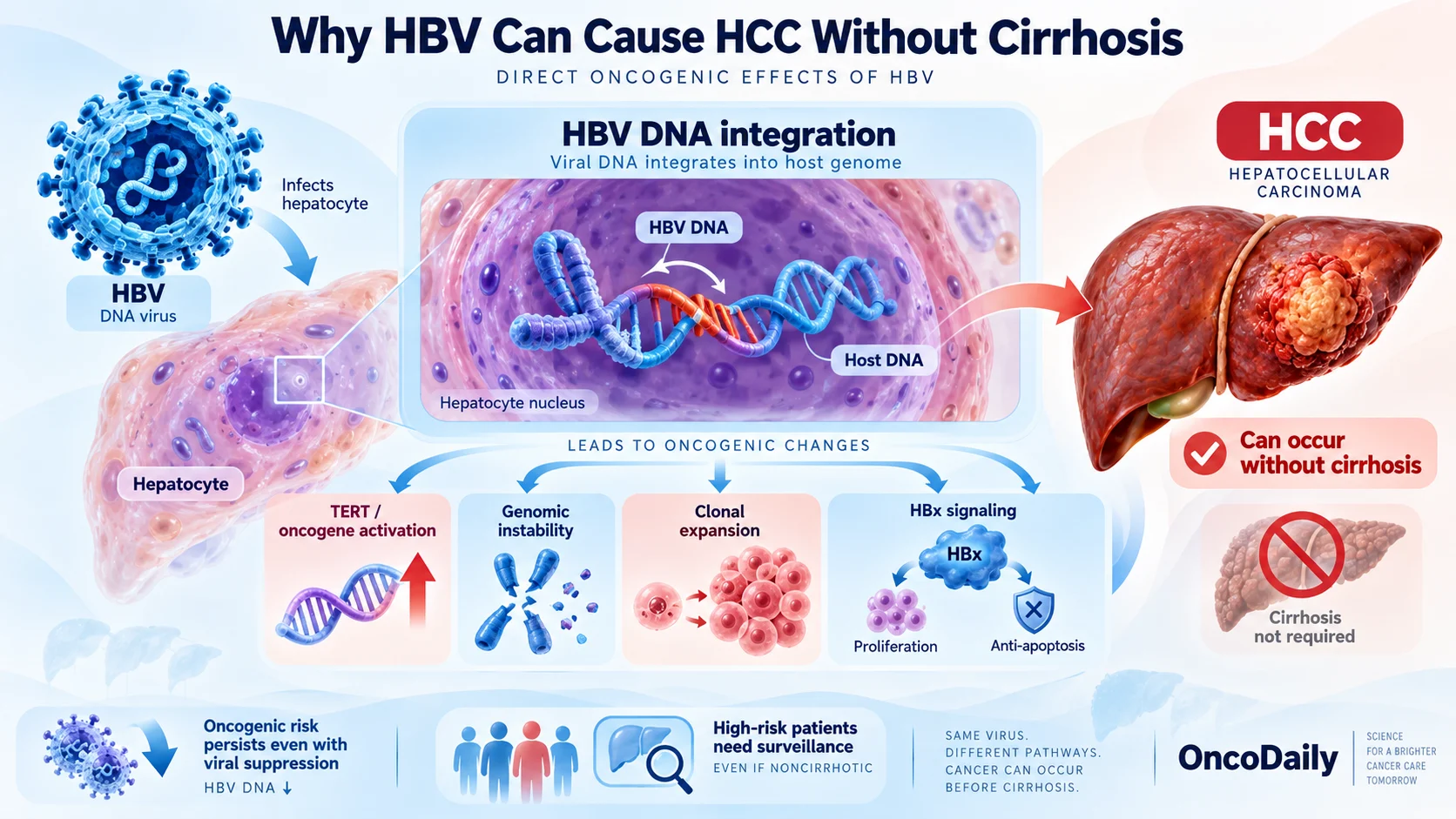
A distinctive feature of HBV is its ability to promote HCC even in a noncirrhotic liver. This is largely explained by the virus’s direct oncogenic effects, particularly the integration of HBV DNA into hepatocyte chromosomes. (Ma et al., 2025; La Frazia et al., 2026).
HBV integration can disrupt normal genomic architecture, promote chromosomal rearrangements, and alter genes involved in cell growth and survival. Recurrent integration events involving regions such as TERT can provide affected hepatocyte clones with a selective growth advantage. (Ma et al., 2025).
HBx and other HBV-derived proteins add another layer of oncogenic pressure by interfering with tumor-suppressor pathways and promoting proliferative and survival signaling. Importantly, antiviral therapy suppresses viral replication but does not remove HBV DNA that has already integrated into the host genome or reverse pre-existing genomic alterations. (La Frazia et al., 2026).
This explains why selected patients with chronic HBV remain at clinically relevant HCC risk despite the absence of cirrhosis and why surveillance recommendations for HBV extend to certain high-risk noncirrhotic populations. (Singal et al., 2023; You et al., 2026).
How Do HBV- and HCV-Related HCC Differ Biologically?
HBV- and HCV-related HCC share many of the major molecular alterations seen in hepatocellular carcinoma, but the biological pathways leading to tumor development differ. HBV-related tumors are influenced by viral DNA integration and direct viral oncogenic activity, whereas HCV-related tumors more commonly emerge from prolonged inflammation, metabolic disruption, fibrosis, and cirrhosis. (La Frazia et al., 2026; Wan et al., 2026).
Genomic studies nevertheless show substantial overlap between etiologies. Alterations involving TERT, TP53, CTNNB1, AXIN1, and other major HCC pathways can occur across HBV-, HCV-, and nonviral tumors, although their frequencies and genomic context may differ. (Yasugi et al., 2026).
Viral etiology can also shape the tumor immune microenvironment. HBV-related HCC is associated with persistent antigen exposure, T-cell exhaustion, regulatory T-cell activity, impaired NK-cell function, and other immunosuppressive changes. HCV infection similarly produces chronic immune dysfunction, although some virus-driven immune abnormalities may improve following successful viral eradication. (Shen et al., 2026; Sneller et al., 2025).
These differences are biologically important and are being investigated as potential modifiers of HCC behavior and treatment response, but viral etiology alone is not currently sufficient to determine systemic treatment selection.
Can Antiviral Treatment Reduce the Risk of Liver Cancer?
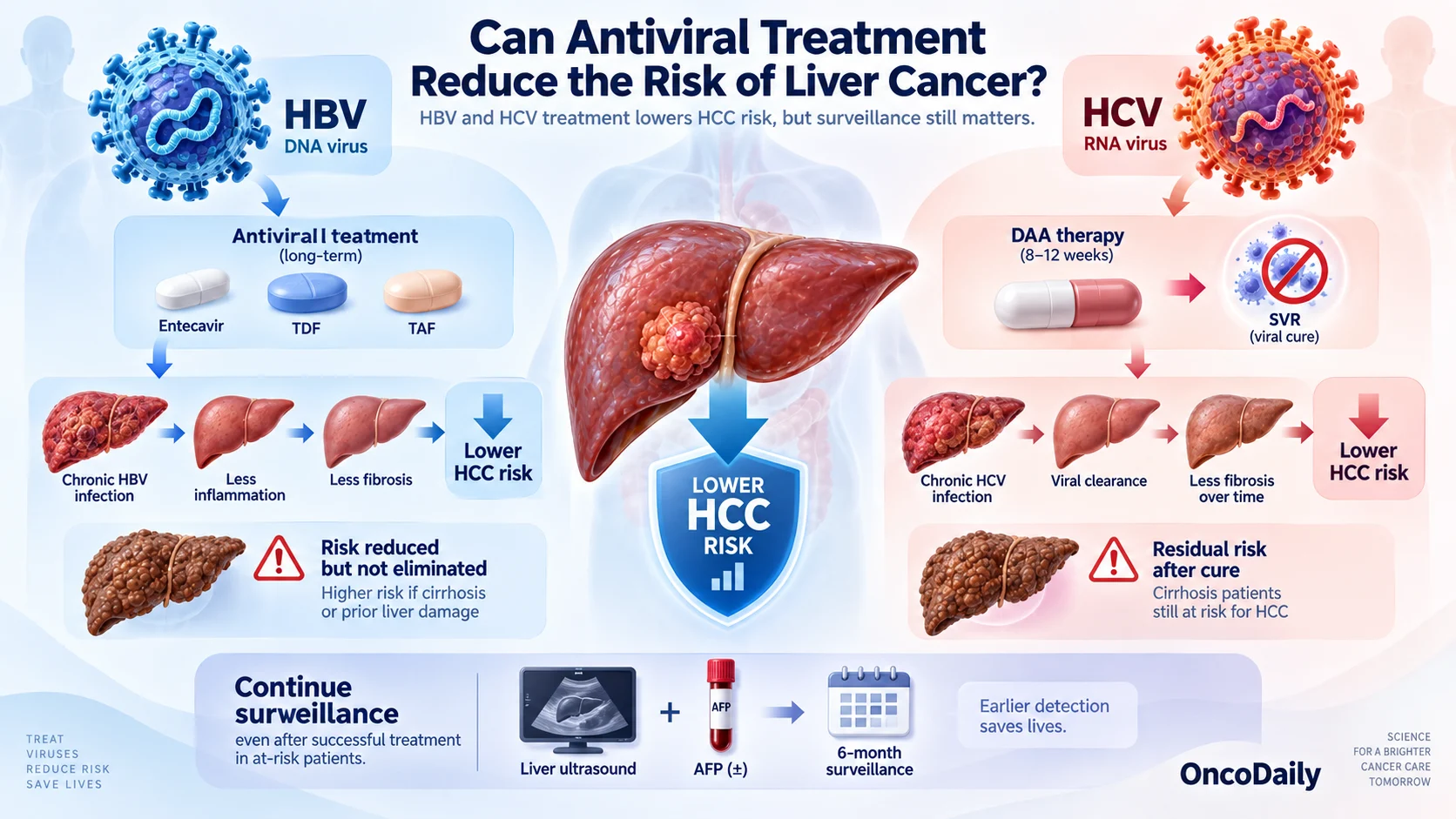
Yes. Effective antiviral treatment substantially reduces HCC risk in both chronic HBV and HCV, although the magnitude of benefit depends on the stage of underlying liver disease and the timing of treatment.
For chronic HBV, nucleos(t)ide analogues such as entecavir, tenofovir disoproxil fumarate, and tenofovir alafenamide suppress viral replication and reduce ongoing hepatic inflammation and fibrosis progression. Sustained viral suppression is associated with lower rates of HCC and cirrhosis, including in some noncirrhotic populations. (Wang et al., 2026; Im et al., 2026).
Antiviral therapy does not completely eliminate HBV-related HCC risk, particularly once cirrhosis, HBV integration, or other oncogenic changes are established. This is why appropriate HCC surveillance remains necessary in high-risk patients even during effective treatment. (La Frazia et al., 2026; You et al., 2026).
For chronic HCV, direct-acting antivirals can eradicate infection and achieve sustained virologic response in the vast majority of treated patients. Viral cure substantially reduces HCC risk and has also been associated with improved outcomes in patients successfully treated for HCV-related HCC. (Aydin et al., 2025; Li et al., 2026).
However, HCV eradication does not erase the carcinogenic effects of established cirrhosis. Patients with HCV-related cirrhosis therefore remain at sufficient residual risk to require continued HCC surveillance after SVR. (Singal et al., 2023; Jang et al., 2026).
How Can Virus-Related HCC Be Prevented and Detected Early?
Prevention begins before HCC develops. HBV vaccination is one of the most effective strategies because preventing chronic HBV infection prevents the downstream liver injury and direct viral effects that can lead to HCC. Prevention of mother-to-child transmission and appropriate treatment of chronic HBV further reduce the long-term disease burden. There is currently no approved vaccine for HCV. (Singal et al., 2023; You et al., 2026).
For HCV, broad testing, linkage to care, and treatment with direct-acting antivirals are central to preventing progression to cirrhosis and HCC. Management of additional liver insults—including alcohol use, obesity, metabolic dysfunction, and smoking is also important in patients with either viral infection. (Aydin et al., 2025; Singal et al., 2023).
Early detection depends on structured HCC surveillance. Patients with cirrhosis and selected high-risk patients with chronic HBV without cirrhosis should undergo regular surveillance. Semiannual ultrasound is the foundation of most surveillance programs, with AFP incorporated according to the guideline and clinical setting; CT or MRI may be considered when ultrasound visualization is inadequate. (Singal et al., 2023; You et al., 2026).
After HCV cure, patients with cirrhosis should continue surveillance because HCC risk can persist for years. Routine surveillance after SVR is not generally recommended by AASLD for patients with advanced fibrosis who do not have cirrhosis, although individualized surveillance may be considered in selected cases or under other guideline frameworks. (Singal et al., 2023; Jang et al., 2026).
FAQ
Can hepatitis B or hepatitis C cause liver cancer?
Yes. Chronic HBV and HCV infections are major risk factors for hepatocellular carcinoma (HCC).
Can HBV cause HCC without cirrhosis?
Yes. HBV can directly promote cancer through viral DNA integration and oncogenic proteins such as HBx.
Does curing hepatitis C eliminate HCC risk?
No. HCV cure greatly reduces risk, but patients with cirrhosis may still develop HCC and need ongoing surveillance.
Can antiviral treatment prevent liver cancer?
Antiviral therapy significantly lowers HCC risk in both HBV and HCV, but it does not remove the risk completely.
How is virus-related HCC detected early?
High-risk patients are usually monitored with regular liver ultrasound, often with AFP testing, typically every 6 months.