Key takeaways
- Fasting may affect cancer cell metabolism, but most evidence comes from laboratory and animal studies.
- Fasting has not been proven to prevent, treat, or cure cancer.
- Chemotherapy benefits remain uncertain, with limited evidence of improved outcomes or fewer side effects.
- Breast cancer research is promising, but fasting has not been proven to prevent recurrence.
- Fasting during cancer treatment carries risks, including weight loss and malnutrition, and requires medical supervision.
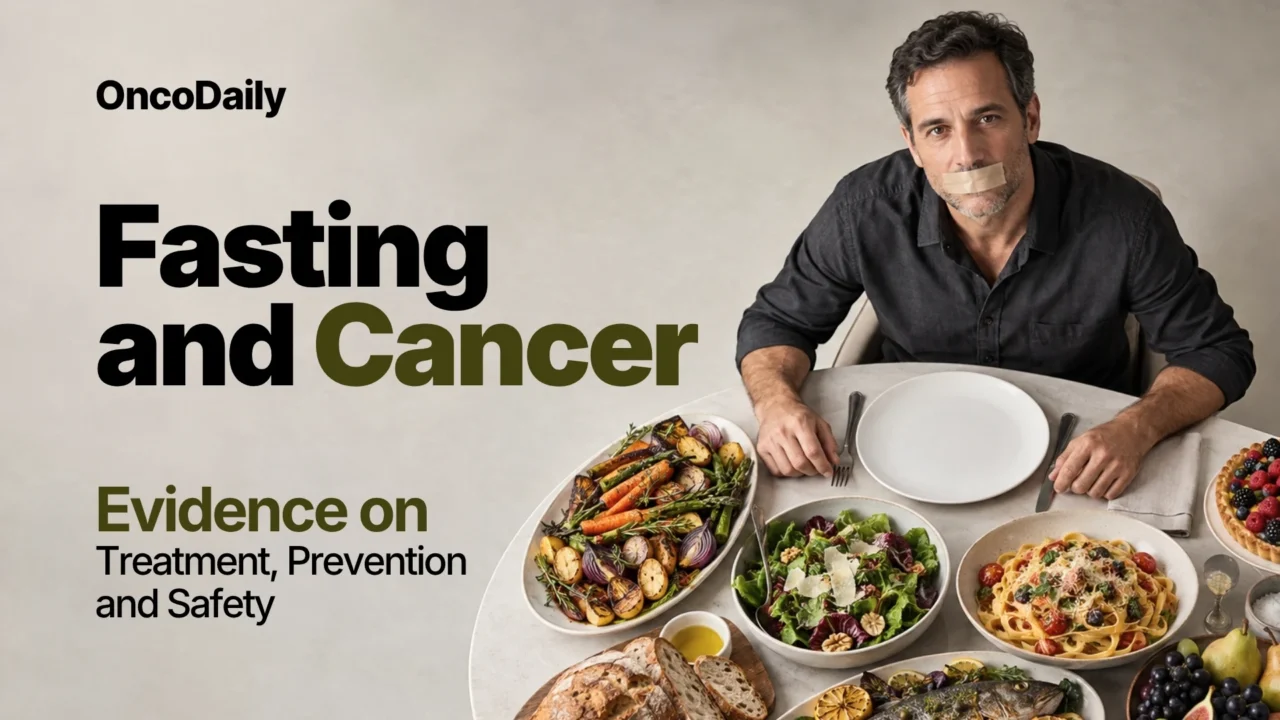
Fasting and cancer have become an increasingly discussed topic in oncology, as researchers investigate whether restricting food intake could influence tumor growth, improve chemotherapy response, or reduce treatment-related side effects. Studies suggest that fasting changes metabolic pathways involved in cell growth and survival, raising questions about its potential role in cancer prevention and treatment.
However, much of the promising evidence comes from laboratory and animal studies. Human clinical trials remain limited, and fasting has not been established as an effective cancer treatment. Understanding what the research actually shows, and where important uncertainties remain, is essential for patients considering dietary changes during cancer care.
What Does the Science Say About Fasting and Cancer?
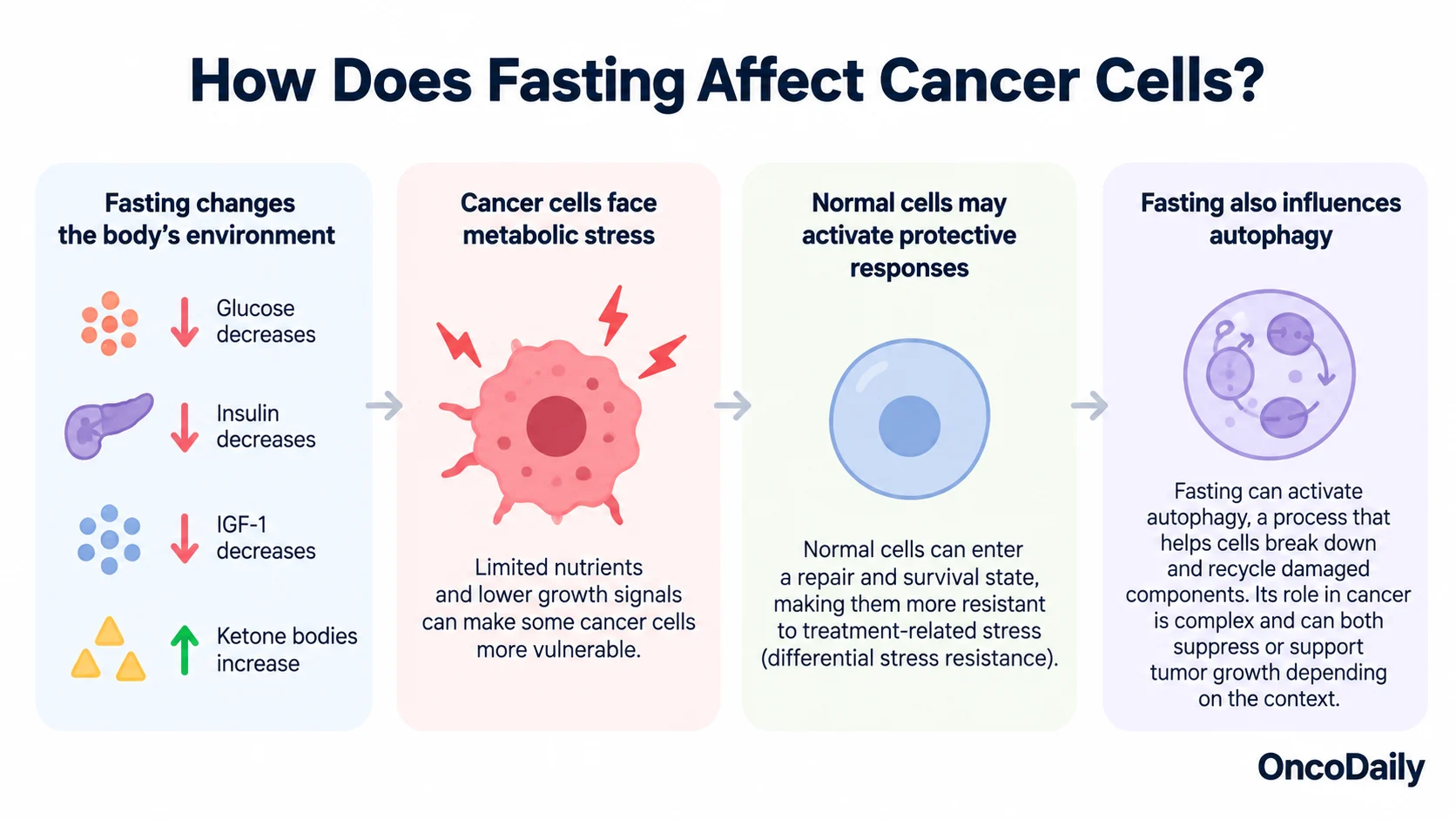
Fasting has attracted scientific interest because it changes how the body uses energy and regulates cellular growth. During fasting, insulin and insulin-like growth factor 1 (IGF-1) levels may decrease, while glucose availability and energy metabolism also change.
Laboratory and animal studies suggest that these metabolic changes can slow the growth of certain tumors and make some cancer cells more sensitive to treatment. Normal cells may also become more resistant to chemotherapy-related stress, although these effects depend on the experimental conditions and cancer model (Nencioni et al., 2018).
Human research has primarily examined short-term fasting and fasting-mimicking diets alongside conventional treatment. Some small studies have reported improvements in metabolic markers or treatment-related symptoms, but the findings remain inconsistent.
A 2025 systematic review involving 354 patients found that intermittent fasting was feasible in selected study populations but did not demonstrate improvements in treatment outcomes or chemotherapy-related toxicities (Maes et al., 2025).
The central question is whether these biological effects translate into meaningful clinical benefits, such as improved treatment response, fewer complications, or longer survival. That remains under investigation.
Can Fasting Prevent or Cure Cancer?
There is currently no convincing clinical evidence that fasting alone can prevent or cure cancer. Although fasting influences metabolic pathways associated with tumor development, these biological changes do not establish that it can eliminate cancer cells or prevent tumors from forming in humans (Tiwari et al., 2022).
Fasting may indirectly support certain aspects of metabolic health, including weight management and insulin sensitivity. However, evidence that fasting itself reduces cancer incidence remains insufficient.
For cancer prevention, established recommendations continue to emphasize maintaining a healthy weight, eating a balanced diet, engaging in regular physical activity, avoiding tobacco, and limiting or avoiding alcohol.
For people already diagnosed with cancer, fasting should never replace surgery, chemotherapy, radiotherapy, immunotherapy, endocrine therapy, or targeted treatment. These therapies have demonstrated clinical benefits in specific cancer settings, whereas fasting remains investigational.
What Are the Different Types of Fasting?
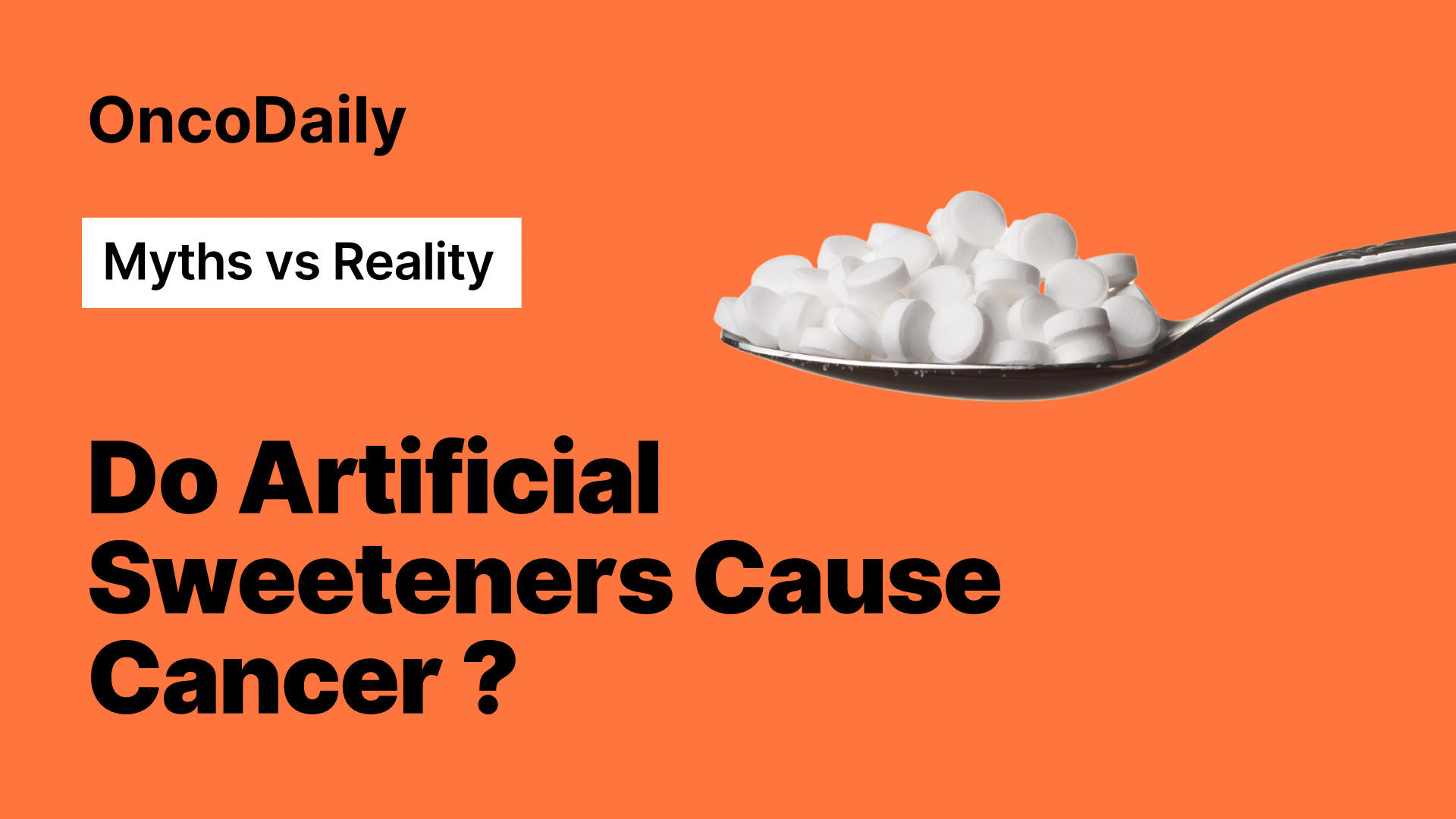
Fasting refers to periods of avoiding food or substantially restricting calorie intake. Several approaches are used in clinical research and everyday dietary practice, each with different metabolic effects and nutritional implications (Longo and Mattson, 2014).
The most common types include:
- Time-restricted eating: Limiting food intake to a specific daily window, such as 8 hours of eating followed by 16 hours of fasting (16:8).
- Alternate-day fasting: Alternating between regular eating days and days of fasting or substantial calorie restriction.
- The 5:2 diet: Eating normally five days per week while restricting calories on two nonconsecutive days.
- Prolonged fasting: Avoiding food for extended periods, often longer than 48 hours.
- Fasting-mimicking diets (FMDs): Following a structured, low-calorie dietary plan for several days to reproduce some physiological effects of fasting while allowing limited food intake.
In oncology, short-term fasting and fasting-mimicking diets have received particular attention because they can be studied alongside cancer treatments. However, these approaches are not interchangeable, and findings from one fasting regimen cannot automatically be applied to another.
How Does Fasting Affect Cancer Cells?
Cancer cells frequently develop altered metabolic pathways that help them obtain nutrients and sustain uncontrolled growth. Fasting changes the availability of nutrients and growth signals, potentially placing some tumors under metabolic stress.
Reduced insulin and IGF-1 signaling may influence pathways involved in cell proliferation and survival, including PI3K–AKT–mTOR signaling. In experimental models, these changes can make certain cancer cells more vulnerable to treatment (Nencioni et al., 2018).
Researchers have also investigated differential stress resistance, a proposed mechanism in which normal cells become more resistant to stressful conditions, while cancer cells with abnormal growth signaling may remain vulnerable (Lee and Longo, 2011).
Another process influenced by fasting is autophagy, the cellular mechanism responsible for breaking down and recycling damaged components. Its relationship with cancer is complex: autophagy may help suppress early tumor development but can also support the survival of established tumors under nutrient-deprived conditions.
These findings provide a biological explanation for why fasting is being studied in oncology. However, cancer cells differ considerably in their metabolic requirements, and fasting does not selectively starve or destroy every type of tumor.
Can Fasting Improve Chemotherapy Effectiveness and Reduce Side Effects?
One of the main areas of research is whether fasting could improve chemotherapy effectiveness while reducing damage to healthy tissues.
Preclinical studies suggest that short-term fasting may increase the sensitivity of certain cancer cells to chemotherapy while reducing treatment-related stress in normal cells. These observations have encouraged researchers to investigate fasting as a possible supportive intervention during treatment (de Groot et al., 2019).
Some early clinical trials have reported improvements in symptoms such as fatigue or nausea, while others have suggested changes in chemotherapy response. However, these results have been inconsistent.
The 2025 systematic review by Maes and colleagues found no demonstrated improvement in chemotherapy-related toxicities or treatment outcomes across the included studies. Differences in fasting schedules, treatment regimens, and study populations continue to limit the strength of the evidence (Maes et al., 2025).
Fasting has therefore not been established as a method of improving chemotherapy effectiveness or reducing its side effects. Larger randomized trials are needed to determine whether any particular fasting approach provides meaningful clinical benefits.
What Does Research Say About Fasting and Breast Cancer?
Breast cancer is among the most extensively studied malignancies in human fasting research, particularly in trials investigating chemotherapy response, metabolic changes, and treatment-related symptoms.
A 2023 systematic review found that intermittent fasting was feasible in selected patients with breast cancer. Some studies reported improvements in metabolic markers and possible reductions in chemotherapy-related symptoms, but the evidence was generally of low quality. The review did not establish consistent improvements in quality of life, treatment response, or recurrence outcomes (Anemoulis et al., 2023).
An observational study involving 2,413 women with early-stage breast cancer found that fasting for fewer than 13 hours overnight was associated with a 36% higher relative hazard of breast cancer recurrence compared with fasting for at least 13 hours.
However, the study did not find a statistically significant association with breast cancer-specific mortality. Because it was observational, the findings cannot establish that longer overnight fasting prevents recurrence (Marinac et al., 2016).
The randomized phase II DIRECT trial also investigated a fasting-mimicking diet alongside neoadjuvant chemotherapy in patients with HER2-negative breast cancer. Although some measures of treatment response favored the dietary intervention, adherence was challenging and the study did not establish a survival benefit (de Groot et al., 2020).
Together, these findings suggest that fasting deserves further investigation in breast cancer, but no specific fasting regimen has been established as a standard treatment or proven recurrence-prevention strategy.
Is Fasting Safe for Cancer Patients?
The safety of fasting depends on a patient’s nutritional status, cancer type, treatment plan, and other medical conditions. While selected patients have tolerated short-term fasting in clinical studies, this does not mean that fasting is appropriate for everyone.
One of the main concerns is unintentional weight loss and malnutrition. Cancer and its treatment can increase nutritional demands, while nausea, vomiting, reduced appetite, and other symptoms may already limit food intake.
Further calorie restriction can contribute to muscle loss, weakness, dehydration, and difficulty meeting nutritional requirements. Patients with cancer cachexia, existing malnutrition, or substantial recent weight loss are particularly vulnerable.
Additional caution is necessary for patients who are frail, pregnant, have kidney disease or diabetes, or take medications that can cause hypoglycemia.
The European Society for Clinical Nutrition and Metabolism (ESPEN) advises against fasting around anticancer treatment because clinical benefits have not been established and inadequate nutritional intake may cause harm (Muscaritoli et al., 2021).
Maintaining adequate energy intake, protein consumption, hydration, and muscle mass remains a priority during cancer treatment. Patients interested in fasting should discuss it with their oncologist and an oncology dietitian rather than attempting restrictive regimens independently.
FAQ
Can fasting kill cancer cells?
Laboratory and animal studies suggest that fasting may slow the growth of certain tumors or make cancer cells more sensitive to treatment. However, there is no clinical evidence that fasting alone can eliminate cancer in humans.
How long should you fast to prevent cancer?
There is no scientifically established fasting duration for cancer prevention. Although intermittent fasting may improve certain metabolic markers, it has not been proven to reduce cancer risk.
Does fasting make chemotherapy more effective?
Some early studies suggest that fasting may improve chemotherapy response in selected patients, but larger clinical trials are needed. Fasting is not currently recommended as a routine part of cancer treatment.
Can intermittent fasting reduce breast cancer recurrence?
An observational study found an association between longer overnight fasting and lower breast cancer recurrence risk. However, this does not prove that fasting prevents recurrence, and further research is needed.
Is fasting safe during cancer treatment?
Fasting may be feasible for carefully selected patients, but it can increase the risk of weight loss, dehydration, and malnutrition. Patients should consult their oncology team and a registered dietitian before attempting it.