
Key takeaways
- Chemotherapy-related constipation is often caused by a combination of treatment, supportive medications, dehydration, and reduced activity.
- Vinca alkaloids, especially vincristine, are among the chemotherapy drugs most clearly linked to constipation.
- Opioids and anti-nausea medications can significantly increase constipation risk during cancer treatment.
- Hydration, appropriate activity, and laxatives such as osmotic or stimulant agents may help manage symptoms.
- Severe abdominal pain, vomiting, marked swelling, or inability to pass stool or gas requires urgent medical attention.
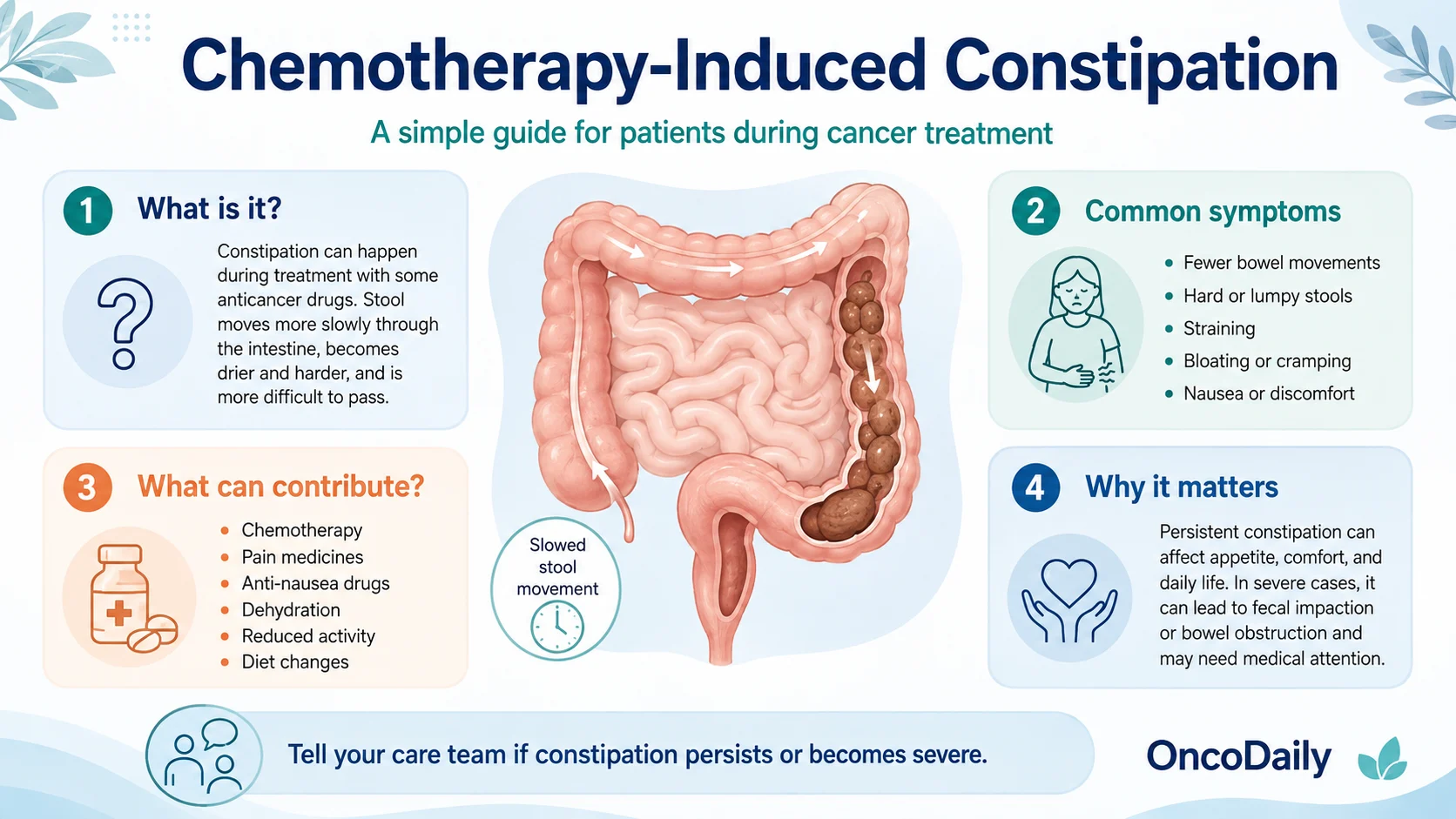
Chemotherapy-induced constipation (CIC) is a gastrointestinal side effect that can occur during treatment with certain anticancer drugs. Constipation happens when stool moves more slowly through the intestine. As stool remains in the colon for longer, more water is absorbed, making it drier, harder, and more difficult to pass.
A person may notice fewer bowel movements than usual, hard or lumpy stools, straining, difficulty passing stool, or a feeling that the bowel has not emptied completely. Constipation can also cause abdominal discomfort, bloating, cramping, and nausea. During cancer treatment, however, constipation is often caused by more than chemotherapy alone. Pain medicines, anti-nausea drugs, reduced physical activity, dehydration, dietary changes, and the cancer itself can all contribute.
Chemotherapy-induced constipation is important to recognize because persistent constipation can affect appetite, comfort, daily activities, and overall well-being during cancer treatment. If it becomes severe, constipation can occasionally lead to complications such as fecal impaction or bowel obstruction, which require medical attention.
How Does Chemotherapy Cause Constipation?
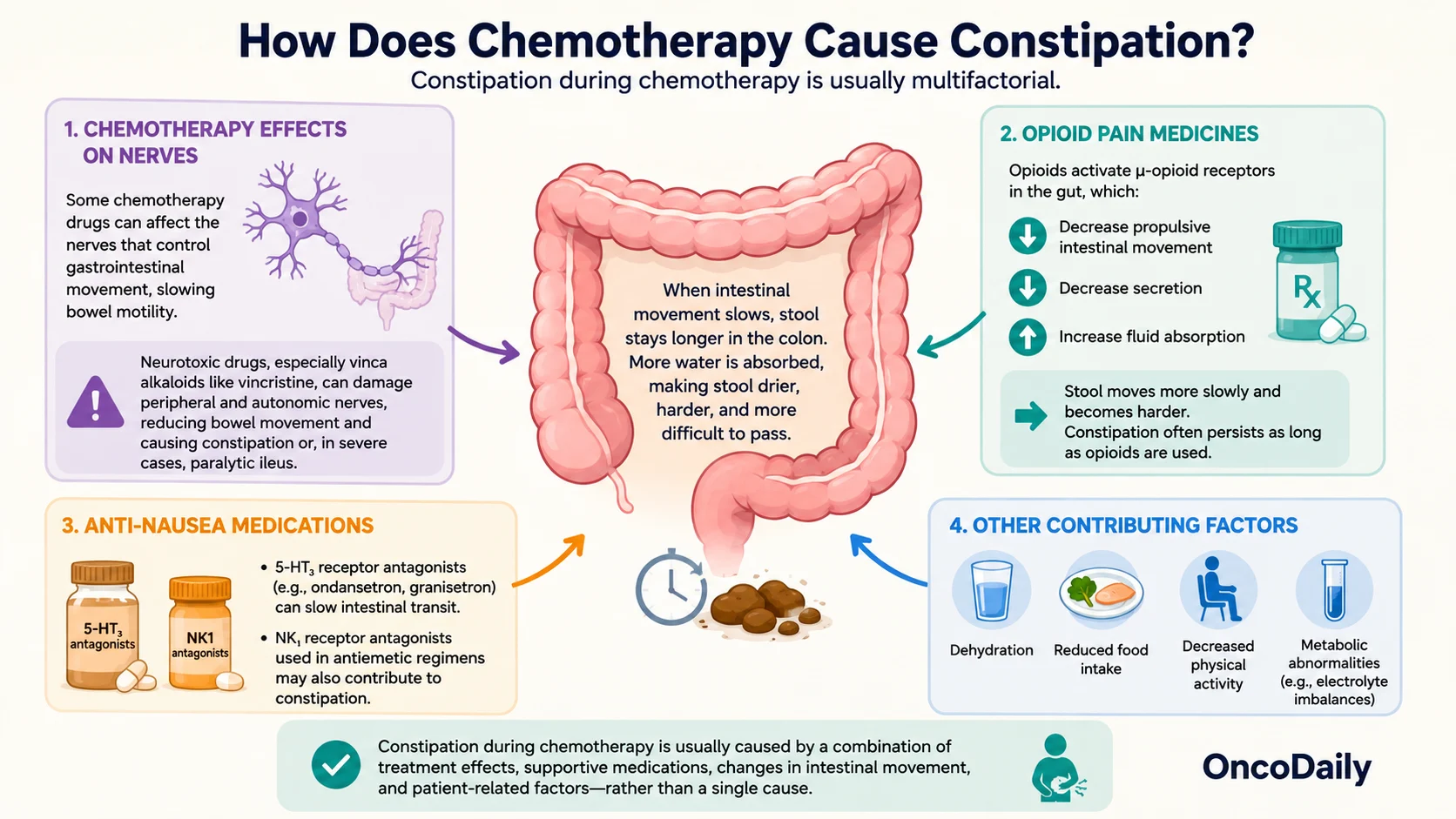
The development of constipation during chemotherapy is usually multifactorial. Some chemotherapy drugs can interfere with the nerves that control gastrointestinal movement. When intestinal motility slows, stool remains in the colon for longer, allowing more water to be absorbed and making the stool harder and more difficult to pass.
This effect is particularly important with neurotoxic chemotherapy drugs. Vinca alkaloids, especially vincristine, can damage peripheral and autonomic nerves, including those involved in controlling the intestine. This can reduce bowel motility and cause constipation and, in more severe cases, paralytic ileus.
Medications given alongside chemotherapy can also play an important role. Opioid pain medicines activate μ-opioid receptors within the gastrointestinal tract, reducing propulsive intestinal movement and secretion while increasing fluid absorption. As a result, stool moves more slowly and becomes harder. Unlike some other opioid-related side effects, constipation often persists during continued opioid treatment (Larkin et al., 2018).
Anti-nausea medications can also contribute. 5-HT3 receptor antagonists, such as ondansetron and granisetron, can slow intestinal transit. NK1 receptor antagonists used as part of antiemetic regimens may also contribute to constipation. Other factors such as dehydration, reduced food intake, decreased physical activity, and metabolic abnormalities can further slow bowel function.
Overall, constipation during chemotherapy is therefore often caused by a combination of direct treatment effects, supportive medications, changes in intestinal movement, and patient-related factors rather than by one single mechanism.
Which Chemotherapy Drugs Are Most Likely to Cause Constipation?
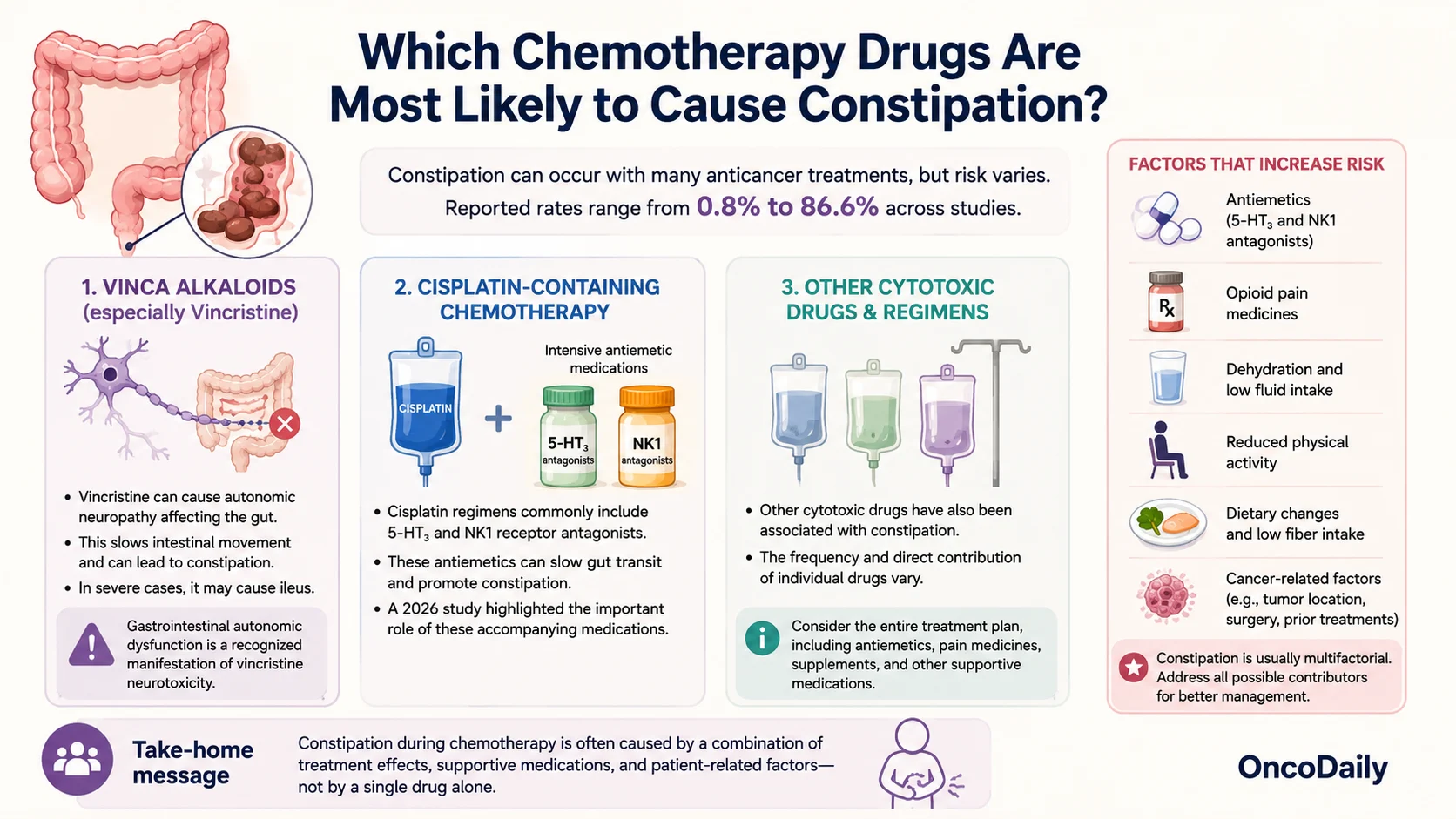
Many anticancer treatments have been associated with constipation, but the risk varies considerably between drugs and treatment regimens. A systematic review examining antitumor treatment-related constipation found reported rates ranging from 0.8% to 86.6% across studies, reflecting substantial differences in treatment type, patient populations, and definitions of constipation (Calsina-Berna et al., 2023).
Vinca alkaloids, particularly vincristine, are among the chemotherapy drugs most clearly associated with constipation. Vincristine can cause autonomic neuropathy affecting the gastrointestinal tract, which may slow intestinal movement and, in severe cases, lead to ileus. Gastrointestinal autonomic dysfunction, including constipation and ileus, is a recognized manifestation of vincristine neurotoxicity.
Constipation is also seen during cisplatin-containing chemotherapy. However, the chemotherapy drug itself may not be the only cause. Cisplatin usually requires intensive antiemetic treatment, including 5-HT3 and NK1 receptor antagonists, which can themselves promote constipation. A 2026 study examining patients receiving cisplatin-containing treatment highlighted the contribution of these accompanying antiemetic medications to chemotherapy-associated constipation (Saito et al., 2026).
Constipation has also been reported with other cytotoxic drugs and chemotherapy regimens, although the frequency and direct contribution of individual drugs vary. For this reason, the entire treatment plan, including antiemetics, pain medicines, supplements, and other supportive medications, should be considered when constipation develops during chemotherapy (Calsina-Berna et al., 2023).
Who Is at Higher Risk of Chemotherapy-Induced Constipation?
The likelihood of developing constipation during chemotherapy is not the same for every patient. Risk can be influenced by the chemotherapy regimen, medications used alongside treatment, previous bowel habits, underlying medical conditions, and lifestyle factors.
Patients who already have chronic constipation may be more likely to experience worsening symptoms during treatment. Older age, reduced physical activity, inadequate fluid intake, and changes in appetite or diet may also contribute. Treatment-related fatigue, weakness, or prolonged periods in bed can further reduce normal intestinal movement (Larkin et al., 2018; National Cancer Institute, 2025).
Medications are another important risk factor. Opioid pain medicines and anti-nausea medications are common contributors, while other drugs with anticholinergic or bowel-slowing effects may increase the risk further. Taking several constipating medications at the same time can make symptoms more likely.
Medical conditions can also contribute to constipation. These include metabolic abnormalities such as hypercalcemia or hypokalemia, hypothyroidism, diabetes, neurological disorders, and kidney disease. Cancer itself may affect bowel function when a tumor presses on the intestine, narrows the bowel, or affects nerves involved in bowel movement. Previous abdominal or pelvic surgery and other cancer treatments may also alter normal bowel function (Larkin et al., 2018; National Cancer Institute, 2025).
Watch more on OncoDaily TV.
How Severe Can Chemotherapy-Induced Constipation Be?
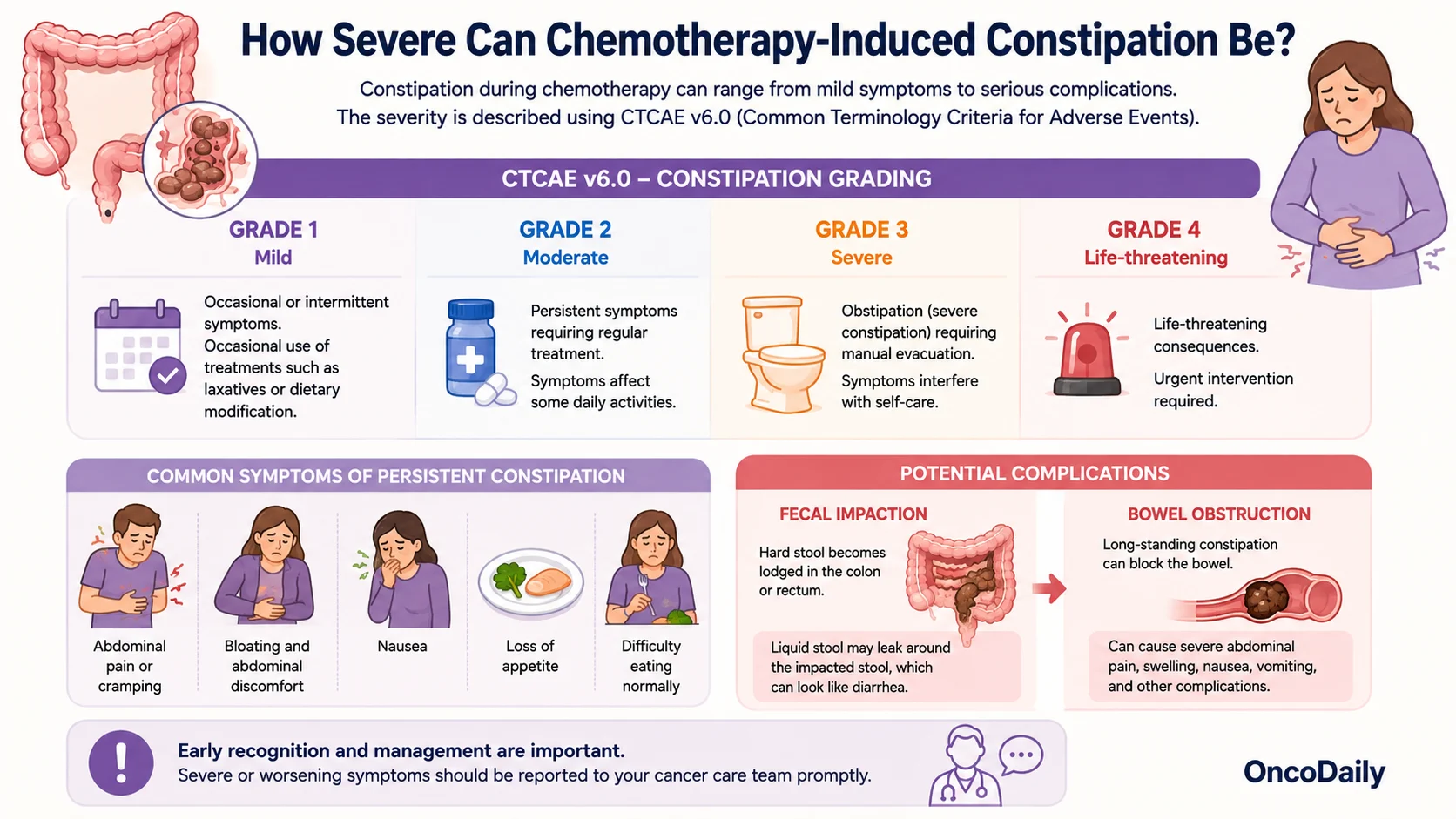
Chemotherapy-induced constipation can range from occasional difficulty passing stool to a serious gastrointestinal complication. The National Cancer Institute Common Terminology Criteria for Adverse Events (CTCAE) is commonly used to describe its severity.
In the current CTCAE v6.0, grade 1 constipation involves occasional or intermittent symptoms with only occasional use of treatments such as laxatives or dietary modification. Grade 2 describes persistent symptoms requiring regular treatment and affecting some daily activities. Grade 3 involves obstipation severe enough to require manual evacuation and interfere with self-care. Grade 4 represents life-threatening consequences requiring urgent intervention (National Cancer Institute, 2025).
Persistent constipation can cause abdominal pain, cramping, bloating, nausea, loss of appetite, and difficulty eating normally. More severe constipation may lead to fecal impaction, in which hard stool becomes lodged in the colon or rectum. In some cases, small amounts of liquid stool can pass around the impacted stool, producing what may appear to be diarrhea.
Long-standing constipation can also contribute to bowel obstruction, another potentially serious condition. Fecal impaction and bowel obstruction can cause significant abdominal pain, swelling, nausea, vomiting, and other complications and require prompt medical assessment.
How Is Chemotherapy-Induced Constipation Prevented and Managed?
Managing chemotherapy-induced constipation begins with early recognition and identifying possible causes. Patients should monitor changes in their usual bowel habits and tell their cancer care team if constipation develops or becomes persistent. Reviewing chemotherapy, anti-nausea medicines, pain medications, diet, fluid intake, activity level, and other medical conditions can help determine what may be contributing.
Drinking adequate fluids and remaining physically active, when possible and medically appropriate, can help support normal bowel function. Dietary changes may also be helpful, but increasing fiber is not appropriate for every patient. High-fiber foods or fiber supplements can make constipation worse in some circumstances, so patients should discuss changes in fiber intake with their healthcare team (National Cancer Institute, 2025).
Laxatives may be recommended to prevent or treat constipation. Osmotic laxatives, such as polyethylene glycol or lactulose, increase the amount of water in the bowel and help soften stool. Stimulant laxatives, such as senna or bisacodyl, stimulate intestinal contractions and help move stool through the bowel. The appropriate medicine and schedule depend on the cause and severity of constipation and should follow the cancer care team’s recommendations.
Patients receiving regular opioid therapy may need preventive treatment for constipation because opioid-induced bowel dysfunction often continues for as long as the opioid is being used. If opioid-induced constipation does not respond adequately to conventional laxatives, other treatments, including peripherally acting μ-opioid receptor antagonists, may be considered in selected patients after bowel obstruction and fecal impaction have been excluded (Larkin et al., 2018).
Suppositories and enemas should not be used without first discussing them with the cancer care team. In some people with cancer, particularly those at increased risk of bleeding or infection, rectal treatments may cause complications.
The overall goal is to recognize constipation early, restore comfortable bowel movements, prevent fecal impaction or obstruction, and allow cancer treatment to continue as safely and comfortably as possible.
You can also read Eating During Chemotherapy: What to Eat and What to Avoid by OncoDaily.

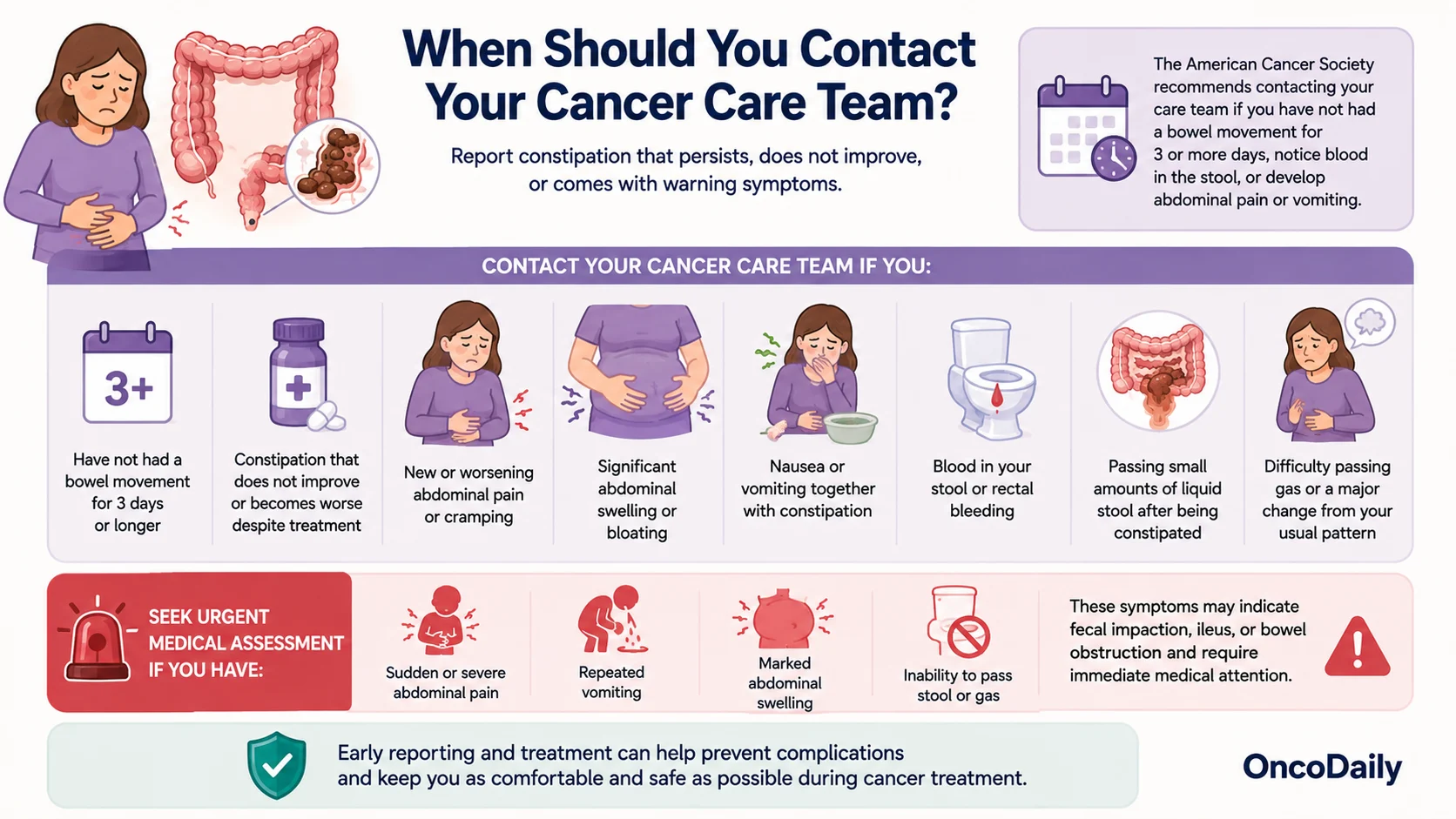
When Should You Contact Your Cancer Care Team?
Constipation during chemotherapy should be reported to your cancer care team if it becomes persistent, does not improve with the treatment recommended by your healthcare team, or is accompanied by symptoms that could suggest fecal impaction or bowel obstruction.
Contact your cancer care team if you:
- Have not had a bowel movement for 3 days or longer
- Have constipation that does not improve or becomes worse despite taking the medication recommended by your healthcare team
- Develop new or worsening abdominal pain or cramping
- Develop significant abdominal swelling or bloating
- Have nausea or vomiting together with constipation
- Notice blood in your stool or bleeding from the rectum
- Begin passing small amounts of liquid stool after being constipated, which can sometimes occur with fecal impaction
- Have difficulty passing gas or notice a major change from your usual bowel pattern
The American Cancer Society recommends contacting the cancer care team if a person has not had a bowel movement for 3 or more days, notices blood in the stool, or develops abdominal pain or vomiting.
Seek urgent medical assessment if constipation is accompanied by sudden or severe abdominal pain, repeated vomiting, marked abdominal swelling, or inability to pass stool or gas, as these symptoms may indicate fecal impaction, ileus, or bowel obstruction.
Written by Marine Marachlian, MD
FAQ
What is chemotherapy-induced constipation?
Chemotherapy-induced constipation is a change in bowel function that develops during chemotherapy and causes stools to become less frequent, harder, or more difficult to pass compared with a person's usual bowel pattern.
Why does chemotherapy cause constipation?
Some chemotherapy drugs can affect the nerves that control intestinal movement, slowing the passage of stool through the bowel. Constipation can also be caused or worsened by anti-nausea medications, opioid pain medicines, dehydration, reduced activity, and dietary changes.
Which chemotherapy drugs are most likely to cause constipation?
Vinca alkaloids, particularly vincristine, are among the chemotherapy drugs most clearly associated with constipation because they can affect autonomic nerves controlling the bowel. Constipation can also occur during other chemotherapy regimens, including cisplatin-containing treatment.
Can anti-nausea medicines cause constipation during chemotherapy?
Yes. 5-HT3 receptor antagonists such as ondansetron and granisetron can slow intestinal transit and contribute to constipation. Other medications used to prevent chemotherapy-induced nausea and vomiting may also affect bowel function.
Can opioid pain medicines make constipation worse?
Yes. Opioids slow gastrointestinal movement and reduce intestinal secretion, allowing more water to be absorbed from stool. Opioid-induced constipation can persist throughout treatment unless it is appropriately managed.
Who is at higher risk of constipation during chemotherapy?
Risk may be increased by preexisting constipation, older age, reduced physical activity, inadequate fluid intake, changes in diet, opioid or antiemetic use, metabolic abnormalities, and diseases or treatments that affect normal bowel function.
How severe can chemotherapy-induced constipation become?
Constipation can range from mild, occasional symptoms to severe obstipation. Persistent constipation can lead to fecal impaction and, in some cases, bowel obstruction, which require medical assessment.
How is chemotherapy-induced constipation managed?
Management may include adequate hydration, appropriate physical activity, dietary changes, and laxatives such as osmotic or stimulant agents. Treatment should be individualized according to the cause and severity of constipation.
Should I eat more fiber if I am constipated during chemotherapy?
Not always. Fiber may help some patients, but high-fiber foods or supplements can make constipation worse in certain situations. Patients should discuss fiber intake with their cancer care team before making major dietary changes.
When should I contact my cancer care team?
Contact your cancer care team if constipation lasts 3 days or more, does not improve with treatment, or is accompanied by blood in the stool, abdominal pain or swelling, vomiting, or difficulty passing gas.