
This week’s breast oncology literature captured a familiar pattern in modern cancer care: better tools, deeper biology, and more precise treatment questions, but also more real-world complexity. From the limited uptake of adjuvant abemaciclib in routine practice to new signals around late relapse in HR-positive disease, early FDG-PET in metastatic breast cancer, de-escalated HER2 therapy, BRCA risk-reduction quality-of-life data, endocrine response biomarkers, PI3K/AKT-pathway genomics, HER2 resistance biology, and the evolving role of multigene assays, the field continues to move in several directions at once. The OncoDaily Breast weekly roundup for April 13 to April 19, 2026 brings these themes together in a useful snapshot of where breast oncology is heading.
What stands out across these 10 studies is not just the diversity of topics, but the repeated tension between efficacy and implementation. Several reports show that highly promising strategies in trials still face barriers in real-world adoption. Others suggest that familiar biomarkers, such as stage, Ki67 dynamics, PIK3CA, and pathway co-alterations, continue to matter in ways that are clinically actionable. Some studies offer immediate practical insight, while others are more clearly hypothesis-generating. Together, they reflect a field trying to make treatment both more effective and more individualized.
Adjuvant Abemaciclib Still Faces Major Real-World Barriers
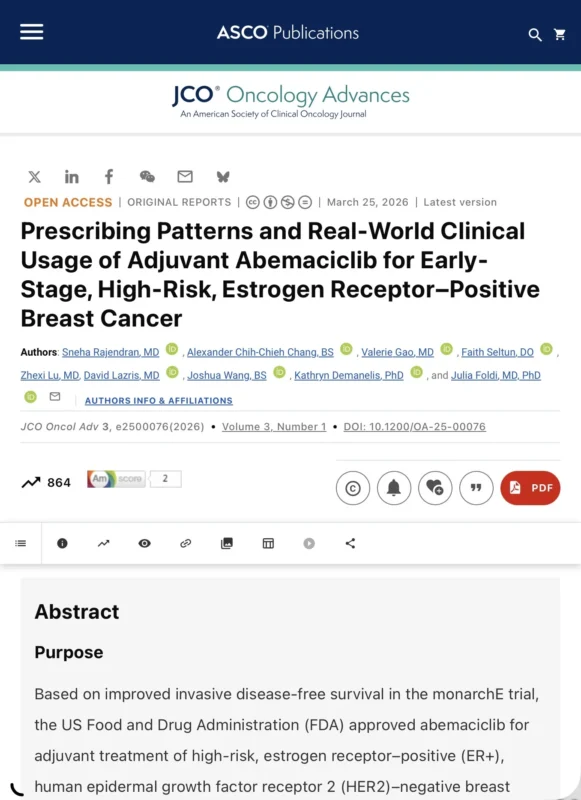
One of the most clinically relevant updates this week came from a real-world analysis of adjuvant abemaciclib use in early-stage high-risk estrogen receptor-positive breast cancer. According to the abstract, only 35% of eligible patients received adjuvant abemaciclib in routine practice, despite the strength of prior trial evidence. The cohort included 468 monarchE-eligible patients, and even among those who met the 2021 FDA label, uptake reached only 44%.
The reasons appear to be practical rather than conceptual. Toxicities were common, with 81% of treated patients experiencing adverse events, 47% requiring dose reductions, and 20% discontinuing treatment early, mainly because of diarrhea. Patient refusal was the leading reason for non-prescription, accounting for 55% of cases. Importantly, the study still reported that abemaciclib was associated with a 66% lower adjusted recurrence risk, suggesting that the barrier is not loss of efficacy but the gap between trial-level benefit and real-world tolerability and acceptability. The key message is direct: the challenge with adjuvant abemaciclib in practice is not whether the drug works, but whether patients can realistically stay on it.
Stage Remains the Strongest Readily Available Predictor of Late Relapse
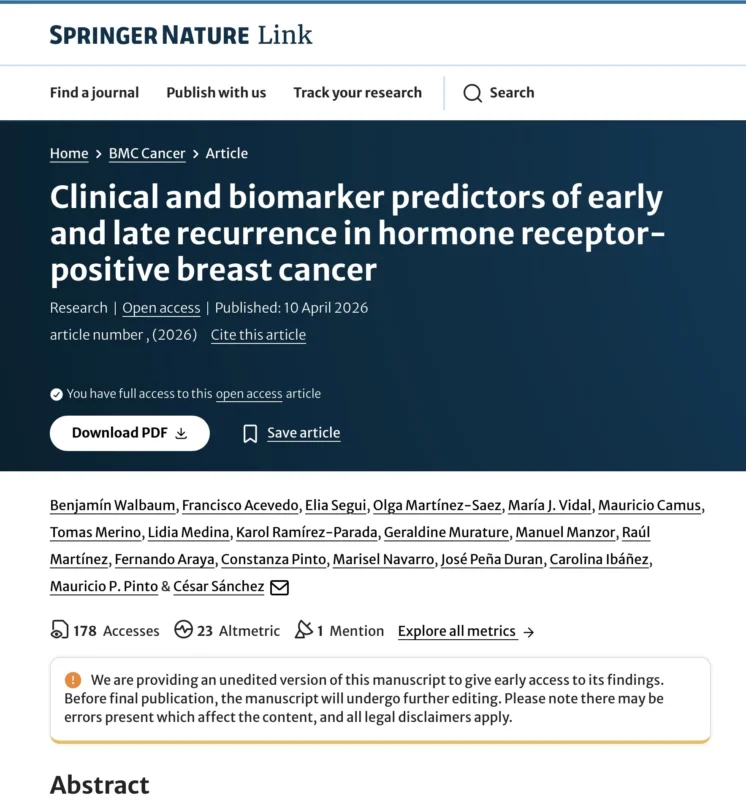
A large retrospective HR-positive/HER2-negative cohort reinforced one of the most durable truths in luminal breast cancer: stage still dominates risk, especially when it comes to late recurrence. The dataset included 4,367 patients with stage I to III disease and showed 5-year iDFS of 85% and 10-year iDFS of 70%, with 847 invasive events reported.
What makes the study especially relevant is the landmark analysis from years 5 to 10. Conditional recurrence risk during that period ranged from 22% in stage I to more than 50% in stage III, and stage was the only factor independently associated with both early and late recurrence in multivariable analysis. Ki-67 and nodal burden predicted early events, but stage remained the most consistent and accessible predictor overall. In an era of increasingly sophisticated genomic tools, that is an important reminder: some of the most useful clinical risk markers remain the simplest ones.
Early FDG-PET May Refine Prognosis in Newly Diagnosed Metastatic Breast Cancer
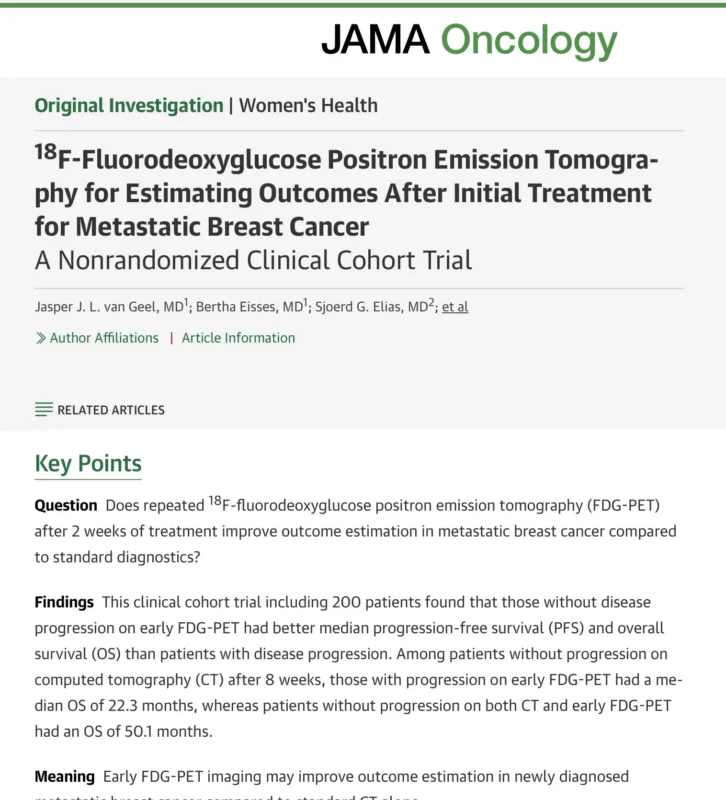
Another notable update came from a prospective multicenter metastatic breast cancer cohort evaluating FDG-PET after just 2 weeks of first-line therapy. The study included 200 newly diagnosed metastatic breast cancer patients and reported that early FDG-PET non-progression had a negative predictive value of 94.7% for non-progression on 8-week CT in the IMPACT-MBC setting.
The survival separation was substantial. Patients without progressive disease on early FDG-PET had a median PFS of 19.4 months versus 4.1 months for PET progressors, and median OS of 39.4 months versus 18.5 months, respectively. Even among CT non-progressors at 8 weeks, FDG-PET still added prognostic resolution, with PET progressors showing OS of 19.4 months versus 40.1 months for PET non-progressors. This is a clinically meaningful finding because it suggests early metabolic imaging may reveal risk patterns that standard CT misses, potentially allowing more personalized follow-up and earlier adaptation of treatment strategy.
De-Escalated Weekly TCHP Looks Promising, But It Is Still Too Early to Generalize
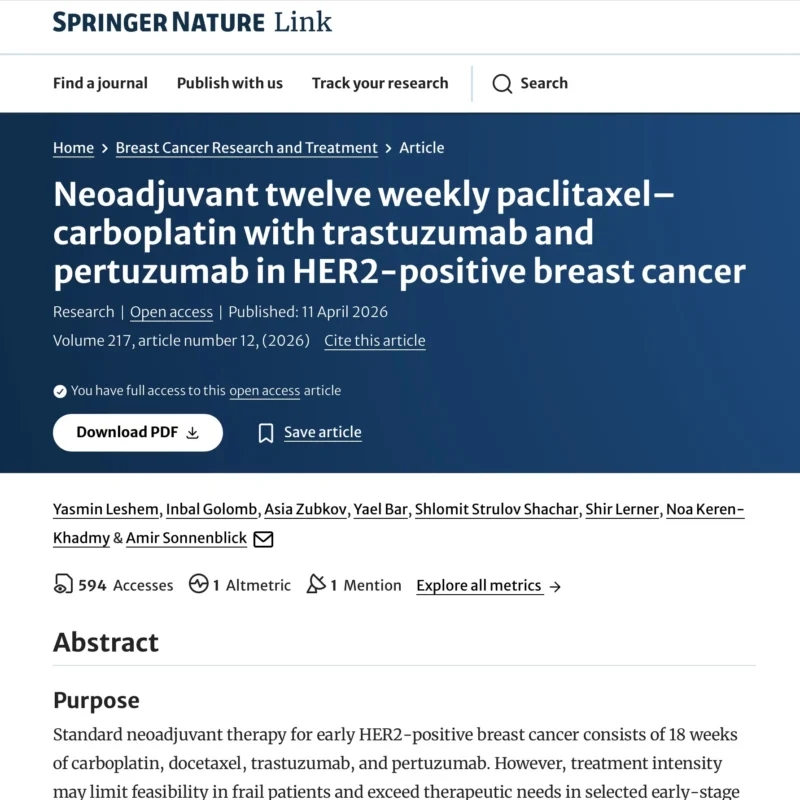
In HER2-positive disease, a small retrospective study examined a 12-week weekly paclitaxel-carboplatin plus trastuzumab/pertuzumab approach as a de-escalated neoadjuvant strategy. The reported overall pCR rate was 61% across 44 patients, with 54% pCR in ER-positive tumors and 75% in ER-negative tumors. Only 2 recurrences were reported at a median 30-month follow-up, and none of the 30 stage IIA IDC patients relapsed.
Still, the toxicity profile was not trivial. Grade 3 to 4 neutropenia occurred in 20%, diarrhea in 19%, and 16% of patients required hospitalization, although there were no treatment-related deaths. The OncoDaily takeaway is exactly right here: this remains a hypothesis-generating retrospective study with selection bias, and it should not be adopted as a new de-escalation standard without prospective validation. The data are interesting, but not yet definitive.
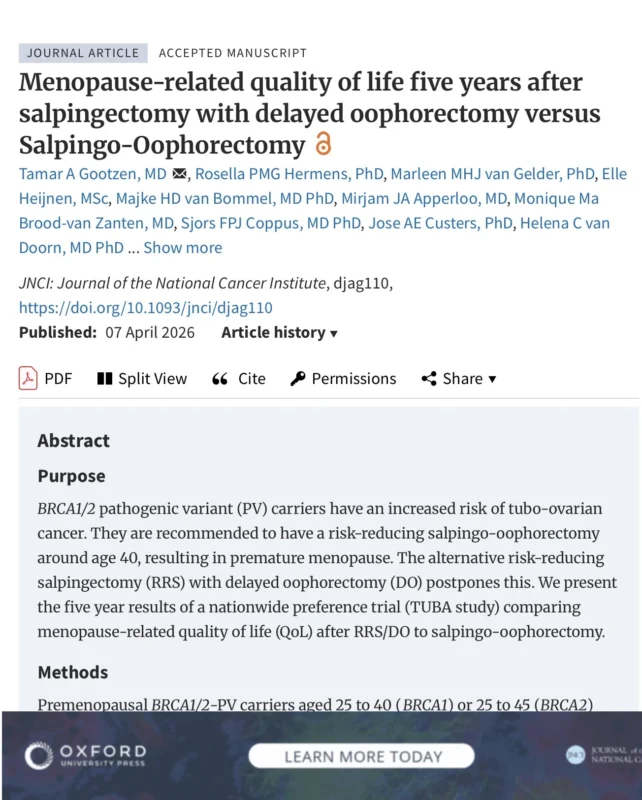
TUBA at 5 Years Strengthens the Case for Delayed Oophorectomy
The 5-year TUBA update focused on menopause-related quality of life after risk-reducing salpingectomy with delayed oophorectomy versus immediate salpingo-oophorectomy in BRCA1/2 carriers. The preference trial included 570 women, of whom 410 chose salpingectomy plus delayed oophorectomy and 160 chose immediate bilateral salpingo-oophorectomy. By 5 years, 17.8% of those in the delayed group had undergone oophorectomy.
The primary analysis showed that menopause-related quality of life at 5 years was similar overall between strategies regardless of hormone replacement therapy use. But the sensitivity analysis added the more clinically useful point: when women who had already undergone delayed oophorectomy were excluded, salpingectomy alone was associated with significantly less quality-of-life deterioration than immediate BSO with or without HRT. This shifts the interpretation. The advantage of the salpingectomy-first strategy does not appear to come from the whole pathway broadly, but from postponing oophorectomy itself. For selected BRCA carriers, that distinction matters greatly.
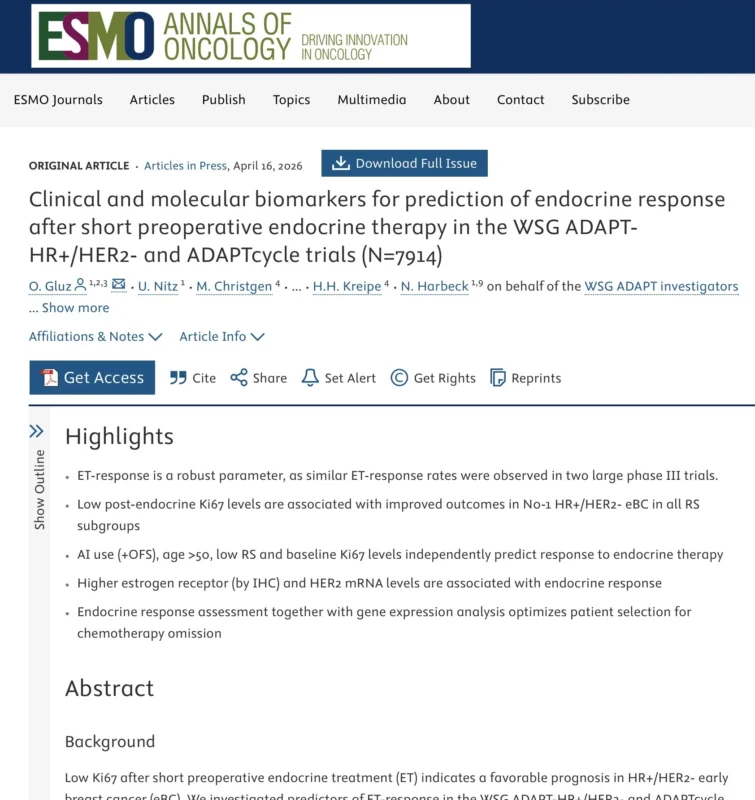
ADAPT Confirms That Short Endocrine Response Still Carries Major Prognostic Value
A pooled analysis from ADAPT-HR+/HER2− and ADAPTcycle involving 7,914 patients reinforced the value of short preoperative endocrine therapy as a functional biomarker. Endocrine response was defined as post-treatment Ki67 ≤10% after 2 to 4 weeks of preoperative endocrine therapy. Response rates were markedly higher with aromatase inhibitors than tamoxifen, while ovarian suppression plus aromatase inhibitor in premenopausal patients produced response rates similar to those seen in postmenopausal women.
Most importantly, this biologic response retained prognostic relevance even in chemotherapy-treated patients. Among chemo-treated N0-1 patients with recurrence score >25, the 5-year dDFS was 87.0% in endocrine responders versus 80.7% in non-responders. This is a subtle but important message: endocrine sensitivity remains clinically informative even when chemotherapy is also given. It supports a more integrated model of decision-making in luminal disease, where genomic scores and short-term Ki67 dynamics may work together rather than in opposition.
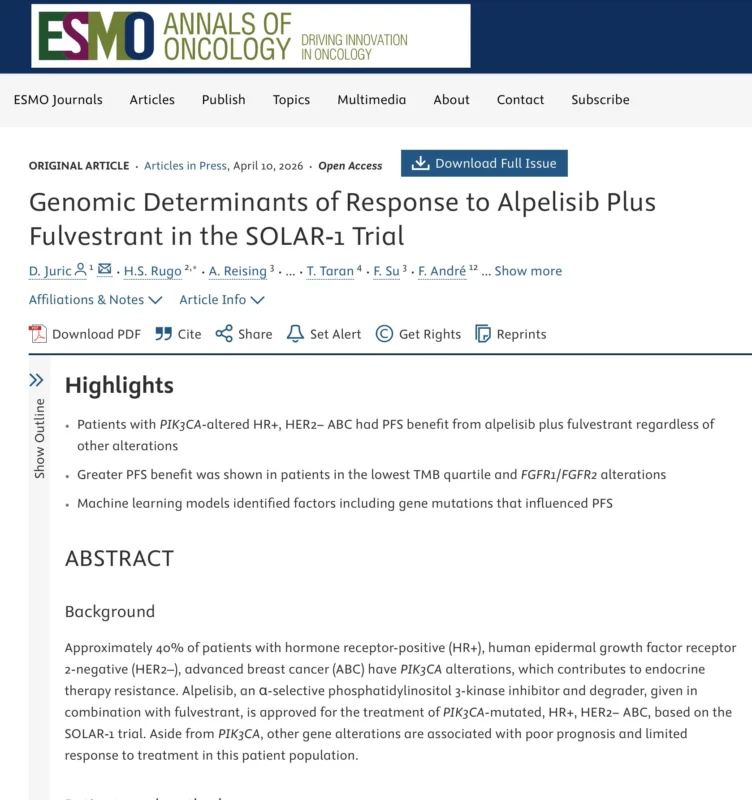
SOLAR-1 Genomics Shows That Co-Alterations Shape Alpelisib Benefit
A retrospective NGS analysis from SOLAR-1 examined 398 patients, including 237 with PIK3CA-altered tumors, and confirmed the known benefit of alpelisib plus fulvestrant while also clarifying how genomic context shapes the magnitude of that benefit. Median PFS with alpelisib plus fulvestrant reached 11.0 months versus 5.6 months with placebo in PIK3CA-altered disease.
But the more important signal came from the co-alteration analysis. The greatest benefit appeared in tumors within the lowest tumor mutational burden quartile and in those with FGFR1/2 alterations, whereas MYC and RAD21 alterations were associated with more limited benefit. Prior CDK4/6 inhibitor exposure, ECOG performance status, and PTEN or TP53 alterations emerged among the most deleterious factors for progression-free survival in multivariable modeling. This is exactly the kind of study that moves the field away from simple single-gene selection and toward a more realistic genomic view of endocrine-targeted therapy benefit.
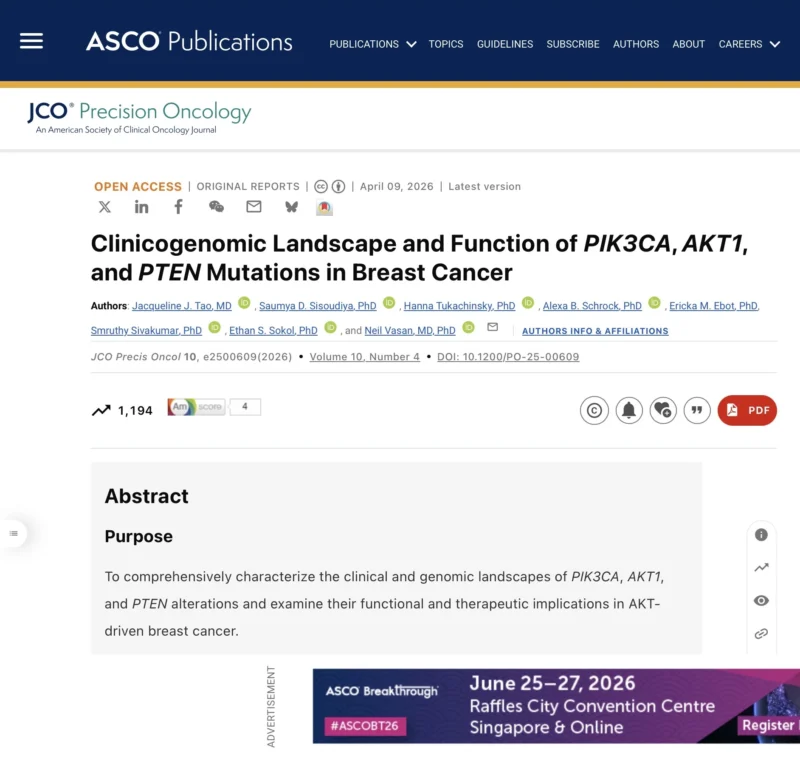
The AKT Pathway Story Is Bigger and More Uneven Than Labels Suggest
A large-scale clinicogenomic analysis of 51,767 profiled breast tumors provided a broader view of the PIK3CA, AKT1, and PTEN landscape. The study identified 29,157 variants, with PIK3CA H1047R, AKT1 E17K, and PTEN homozygous deletion as among the most common alterations. Overall, the PIK3CA alteration rate was 37.4%.
Two findings stand out. First, PIK3CA alterations were less frequent in patients of African ancestry, while AKT1 and PTEN alterations appeared more evenly distributed. Second, in a real-world capivasertib plus fulvestrant cohort, patients with rare AKT-pathway variants appeared to derive benefit comparable to those with currently qualifying alterations. This is clinically important because it suggests the current biomarker label may not fully capture who can benefit from AKT-pathway inhibition. It also reinforces the need to examine ancestry-based representation in biomarker development more carefully.
PIK3CA Mutation Looks Increasingly Like a True HER2-Targeted Resistance Biomarker
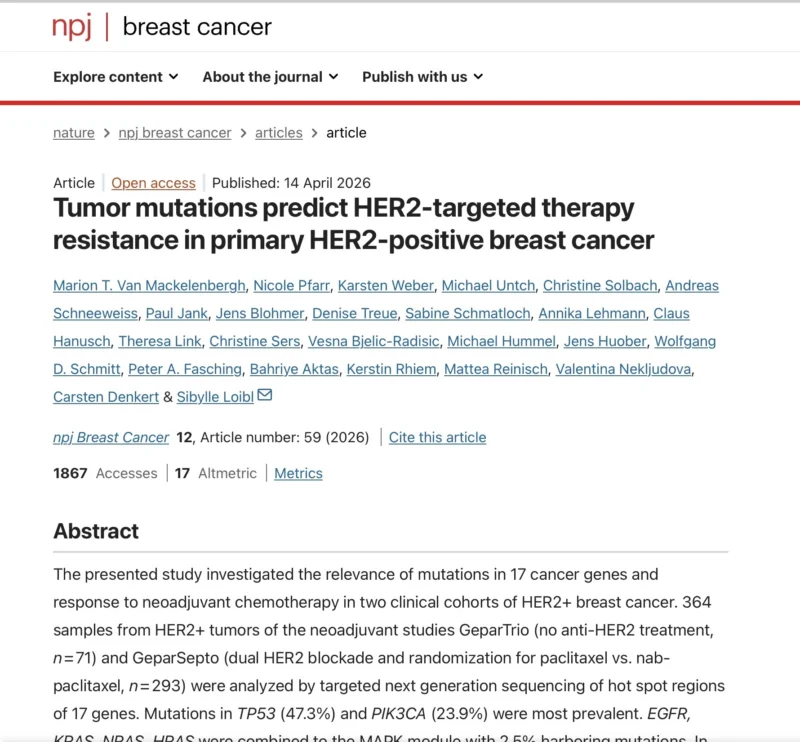
One of the clearest biologic messages in the weekly roundup came from an npj Breast Cancer report examining HER2-positive primary tumors from GeparSepto and GeparTrio. Across 364 tumors, TP53 mutations were found in 47.3% and PIK3CA mutations in 23.9%. The crucial signal was specific: under dual HER2 blockade in GeparSepto, PIK3CA-mutant tumors had a pCR rate of 47.7% versus 66.7% in wild-type tumors, with P = 0.009.
That effect was not seen in GeparTrio, where anti-HER2 therapy was not part of treatment. That distinction matters because it argues against PIK3CA simply being a general chemotherapy resistance marker. Instead, it supports a more direct mechanistic link between PIK3CA mutation and resistance to HER2-targeted therapy, which in turn strengthens the rationale for HER2/PI3K co-targeting strategies. This is the kind of translational signal that can directly influence future trial design.
Multigene Assays Have Matured, But Their Real-World Value Still Depends on Access and Evolution
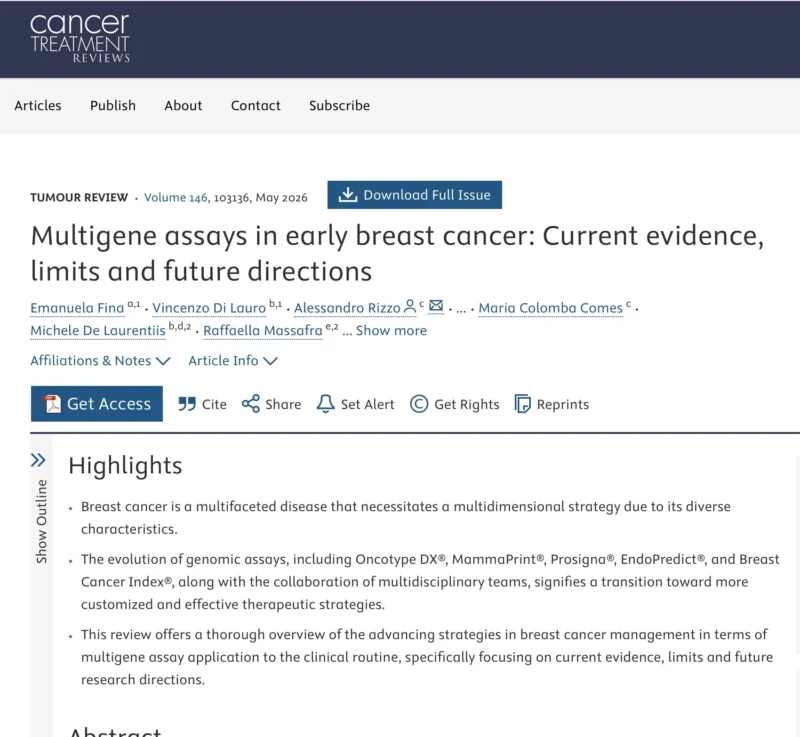
The final update in the Top 10 focused on multigene assays in early breast cancer, reviewing 5 major tests: Oncotype DX, MammaPrint, Prosigna, EndoPredict, and BCI. The broad conclusion is familiar but still important. These assays have substantially improved adjuvant decision-making, particularly in HR-positive/HER2-negative early breast cancer, largely by helping reduce chemotherapy overtreatment.
At the same time, the review highlighted several persistent limitations: cost, access, variable reimbursement, reporting delays, and underrepresentation of diverse ancestries in validation cohorts. The future direction is also clear. Next-generation precision care will likely depend on combining multigene assays with liquid biopsy, artificial intelligence, neoadjuvant decision-making, and dynamic biomarkers such as Ki67 response. In other words, multigene assays remain central, but they are no longer the whole precision story.
The Broader Message From This Week in Breast Oncology
Taken together, these 10 studies show a breast oncology field that is becoming more biologically nuanced and more clinically demanding at the same time. Some of the most important barriers now are no longer lack of efficacy, but treatment burden, cost, access, biomarker interpretation, and how to translate promising biologic signals into real-world care. Whether the topic is abemaciclib uptake, endocrine response, PI3K/AKT-pathway complexity, HER2 resistance, or survivorship decisions in BRCA carriers, the same theme keeps emerging: better treatment must now be matched by better selection and better implementation.
This weekly OncoDaily Breast selection does not point to a single practice-changing paper. It shows something more useful: the real direction of the field. Breast oncology is moving toward more individualized care, but it is doing so through a mix of mature clinical predictors, new pathway biology, and continued friction between evidence and practice. That is exactly why these are the 10 updates not to miss this week.