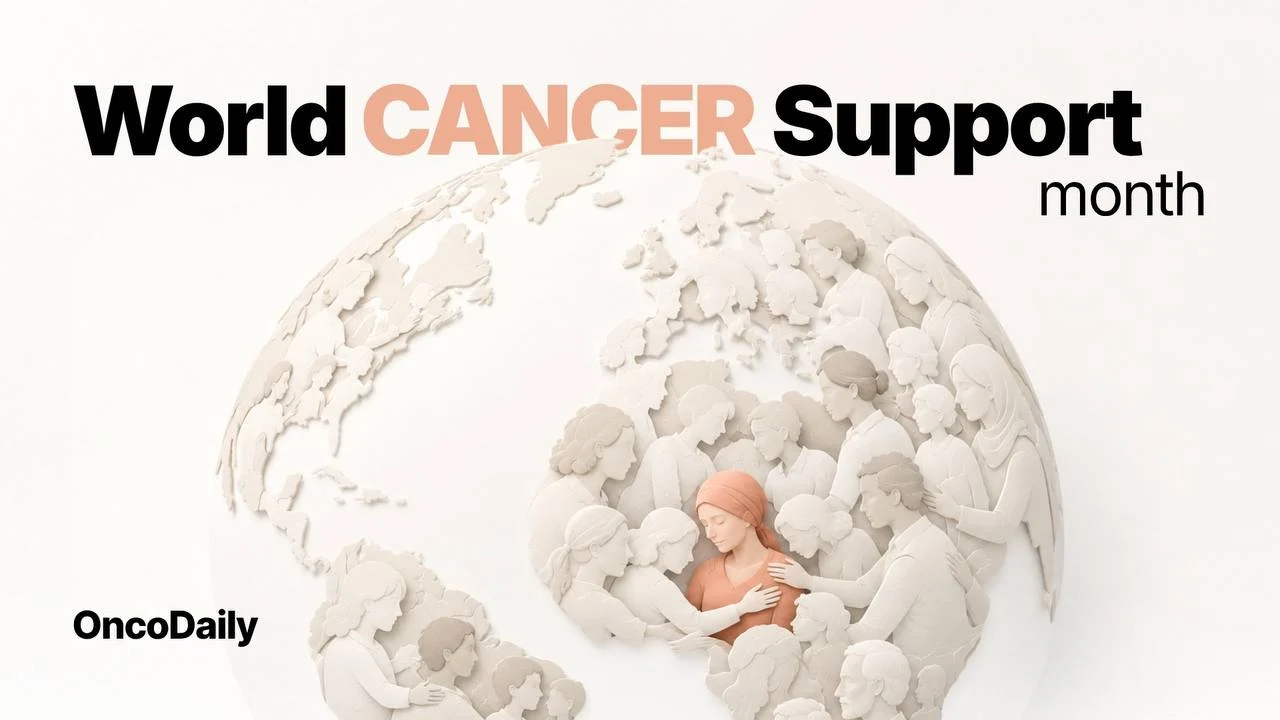
Every August, World Cancer Support Month brings attention to the people living with cancer, their families, caregivers, and the communities standing beside them.
The month is observed to offer hope and solidarity to people around the world affected by cancer and to highlight the importance of working together to overcome the challenges that can come with the disease.
Cancer care does not begin and end with treatment. A diagnosis can influence many parts of a person’s life, including physical health, emotions, family responsibilities, work, finances, and everyday routines. World Cancer Support Month is an opportunity to recognize that people facing cancer may need different forms of support throughout their experience.
Cancer Care Is About More Than Treating the Disease
Medical treatment is central to cancer care, but the experience of living with cancer can extend far beyond appointments, medicines, procedures, and follow-up visits.
Patients and families may find themselves searching for understandable information, trying to learn more about medications, managing financial concerns, or looking for emotional and practical guidance.
Having access to reliable support can help people feel more informed and connected while navigating these challenges.
World Cancer Support Month reinforces a simple but important message: no one affected by cancer should have to navigate every part of the experience alone.
Support Can Take Many Forms
There is no single definition of what cancer support should look like.
For one person, support may mean having access to understandable information about treatment. For another, it may mean finding help with financial concerns. Patients and caregivers may also need resources addressing emotional, physical, and practical challenges.
The type of support a person needs can also change throughout the cancer journey.
What matters is having access to reliable information and organizations that can help patients and their loved ones find the resources most relevant to their situation.
Understanding Cancer Medicines
Cancer treatment can involve unfamiliar drug names and medical terminology. Understanding why a medicine is being used can help patients and families follow conversations about their care more easily.
RxList is one resource that can help people understand drugs used to treat cancer.
Patients should also feel comfortable discussing their medications, questions, and concerns with their cancer care team. Clear information can make complex treatment conversations easier to understand.
When Cancer Creates Financial Pressure
The financial impact of cancer can become another source of concern for patients and families.
The Cancer Financial Assistance Coalition connects patients with organizations that may be able to provide financial relief to people undergoing treatment.
Knowing where to look for assistance can be an important first step for families dealing with the financial challenges that may accompany cancer care.
Finding Support for Patients and Caregivers
Cancer affects not only the person receiving the diagnosis but also the people supporting them.
Caregivers and loved ones may be helping with appointments, treatment information, everyday responsibilities, and emotional support while also managing their own concerns.
OncoLink provides comprehensive information for both patients and caregivers, including resources related to emotional, financial, and physical health following a cancer diagnosis.
The International Cancer Support Community also provides cancer-related resources worldwide, helping people affected by cancer connect with information and support.
Asking for Support Is Part of Cancer Care
People facing cancer do not always know what kind of help is available or where to begin looking for it.
World Cancer Support Month creates an opportunity to start these conversations.
Patients can ask their healthcare team about available resources. Families can explore organizations that provide practical information or financial assistance. Caregivers can also seek information intended specifically for those supporting someone with cancer.
Support does not need to wait until a situation becomes overwhelming. Finding the right information and resources can be part of navigating cancer from the beginning.
Four Resources for Patients and Loved Ones
Several organizations provide information and support for people affected by cancer:
- International Cancer Support Community — provides resources for people affected by cancer worldwide.
- RxList — helps people understand medications used to treat cancer.
- Cancer Financial Assistance Coalition — connects patients with organizations that may be able to provide financial relief during treatment.
- OncoLink — provides comprehensive information for patients and caregivers related to emotional, financial, and physical health following cancer.
This August, Support Matters
World Cancer Support Month is ultimately about people.
It recognizes patients going through treatment, survivors continuing life after cancer, families adapting to change, caregivers providing daily support, and communities helping people navigate difficult moments.
Cancer treatment remains essential, but the person receiving that treatment may also need information, reassurance, practical resources, and people willing to stand beside them.
This August, World Cancer Support Month offers a reminder that addressing cancer requires more than focusing on the disease itself. It also means supporting the people whose lives are affected by it.
Support can begin with something as simple as listening, sharing reliable information, helping someone find a resource, or reminding them that they do not have to face cancer alone.
For more updates and expert insights, visit OncoDaily