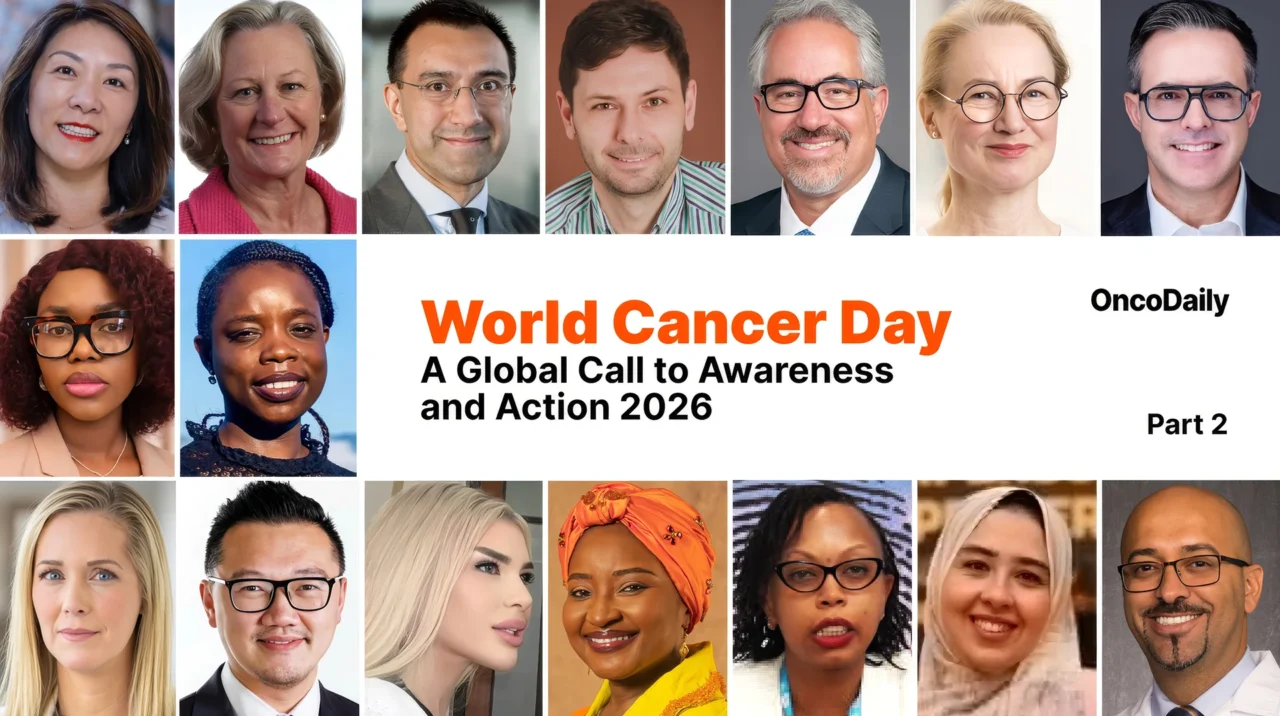
World Cancer Day is observed annually on February 4 and was established in 2000 at the World Summit Against Cancer for the New Millennium in Paris. The initiative was led by the Union for International Cancer Control with a clear purpose: to unite the world in the fight against cancer through awareness, advocacy, and collective action. Since its inception, the day has grown into a truly global movement, bringing together governments, healthcare institutions, researchers, patients, and communities.
Why the World Needs Cancer Awareness
Cancer remains one of the leading causes of morbidity and mortality worldwide, affecting millions of lives every year. World Cancer Day exists to remind the global community that many cancers are preventable and that early detection, timely diagnosis, and equitable access to care can save lives. Beyond statistics, the day highlights the human stories behind the disease and reinforces the need to address disparities in cancer prevention and treatment across regions and populations.
From Awareness to Impact
Each year, World Cancer Day is guided by a unifying theme that emphasizes people-centered care and long-term commitment. The day serves not only as a moment of reflection but also as a catalyst for sustained action—encouraging policy change, supporting research, and amplifying voices from across the oncology landscape. It underscores a shared responsibility: reducing the global cancer burden requires collaboration that extends far beyond a single day.
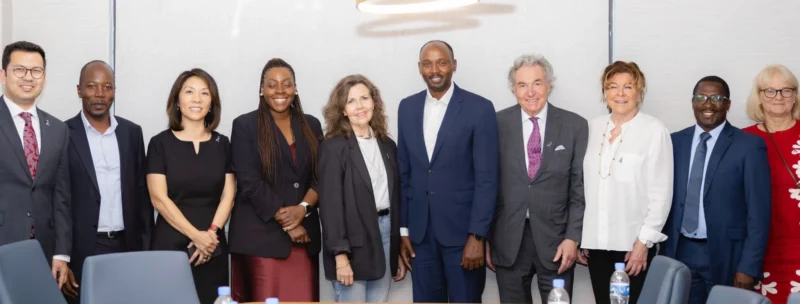
” Today is World Cancer Day, and it also marks four years since the Elekta Foundation was established.
This week, we were honored to welcome Dr. Laurent Leksell, founder of Elekta, along with Cecilia Wikström, our foundation chair, and colleagues who joined us in Rwanda. I’m grateful to have a Board so committed to serving the women who need it most.
We participated in Rwanda’s National Cancer Symposium, where leaders and partners renewed their commitment to Mission2027, with a shared ambition to meet the global cervical cancer elimination targets three years ahead of the World Health Organization timeline.
We also had the opportunity to meet with Dr. Sabin Nsanzimana, Minister of Health, to reflect on progress in women’s cancer prevention and Rwanda’s continued commitment to strengthening comprehensive cancer care.
Thank you to the hashtag#Swedish Embassy for hosting a reception for our 4th anniversary and for being such a strong home base for our foundation.
On World Cancer Day, I’m thinking of the women whose lives are changed when cancer is prevented, not treated. The world truly is better when women are healthier.”
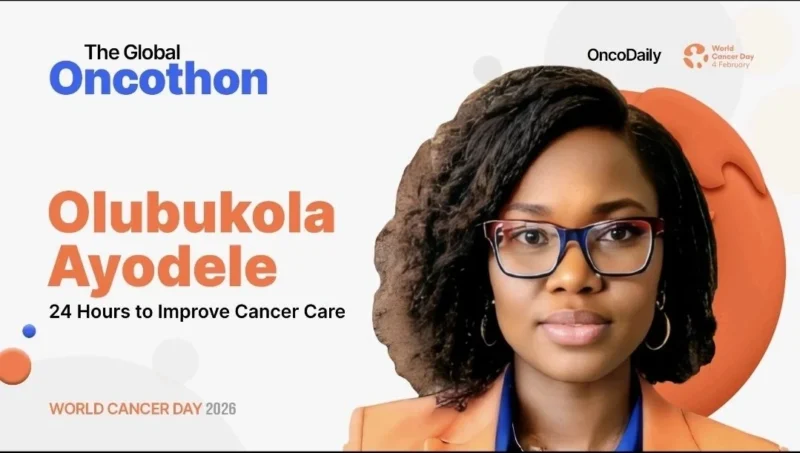
“Today is World Cancer Day 2026. The theme United by Unique feels especially relevant to my work and to global cancer control.
I had the pleasure of speaking at the OncoDaily Global OncoThon in conjunction with Union for International Cancer Control (UICC) on cancer registeries and data systems.
As a breast oncologist who has worked across low-, middle-, and high-income health systems, one lesson is constant: you cannot improve cancer outcomes without good data.
Cancer registries and data systems are not technical back-office tools. They determine who is seen, who is prioritised, and who ultimately benefits from cancer care. When communities are missing or poorly represented in data, they are often missing from funding decisions, research, and solutions.
We are united by a shared goal to reduce the global cancer burden. But people experience cancer very differently which is often shaped by biology, geography, culture, socioeconomic status, and access to care. If our data only captures averages, it hides inequity.
And what we do not see, we rarely fix.
In breast cancer, I see this play out clearly. Some populations appear to have “lower incidence” on paper, yet present with more advanced disease at later stages. That is not lower risk. That is under-detection and invisibility within our data systems.
Governments and global partners play a critical role here. Investing in cancer registries is not just about software or reporting. It is about:
* Sustainable, locally led data systems
* Meaningful capture of population diversity
* Skilled workforce and ethical data governance
* Using data to drive action, not just documentation
High-income countries are often not exempt. We collect vast amounts of data but fail to link it to accountability or tangible change, particularly for marginalised communities. Data without action risks eroding trust.
Being United by Unique means recognising diversity at scale and responding to it deliberately. Inclusive cancer data systems allow unity in action, directing resources where need is greatest and measuring impact honestly.
On World Cancer Day, my call is simple: count everyone, count them properly, and act on what the data tells us. That is how data becomes a tool for equity rather than exclusion.”
“The path to optimal cancer care is a shared one. For hashtag#WorldCancerDay, I was honored to write an article reflecting on the critical importance of trust, engagement, and empowerment in the patient journey. I firmly believe that by focusing on trusted knowledge and engaging in shared decision-making, you become an active member of your care team — and that’s the most powerful step you can take! hashtag#UnitedByUnique
Read in USA Today: https://lnkd.in/d4yZxw4J
Also available here: https://lnkd.in/dYTb29NT ”
“I’m so excited to celebrate the expansion of the JCO Global Oncology leadership team on WorldCancerDay! After several years as an Associate Editor for JCO Global Oncology, Dr. Fabio Ynoe de Moraes of Queen’s University will step into the role as the inaugural Deputy Editor for JCO Global Oncology. Dr. Moraes brings expertise in artificial intelligence, radiation oncology, and health systems innovation, along with endless enthusiasm! He will continue to champion equitable research and authorship in global oncology. This moment reflects the tremendous growth and increasing impact of the journal.
Thank you to the Search Committee for a superb selection and to JCO Journals and American Society of Clinical Oncology (ASCO) for supporting this new role! I look forward to what lies ahead!”
“World Cancer Day is always a powerful reminder of who we’re fighting for—and why we can’t let up. We’re pushing toward 8 cancer breakthroughs by 2030, but our responsibility to patients isn’t only about the future. It’s also about the choices we can help people make today.
One of the most powerful tools we have is early detection. Yet 64 million Americans are overdue for routine cancer screenings. Not because they don’t care. Often, they don’t know where to start.
That’s why our new campaign focuses on removing those barriers and meeting people where they already are, so taking the first step feels easier.
At PfizerForAll, you can quickly see what you may be eligible for and book an appointment for screening in minutes.
While we chase tomorrow’s breakthroughs, what people do today matters. It matters to families. It matters to outcomes. It matters to the fight.
I hope you’ll take a moment to check your eligibility and encourage others to do the same at https://lnkd.in/eNqqRmcW.”
“Equity of access to high-quality cancer care is a right, not a privilege hashtag#WorldCancerDay
Let’s commit to reducing disparities, so every patient can benefit from timely diagnosis, evidence-based treatment, and support ”
“Cancer turns lives upside down, but with action, awareness, and care, we can flip it right back and give hope to those affected.”
A cancer diagnosis is often described as the moment the world turns upside down. I’ve been reflecting on new data released for WorldCancerDay that challenges this inevitability.
Did you know that 37% of all new cancer cases (roughly 7.1 million per year) are linked to preventable causes? These aren’t just numbers; they are a blueprint for action. We have the tools to ensure that, for millions of people, their world never has to be turned upside down.
The “Big Three” of Prevention
Nearly half of all preventable cancer cases globally come from just three types: Lung, Stomach, and Cervical cancer. Cervical cancer, in particular, is our proof of concept. With the right “toolkit”: HPV vaccination, HPV screening test (high-performance test), and timely treatment, it is one of the only cancers we can realistically eliminate.
A Global Divide
The data also highlights a stark reality: the burden of preventable cancer is a mirror of our health systems.
In Sub-Saharan Africa, preventable cancers account for 38% of cases in women.
In East Asia, they account for a staggering 57% in men.
These differences aren’t biological; they are systemic. They reflect gaps in national prevention policies, diagnostic capacity, and equitable access to care.
Turning Impact “Right Side Up”
Under this year’s theme, #UnitedByUnique, we are reminded that while every journey is personal, our goal is collective. We turn cancer “right side up” when we move:
From Awareness to Impact.
From Late Diagnosis to Early Detection.
From Financial Burden to Systemic Support.
How do we take the success of cervical cancer elimination and scale it to the Breast, Lung, Colorectal, Prostate, Stomach cancers, and beyond? How do we ensure that progress in one place informs the standard of care in another?
Let’s flip the narrative.”
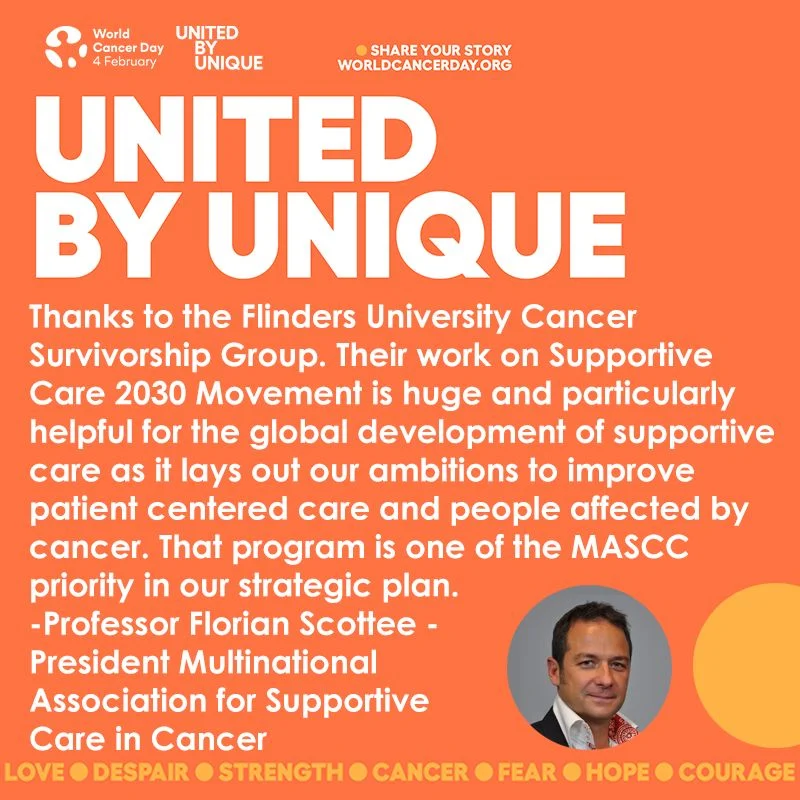
“Supportive Care Makes Excellent Cancer Care Possible
The Flinders Cancer Survivorship Group takes on global leadership to support the amazing work of the The Multinational Association of Supportive Care in Cancer (MASCC) – developing and working towards our shared ambitions for 2030 and beyond.”
“United by Unique” is the World Cancer Day theme for 2025–2027. This year, the focus is on placing people at the centre of care, with their stories forming the foundation of every conversation.
The aim is clear: to make a tangible difference in ways that truly matter!
Each cancer journey is unique, yet our efforts are united!
Every emotion is unique, yet the community is united!
Cancer itself is unique, but healthcare providers are united in purpose, desire, and challenges!
We are advancing rapidly in a world of digitalization and automation, but in this drive toward efficiency, we risk overlooking the feelings that define our humanity—fear, hope, tears, and love!”
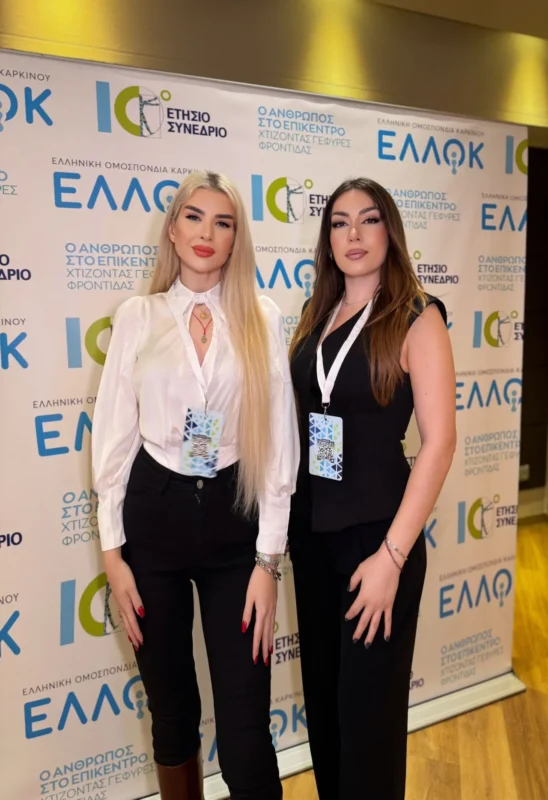
“World Cancer Day
Attending the Annual Conference of the Hellenic Cancer Federation, a truly multidisciplinary meeting bringing together professionals from across oncology and related specialties.
Through roundtable discussions and shared dialogue, the conference highlighted the importance of coordinated, patient-centered approaches and collaboration across the entire cancer care pathway.”
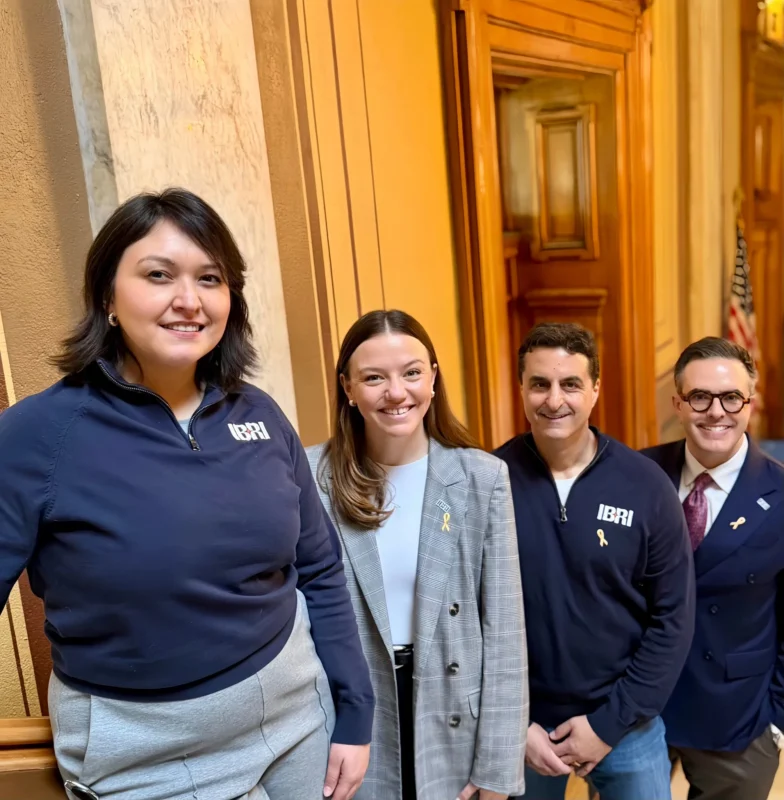
“World Cancer Day at the Indiana Statehouse, gathered beneath the stained-glass interior dome, to celebrate a major win. HB 1453, the Pediatric Cancer Research Bill, is now law!”
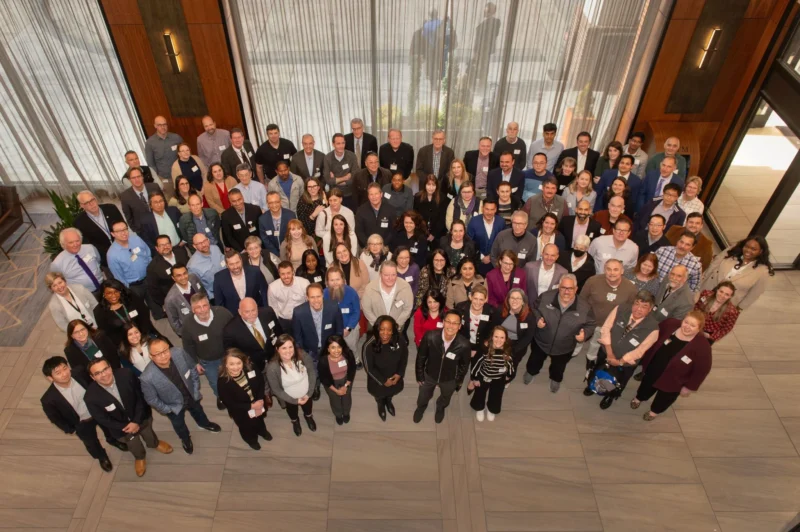
“On the World Cancer Day the Advocate Health Cancer National SVC Line celebrates that in 2026 70% of those who face cancer will be cured! We are committed to curing cancer, decreasing the burden of cancer in the communities we serve, and providing care as we would want our own loved ones to experience. ”
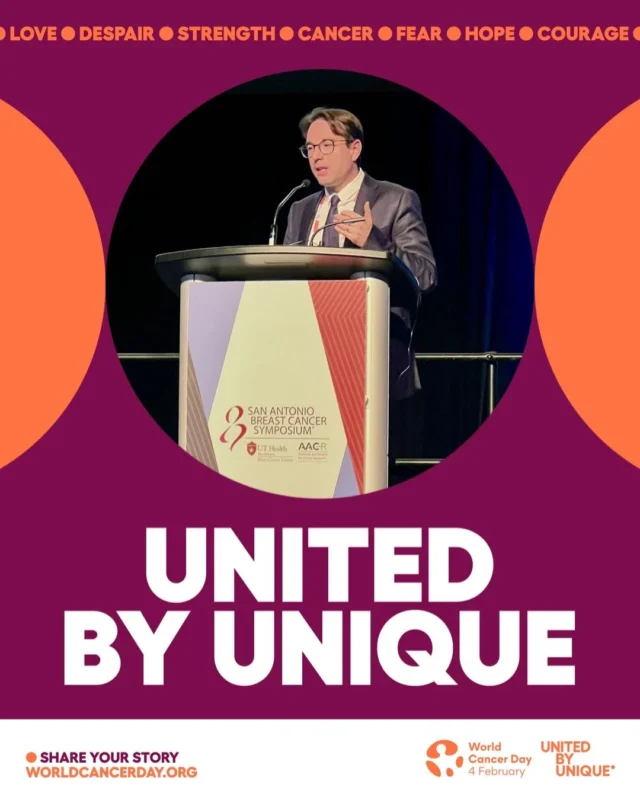
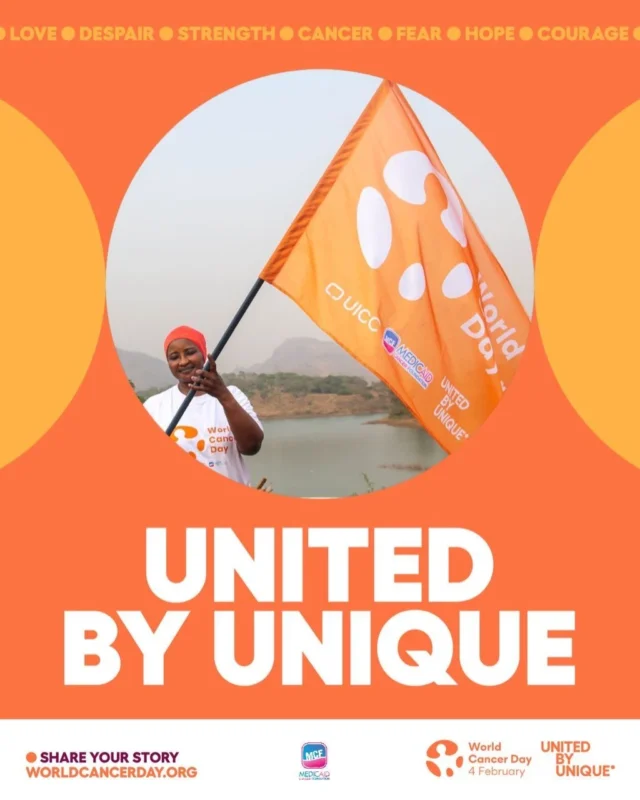
“Honoured to share the voice of Latin America for World Cancer Day.
United By Unique, united in action. Thank you, Union for International Cancer Control (UICC), and to all our member organisations across the region.”
“World Cancer Day | From the frontlines of cancer research and care
Cancer does not respect socioeconomic status, income, politics, or borders, but access to innovation still does.
As an oncologist, I spend countless days thinking about biology, treatment strategies, clinical evidence, trial designs and outcomes. But on World Cancer Day, it’s worth zooming out and naming the harder truth:
scientific breakthroughs only matter if they reach all patients who need them most.
Today, we live in a paradox.
We are advancing immunotherapies, ADCs, cell therapies, and precision medicine at an unprecedented pace, yet outcomes still depend heavily on where a patient lives, the system they’re treated in, and whether research ever included people like them.
Progress in oncology is not just about what we discover, but how we develop, who we include, and where we deliver.
That means:
• Designing patient centric clinical trials that reflect real-world populations, not idealized ones
• Building local and global research partnerships, not siloed innovation
• Treating equity, access, and implementation as scientific problems not afterthoughts
On World Cancer Day, I’m reminded that our responsibility goes beyond treatments and protocols. It’s about translating science into survival, dignity, and equity everywhere.
Because cancer is global.
And so must be our ambition to defeat it.
“It’s World Cancer Day & a fabulous day to donate to global cancer research.
Conquer Cancer, the ASCO Foundation, has invested in researchers representing 96 countries, and they are doing incredible things.
See how Dr. Mungo’s work in Kenya could have a broad impact on women across the world with HPV/precancer/cervical cancer – the fourth leading cause of cancer death for women.
“Hong Kong Anti-Cancer Society (HKACS) thanks for supporting our call tonight … Supporting next generation of oncologists on World Cancer Day is the most powerful way to turn today’s commitment into tomorrow’s cures.”
Caroline Tonio:
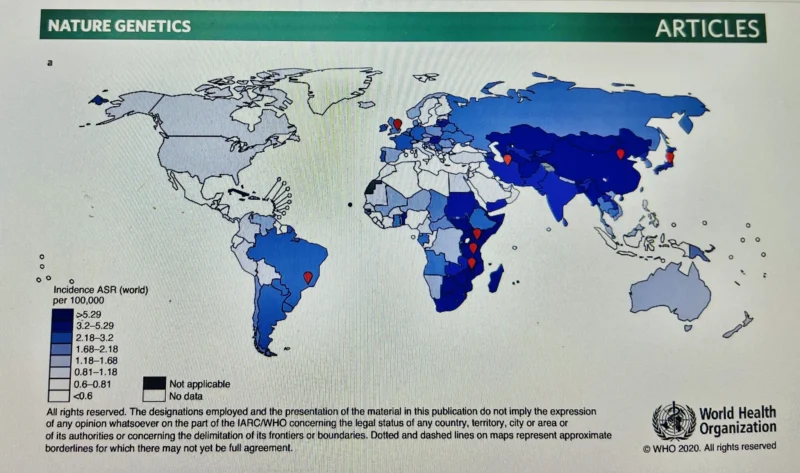
“This map should make us uncomfortable.
The darker regions show where esophageal squamous cell carcinoma (ESCC) is most common. Right there in that high-incidence corridor, sits Kenya, part of the so-called esophageal cancer belt.
This year’s World Cancer Day theme is United by Unique, every cancer journey is different, but we share a responsibility to change outcomes.
A major international genomic study of 552 ESCC tumours across eight countries showed something striking:
https://lnkd.in/eGgAKuxb
Tumours had remarkably similar mutational patterns
No single external exposure explained why regions like East Africa carry such a high burden
APOBEC mutational signatures were present in up to 91% of cases
So while populations are unique, the biology of ESCC is consistently aggressive.
And here’s the hard truth:
▪ ESCC is usually diagnosed late
▪ Survival outcomes are poor
▪ There is no established screening programme
▪ Esophageal cancer is steadily rising among the leading causes of cancer death in Kenya
In Kenya and across the esophageal belt, this is not a rare cancer, it’s a major, under-recognised killer.
If we are truly United by Unique, global cancer equity must include diseases that disproportionately affect specific regions.
We’ve made progress in genomics and treatment. But for ESCC, the biggest survival gains will likely come from earlier detection, not just better drugs.
We urgently need:
• Risk-based screening strategies
• Non-invasive early detection tools
• Biomarker research
• Greater awareness in high-burden regions
This World Cancer Day, let’s not only ask how we treat cancer better, but why we are still finding some of the deadliest cancers so late.”
” On World Cancer Day, we are reminded of both the extraordinary progress in cancer research and care, and the inequalities that still persist, also here in Europe. Across the European region, survival rates are improving and prevention efforts are growing stronger. Yet access to early detection, treatment and essential services still varies greatly within and between countries. Europe’s Beating Cancer Plan is strong and has high ambitions. But real change depends on whether we turn these commitments into action, with sustained investment and political will. Moving from ambition to implementation is key. Thank you to EU Perspectives for the conversation. Read the full article here: Vaccination can eliminate cervical cancer, World Cancer Day president says – EU Perspectives.”
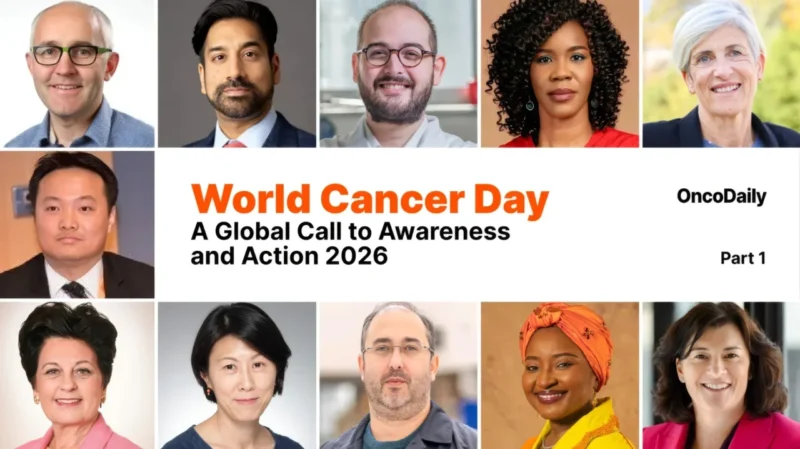
World Cancer Day: A Global Call to Awareness and Action 2026, Part 1
Written by Nare Hovhannisyan, MD