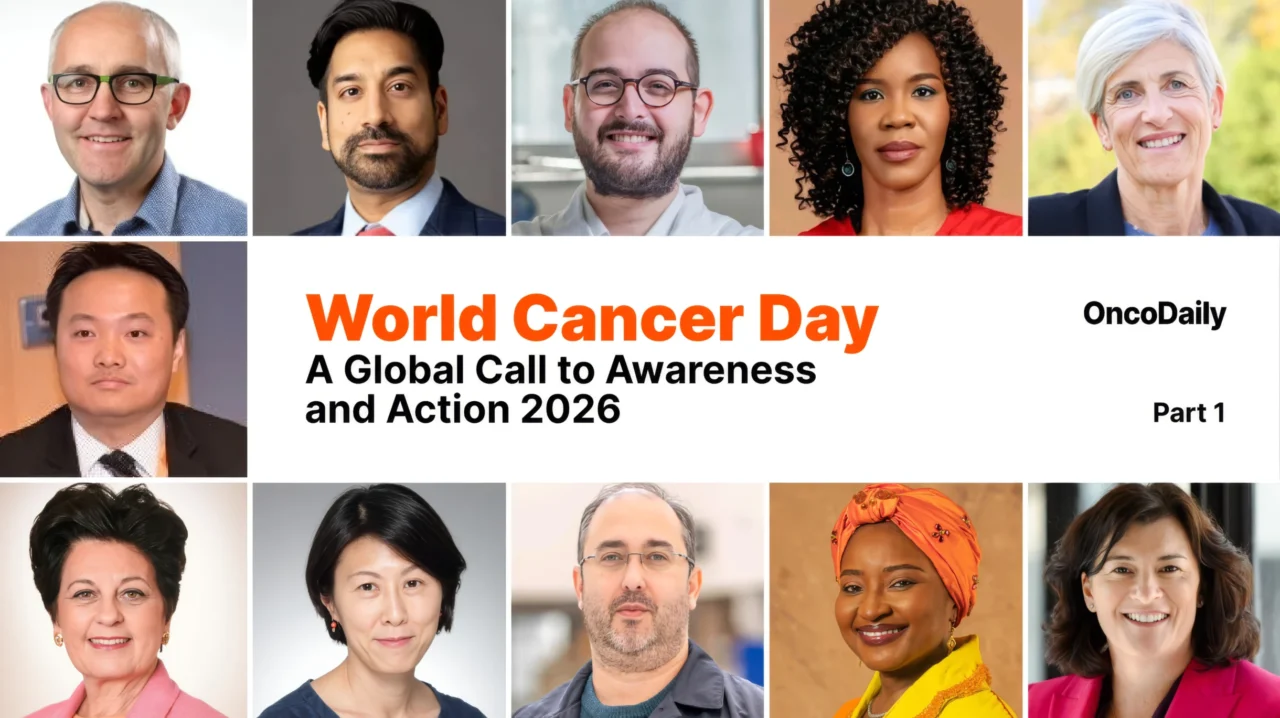
World Cancer Day is observed annually on February 4 and was established in 2000 at the World Summit Against Cancer for the New Millennium in Paris. The initiative was led by the Union for International Cancer Control with a clear purpose: to unite the world in the fight against cancer through awareness, advocacy, and collective action. Since its inception, the day has grown into a truly global movement, bringing together governments, healthcare institutions, researchers, patients, and communities.
Why the World Needs Cancer Awareness
Cancer remains one of the leading causes of morbidity and mortality worldwide, affecting millions of lives every year. World Cancer Day exists to remind the global community that many cancers are preventable and that early detection, timely diagnosis, and equitable access to care can save lives. Beyond statistics, the day highlights the human stories behind the disease and reinforces the need to address disparities in cancer prevention and treatment across regions and populations.
From Awareness to Impact
Each year, World Cancer Day is guided by a unifying theme that emphasizes people-centered care and long-term commitment. The day serves not only as a moment of reflection but also as a catalyst for sustained action—encouraging policy change, supporting research, and amplifying voices from across the oncology landscape. It underscores a shared responsibility: reducing the global cancer burden requires collaboration that extends far beyond a single day.
“As we approach World Cancer Day, I reflect on the significance of the day as a collective cry for help. Too many of us and our loved ones still don’t have access to the treatments we need. Too many of our friends continue to suffer unnecessarily and die prematurely.
The cancer divide between “haves” and “have nots” is getting wider and so many with the power to help seem distracted and disinterested in the need for change. Earlier this week, I received an email from the husband of a lady who needs a stem cell transplant. The husband was offering to sell his kidney to pay for treatment. I challenge anyone to say this is acceptable.
In this harsh environment, patient support groups are lifelines and patient leaders are heroes. They unite people who might never have met otherwise, creating spaces where experiences are shared and hope is renewed. They raise the voice of the forgotten and speak truth to power.
I’ve known Silvia, the founder and leader of the patient organization ASOPALEU in Guatemala, for many years, and I’m proud to call her a dear friend. As one of the longest-living people with chronic myeloid leukemia in the region, she is a true veteran. Last October, I had the honor of hearing her powerful story firsthand. She told me that one of their organization’s pillars is the social component:
“Whoever comes along gets help. They often come to us for guidance. How to navigate the healthcare system…And when a patient relapses or is in the terminal stages, we try to focus our support on their family, because sometimes it’s the head of the household, the father, or a single mother.”
Her words capture the essence of this year’s World Cancer Day’s theme: United By Unique. At ASOPALEU, young parents, retirees, students, and professionals sit side by side, offering encouragement and practical advice.
Watch our conversation in the video below to hear Silvia’s perspective on how patient support groups work in tandem with access to medicine through programs like The Max Foundation facilitate to ensure no one faces cancer alone.
Then I’d love to hear from you! How has connection helped you face a difficult situation or diagnosis? Share your story in the comments so we can celebrate the power of unity together.”
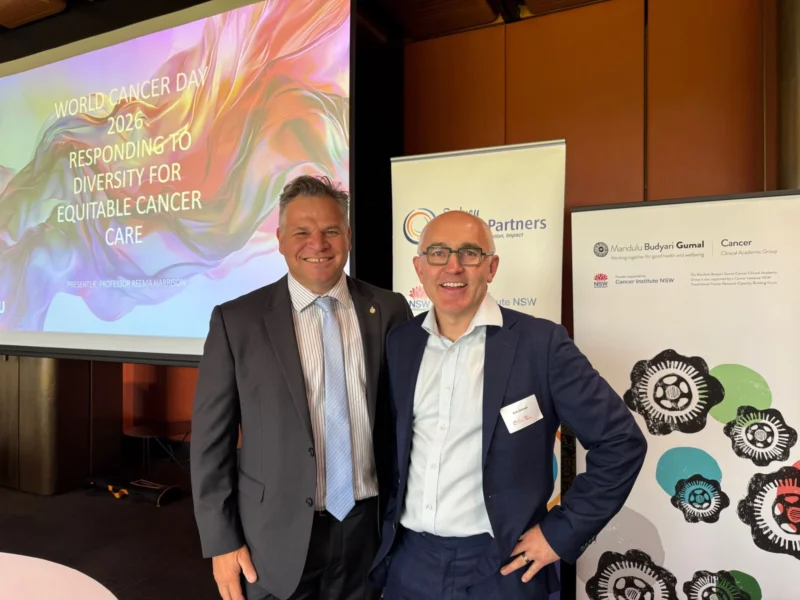
“Feb 4th is World Cancer Day , and today at NSW Parliament House I spoke about how status quo bias and loss aversion have kept clinical research anchored to site‑centric models, disproportionately located in cities. This is despite decades of data showing that where a patient lives is one of the strongest predictors of whether they will access a clinical trial.
I began by sharing an uncomfortable truth. That every week, oncologists see patients who are technically eligible for a clinical trial — but never hear about it. Not because clinicians don’t care. Not because trials don’t exist. But because our system is built to make patients chase trials, instead of trials finding them.
In NSW, patients in regional and rural areas can be up to 5–7 times less likely to participate compared with their metro cousins, not because of eligibility, but because the system was never designed around them and for them. COVID‑19 made this inequity impossible to ignore: recruitment in many cancer trials fell dramatically, exposing how deeply inertia — not innovation — had been shaping our operational decisions.
The OMICO comprehensive genomic screening initiative and the Australasian Tele-Trial have shaken the system and enabled the creation of the next iteration of Decentralised Clinical Trials – the Rapid Activation Decentralised – Teletrial Model (RAD-TM).
I also shared that in helping build the RAD-TM model, I’ve seen that when we stop protecting old processes and start prioritising patients; speed, equity, and scientific discipline can coexist and even thrive.
The opportunity now is simple: lead the next era of cancer research with intention, or wait for the next crisis to force the change we already know is overdue.”
Union for International Cancer Control (UICC):
“Today is World Cancer Day! Celebrating the strength, stories, and lives of people living with cancer.
When we listen to the lived experiences of people affected by cancer, we gain new understanding and new ways to make care more compassionate.”
“Today, on World Cancer Day, I’m proud to share that the Cancer Institute NSW has officially launched the state’s first Aboriginal Cancer Strategy: Caring for Kin & Country.
This is a roadmap for change, guided by community wisdom. It was developed through Aboriginal leadership, and partnership with the AH&MRC of NSW and shaped by Aboriginal voices, lived experiences and cultural knowledge. The strategy is clear about what meaningful progress looks like: listen first, share power and act together, with culture included at every step of the journey.
This strategy aligns directly with the NSW Aboriginal Health Plan 2024–2034 and the NSW Aboriginal Health Governance, Shared Decision Making and Accountability Framework, through a shared commitment to honouring Aboriginal culture, supporting self-determination, embedding culture safety and holding the NSW health system accountable to improving health outcomes.
Importantly, this is backed by practical action. To help support the Strategy’s focus on delivering culturally safe cancer care, David Harris, Minister for Aboriginal Affairs and Medical Research, today announced a commitment of $12 million to expand Aboriginal Cancer Care Coordinator roles across a range of hospitals and Aboriginal Medical Services. When cancer hits, everything moves fast: appointments, tests, decisions and a flood of information. Care coordinators are the person by your side, helping patients and families make sense of it and access care in ways that respect culture, family and communities.
This Strategy has been a huge undertaking. I’d like to acknowledge and thank Anthony Carter for his leadership and the Institute’s broader Aboriginal Strategy and Engagement Team for their extraordinary efforts and the Centre for Aboriginal Health NSW Health led by the brilliant Geri Wilson-Matenga. The wisdom and support of Professor Nicole Turner and her team at AH&MRC has been second to none. I also acknowledge the support of Minister David Harris, Minister Ryan Park, and NSW Health Secretary Susan Pearce, whose strategic leadership and deep commitment to partnership continues to strengthen the health system for Aboriginal people across NSW.
Addressing the disparity in Aboriginal cancer outcomes in NSW requires sustained, culturally safe action. I encourage all of us working in cancer across health services, research, government and NGOs to consider the role we can play. Access the strategy and find out more about Aboriginal Cancer Care Coordinators: https://lnkd.in/g7NymnFT ”
“Honored to be back on NBC News Daily this coming Wednesday, February 4, in recognition of hashtag#WorldCancerDay.
I will be joining the program for two live segments from 30 Rock in New York City, airing nationally on both broadcast television and streaming.
12:45 pm ET with Morgan Radford and Vicky Nguyen
2:45 pm ET with Kate Snow and Zinhle Essamuah
Both conversations will focus on the latest updates in cancer care and, just as importantly, the real reasons for hope we are seeing across prevention, treatment, and survivorship.
I’m grateful for the continued opportunity to return to NBC News Daily and help bring evidence-based, patient-centered cancer information to a broad national audience, especially on a day meant to raise global awareness and momentum.
I’ll share the clips here in the coming days for those who aren’t able to watch live.
Watch live on NBC News Daily: https://lnkd.in/eWNhhGKe ”
“Today, the world stands together.
On World Cancer Day, SPCC (Sharing Progress in Cancer Care) stands with patients, professionals, and communities worldwide to close the care gap.
Our mission is clear: to ensure that high-standard education and life-saving innovation reach every professional, everywhere—because equity in cancer care cannot depend on where you live.”
“It’s World Cancer Day! Grateful to be able to recognize the dedicated and phenomenal team of oncology nurses and alliedhealthprofessionals that I work with! Thanks everyone for improving outcomes for our patients. ”
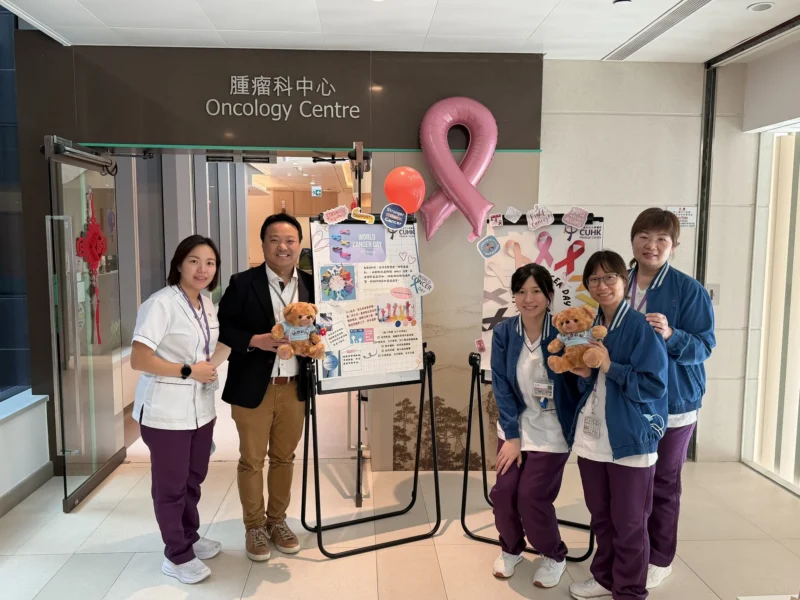
“On this World Cancer Day 2026, I am pleased to share the exciting news that the HKU Jockey Club Institute of Cancer Care has launched a three‑year initiative, The Cancer Survivorship Project, with a total funding of HK$88.95 million from The Hong Kong Jockey Club Charities Trust. This project aims to implement a community‑based cancer survivorship care model in collaboration with local NGOs to address service gaps across Hong Kong. It also seeks to cultivate champions equipped to deliver community‑based survivorship care through both professional and non‑professional capacity‑building programmes. Our project echoes the UICC message: “Change is possible when we act together.”
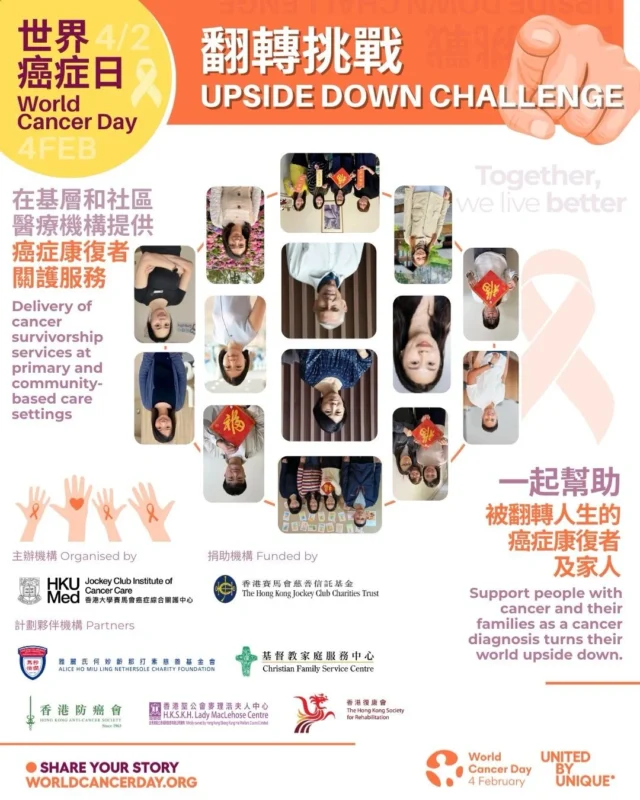
“𝐓𝐨𝐝𝐚𝐲 𝐢𝐬 𝐖𝐨𝐫𝐥𝐝 𝐂𝐚𝐧𝐜𝐞𝐫 𝐃𝐚𝐲, 𝐚𝐧𝐝 𝐭𝐡𝐞 𝐭𝐡𝐞𝐦𝐞 “𝐔𝐧𝐢𝐭𝐞𝐝 𝐛𝐲 𝐔𝐧𝐢𝐪𝐮𝐞” 𝐜𝐨𝐮𝐥𝐝𝐧’𝐭 𝐛𝐞 𝐦𝐨𝐫𝐞 𝐫𝐞𝐥𝐞𝐯𝐚𝐧𝐭 𝐭𝐨 𝐭𝐡𝐞 𝐰𝐨𝐫𝐤 𝐰𝐞 𝐝𝐨.
As a cancer surgeon and health systems researcher, I see this every week: patients being diagnosed late because the pathway to care is fragmented, expensive, and difficult to navigate.
“Access” in cancercare is not just whether services exist, but whether patients can actually reach them.
Access is a continuum:
awareness → early detection → accurate diagnosis → timely referral → affordable treatment → long-term follow-up.
Weakness at any point undoes progress everywhere else.
The barriers we talk about:
• Limited infrastructure
• Shortages of trained oncology professionals
• Inadequate diagnostics
The barriers we miss:
• Time poverty (choosing between seeking care and maintaining employment)
• Indirect costs (travel, accommodation, lost wages)
• Income determining when and whether patients seek care
• Geography as one of the strongest predictors of outcome
A technically available service is not truly accessible if it requires resources patients don’t have.
If we’re serious about changing the status quo, three priorities stand out:
1/ Design cancer care around people, not facilities Integrate services into primary care. Ensure continuity from detection to survivorship.
2/ Invest in health systems, not just technologies Workforce development. Diagnostics. Referral pathways. Data systems that measure inequities instead of ignoring them.
3/ Protect patients from financial catastrophe Reduce out-of-pocket costs. Expand effective coverage. Push toward universal health coverage.
We are united by the shared challenge of cancer. But our patients are unique in their circumstances, risks, and needs.
Equity will not come from one-size-fits-all solutions, but from systems that recognize difference, anticipate barriers, and respond with dignity.
→ On this World Cancer Day, let’s commit not only to fighting cancer, but to building cancer care that truly meets people where they are.
Q: What’s the one barrier to cancer care in your context that often goes unspoken? ”
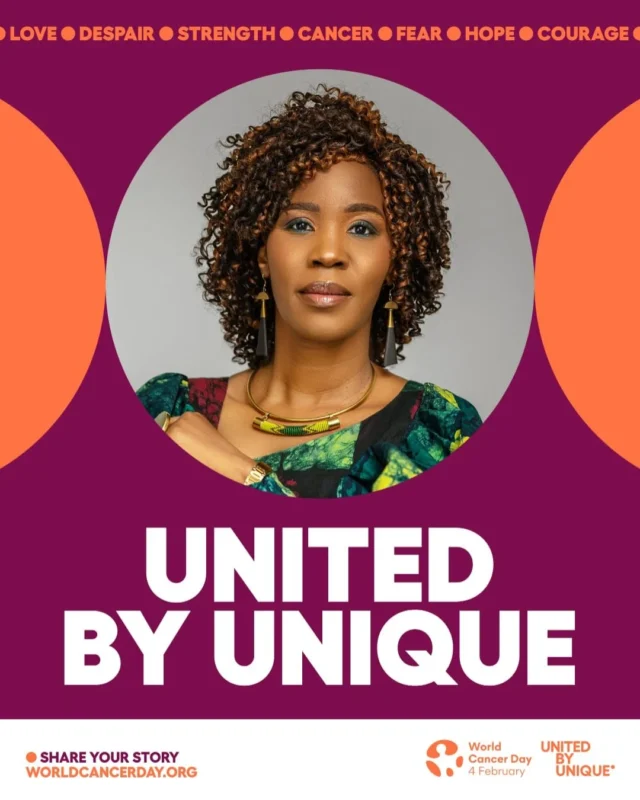
“Today, on World Cancer Day, we are invited to stop and remember that cancer is always more than a diagnosis. It is a deeply human experience, which touches people, families and communities in a unique way.
This year’s campaign reinforces precisely this idea: each story is unique and care only makes sense when it puts the person at the center.
It is in this context that I share a personal text that I recently wrote for The ASCO Post, and which I leave attached. In it I describe one of the most difficult experiences of my professional and personal life: communicating a cancer diagnosis not to a patient, but to someone in my own family.
This experience has definitely changed the way I face each consultation. It made me realize, more clearly, that it is not always the right words or the perfect plans that stick the most. Often, it is presence. Listening. The ability to stay, even when there are no certainties.
This reflection seems to me to be particularly important. Because talking about cancer is also talking about vulnerability, empathy and the need for more humane health systems, where care is not limited to technique.
If this text echoes colleagues, health professionals or caregivers, I hope it can serve as an invitation to reflection. Every match counts. Every story matters. And it is in this singularity that care gains true meaning.”
“The president of AIOMFondazione prof. Francesco Perrone on the main 5 risk factors for cancer x 5 Public Health Actions at the launch of the WCD2026
5 X 5 is the equation of cancer prevention!
The commitment to AIOM and Fondazione translates into the demand for regulatory and social impact actions, including legislative improvements to the impact of the fumodisigaretta on health.
50MILA, the signatures that need to be collected to translate the ideality of data and the scientific notion into impact for public health, for everyone.
The campaign is open – with the ambitious goal of impacting public health, resulting in an estimated 37% reduction in smokers, and 800MILIONI in revenue contributing to public health, prevention and treatment + for research on chronic diseases.
A bill that looks to a sustainable and fair future and with a total systemic impact.
Electronic Cigarettes, heated tobacco & Vaping NOT EXCLUDED!
https://lnkd.in/dRk7PG3G ”
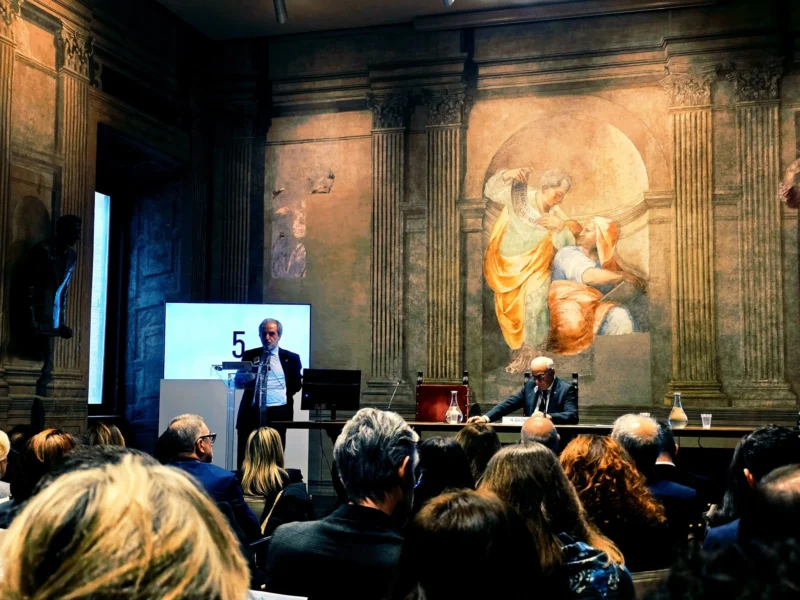
“We have welcomed the opportunity to collaborate with Microsoft for Nonprofits to provide better services for people affected by cancer.
Providing accessible, relevant and contextually appropriate information is vital for the supportive care of people with cancer and their loved ones.
Congratulations to Children’s Cancer Institute, Cancer Council NSW and Pancare Foundation for their innovative work.”
“World Cancer Day is a reminder that surviving cancer is not the end of the story, and that rights, dignity, and equal opportunity must continue after treatment.
At a time when fundamental rights are being challenged across the globe, protecting cancer survivors from financial discrimination must remain a priority.
Where we stand today:
Across the EU, the Right to Be Forgotten (RTBF) is gaining ground; more countries have introduced binding protections, others are progressing toward legislation, and alternative frameworks are evolving where laws are not yet in place.
Importantly, around 60% of the EU population is already covered by some form of binding RTBF protection (with nine Member States already having a legal framework in place), and momentum is growing in key countries such as Germany, hashtag#Poland, Ireland and Malta.
Today, on this World Cancer Day, let’s ensure survivorship truly means a second chance, free from financial penalties for a past diagnosis.
Cancer may be part of someone’s past. Discrimination should not be part of their future.”
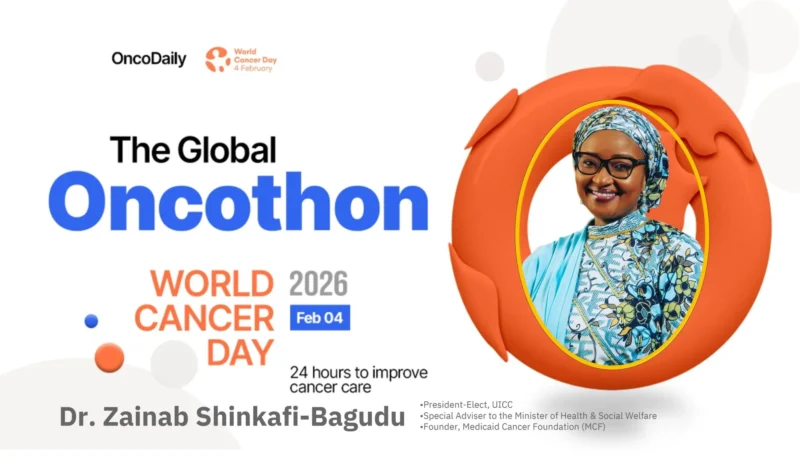
“This World Cancer Day, I’m joining global experts and advocates at Global OncoThon 2026 to highlight the urgent need for equity in Cancer Care and amplify the voices of communities too often left behind.
You can join the conversation live now on OncoDaily TV: https://t.co/bTIAbVIOXX
The fight against cancer requires action, awareness, and accountability.”