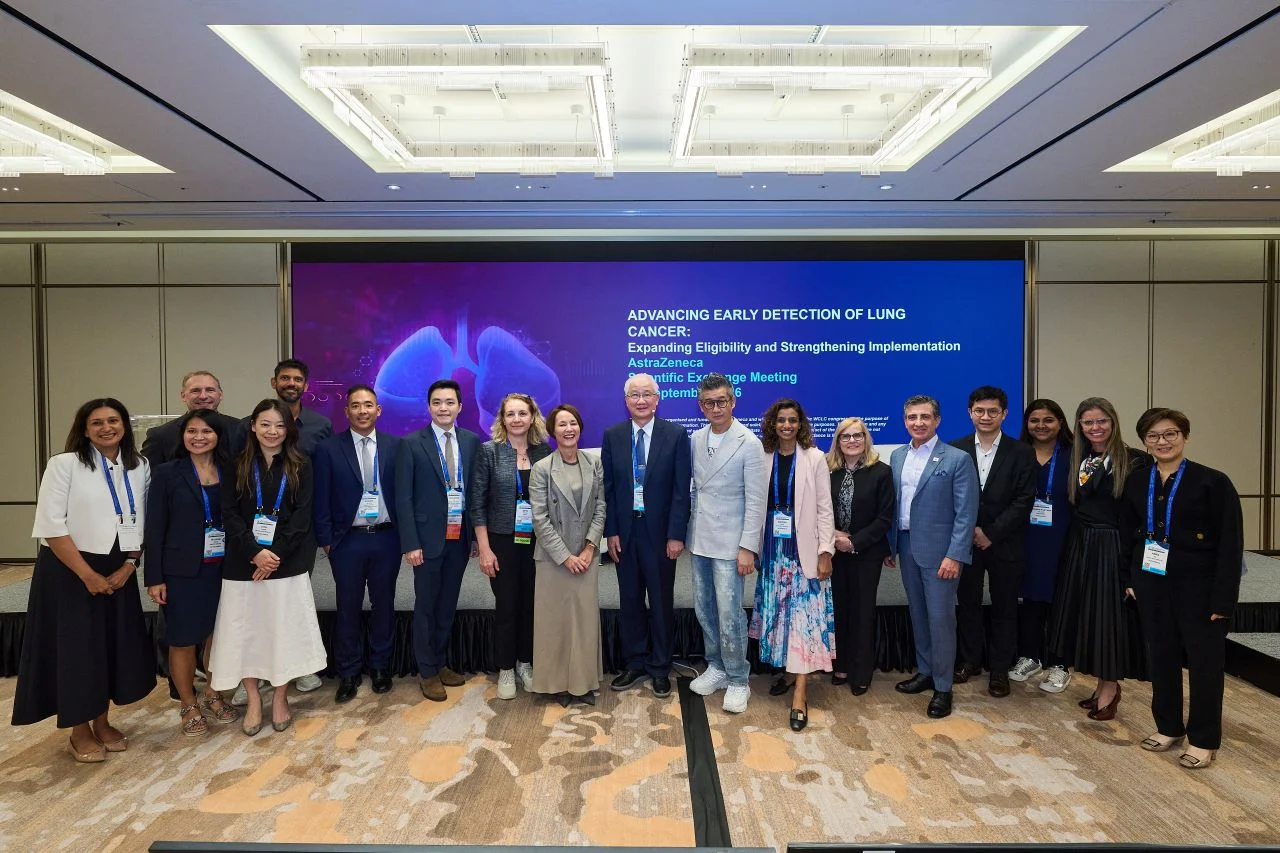
WCLC 2026 brought lung cancer experts from around the world to Seoul to discuss new data and the questions shaping the next generation of thoracic oncology. From targeted therapies moving earlier in treatment to new approaches in small cell lung cancer, the meeting highlighted a rapidly evolving treatment landscape.
Giannis Mountzios
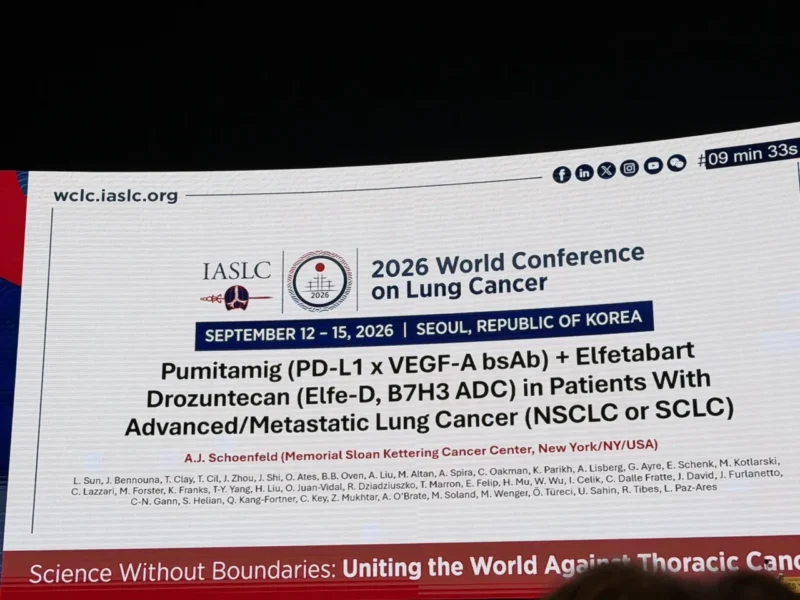
“First report of a combination of a bispecific targeting PDL1 x VEGF (pumitamig) plus a B7-H3.l (Elfie-D) ADC in ES-SCLC, producing excellent responses in all lines of treatment and especially 1L with tolerable toxicity profile. Requires longer follow up to evaluate long-term tolerability of ADCs and the contribution of the bispecific component.
Challenging to see how this combo will fit into the TCE in 1L era.
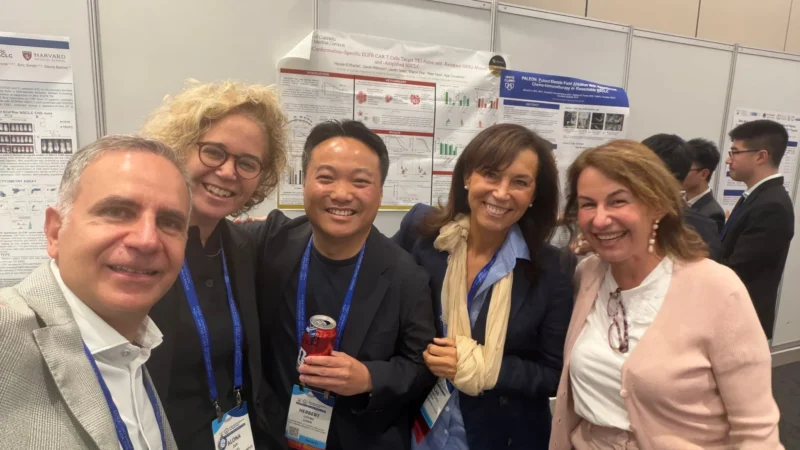
Time to leave an unforgettable WCLC26 and majestic Seoul …
What stays on is breakthrough science, a strive for better patient care and the human bonding in this huge professional family united by a global vision. Till next time my friends.”
Estela Rodriguez
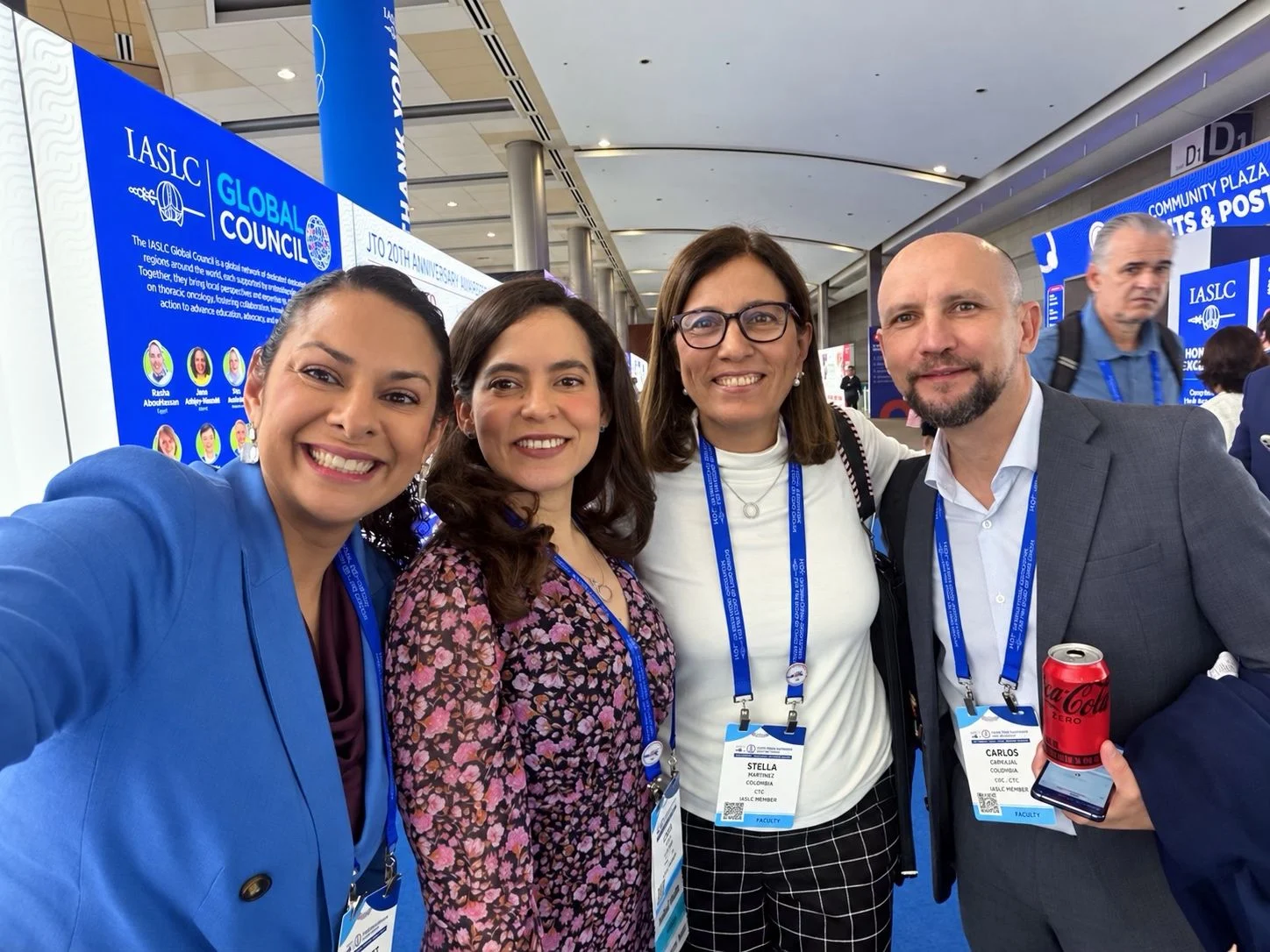
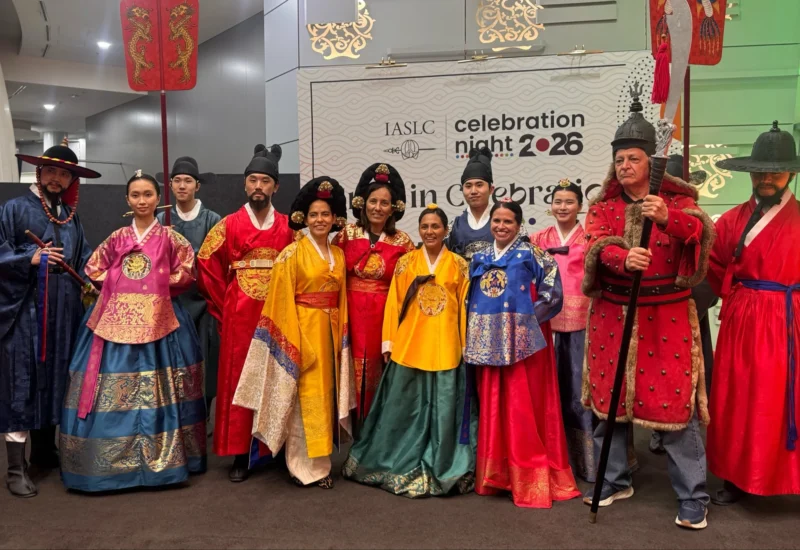
“WCLC26 Multidisciplinary Thoracic Tumor Board in the Joseon Dinasty. Can you pick up the Puertorican thoracic oncologist and Colombian thoracic surgeon, pulmonologist and oncologist?
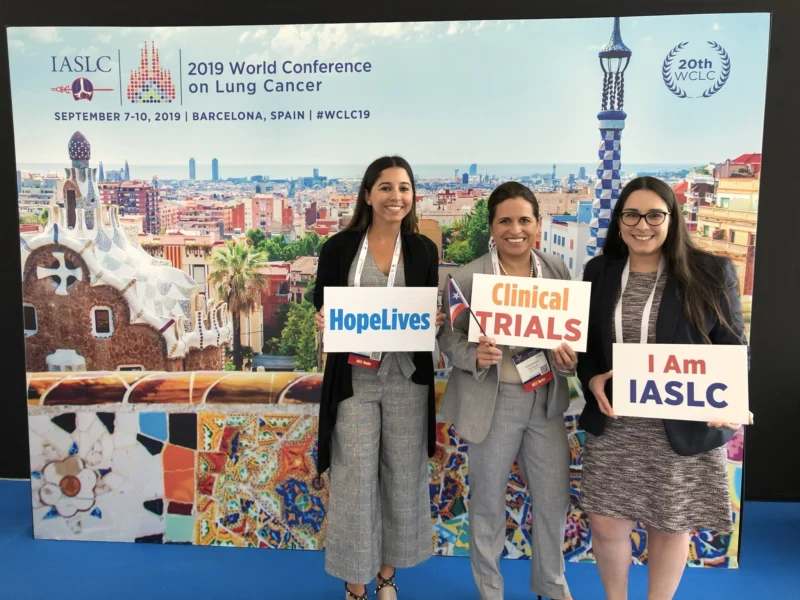
WCLC26 Our traditional WCLC picture holding the flag with the amazing Ana I. Velázquez Mañana.”
Nagla Karim
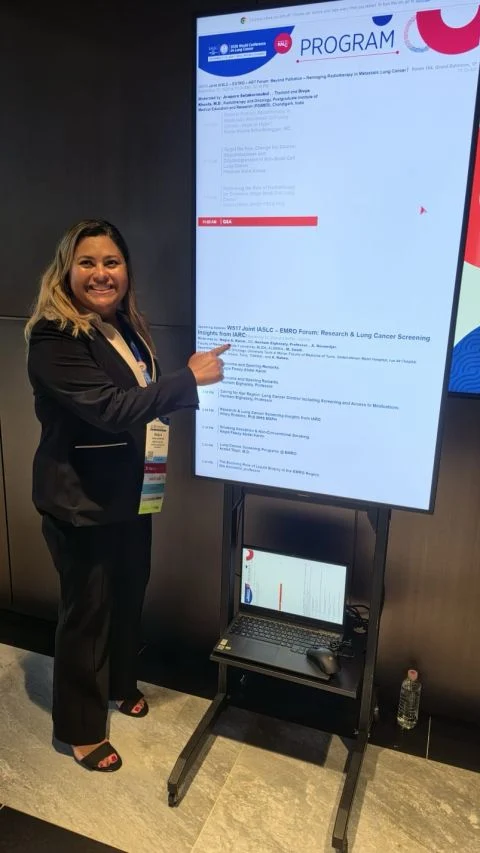
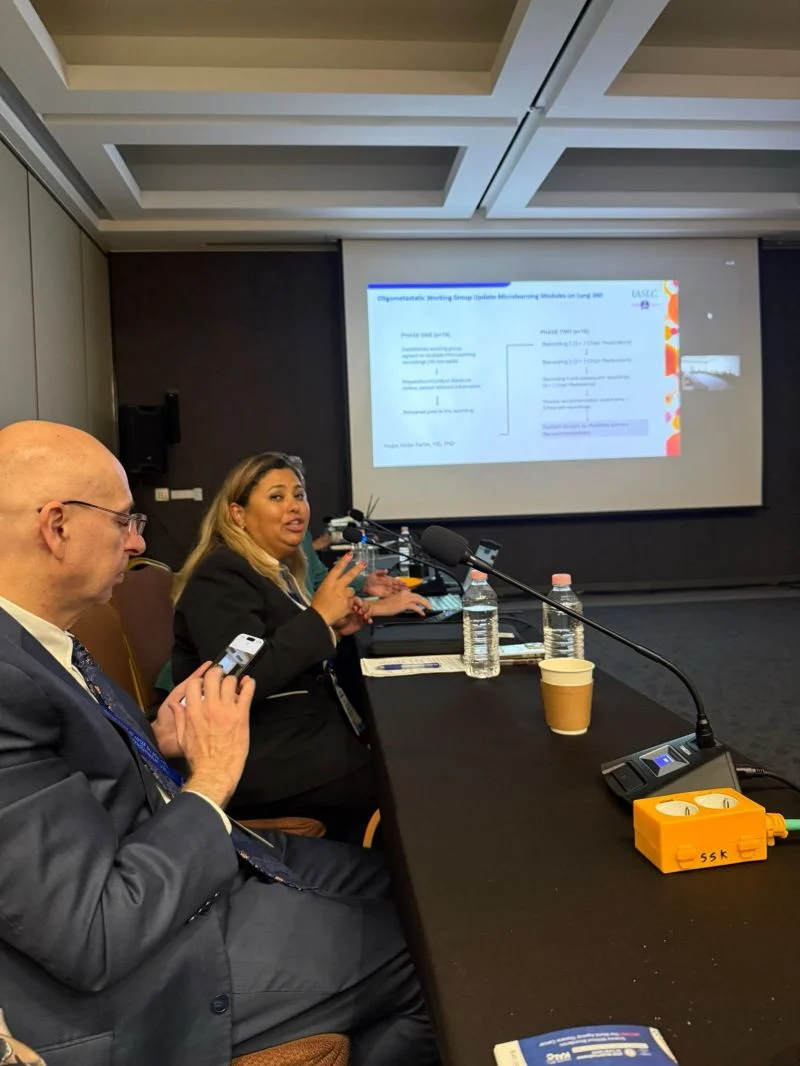
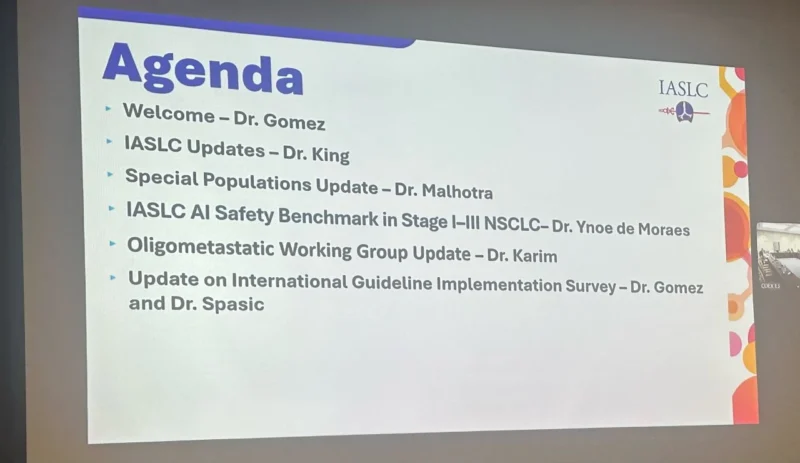
“It was such a great pleasure presenting our updates on the oligometastatic NSCLC and the mini learning modules WCLC26 stay tuned for our podcasts coming up soon!
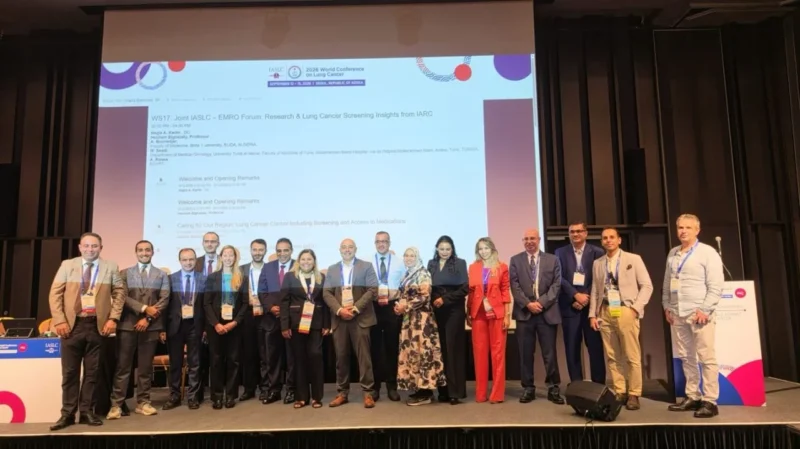
We had our first IASLC-EMRO Forum at this World Conference for Lung Cancer 2026!””
Kalpesh Patel
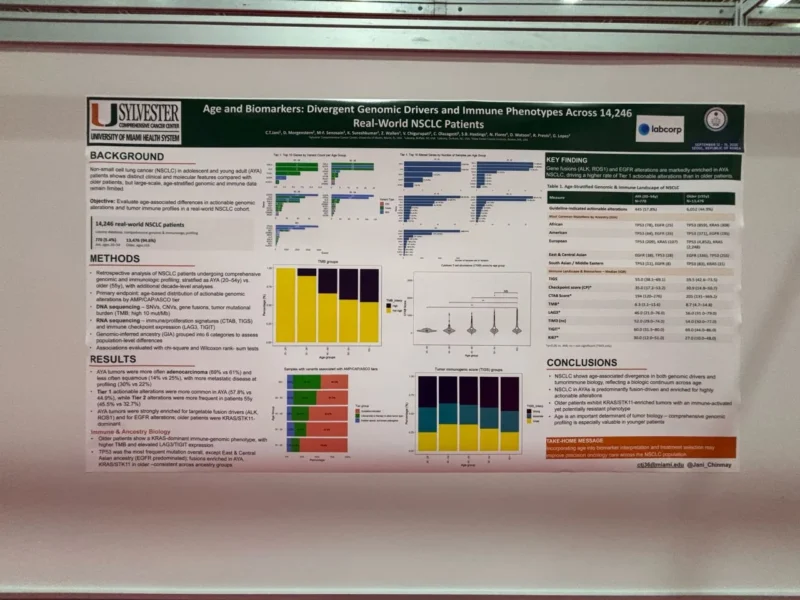
“Great to see collaborative work between Labcorp and Sylvester Comprehensive Cancer Center presented at WCLC 2026 in Seoul this week.
The analysis covered 14,246 real-world NSCLC cases and asked what age does to tumor biology.”
Rasha Aboelhassan
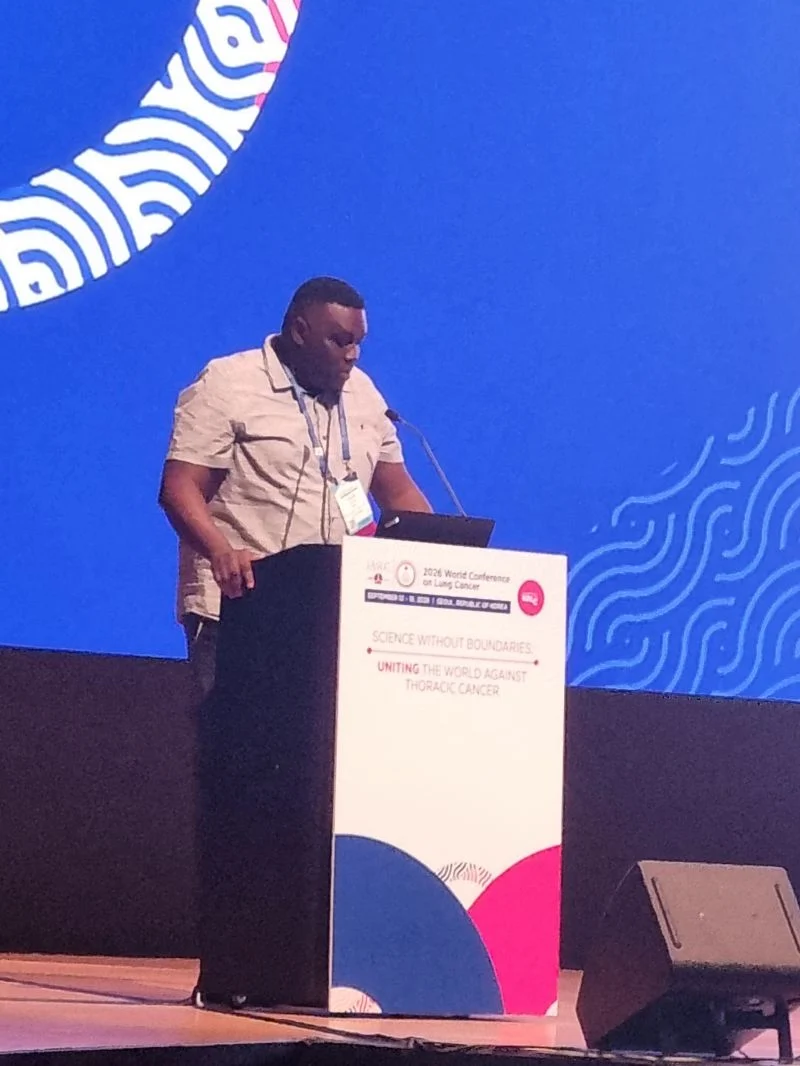
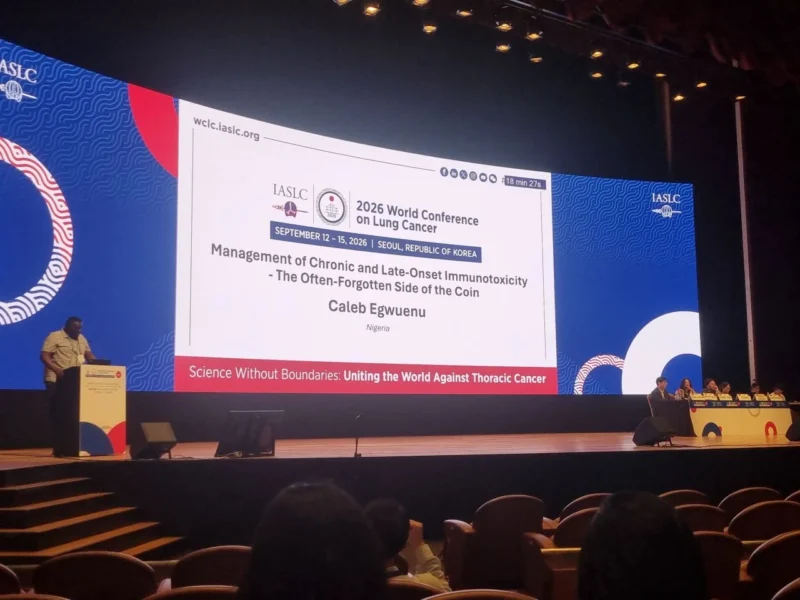
“Happening now Caleb Egwuenu, explaining immunotherapy related toxicity from African point of view. Why some time we see late effects?
Some congresses give you knowledge. Some give you moments you carry with you. For me, WCLC26 gave me both and a new sense of responsibility.
- Representing Egypt. My first WCLC as an IASLC Global Council Delegate – proud to bring Egypt’s voice to the global lung cancer community.
- Education through connection. Our first IASLC Educational Committee podcast with Egyptian colleagues – turning knowledge into conversation.
- Egypt in global staging. Proud of the SPFG work and the inclusion of Egypt and more countries in the latest staging edition.
- 20 years of JTO. Proud to celebrate 20 years of the Journal of Thoracic Oncology and its impact on our field.
- Learning from those who lead. The Distinguished Award winners reminded me: work hard, believe in your goal, never give up, and keep learning.
- A new chapter for EMRO. The first EMRO meeting at WCLC26 – hopefully the beginning of something much bigger for our region.
I leave WCLC26 grateful for the journey, proud of the responsibility, and even more motivated for what comes next.”
Miguel Gonzalez Velez
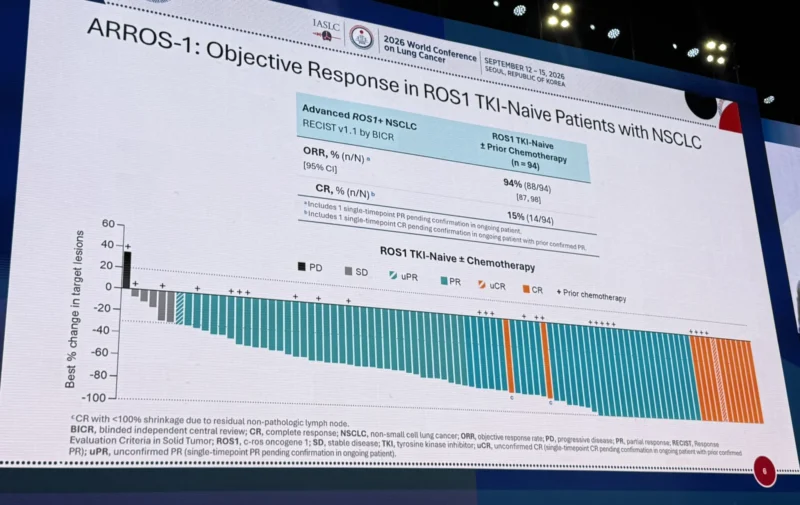
“ARROS-1 update zidesamtinib in ROS1 TKI-naive NSCLC by Alexander Drilon at WCLC26.
Take: ORR 94% is possible!!! in TKI-naive patients, with 86% still in response and 90% still progression-free at 12 months. DOR and PFS both not reached. The CNS data answers the open question from July: IC-ORR 100%, IC-CR rate 70%, median IC-DOR not reached, and no CNS progression events among patients without baseline brain mets. Safety consistent with prior reports, low discontinuation/dose-reduction rates. This is a materially stronger picture than the pretreated cohort behind the original approval (44% ORR).”
Shubh Goel
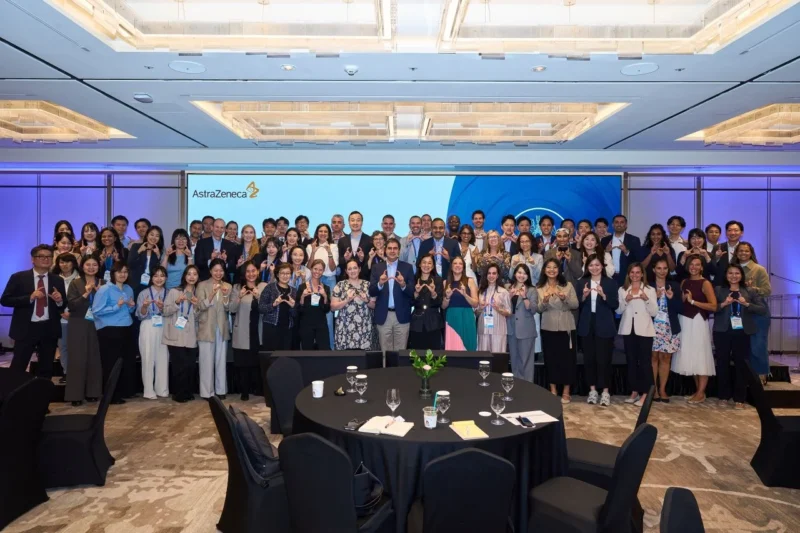
“I am leaving WCLC26 incredibly energized and proud of the scientific progress being made across all stages of lung cancer. But science alone can’t eliminate lung cancer as a cause of death – we must continue to transform care from end to end, from screening and diagnosis to treatment and survivorship. A few key highlights:
Science is moving fast: WCLC reinforced the pace of innovation across all aspects of lung cancer care. With new data in the EGFR, IO, ADC and combination spaces, the momentum is clear, and I’m excited to see what’s next.
Equity must stay central: Lung cancer does not look the same everywhere. Conversations on never-smokers, screening access, early detection and regional disparities were a powerful reminder that progress must reach every patient who needs it.
Patient navigation can help close the gap: At our Patient Advocacy Exchange, the importance of structured support through diagnosis and treatment was clear. For too many patients, that support still does not exist.
Progress depends on continued alignment across healthcare professionals, researchers, advocates, industry and the wider lung cancer community, all working toward improved outcomes, but we must ensure that translates into better care for patients everywhere. That is the commitment that I am taking away from Seoul.”
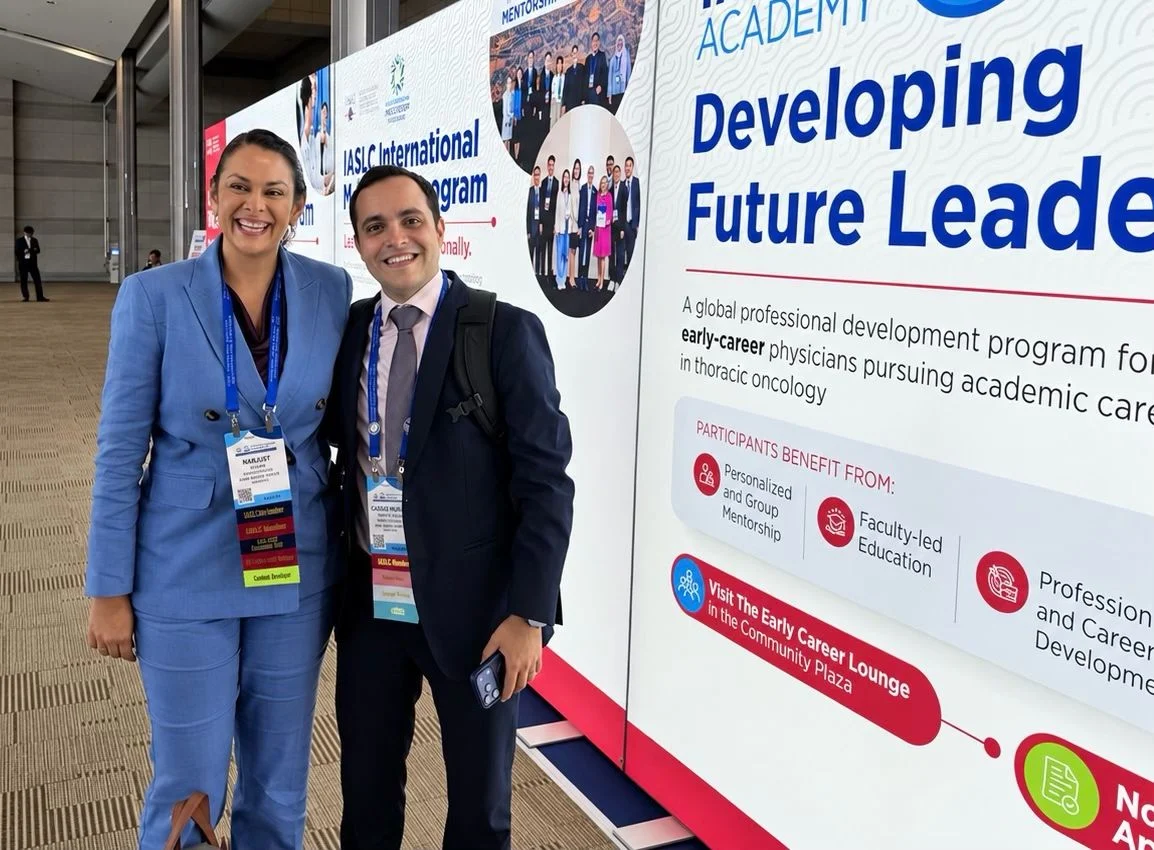
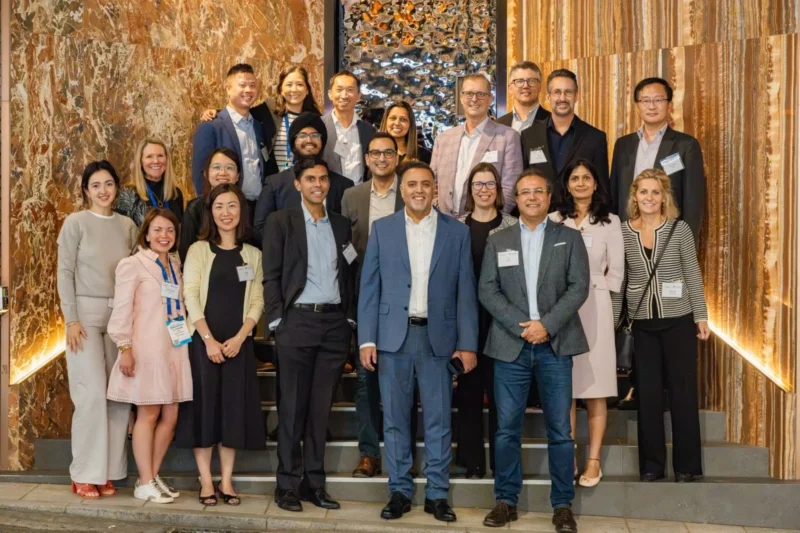
Narjust Florez
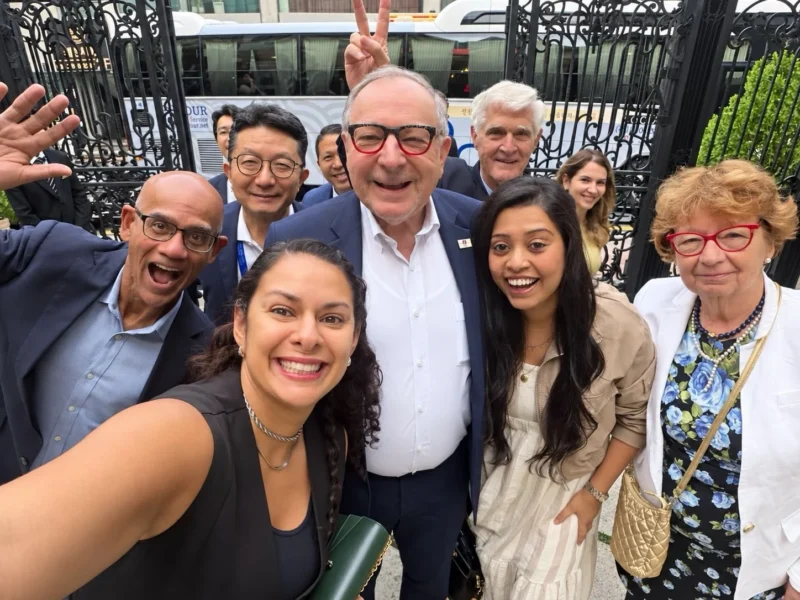
“An unforgettable evening with the IASLC Board of Directors, celebrating global collaboration, meaningful connections, and our shared commitment to transforming lung cancer care.
The work continues!
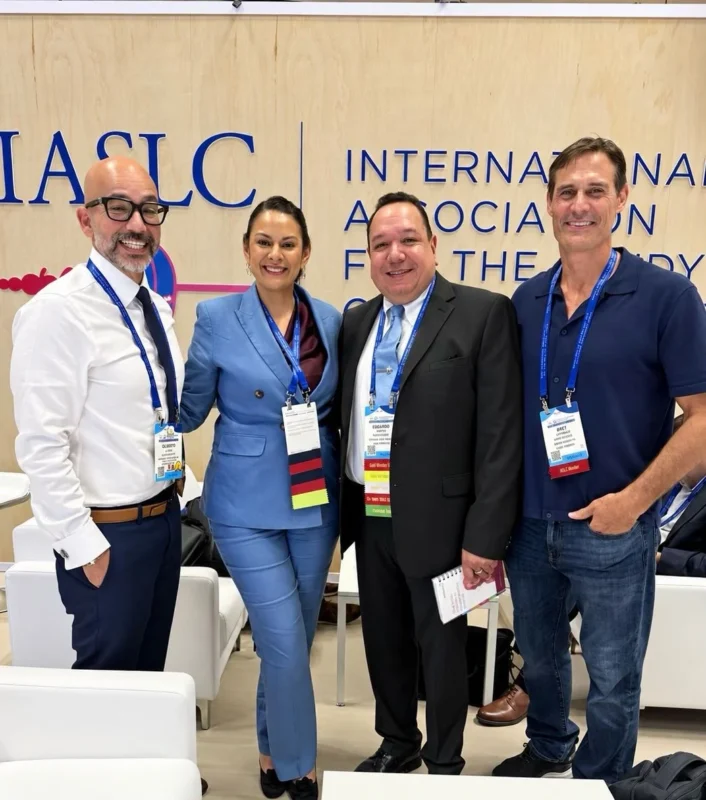
Never underestimate the power of a hallway conversation.
Today’s quick exchange can become tomorrow’s collaboration, study, and breakthrough.
This is where ideas connect and possibilities begin.”
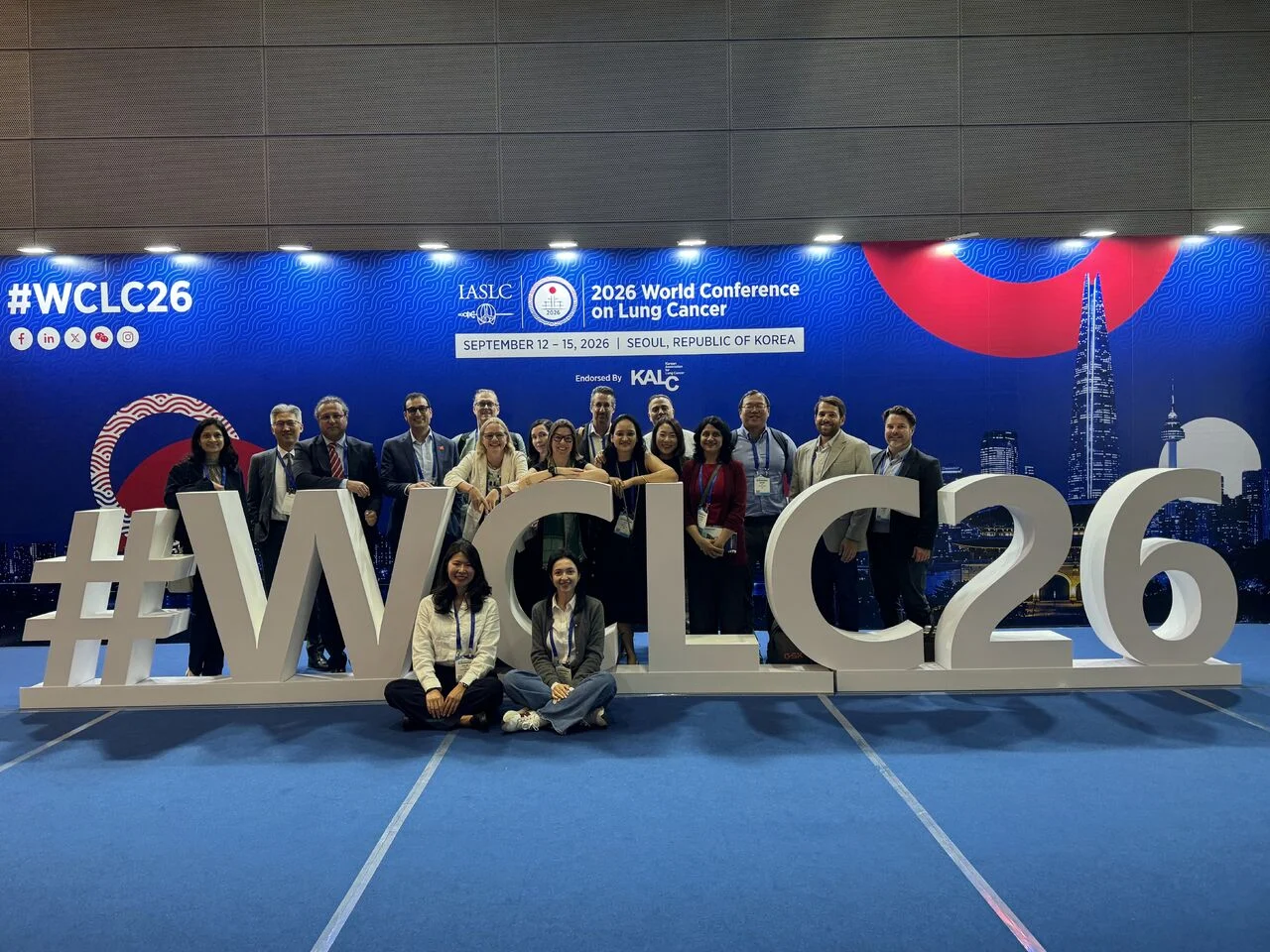
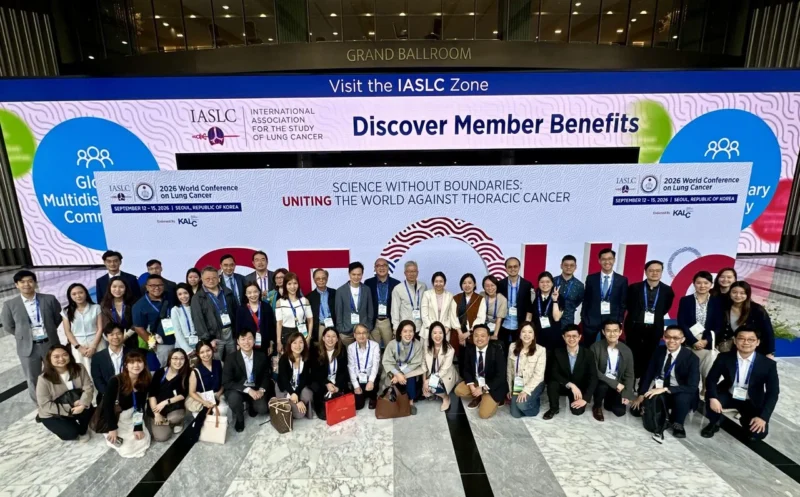
Herbert Loong
“A strong turnout of #colleagues from hongkong at International Association for the Study of Lung Cancer WCLC26 this year in Seoul!”
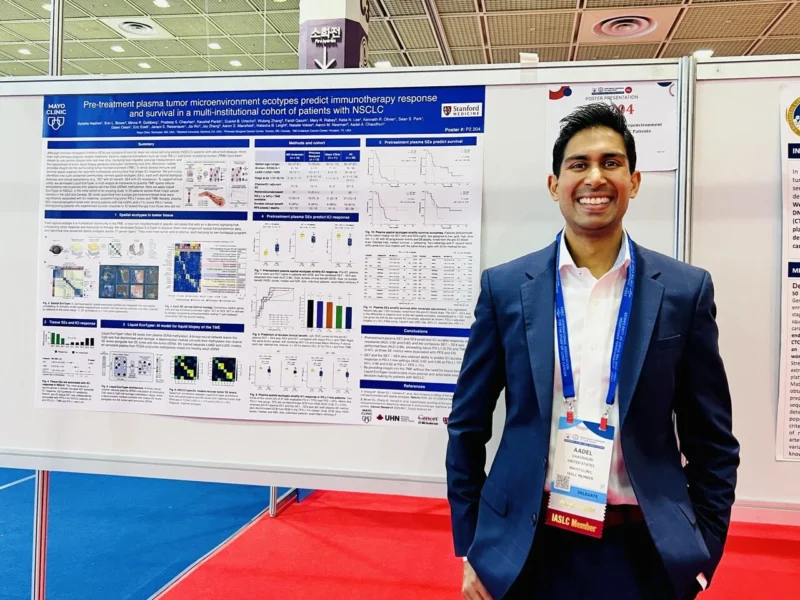
Aadel Chaudhuri
“Grateful for the opportunity to present our latest findings at WCLC26 showing that liquid biopsy of the tumor microenvironment (via Liquid EcoTyper) from a single pre-treatment blood draw can predict response to immunotherapy and chemo-immunotherapy in patients with non-small-cell lung cancer – and outperform standard-of-care tumor tissue PD-L1 and TMB.
Our goal now is to strengthen these findings across larger cohorts and ultimately translate this technology into meaningful clinical impact for our patients.
Research led by my exceptional postdoctoral scholar Ayesha H. at Mayo Clinic, together with the incredibly talented Erin Brown from Aaron Newman’s lab at Stanford University.”
Chinmay Jani
“Grateful to share our work presented at WCLC26, examining how age may shape the genomic and immune landscape of NSCLC across 14,246 real-world patients.
We found important differences in tumor biology across age groups, including a higher prevalence of guideline-relevant genomic alterations among younger patients, reinforcing the importance of comprehensive biomarker testing across all ages.
Thanks to our collaborators at Labcorp , Sylvester Comprehensive Cancer Center and all of our co-authors for making this work possible.”
Hesham A. Abdullah
“Back from WCLC26, having spent the past few days in Seoul with our GSK teams across multiple external engagements and scientific sessions. Across all these engagements, one theme kept coming through clearly: lung cancer remains the leading cause of cancer death globally. For me, that statistic is never just a number, behind it are patients with NSCLC and SCLC facing low survival rates, high recurrence, treatment resistance and a real toll on quality of life. It’s one of the greatest areas of unmet need in oncology, and one of our biggest priorities at GSK.
That priority is built on deep biological insights matched with the right therapeutic approach, developed on validated targets and modalities where the depth of our expertise keeps growing. As our understanding of lung cancer biology advances, so does our ability to match the right therapeutic modality to the right target, tumor type and patient, pursuing deep and durable responses, overcoming resistance, and reducing the burden treatment places on patients’ lives.
This work is personal for me. Like so many families, I have also been impacted recently by the loss of a family member to cancer, and watching what the disease takes stays with me through every conversation I’ve had since. It’s part of why this research matters so much, beyond the data and the science.
The conversations I had in Seoul reinforced why a diverse, differentiated portfolio matters for meeting patients’ evolving needs everywhere. Proud of the team driving this work, and optimistic about what’s ahead.”
Gilberto Lopes
“Sylvester Thoracic Working Group at WCLC26 – Presentation Spotlights
1. AI decision support in EGFRm, ALK+, and ROS1+ metastatic NSCLC:
- 16 expert-curated cases
- 6 AI systems
- ChatGPT highest vs experts: τ=0.63
- Experts disagreed in 3/16 cases
Take-home: AI shows promise as decision support in precision oncology, but outputs remain model-dependent and expert oversight still matters. Highest inter-LLM concordance: ChatGPT + Gemini τ=0.91.
2. When AI meets oncologist judgment in advanced NSCLC:
- 12 expert-curated cases
- 6 AI systems
- EGFRm, ALK+, KRAS G12C
Key findings:
- OpenEvidence highest expert concordance: τ=0.561
- Grok lowest expert divergence: JS=0.275
- Gemini + ASCO AI highest pairwise concordance: τ=0.876
- No single AI system was consistently superior
Most important point: AI agreement is not clinical accuracy. Two systems can agree strongly with each other and still diverge from expert oncologist judgment.
AI should augment-not replace-clinical decision-making.
3. Age and biomarkers in 14,246 real-world NSCLC patients:
- AYA tumors had more Tier 1 actionable alterations: 57.8% vs 44.9%
- AYA NSCLC was enriched for ALK/ROS1 fusions and EGFR alterations
- Older patients were more often KRAS/STK11-dominant
Older patients also showed higher TMB, LAG3 and TIGIT, suggesting a more immune-active but potentially resistant phenotype.
Take-home: age is a biologic variable in NSCLC, not just a demographic one. Incorporating age into biomarker interpretation and treatment selection may improve precision oncology care across the NSCLC population.
4. Cross-trial comparison in EGFR-mutant stage IV lung adenocarcinoma using reconstructed IPD.
When head-to-head trials are unavailable, can reconstructed IPD help inform treatment sequencing?
First-line:
- MARIPOSA vs FLAURA2: similar OS (HR 1.02)
- FLAURA2 PFS advantage: HR 0.70
- CNS mets subgroup: HR 0.63
- No CNS mets: HR 0.96
Second-line:
- OpiTROP-Lung04 OS advantage vs MARIPOSA-2: HR 0.60
- vs pooled TROPION-Lung01/05: HR 0.47
- vs HARMONi-A: HR 0.66
Take-home: reconstructed IPD can strengthen cross-trial comparisons when head-to-head evidence is lacking-but should inform, not replace, clinical judgment.
Quick take from WCLC26:
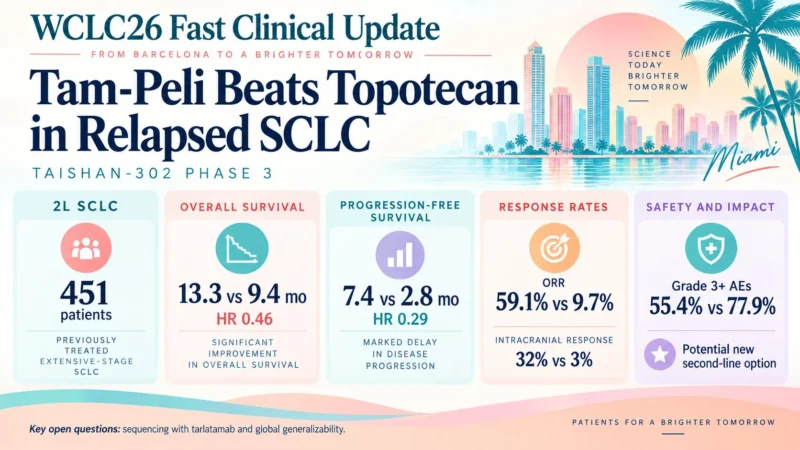
Tam-Peli showed a clear overall survival advantage vs topotecan on the slide presented today:
- Median OS: 13.3 vs 9.4 months
- HR: 0.46 (95% CI 0.35–0.62)
- P < 0.0001
- Reported as a 54% reduction in the rate of death
Striking OS signal. More detailed thoughts soon.
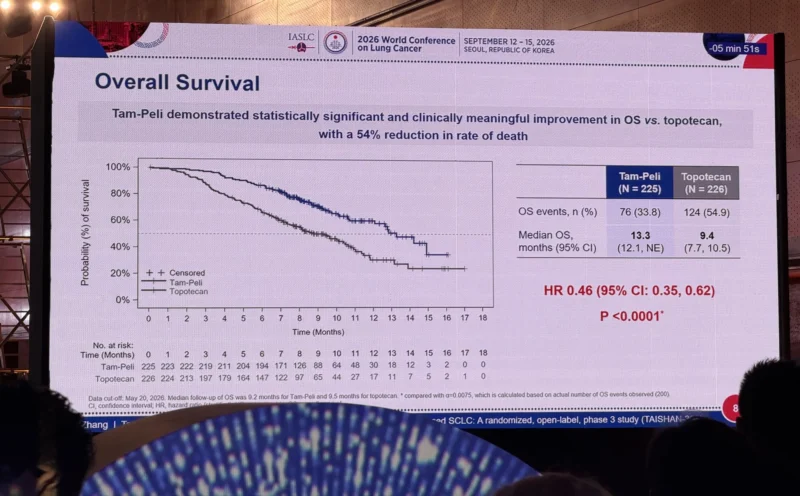
Major positive WCLC26 result in relapsed SCLC: TAISHAN-302
Tambotatug pelitecan (Tam-Peli) vs topotecan:
- OS 13.3 vs 9.4 mo, HR 0.46
- PFS 7.4 vs 2.8 mo, HR 0.29
- ORR 59.1% vs 9.7%
- intracranial response 32% vs 3%
- grade 3+ AEs 55.4% vs 77.9%
My take: a major positive randomized phase 3 trial and a potential new 2L option in SCLC.
Important caveat: this was a China-only study, so broader global validation still matters. Sequencing vs tarlatamab also remains an open question.
Preliminary WCLC26 preview: HARMONi-2
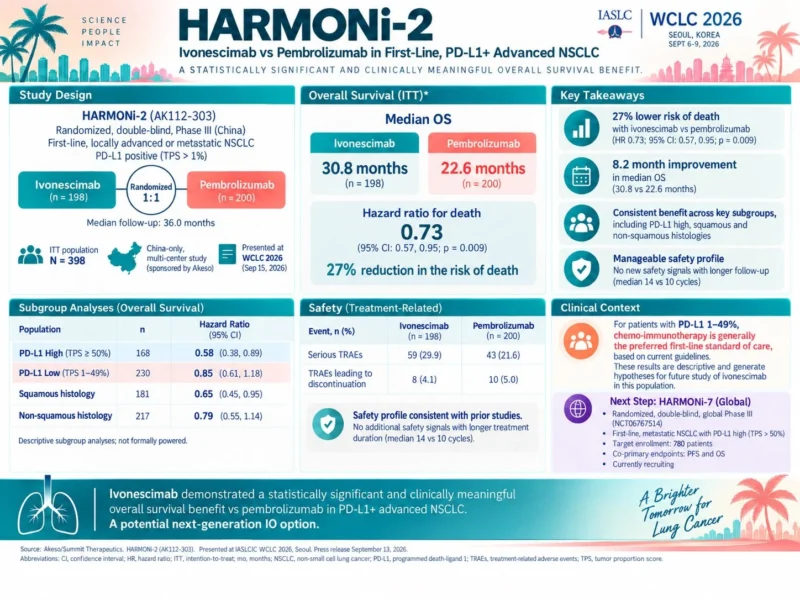
Based on the company press release, ivonescimab vs pembrolizumab in first-line PD-L1+ advanced NSCLC showed:
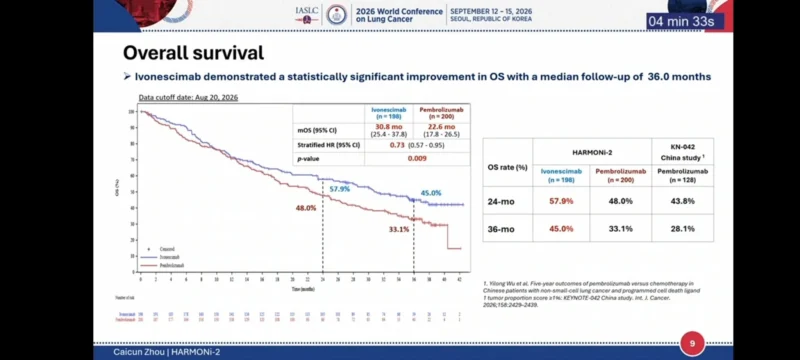
- Median OS: 30.8 vs 22.6 months
- HR 0.73 (95% CI 0.57–0.95; p=0.009)
- Median OS gain: 8.2 months
Subgroups reported:
- PD-L1 ≥50%: HR 0.58
- PD-L1 1–49%: HR 0.85
- Squamous: HR 0.65
- Non-squamous: HR 0.79
Also notable: prior PFS HR 0.51.
Important caveats: single-region China study results currently from press release / pre-presentation disclosure for PD-L1 1–49%, chemo-immunotherapy is usually preferred, so pembrolizumab monotherapy is not the ideal comparator there.
Encouraging signal, especially in PD-L1-high disease, but fuller interpretation should wait for the full presentation.
Alexandra Flores
“Ahead of WCLC, I’m reflecting on what the future of lung cancer care could look like – and the progress already happening across the field, including advances in biomarker testing, precision medicine and potential new treatment options and combinations.
I’m proud to be part of AstraZeneca‘s work to follow the science, support patients and keep moving toward our ambition of eliminating cancer as a cause of death.”
David Planchard
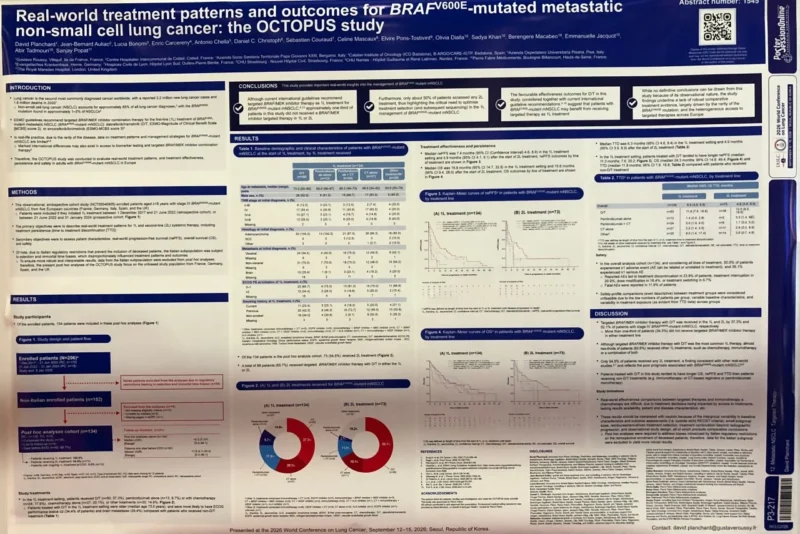
“Testing for BRAF V600E in all NSCLC patients is crucial, regardless of smoking status!
Great efficacy with E+B or D+T combinations, which remain preferred option over chemo-IO 1L. Far too many patients are still missing out on the standard-of-care targeted therapy BRAFi+MEKi.”
Stephen V Liu
“Dr. Martin Reck presents MDT-Bridge at WCLC26: pts with resectable or borderline resectable NSCLC received 1-2 cycles of durvalumab + chemotherapy then surgery if resectable or CRT if not, followed by adjuvant/consolidation durvalumab.
Of those with borderline resectable NSCLC, 62% underwent resection (97% R0).
Overall resection rate 75% and 27% pCR rate.”
Masahiro Torasawa
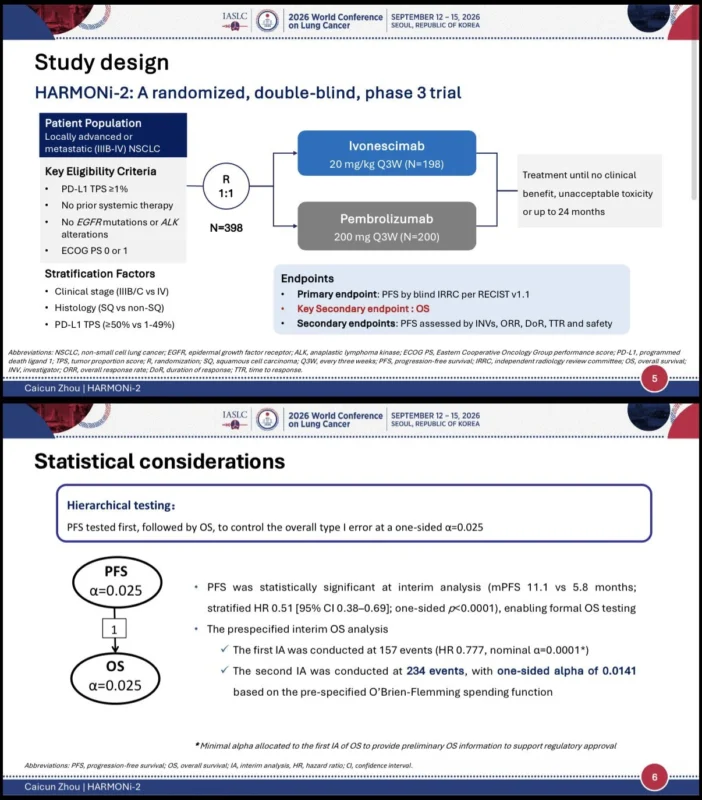
“WCLC26 | HARMONi-2
Ph3: 1L ivonescimab vs pembro in PD-L1+ advanced NSCLC (TPS ≥1%; n=398)
OS: 30.8 vs 22.6 mo; HR 0.73 (95% CI 0.57–0.95; p=0.009)
3-y OS: 45.0% vs 33.1%
Previously reported PFS: 11.1 vs 5.8 mo; HR 0.51
ORR: 50.0% vs 38.5%
Descriptive OS by PD-L1:
- TPS ≥50%: HR 0.58
- TPS 1–49%: HR 0.85
G≥3 TRAEs: 41.6% vs 21.6%, with expected VEGF-related AEs including proteinuria and hypertension; no apparent increase in bleeding risk.”
Misty Dawn Shields
“Honored to serve as the IASLC.
SCLC committee co-chair with the esteemed Dr. Shigeki Umemura from Japan. Lovely to meet with our Rare Tumors committee in person at WCLC26. Our committee is committed to building research collaborations, understanding barriers to innovation and treatment access, and creating opportunities for clinicians and researchers to share insights to help improve knowledge and global care for SCLC.”
Balazs Halmos
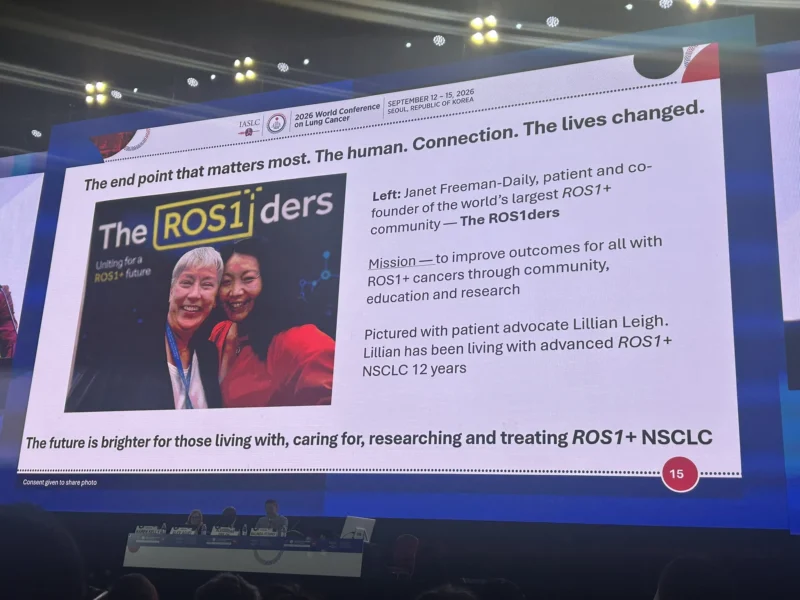
“Slide of the meeting WCLC26. What truly matters in oncology/medicine!”
Amol Akhade
“Last day at WCLC 2026.
King Keytruda survived?
I Think so. What you think? Harmoni-2 trial.”
More about this topic: WCLC 2026 Opens in Seoul: Targeted Therapy Moves Earlier as SCLC Enters a New Therapeutic Era