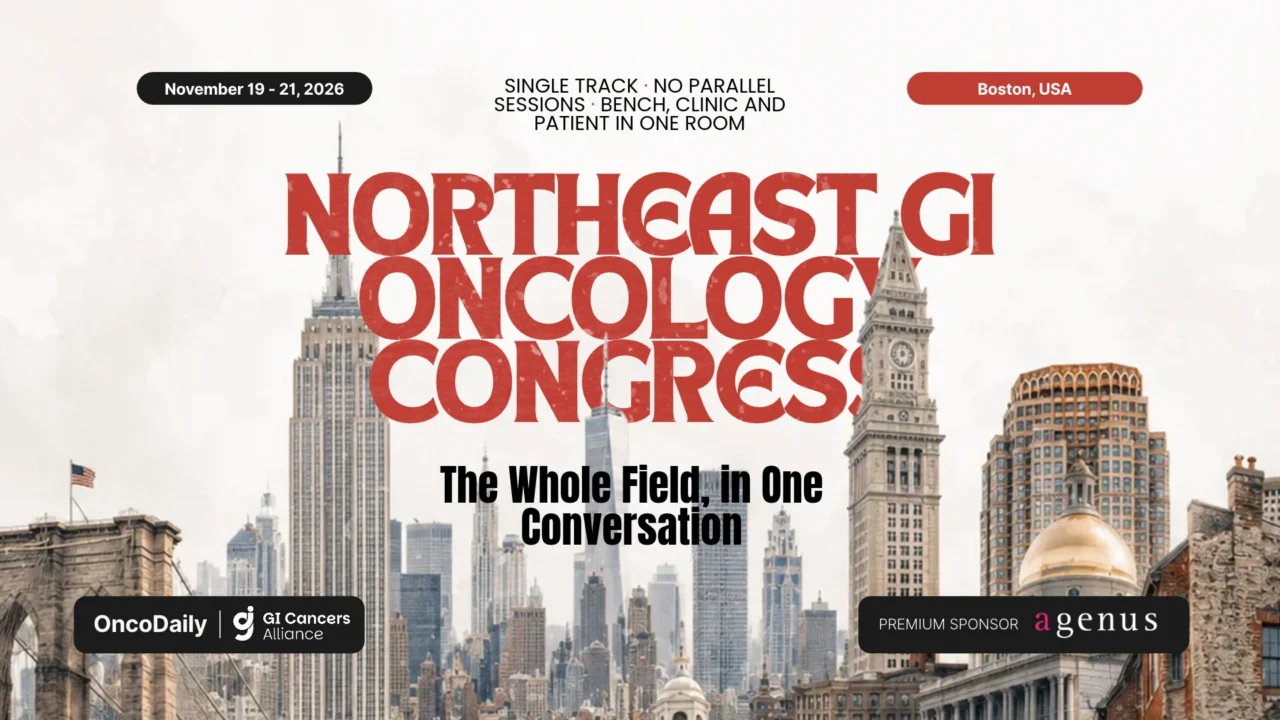
OncoDaily’s Northeast GI Oncology Congress 2026 will take place November 19–21 in Boston, Massachusetts, bringing clinicians, researchers, early-career investigators, and patient advocates into a shared discussion about the future of gastrointestinal cancer care. Over three days, the congress will connect scientific discovery with clinical practice, exploring how advances across GI cancers can inform treatment decisions, research priorities, and the patient experience.
With its guiding theme, “The whole field, in one conversation,” the congress will follow a single track, with no parallel sessions, allowing participants to engage with the same questions across disease areas and specialties. From emerging therapies and biomarker-driven strategies to mentorship, access, and quality of life, the program is designed to encourage dialogue across the GI oncology community and keep patient perspectives central to that conversation.
Explore the program and register: Northeast GI Oncology Congress 2026
One Room, Broader Questions
The format offers an opportunity to ask what specialists can learn from one another. A question raised in one disease area may help sharpen a research question in another. A discussion about treatment selection can also prompt a conversation about how patients understand their options.
A shared room makes those connections easier to explore. Participants can follow the same discussions, hear competing interpretations, and return to a question with perspectives they might otherwise have missed.
The agenda includes gastroesophageal, pancreatic, biliary, and colorectal cancers, alongside discussions of biomarkers, immunotherapy, targeted treatments, and emerging therapeutic platforms.
Connecting Discovery With Practice
Across three days, the program progresses from laboratory research and young investigators to multidisciplinary care and patient priorities. Debates, case-based tumor boards, audience polling, and cross-disease panels provide opportunities for active participation.
That structure invites a useful distinction: an exciting scientific idea and a decision ready for clinical practice require different conversations. Bringing those conversations together creates space to examine both the promise of an approach and the questions still surrounding its use.
Leadership Across the GI Oncology Spectrum
The congress is co-chaired by Yelena Janjigian, Aparna R. Parikh, Samuel Klempner, and Eileen O’Reilly, bringing together complementary expertise from Memorial Sloan Kettering Cancer Center and Massachusetts General Hospital.
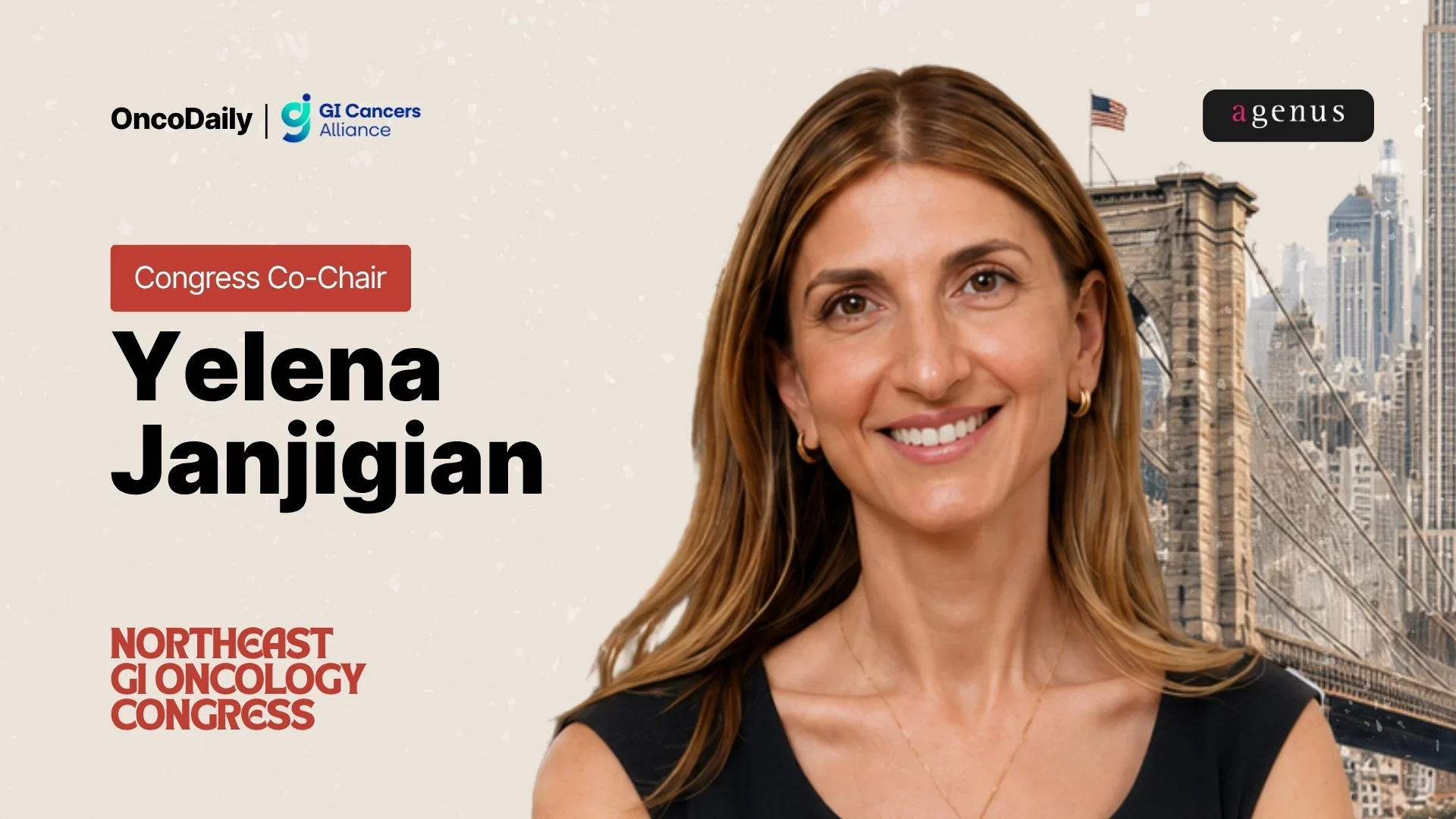
Yelena Janjigian, Chief of the Gastrointestinal Oncology Service at Memorial Sloan Kettering Cancer Center, specializes in esophageal and stomach cancers. Her research focuses on biomarker-directed treatment, immunotherapy, and new therapeutic strategies for upper GI malignancies.
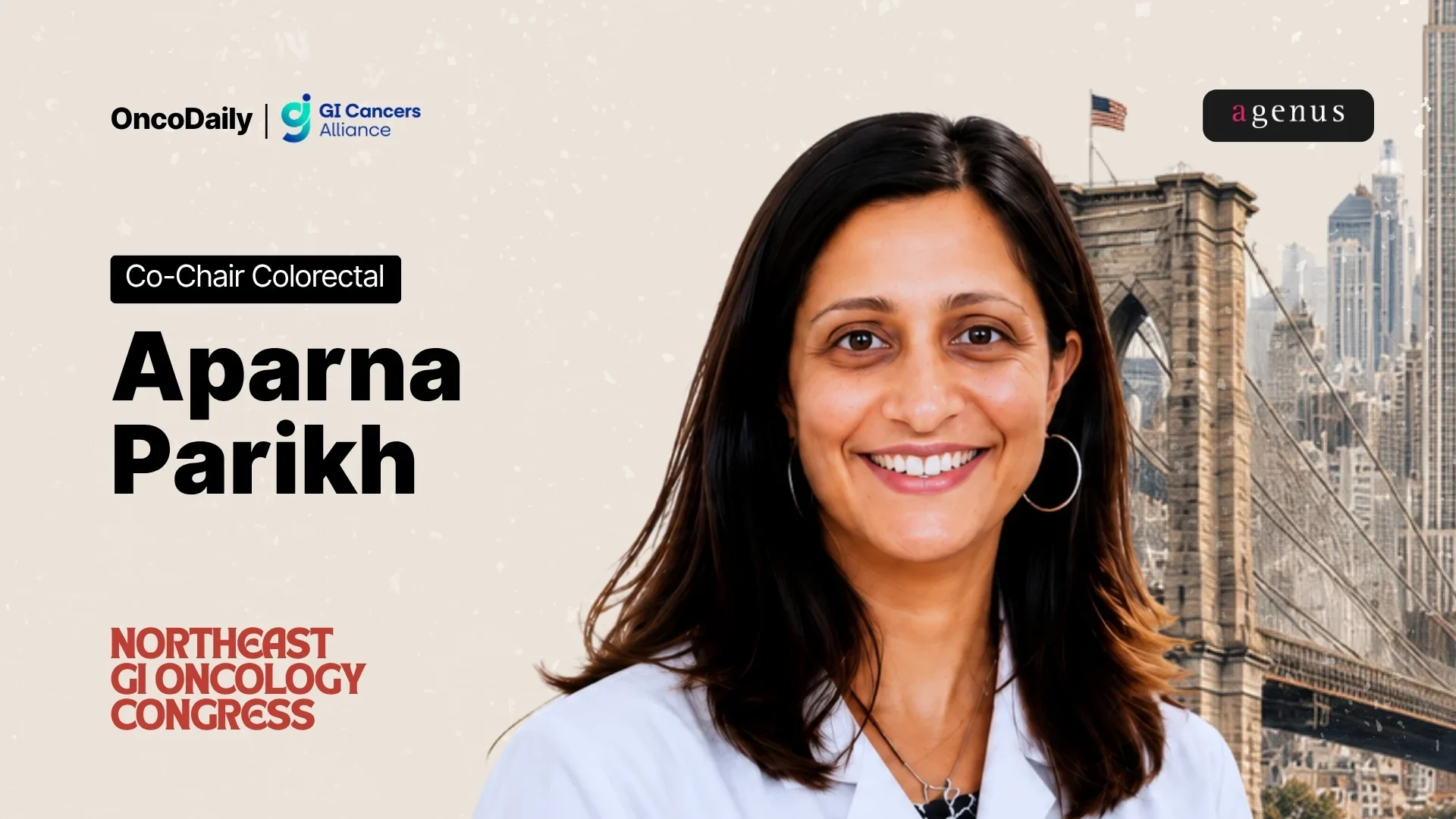
Aparna R. Parikh, a gastrointestinal medical oncologist at Massachusetts General Hospital, is Medical Director of the Center for Young Adult Colorectal Cancer. Her work spans young-onset colorectal cancer, liquid biopsy, and novel treatments. She also directs Mass General’s Global Cancer Care Program, advancing equitable access to care.
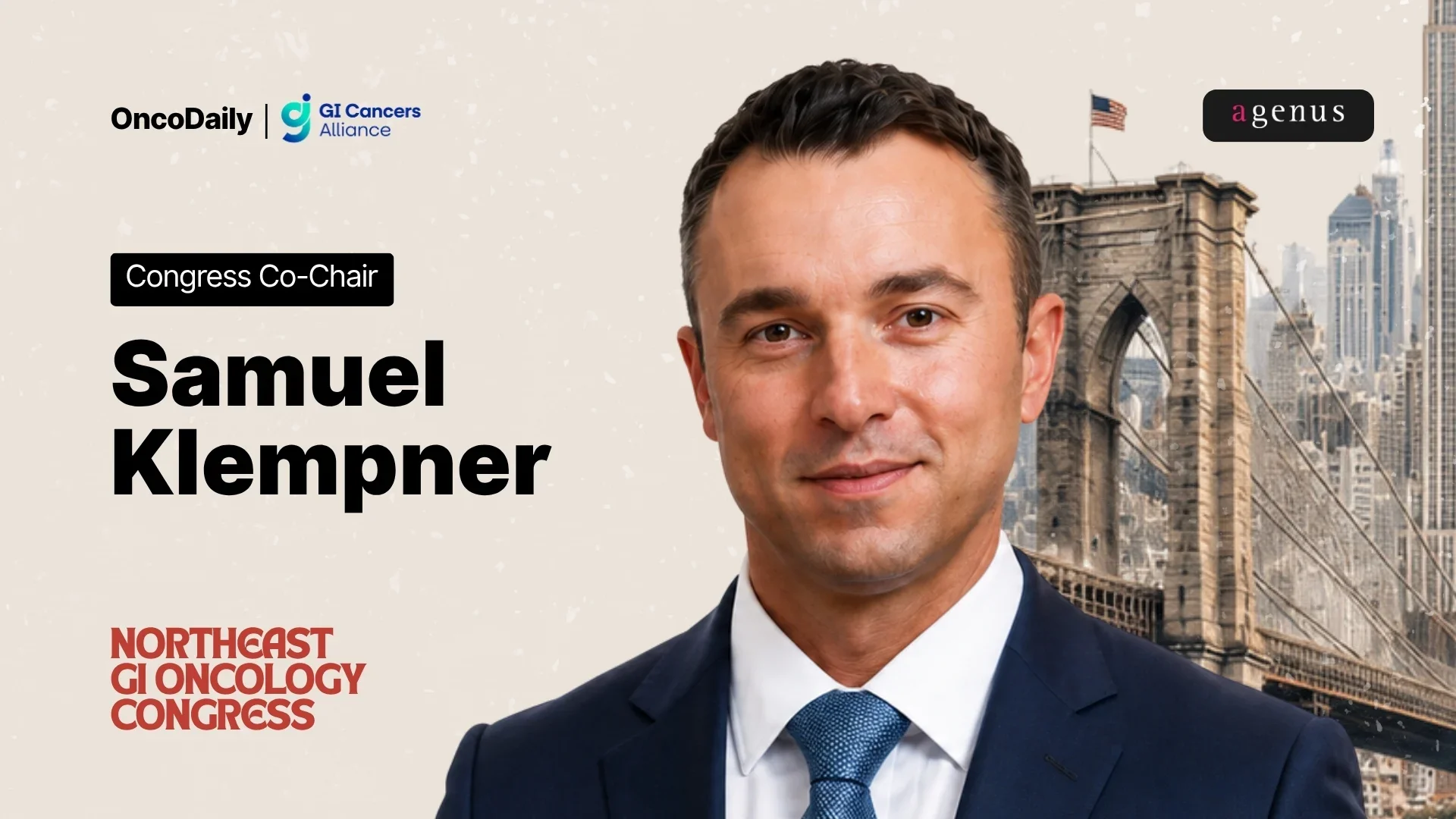
Samuel Klempner, a gastrointestinal medical oncologist at Massachusetts General Hospital, focuses on molecular characterization and individualized treatment, particularly in gastroesophageal cancers. His clinical and translational research explores targeted therapies, immunotherapy, and treatment response and resistance.
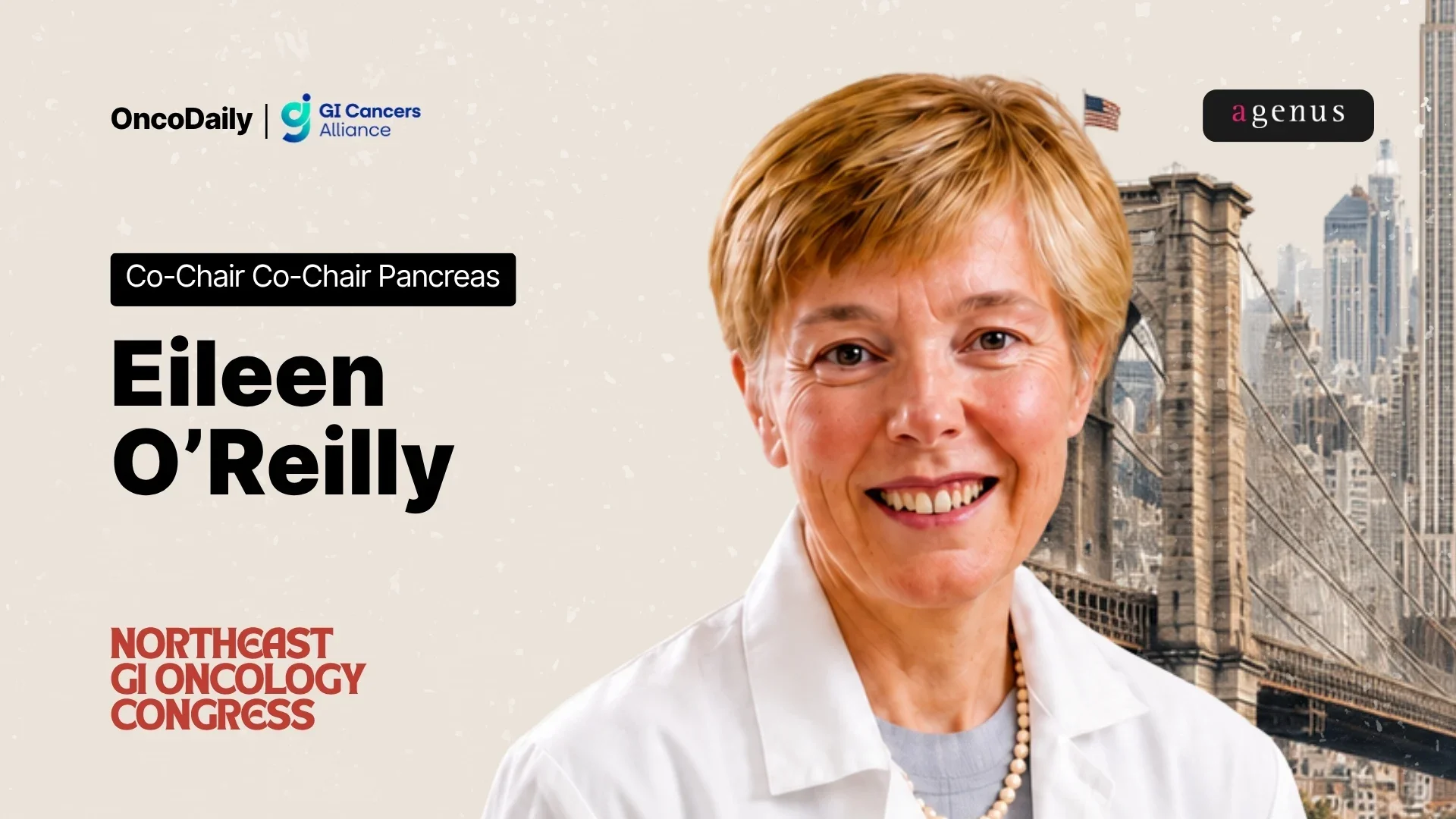
Eileen O’Reilly, the Winthrop Rockefeller Endowed Chair of Medical Oncology at Memorial Sloan Kettering Cancer Center, brings expertise in pancreatic and hepatobiliary malignancies. She also serves as Co-Director for Medical Initiatives at the David M. Rubenstein Center for Pancreatic Cancer Research and Section Head of Hepatopancreatobiliary and Neuroendocrine Cancers.
Together, their expertise gives the congress a foundation for connecting questions across GI cancer types. It also supports the meeting’s central ambition: creating a conversation in which laboratory findings, treatment decisions, and access to care can inform one another.
A Community Across Career Stages
Mentorship tables, rapid-fire presentations, and poster discussions will create opportunities for fellows, early-career oncologists, and emerging scientists to engage with established faculty. The program includes short research presentations with senior feedback, alongside discussions about choosing research questions, designing meaningful trials, and securing support for a first study.
For an emerging investigator, the value of a meeting can extend beyond presenting results. It can come from discussing an unresolved question, hearing how others approached a difficult problem, or finding someone whose expertise complements their own. These exchanges can help refine ideas, build professional relationships, and connect the next generation of GI oncology researchers with potential mentors and collaborators.
Main Topics on the Agenda
The scientific program will address key questions across gastroesophageal, pancreatic, biliary, and colorectal cancers, including biomarker-guided treatment, targeted therapies, immunotherapy, and treatment resistance.
Cross-cutting discussions will examine circulating tumor DNA (ctDNA) and minimal residual disease, alongside emerging approaches such as CAR-T therapies, T-cell engagers, personalized mRNA vaccines, and antibody–drug conjugates. Early-onset colorectal cancer, patient-partnered research, exercise, quality of life, and financial toxicity will also feature, connecting therapeutic advances with the priorities of patients and clinical teams.
Keeping Patient Priorities in the Conversation
Patient-partnered research, quality of life, access, and financial toxicity are part of the agenda, placing the lived experience of GI cancer alongside scientific and therapeutic advances. Sessions will explore research questions patients want answered, explain treatment developments in plain language, and examine treatment breaks, stopping treatment, and the financial burden of care.
Their inclusion raises a broader question: how should progress be judged? Alongside survival and disease control, discussions will consider how treatment affects daily life and what patients hope it will make possible. The program will also address trial design, highlighting endpoints that matter to patients and the involvement of advocates from the beginning of the research process.
Partners Supporting the Conversation
The Northeast GI Oncology Congress 2026 is supported by GI Cancers Alliance, a congress partner, and Agenus, a premium sponsor. Together, they bring patient advocacy and biotechnology perspectives to the meeting.
Their involvement complements the congress’s focus on connecting research, clinical care, and patient priorities. The meeting will provide opportunities for dialogue among clinicians, scientists, advocates, and industry representatives, encouraging collaboration across the GI oncology community.
Explore the program and register: Northeast GI Oncology Congress 2026