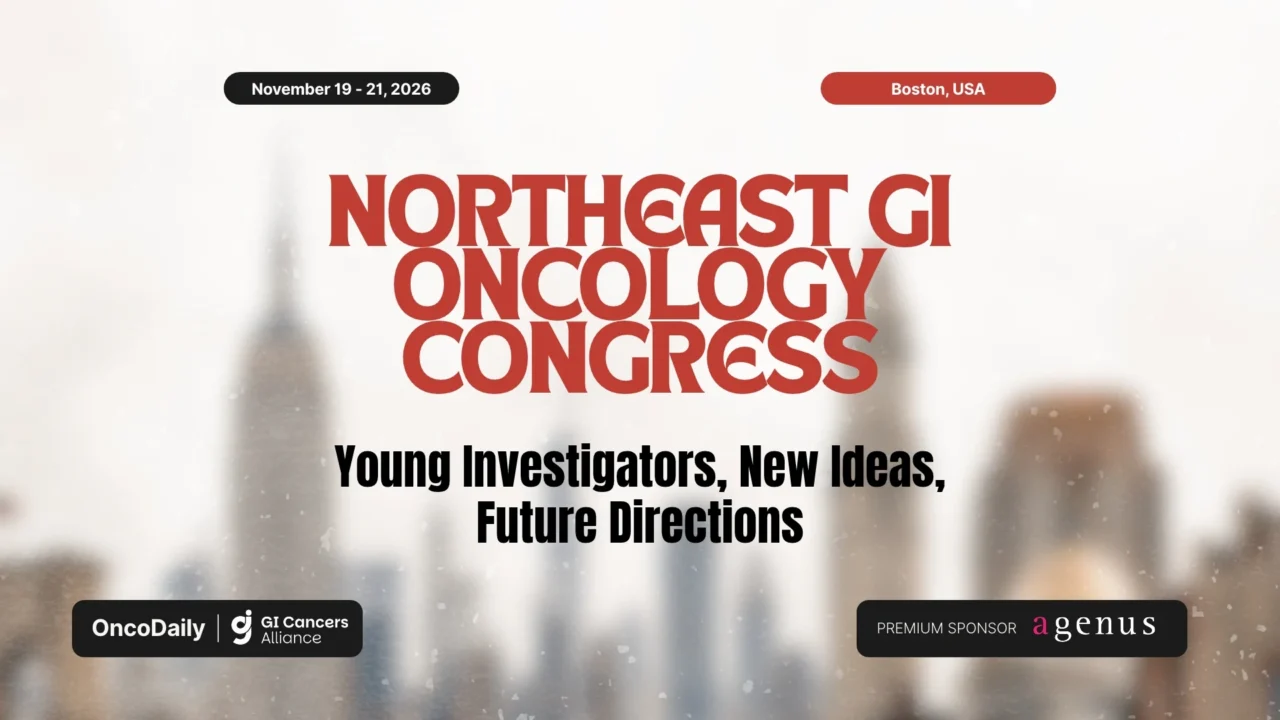
OncoDaily’s Northeast GI Oncology Congress 2026 will take place November 19–21 in Boston, Massachusetts, with opportunities for fellows, postdoctoral researchers, and early-career oncologists to present their work and engage with established investigators.
Under the theme “The whole field, in one conversation,” the congress will follow a single track without parallel sessions. Rapid-fire presentations, mentorship tables, and poster discussions will place emerging investigators within the wider scientific conversation.
For someone beginning a research career, a meeting can provide a valuable turning point: a question that sharpens a study, feedback that reveals a weakness, or a conversation that leads to a collaboration. NEGI 2026’s early-career program creates several settings for those exchanges.
Explore the program and register: Northeast GI Oncology Congress 2026
Presenting Research and Hearing What Comes Next
The Young Investigator Rapid-Fire session will feature short presentations by postdoctoral researchers and fellows, followed by senior critique, with presentations scored toward the Early-Career Award.
A short research presentation demands clarity. Investigators must explain the problem, show what their findings contribute, and distinguish what the data demonstrate from what remains a hypothesis. That process can be particularly useful when a project is still developing.
The discussion afterward offers another opportunity. Questions from experienced researchers can help identify an alternative explanation, a missing comparison, or a practical next step. For the presenter, the value may extend well beyond the session itself, informing how the work is analyzed, communicated, or developed further.
Connecting Discovery With Clinical Questions
A separate Scientist Rapid-Fire: From Bench to Clinic session will feature abstract-selected biopharma and translational researchers. Each presentation will include a seven-minute talk and a three-minute faculty discussion, with the winner receiving ASCO GI 2027 registration. Oncology News, Insights, Stories by OncoDaily
Moving a scientific idea toward clinical investigation requires researchers to explain why it matters for patients. What problem might the approach address? Which findings justify further study? What would need to be established before it could be evaluated in a clinical setting?
Discussing those questions with people who approach cancer from different perspectives can help an investigator refine a project’s direction. A clinician may identify a challenge in patient selection, while a laboratory researcher may suggest a way to examine an unexpected result. These exchanges can make the next research question more precise.
Mentorship Through Conversation
Coffee and mentorship tables will bring fellows and early-career oncologists together with faculty, while the poster walk will provide opportunities to discuss research with other congress participants.
For an emerging investigator, access to experienced colleagues can be especially useful when the questions are practical. How do you choose between several possible projects? When is an idea ready for a grant application? How do you identify a collaborator whose expertise fills a gap in your own?
Informal discussion allows room for questions that may be difficult to raise during a plenary session. It also gives participants time to explain the context behind their work, including the resources available to them and the obstacles they are trying to overcome.
From a Good Idea to a Meaningful Trial
The “Meet the Chairs—Designing a GI Trial That Matters” panel will address research questions, patient-relevant endpoints, advocate involvement, and the practical steps toward funding and opening a first trial. Fellows and advocates will participate in the discussion. Oncology News, Insights, Stories by OncoDaily
An interesting hypothesis is the beginning of a study. Developing it further means deciding precisely what the research should establish, whether the proposed methods can answer that question, and whether the findings would help resolve a meaningful uncertainty.
Patient involvement adds another perspective to that process. Investigators may need to consider whether study visits are manageable, whether the outcomes capture burdens patients experience, and whether participation fits into daily life. Learning to ask these questions early can help young researchers develop a more complete view of trial design.
Recognition That Supports the Next Step
The closing program includes Early-Career, Scientist Rapid-Fire, and Best Poster recognition, with ASCO or ASCO GI registration support.
Recognition can help bring attention to an investigator’s work. Continued access to scientific meetings also offers opportunities to follow new evidence, reconnect with collaborators, and develop the next project.
For young investigators, the most lasting outcome of NEGI 2026 may be a clearer sense of what to do next: revise a research question, seek a new perspective, or pursue an idea with colleagues met in Boston.
Read further about the congress on OncoDaily: Northeast GI Oncology Congress 2026: One Room, Many Perspectives
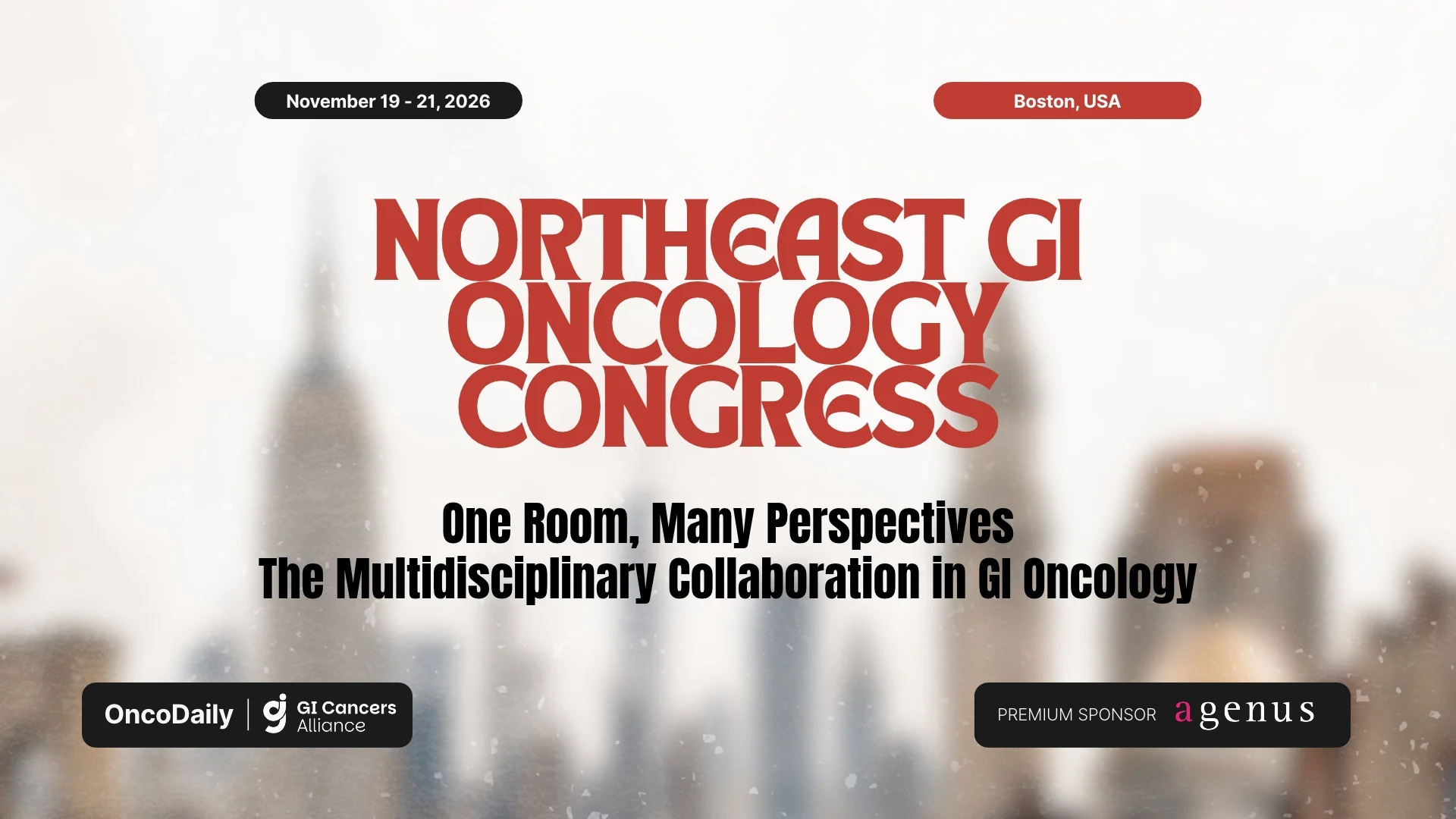
The Northeast GI Oncology Congress 2026 is supported by GI Cancers Alliance, a congress partner, and Agenus, a premium sponsor. Together, they bring patient advocacy and biotechnology perspectives to the meeting.