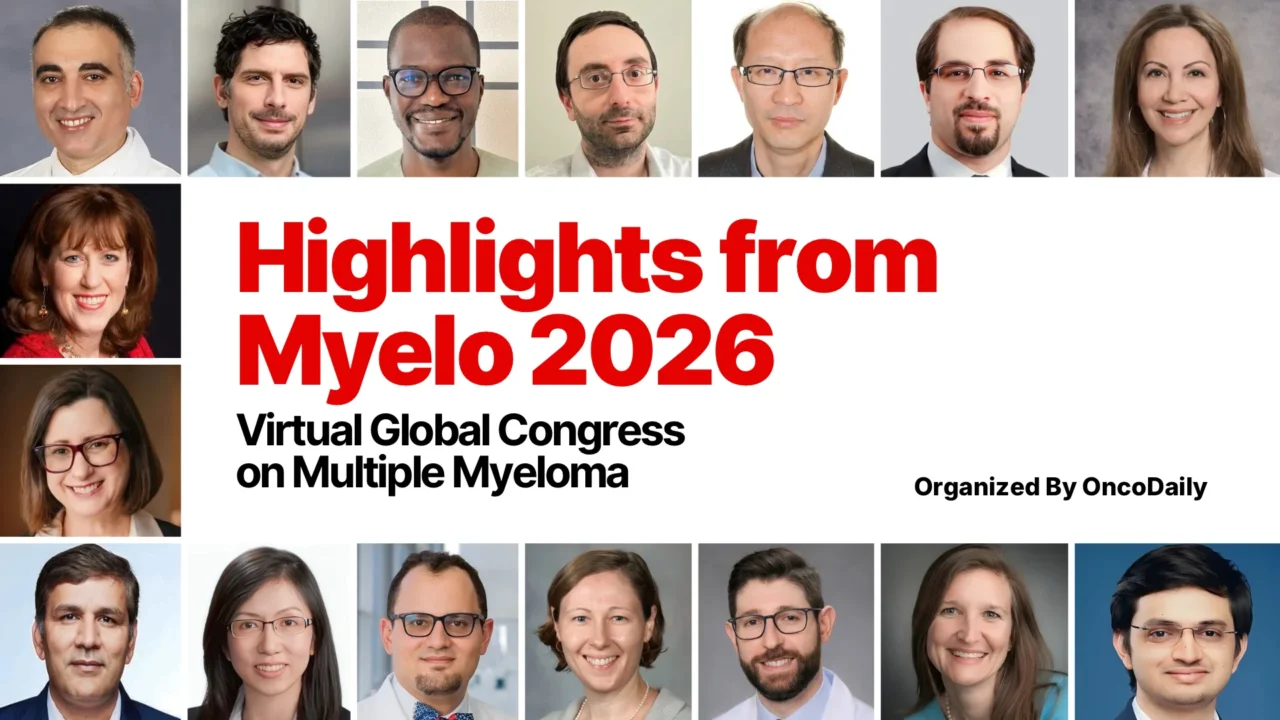
The OncoDaily Multiple Myeloma Congress 2026 brought together a truly global faculty to explore one of the most complex and rapidly evolving areas in oncology. Held as a virtual international meeting on April 23, 2026, the congress delivered a focused yet comprehensive overview of how multiple myeloma is being diagnosed, treated, and redefined in modern practice.
With nearly 188,000 new cases diagnosed worldwide each year and over 120,000 deaths, multiple myeloma remains a major global health challenge, making the discussions at this congress particularly timely and clinically relevant.
Setting The Stage: From Biology To Bedside
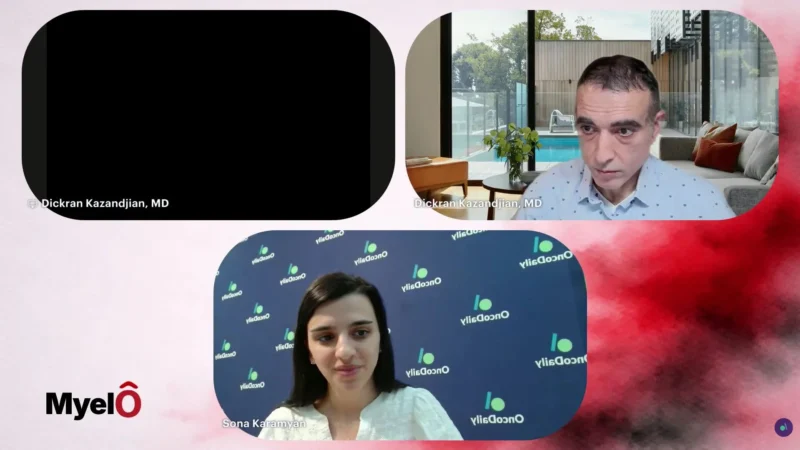
Chaired by Dickran Kazandjian, the meeting emphasized practical decision-making across the full disease spectrum from early suspicion and diagnosis to relapsed and refractory settings. The tone was clear from the outset: translating complexity into actionable strategies for real-world oncology practice.
Rethinking Resistance: Why Treatments Fail
Francesco Maura opened with a deep dive into immunotherapy resistance, highlighting how tumor heterogeneity and immune escape mechanisms continue to limit long-term responses. His session reinforced a key theme of the congress: understanding biology is no longer optional it is central to treatment selection.
Building on this, Benjamin Diamond demonstrated how whole-genome approaches are beginning to uncover patterns of resistance and residual disease that were previously invisible, pointing toward a future of highly individualized therapy.
Innovation In Advocacy: HealthTree’s Tech-Forward Vision
A dedicated session, “Innovating Advocacy: The Tech-Forward Vision of the HealthTree Foundation,” featured Jenny Ahlstrom, Chief Executive Officer of the HealthTree Foundation, who discussed how patient advocacy, digital tools, and structured patient data can strengthen education, research participation, and support for people living with multiple myeloma.
The session expanded the congress beyond treatment and diagnostics, highlighting the growing role of advocacy organizations in connecting patients with knowledge, clinical trials, and community-based resources.
Global Inequality In Focus
One of the most impactful sessions came from El Hadji Daouda, who presented the evolving landscape of myeloma care in Senegal. His talk underscored persistent gaps in access to diagnostics and advanced therapies, offering a necessary reminder that innovation must be matched by global equity.
Similarly, Samvel Bardakhchyan shared real-world treatment outcomes from Armenia, providing valuable insight into how resource settings shape clinical decisions and patient outcomes.
The New Therapeutic Era: Bispecifics, BiTEs, And Beyond
The rapid expansion of immunotherapy was a central focus across multiple sessions. Al-Ola Abdallah explored the growing role of BiTEs in relapsed/refractory multiple myeloma, emphasizing their ability to redirect immune responses with promising efficacy.
MRD, Clonal Evolution, And The Limits Of Precision’
Minimal residual disease (MRD) remained a topic of active debate. Deniz Peker challenged conventional assumptions, questioning what MRD truly reflects in the context of clonal evolution.
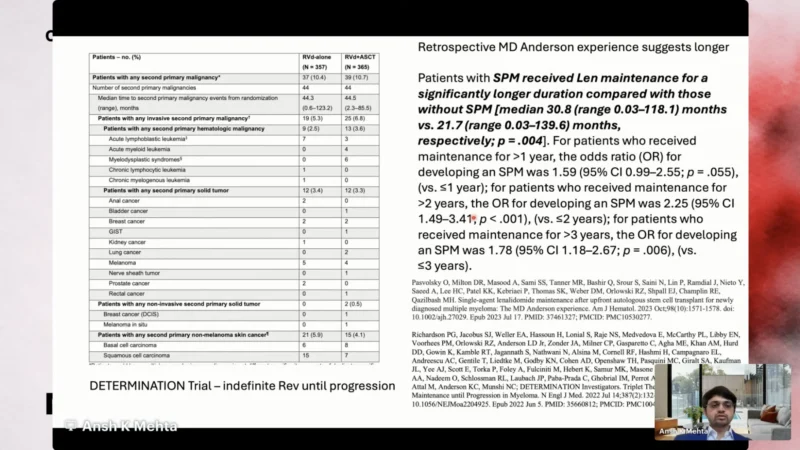
Expanding on this, Ansh Mehta discussed how MRD could guide escalation or de-escalation strategies, while also acknowledging the uncertainty that still surrounds its interpretation in daily practice.
Diagnostics That Matter: From FISH To Functional Biology
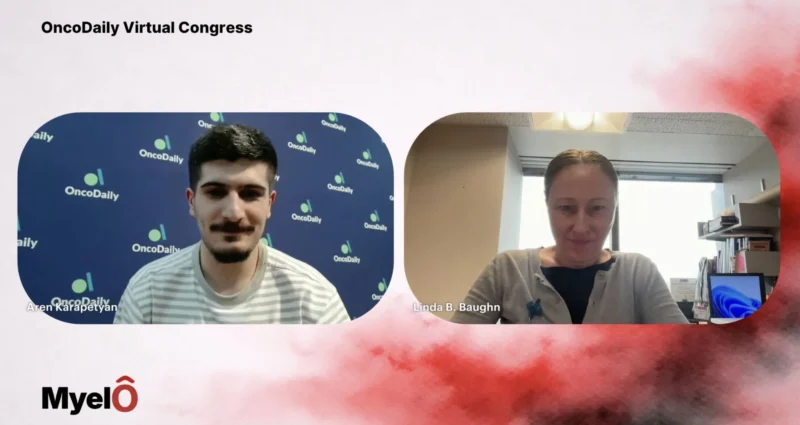
Accurate diagnostics continue to underpin effective care. Linda B. Baughn delivered a highly practical session on interpreting FISH results, simplifying complex cytogenetic information into clinically meaningful insights.
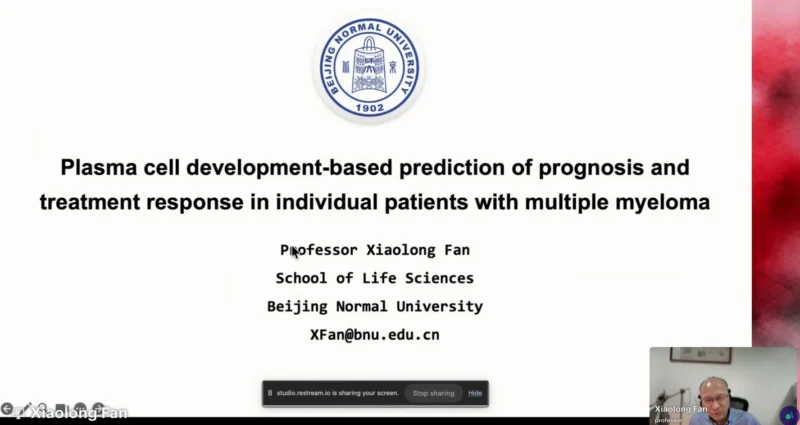
Meanwhile, Xiaolong Fan presented an innovative approach linking plasma cell development biology to prognosis and treatment response, offering a glimpse into how functional biology may refine risk stratification.
Beyond Myeloma: Expanding The Clinical Lens
The congress also explored related plasma cell disorders, with Shayna Sarosiek reviewing current and emerging therapies in Waldenström macroglobulinemia.
The Immune Microenvironment And Future Targets
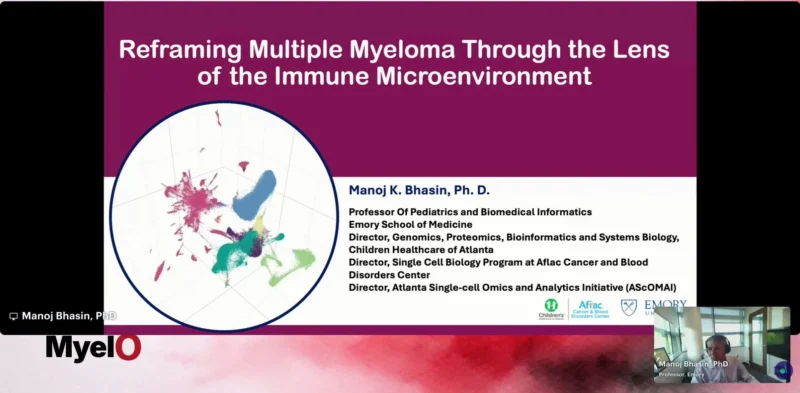
Looking ahead, Manoj Bhasin reframed multiple myeloma through the lens of the immune microenvironment, emphasizing how interactions between tumor cells and immune signaling pathways could unlock new therapeutic opportunities.
In parallel, Yinghui Li explored TNFR-driven long non-coding RNA mechanisms, pointing toward novel molecular targets that could shape the next generation of treatments.
Treating The Whole Patient: More Than Survival
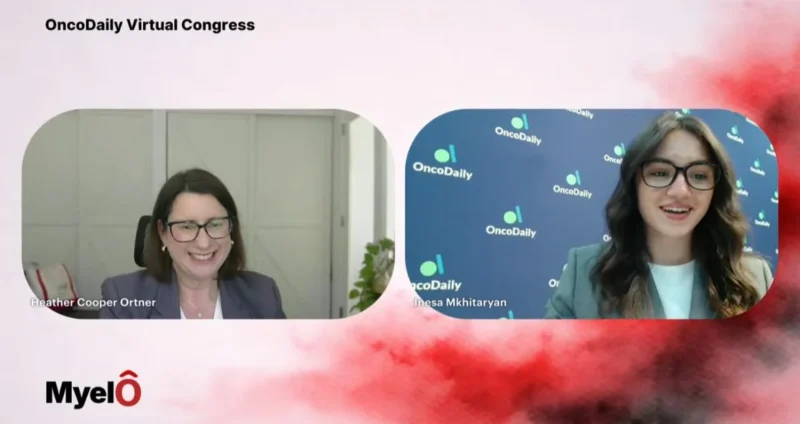
Closing on a broader note, Heather Cooper Ortner shifted the discussion beyond clinical endpoints, focusing on survivorship, patient experience, and quality of life. Her message was clear: progress in myeloma is not only measured in months gained, but in lives meaningfully lived.
Panel Discussion: Connecting Science, Practice, And Patient Needs
The congress also featured an important panel discussion moderated by Deniz Peker, bringing together perspectives from across the multiple myeloma field. Beyond summarizing the scientific sessions, the discussion helped connect research, diagnostics, treatment innovation, and real-world patient care.
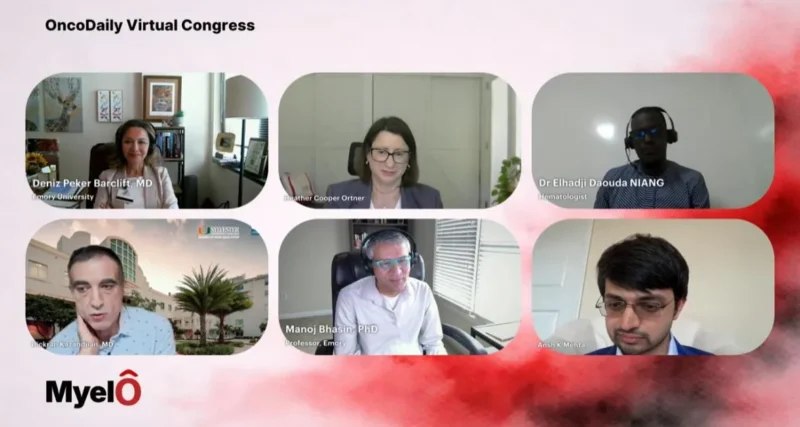
This panel was especially valuable because multiple myeloma management is no longer defined by one decision or one treatment line. It now requires careful interpretation of biomarkers, MRD results, genomic findings, treatment sequencing, toxicity management, patient access, and long-term quality of life. The discussion created space to address these layers together and showed how progress in myeloma must be translated into practical decisions clinicians can use at the bedside.
By placing science and patient needs in the same conversation, the panel reflected one of the strongest messages of Myelo 2026: the future of multiple myeloma care depends not only on new therapies, but also on better coordination, clearer interpretation of data, and more equitable access to innovation.
Stay informed with more articles like this on OncoDaily
Written by Nare Hovhannisyan,MD