Day 6 of the Immuno 2026 Global Virtual Congress on Immuno-Oncology, held on September 29, 2026, focused on “Dose Optimization and Better Research Decisions.” The program covered how much immunotherapy patients actually need, how to manage its toxicities, and how imaging can track immune responses. It also looked at how CAR T-cell therapy might move into solid tumors and how earlier treatment can change outcomes. The day closed with a discussion of who should shape the cancer research agenda.
Organized by OncoDaily in collaboration with the Parker Institute for Cancer Immunotherapy (PICI), the congress marks PICI’s 10th anniversary. The sessions kept returning to one question. As immunotherapy becomes standard care, are we designing treatments, trials, and research priorities in the way that best serves patients?
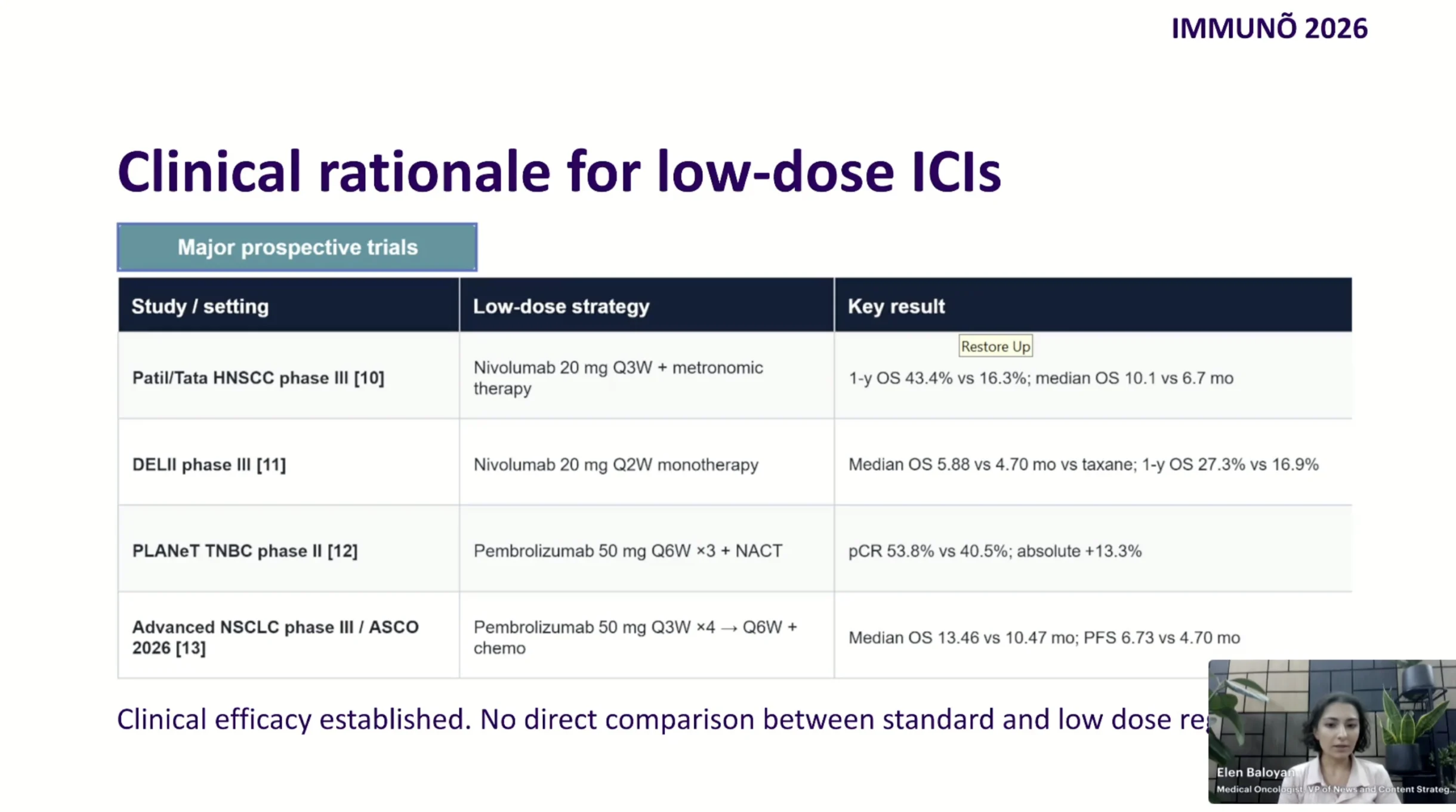
Elen Baloyan: The Rationale for Low-Dose Immunotherapy Trials
Elen Baloyan is a medical oncologist at the Yeolyan Hematology and Oncology Center in Armenia and holds a clinical research position at the Immune Oncology Research Institute. She is also Vice President of News and Content Strategy at OncoDaily, Editor-in-Chief of OncoDaily Magazine, and Director of the Boston Institute for Global Rankings.
She opened the day by asking how much immunotherapy is enough. She noted that immunotherapy has transformed outcomes in several cancers but remains out of reach for many patients because of cost. She argued that in real-world practice the choice is often between some immunotherapy and none at all, not between standard and lower doses.
She explained why immunotherapy dosing differs from chemotherapy: once the drug’s target is saturated, higher doses may add toxicity and expense without more benefit. She reviewed the growing body of prospective and real-world evidence for lower doses, and she stressed that direct comparisons with standard dosing are still missing. She closed with open questions on endpoints, trial design, funding, and whether pharmacokinetic modeling could help.
“So the question is how much immunotherapy is enough?”
Panel Discussion: Rethinking Immunotherapy Dosing
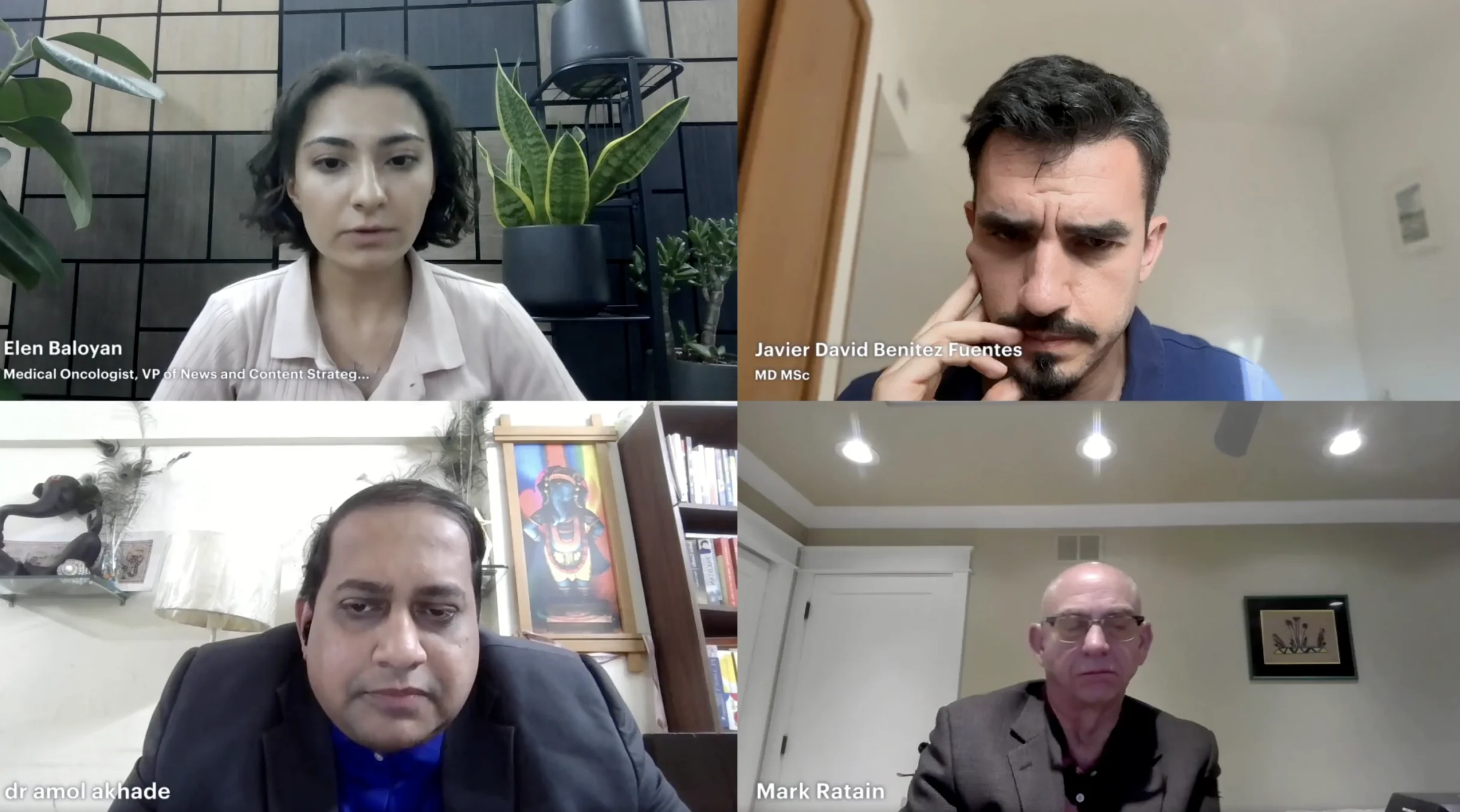
Dr. Baloyan was joined by Amol Akhade, a Consultant Medical Oncologist at Fortis Hospital, Mulund, in Mumbai and a leading voice in India’s “optimal dose” immunotherapy movement. Also on the panel were Mark J. Ratain, Leon O. Jacobson Professor of Medicine at the University of Chicago and Director of its Center for Personalized Therapeutics, and Javier David Benitez Fuentes, a Consultant Medical Oncologist at Hospital General Universitario de Elche, who works on thoracic cancers, global oncology, and equitable access.
Akhade described how clinicians in India already offer lower doses to patients who cannot afford full-dose treatment, and how falling generic prices are helping.
Ratain argued that current doses are far higher than necessary and that the issue is safety as well as cost. He said regulators failed to optimize doses before approval and that payers should demand the trials. He suggested that a prospective registry of low-dose treatment could provide evidence in the meantime.
Benitez Fuentes described his hospital’s shift to weight-based dosing and expected academic groups, not industry, to lead the research. The panel also discussed treatment duration and dosing intervals.
Omar Alhalabi: Neurologic Immune-Related Adverse Events
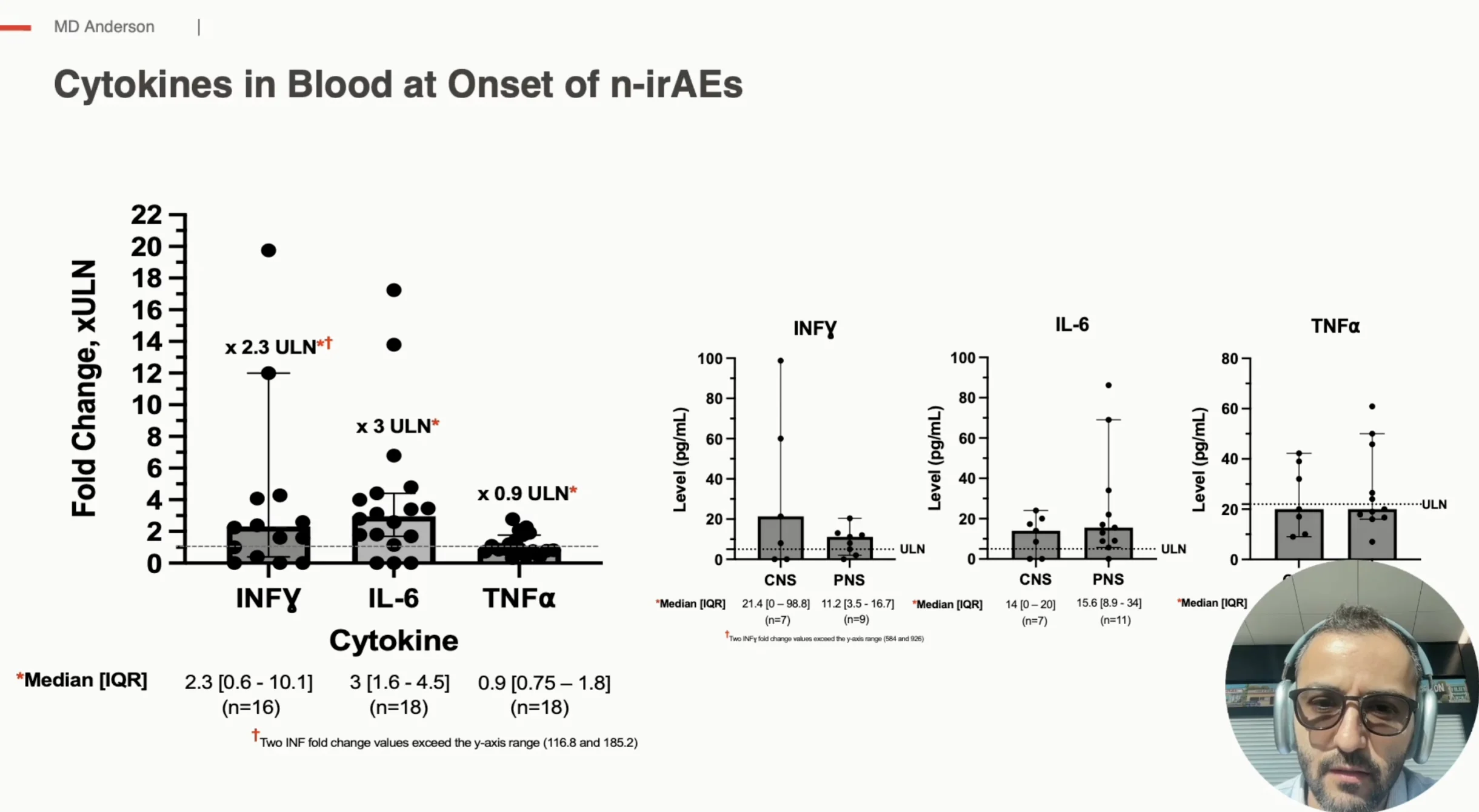
Omar Alhalabi, Associate Professor of Genitourinary Medical Oncology at MD Anderson Cancer Center, presented his group’s work on neurologic immune-related adverse events. These toxicities are uncommon but can affect anything from the brain to the peripheral nerves, and they carry a high risk of serious outcomes.
His team analyzed patients admitted with these toxicities, most of whom had received combination immunotherapy. They found that elevated protein in the cerebrospinal fluid was associated with worse outcomes. Blood cytokine patterns pointed toward an interleukin-6 signal, which led him to suggest that treatments that reach the brain better may be worth exploring.
Oluwatayo Tayo Ikotun: Molecular Imaging of Immune Responses to Cancer Therapy
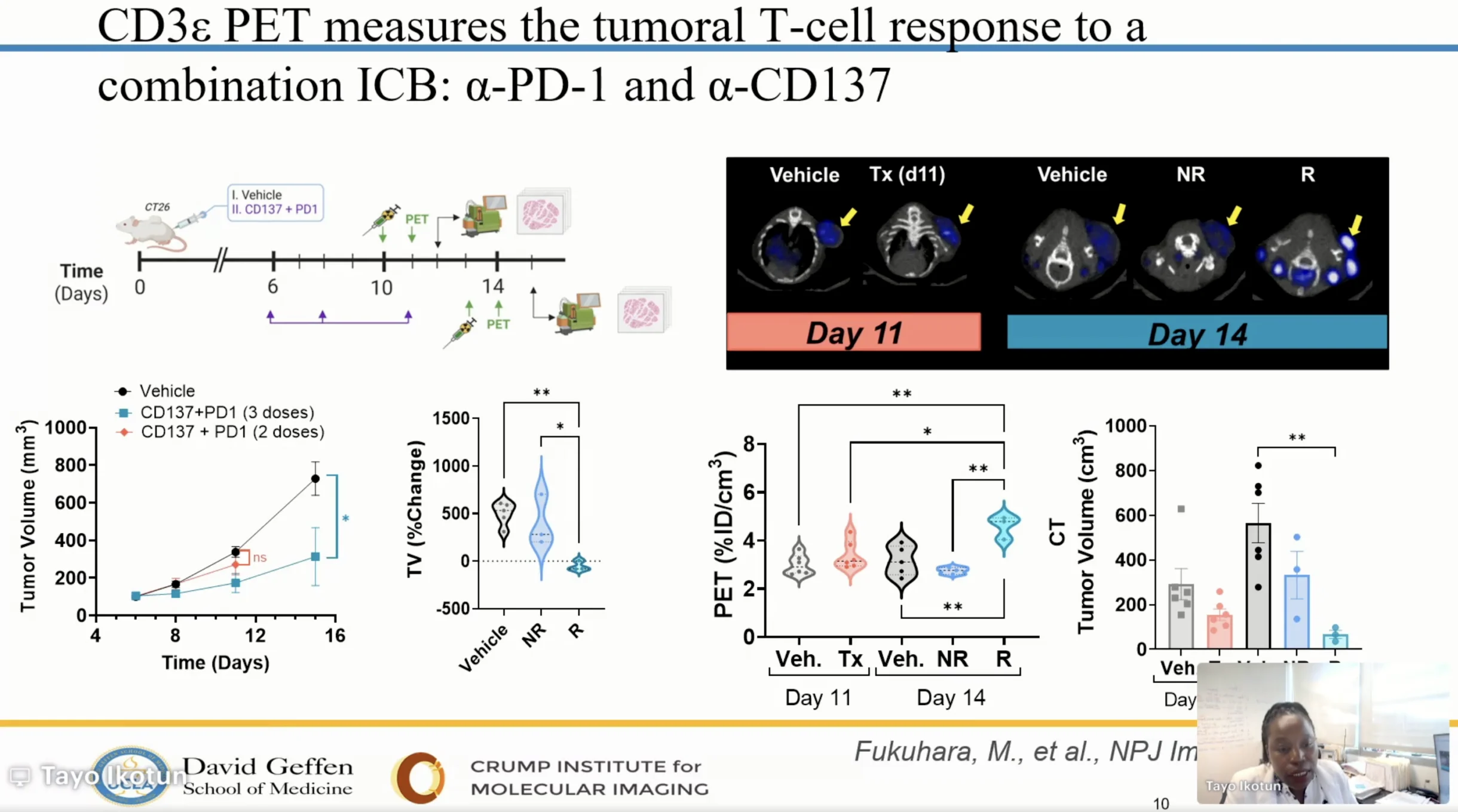
Oluwatayo Tayo Ikotun, Assistant Professor of Molecular and Medical Pharmacology at UCLA and head of the Laboratory for Image Guided Immunotherapy, presented her lab’s work on non-invasive PET imaging of immune responses. Her group built radiolabeled probes that track T cells, comparing a full-length antibody with a smaller fragment. The smaller format disturbed the immune system much less.
In preclinical models, the probe showed T-cell accumulation in tumors and lymphoid tissues and could separate responders from non-responders to combination immunotherapy. A second probe detects interferon-gamma, a marker of T-cell activation, which addresses the difference between simply having T cells and having active ones. She also described early work on imaging both signals at once.
Brenden Zangari: CAR T-Cell Therapy Beyond Blood Cancers
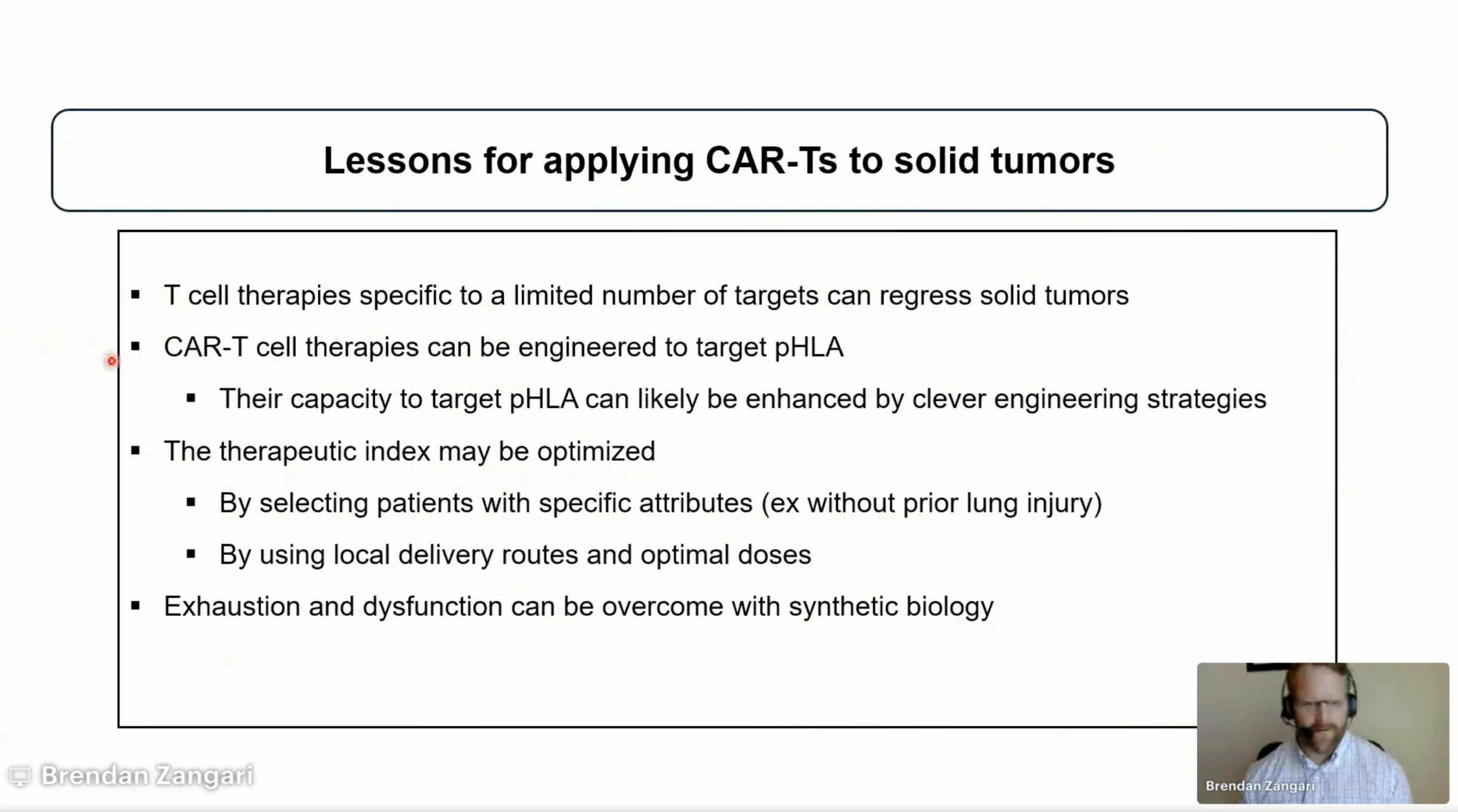
Brenden Zangari, an immuno-oncology and gene therapy researcher focused on engineered T cells, asked what CAR T cells can learn from tumor-infiltrating lymphocytes and TCR-based therapies. He reviewed the main barriers in solid tumors: single-target designs, low target density, and poor persistence.
He then covered strategies to overcome them, including CARs that recognize peptide-HLA antigens, added signaling elements that boost sensitivity, and better target selection. From clinical studies he drew the lesson that safety can be improved through careful patient selection, local delivery, and dose optimization. He also pointed to synthetic biology for overcoming exhaustion.
Pashtoon Kasi: Challenging the Status Quo in Immunotherapy for MSS Colorectal Cancer
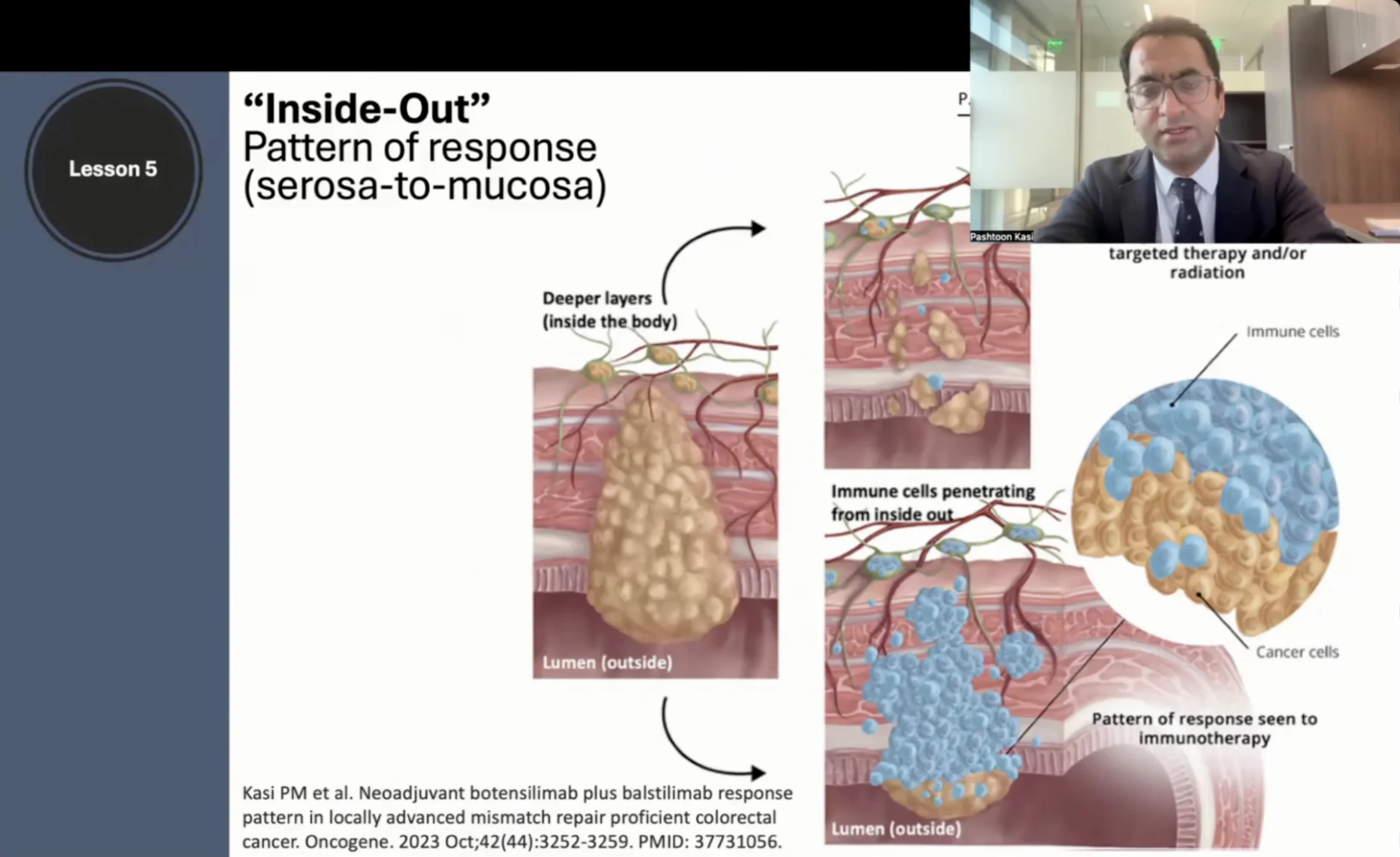
Pashtoon Kasi is Medical Director of GI Medical Oncology and holds the Rad Family Chair in Gastrointestinal Oncology at City of Hope Orange County. He presented on neoadjuvant immunotherapy for microsatellite-stable colorectal cancer, a group that has largely not benefited from standard immunotherapy. He described how giving immunotherapy before surgery, while the tumor and lymph nodes are intact, has produced striking results in other settings.
He also described early trials that pair this timing with a newer type of CTLA-4 inhibitor, which have shown deep pathologic responses and encouraging follow-up. He discussed circulating tumor DNA as a biomarker, the need for new endpoints in the neoadjuvant setting, and the management of side effects. He ended with a larger follow-up study now enrolling patients.
Alicia Y. Zhou: Early-Phase Immuno-Oncology Trials, and Whether We Are Testing the Right Patients
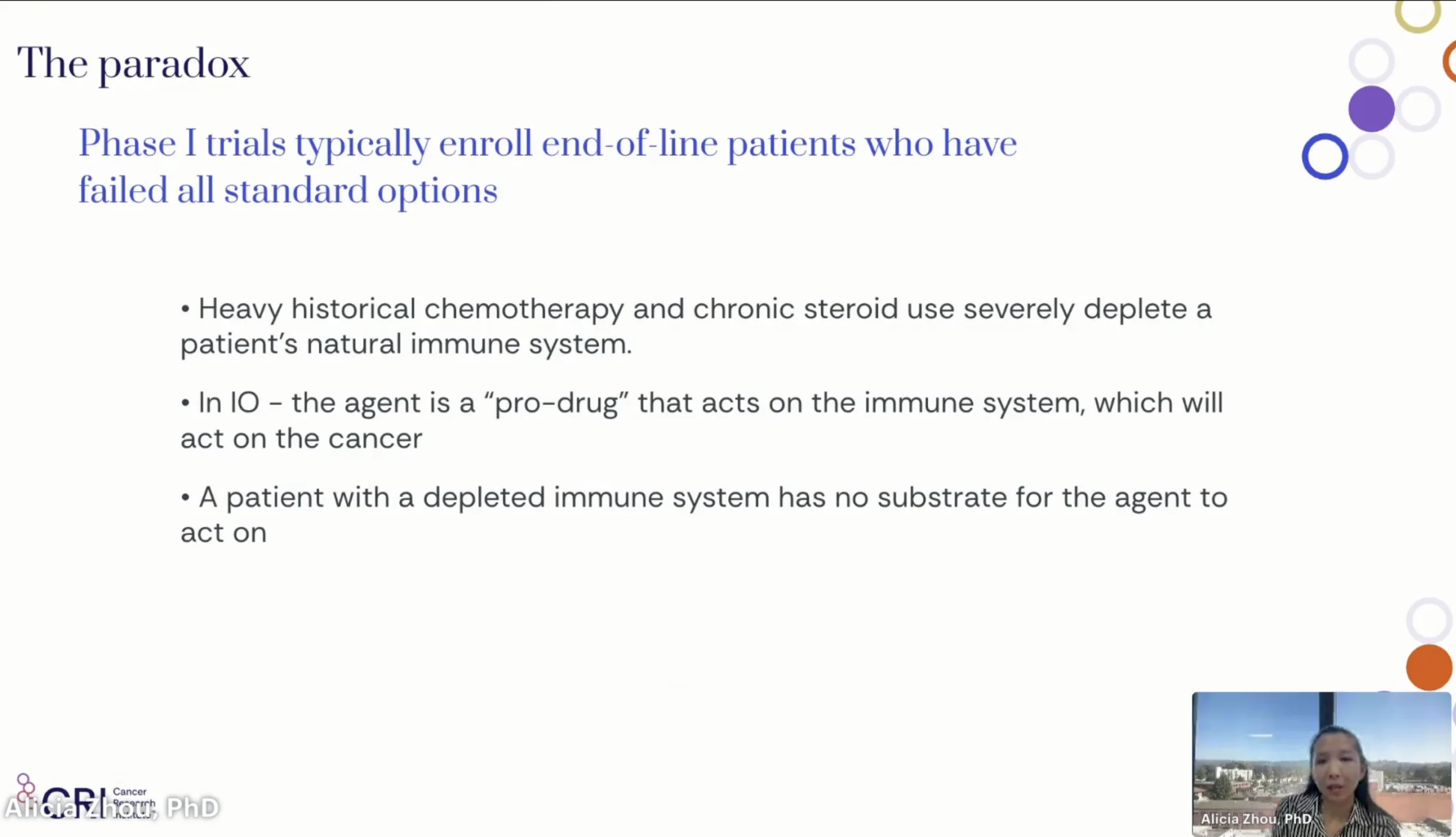
Alicia Y. Zhou, Chief Executive Officer of the Cancer Research Institute, closed the scientific talks by challenging how early-phase immuno-oncology trials are designed. She explained that these agents work through the patient’s own immune system, so the chemotherapy-era goal of finding the maximum tolerated dose does not fit well.
Yet early trials often enroll heavily pretreated patients whose immune systems may be depleted. She proposed introducing agents earlier, selecting patients by biomarker, and sequencing therapies to prime the immune response. She also stressed that biomarker assays must be reproducible, and that basket trials need a clear biological rationale. She framed all of this as a matter of respect for patients and their trust.
“Finding the right patients is just as critical as finding the right dose.”
Panel Discussion: Who Sets the Research Agenda?
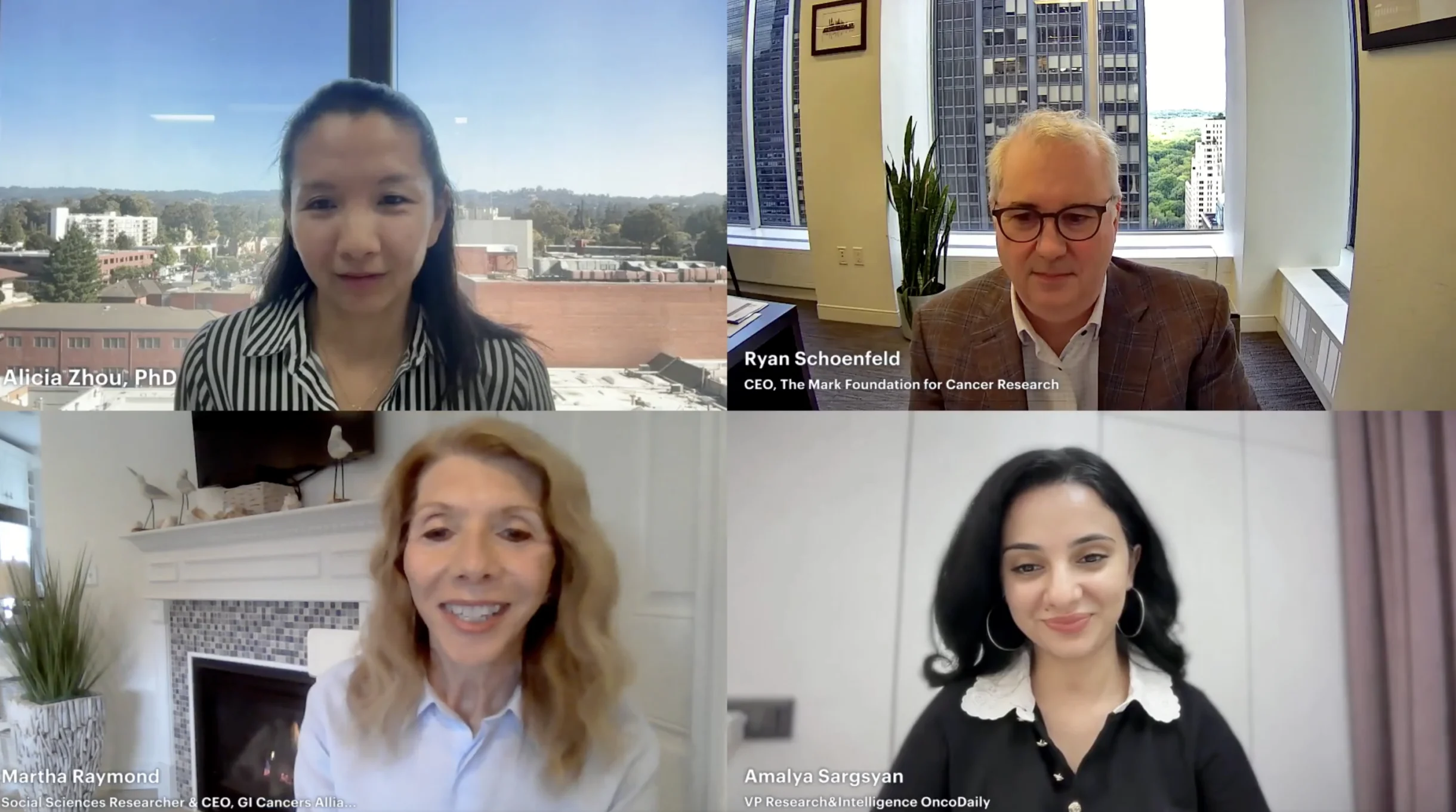
Zhou moderated a final panel with Ryan Shoenfeld, CEO of The Mark Foundation for Cancer Research, Martha Raymond, founder and CEO of the Raymond Foundation and of the GI Cancers Alliance and a long-time patient advocate, and Amalya Sargsyan, a medical oncologist in Yerevan and Vice President of Research & Intelligence at OncoDaily. Shoenfeld argued that funders shape the agenda, though he hoped organizations could align on shared goals.
Raymond called for patients to be involved from the earliest stage, and she noted that no single patient voice speaks for the whole community. Sargsyan described how researchers in under-resourced settings face a track-record barrier. She said mentorship, collaboration, and consistently high-quality work help, and she argued that ideas should be funded, not places.
Looking ahead, the panelists said they were most excited about recent progress in GI cancers, AI-based simulation of a patient’s tumor before treatment, and in vivo CAR T-cell therapy. Zhou closed the session with optimism about what comes next.
What’s Next at Immuno 2026
Day 6 showed a field asking better questions about how much treatment is needed, who should receive it, and who decides what gets studied. The answers ranged from lower and smarter dosing to earlier treatment, better imaging, and a broader group of voices in research.
Immuno 2026 concludes tomorrow with its final day. Explore the program for Day 7.